
Aroosa Mughal
Financial Accountant, Bookkeeper, IFRS, Tax Consultant


Creative business owners: Is your accounting helping you grow, or just helping you meet deadlines?
If you run a design studio, creative agency, or marketing business, you know that growth means more than landing new clients and delivering great work.
It’s also about knowing whether your business is actually making money.
You might have a full client roster, exciting projects, and growing revenue — but do you know which clients are most profitable? Whether your pricing covers your true costs? Or how much you can afford to invest in your next big move?
As an accountant, I believe your numbers should do more than keep you compliant. They should help you make smarter business decisions.
Here’s what good financial management can help you do:
📊 Understand your profitability — Know which services, projects, and clients are generating real returns.
💰 Price your services with confidence — Make sure your rates reflect your costs, time, and business goals.
📈 Manage cash flow — Plan for quieter months, cover operating expenses, and avoid unnecessary financial stress.
🎯 Make better growth decisions — Know when you can hire, invest in marketing, upgrade your tools, or expand your studio.
Because a busy agency isn’t always a profitable one. And more revenue doesn’t automatically mean more money in your pocket.
Your creativity builds the business. Your financial clarity helps you grow it.
If you run a design studio, creative business, or marketing agency and want to move beyond simply keeping your accounts up to date, let’s talk.
I’d love to help you turn your numbers into a tool for growth — not just another deadline to meet.
#CreativeBusiness #MarketingAgency #DesignStudio #AccountingForBusiness #BusinessGrowth #FinancialClarity
2
1
42
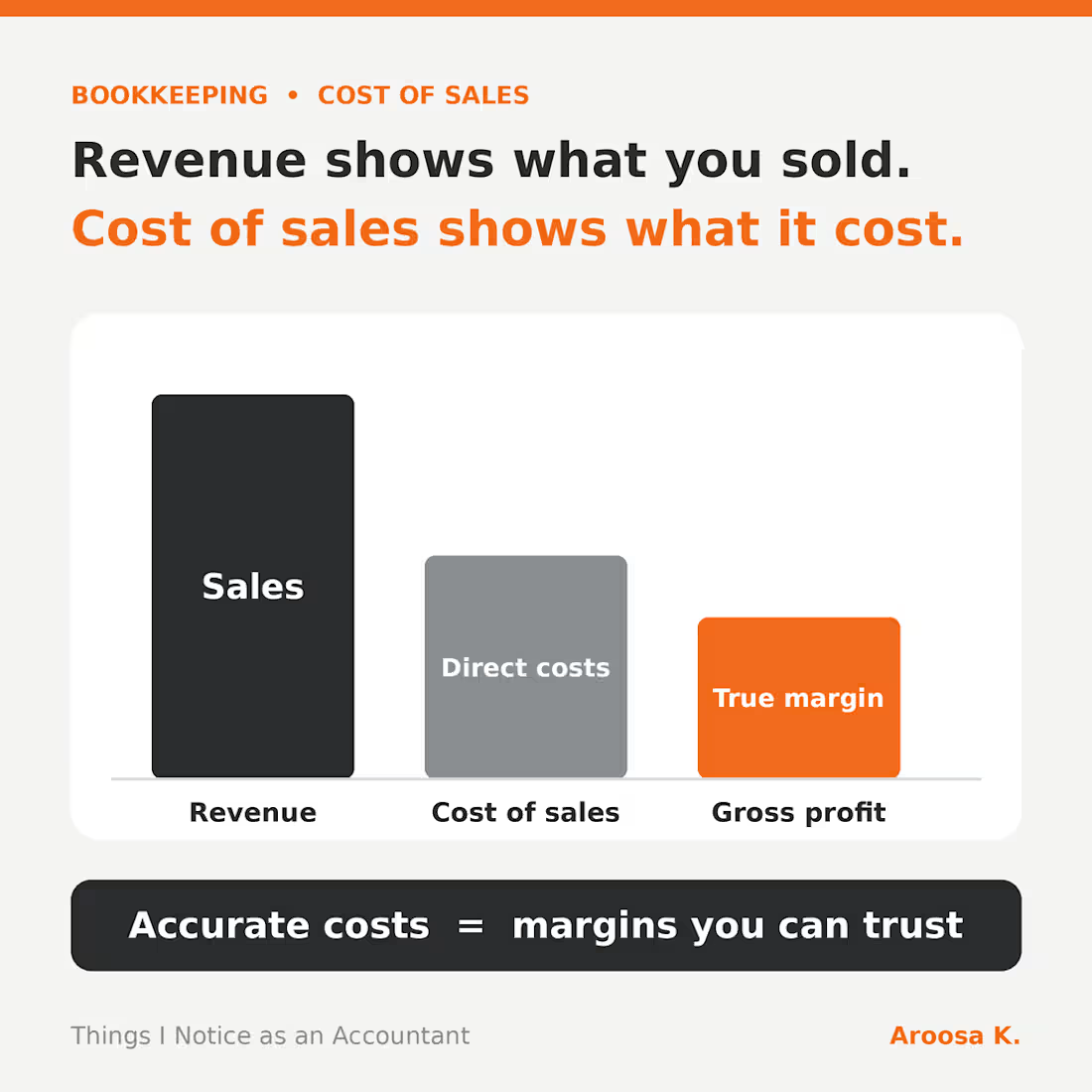
I worked with a small business that needed a clearer picture of its profitability.
The challenge wasn't just recording transactions. It was making sure purchases, direct costs, and operating expenses were classified correctly.
When cost of sales isn't calculated accurately, gross profit can be misleading — and business owners may make pricing and purchasing decisions without knowing their true margins.
Here's what I focused on:
✅ Reviewing purchase transactions and cost classifications
✅ Separating direct costs from operating expenses
✅ Checking inventory and cost of goods sold, where applicable
✅ Improving the accuracy of gross profit reporting
✅ Making financial reports easier to understand and use
The biggest takeaway?
Revenue tells you how much you sold. Cost of sales helps you understand what those sales actually cost your business.
Accurate bookkeeping isn't just about keeping records up to date. It's about giving business owners numbers they can confidently use to make decisions.
If you're a small business owner struggling to understand your cost of sales or gross profit, let's connect.
I can help you turn confusing financial records into clear, meaningful reports.
#Bookkeeping #Accounting #CostOfSales #FinancialReporting #SmallBusiness
1
1
57
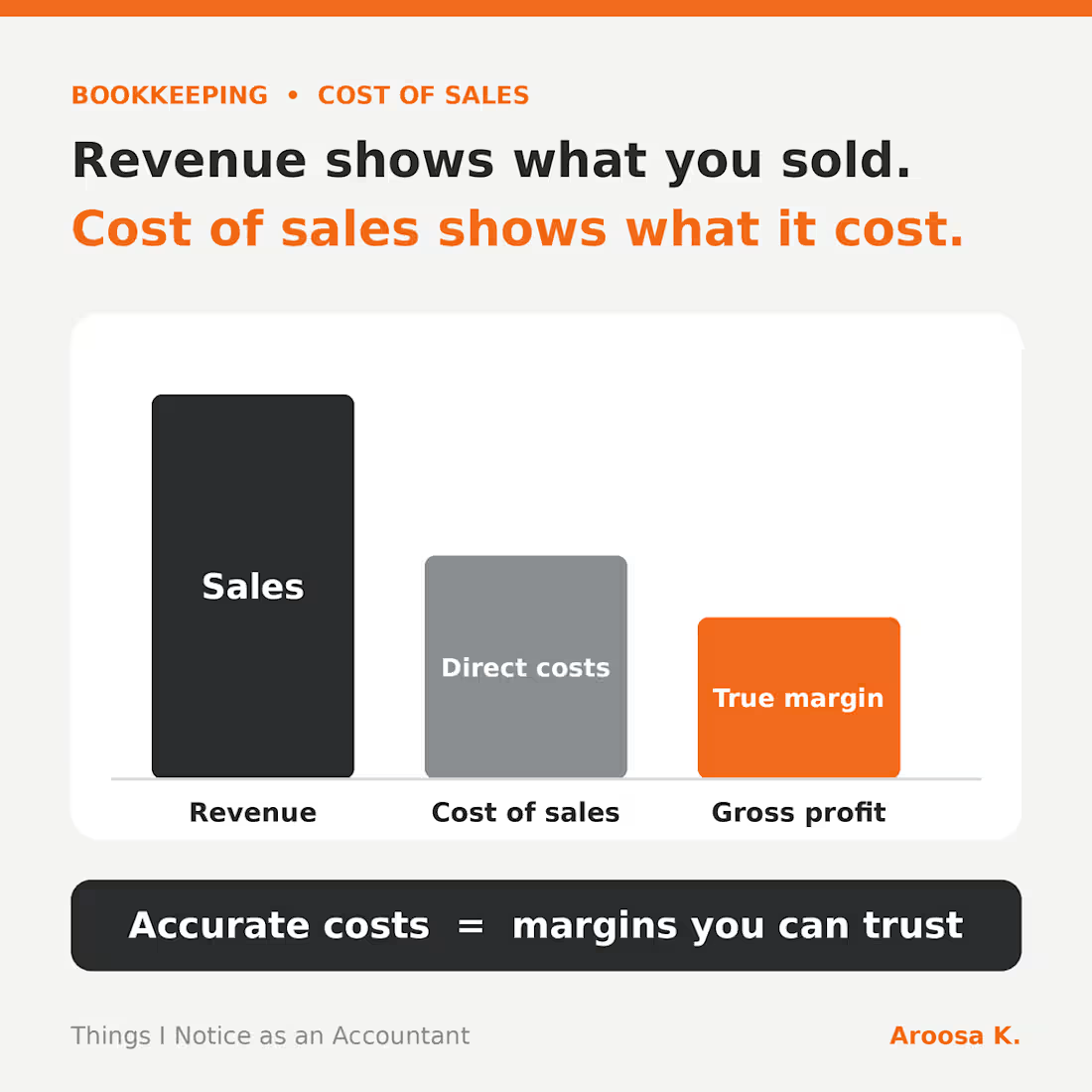
Cost Classification and Financial Reporting Enhancement
1
1
The hidden value of monthly bookkeeping
Monthly bookkeeping is more than recording transactions. It's financial control. 📚
When your books are updated consistently, you can:
✅ Track income and expenses.
✅ Identify unusual transactions earlier.
✅ Monitor outstanding customer invoices.
✅ Reconcile bank balances.
✅ Prepare more reliable financial reports.
✅ Spend less time searching for financial documents.
When bookkeeping is delayed for months, even simple questions can become difficult to answer.
How much did we spend last month?
Which customers still owe us money?
Are our expenses increasing?
These answers should not require guesswork.
I provide accounting support to help businesses maintain organized records and gain better visibility into their finances.
📩 Message me if you're looking for dependable bookkeeping and accounting support.
#MonthlyBookkeeping #AccountingSupport #FinancialControl #SmallBusinessAccounting
1
2
121