
Amadou DIALLO
PhD Researcher | Academic & Scientific Writing
New to Contra
Amadou is ready for their next project!


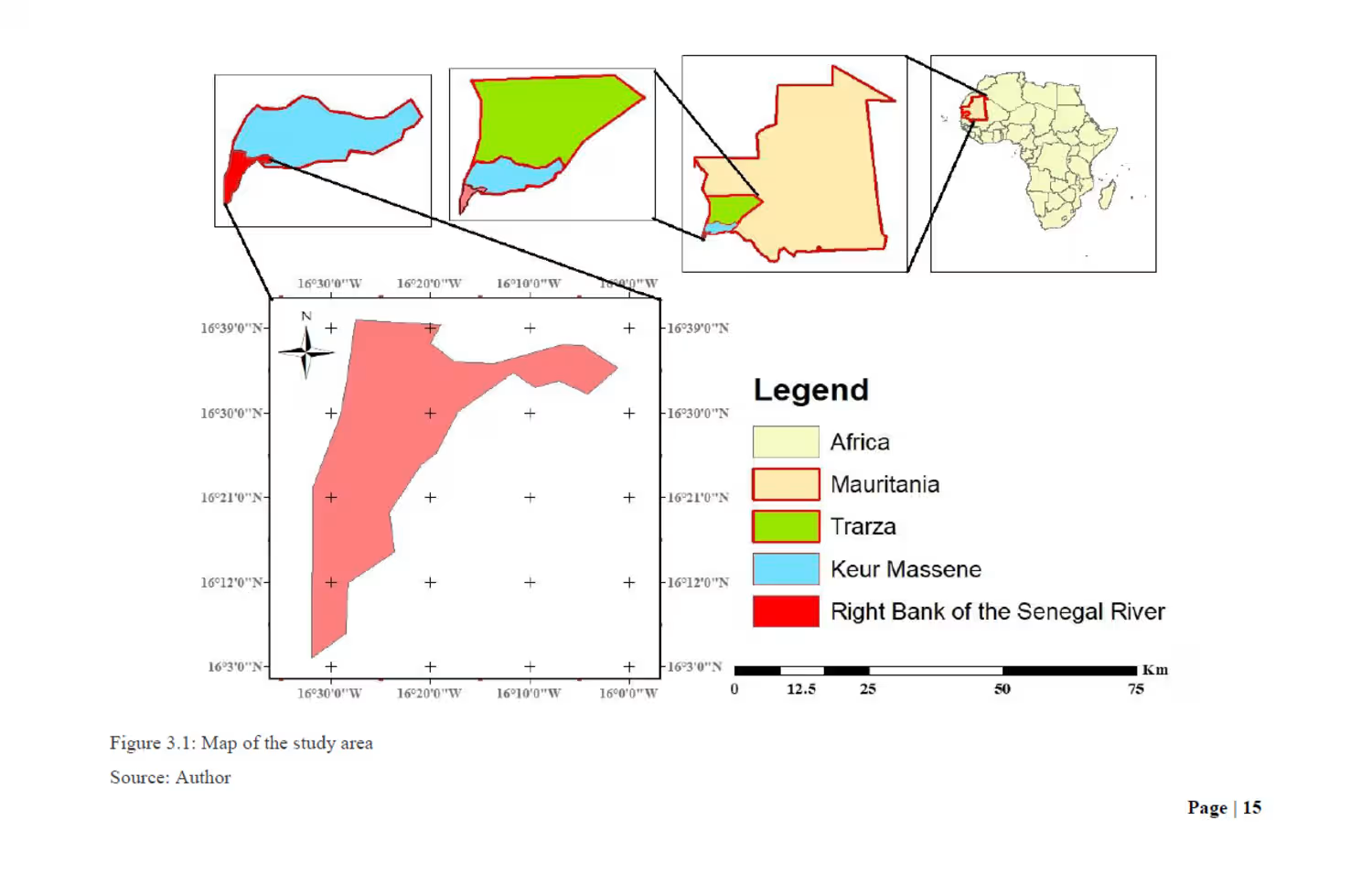
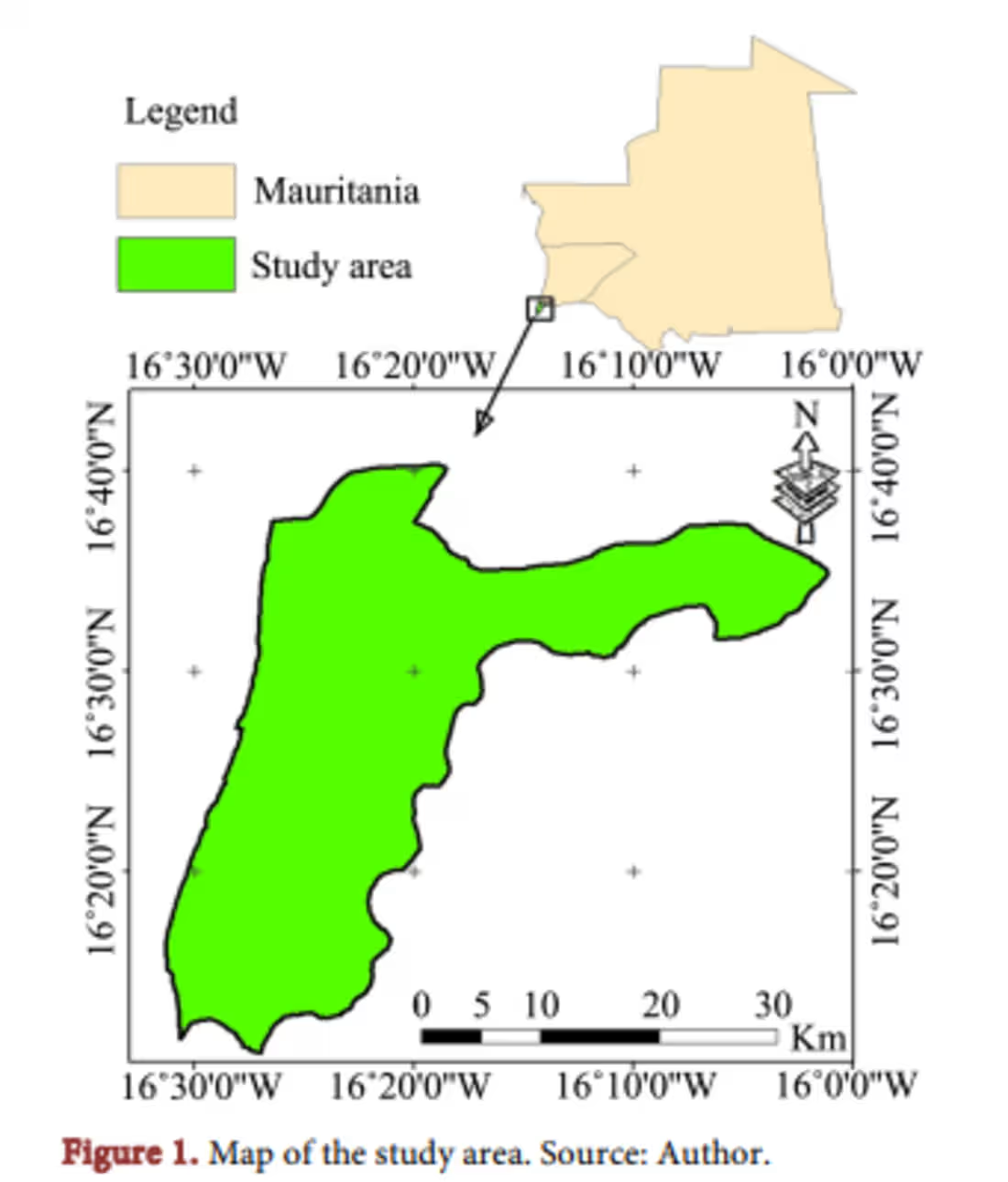
Just published: my peer-reviewed paper in Advances in Remote Sensing on land use and land cover change in Southwest Mauritania.
I used satellite imagery and GIS to analyse how agricultural land, vegetation, and water bodies have changed over time — providing baseline data for climate adaptation and sustainable land management.
This work is part of my broader research on climate change mitigation in West Africa.
If you need GIS analysis, remote sensing, or academic writing support for your project, let's connect.
🔗 https://doi.org/10.4236/ars.2022.114011analyse
1
31
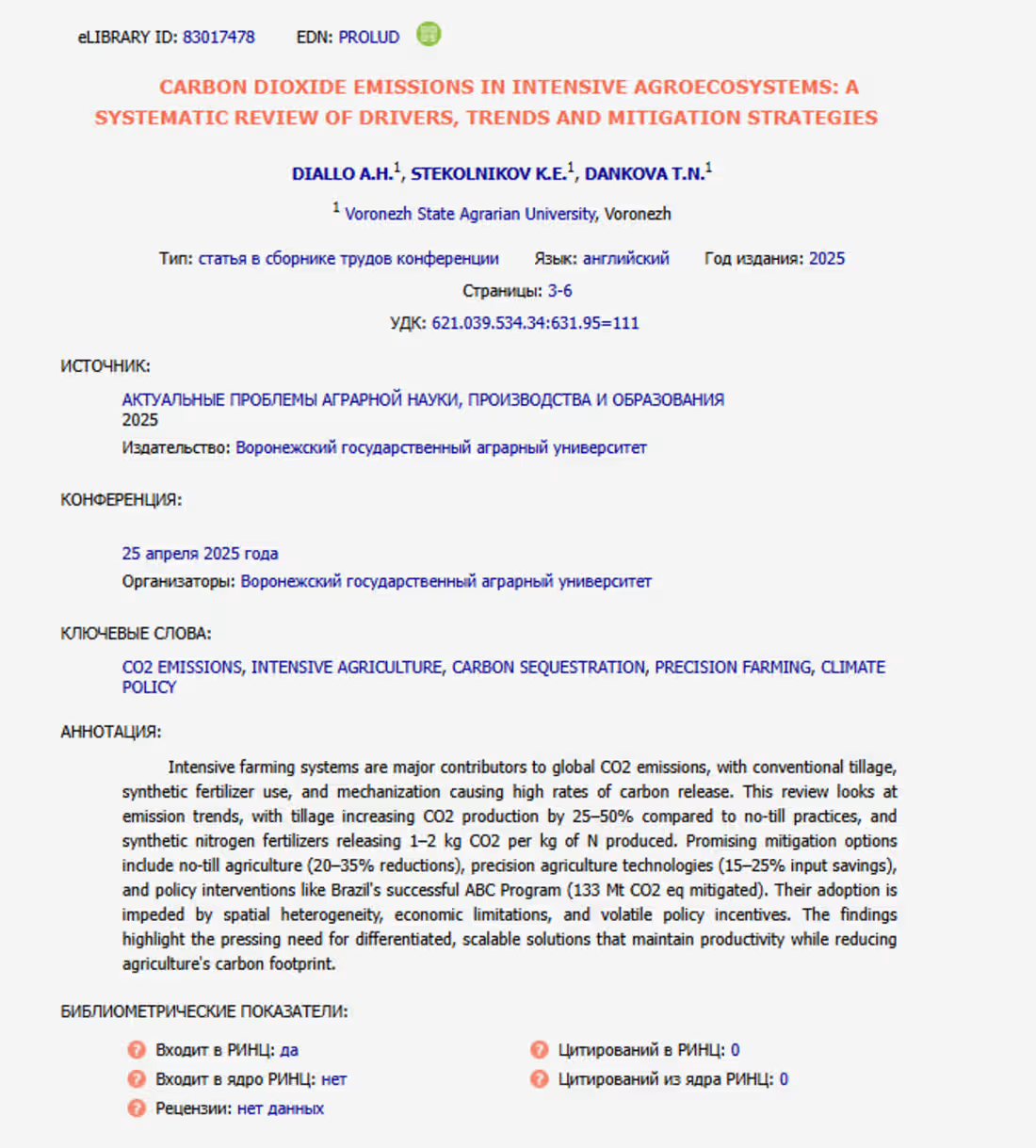
Systematic Review: CO₂ Emissions in Intensive Agroecosystems
Systematic review of drivers, trends, and mitigation strategies for CO₂ emissions in intensive agroecosystems. Analyzed data on tillage impacts (25–50% increase vs. no-till), synthetic nitrogen fertilizers (1–2 kg CO₂ per kg N), and mitigation methods including no-till (20–35% reduction), precision agriculture (15–25%), and policy measures (Brazil's ABC Program — 133 Mt CO₂ eq mitigated). Published in Current Issues in Agricultural Science, Production, and Education. Voronezh State Agrarian University, 2025. pp. 3–6.
0
32
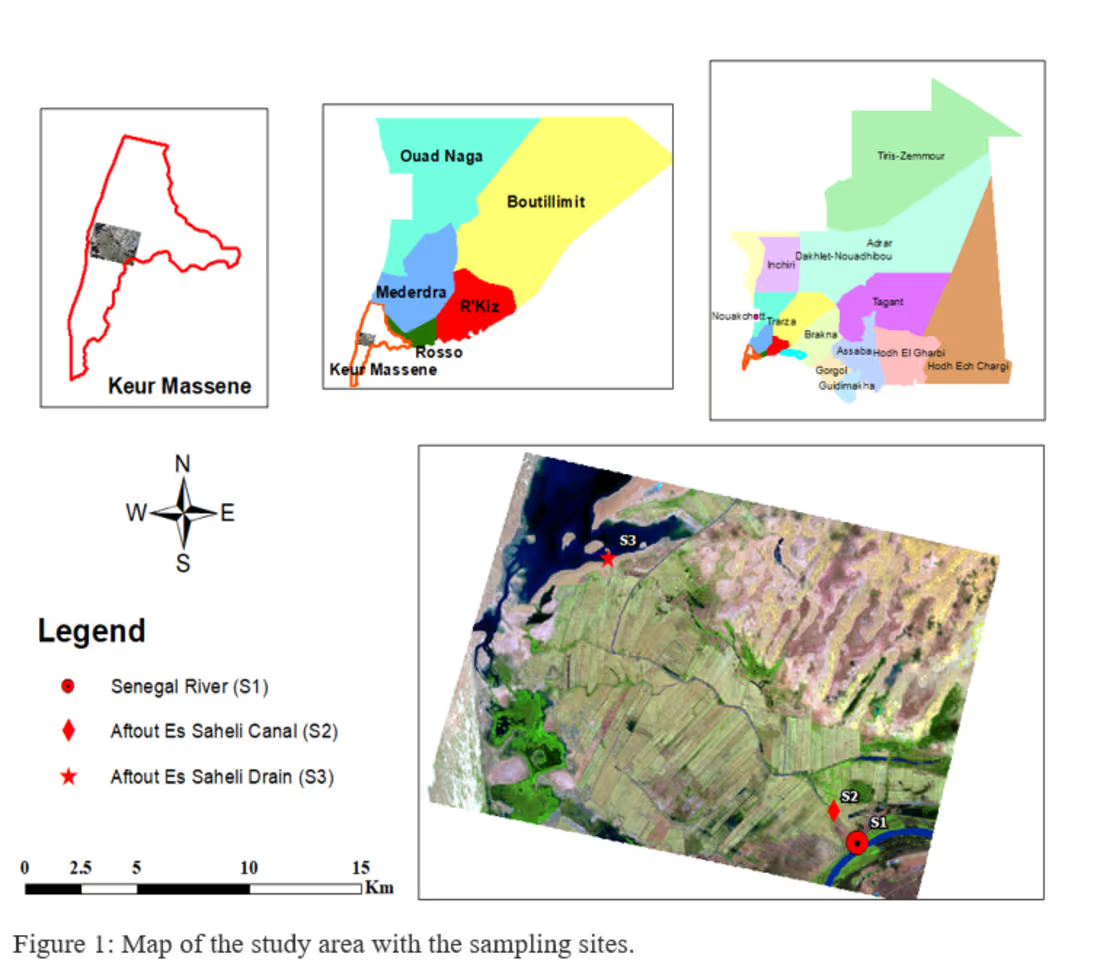
Scientific Research & Writing – Irrigation Water Quality Assessment
I conducted a scientific assessment of irrigation water quality in the Senegal River Delta, Mauritania. I performed field sampling (HANNA multimeter) and laboratory analysis, and calculated irrigation water quality indices (SAR, Na%, PI, MH, KI, IWQI). I applied statistical analysis (correlation and PCA) to interpret water quality patterns. I wrote a full research report with results and recommendations for sustainable irrigation planning.
What I did:
- Conducted field sampling using a HANNA multimeter (HI98194).
- Performed laboratory analysis of physicochemical parameters
- Calculated irrigation water quality indices: SAR, Na%, PI, MH, KI, IWQI
- Applied statistical analysis (correlation and PCA) to interpret water quality patterns
- Wrote the full research report with results and recommendations for sustainable irrigation planning
Deliverables:
- Full research report with results and recommendations
- Statistical analysis (correlation and PCA)
- Irrigation water quality indices (SAR, Na%, PI, MH, KI, IWQI)
- Recommendations for sustainable irrigation planning and water resource management.
0
36
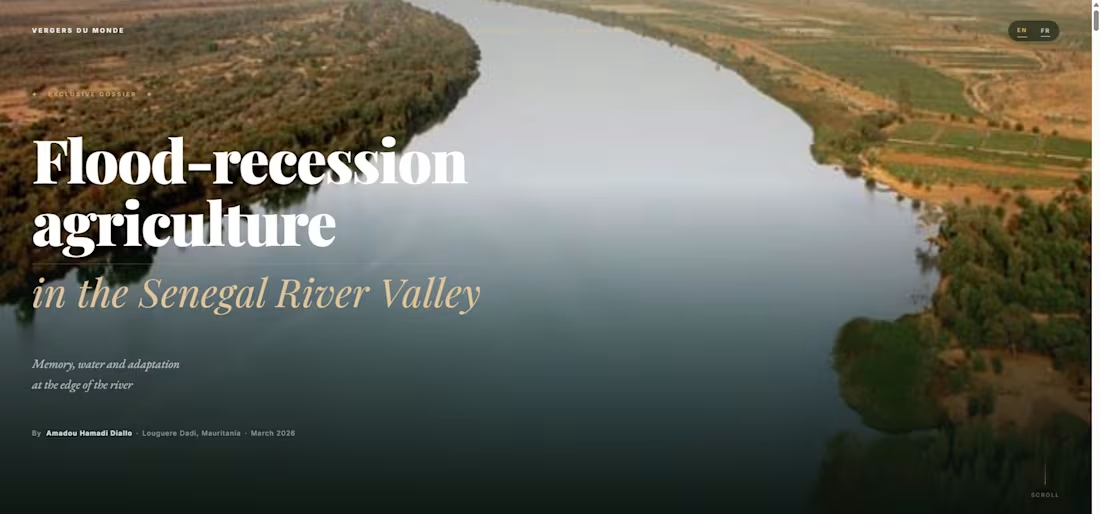
Flood-Recession Agriculture in the Senegal River Valley (Vergers du Monde, 2026)
I wrote this long-form article for Vergers du Monde (Terrain Report Series, March 2026), focusing on traditional flood-recession agriculture in the Senegal River Valley, Mauritania. The article explores indigenous farming practices, traditional planting calendars, and climate adaptation strategies passed down through generations.
What I did:
- Conducted field research and interviews with local farming communities
- Documented traditional knowledge, including Pulaar vocabulary and natural indicators for planting
-Researched the hydrological and climatic context of the Senegal River Valley
- Created supporting visuals, including a GIS map of the Louguere Dadi area
- Wrote the full article for an international audience, bridging science and indigenous knowledge
Content covered:
- Geography and hydrology of the Senegal River (1,641 km; 450,000 km² basin)
- Flood-recession farming: niébé, maize, sweet potato
- Traditional planting calendars and natural signs (frogs, birds, winds, cattle)
- Threats: climate change, Diama Dam, soil salinisation
- Practical recommendations for revitalisation and climate adaptation
- Lessons for dry-climate gardeners, regenerative agriculture, and agroecology researchers
Significance:
This project demonstrates my ability to translate complex agricultural and climate research into clear, accessible content. It combines scientific rigour with local knowledge, making it relevant for researchers, development organisations, and agricultural practitioners.
0
41