
Vinicius Westerhof
CRM Automation for Lead Routing & Follow-Up
Profile in progress
Vinicius is building their profile!
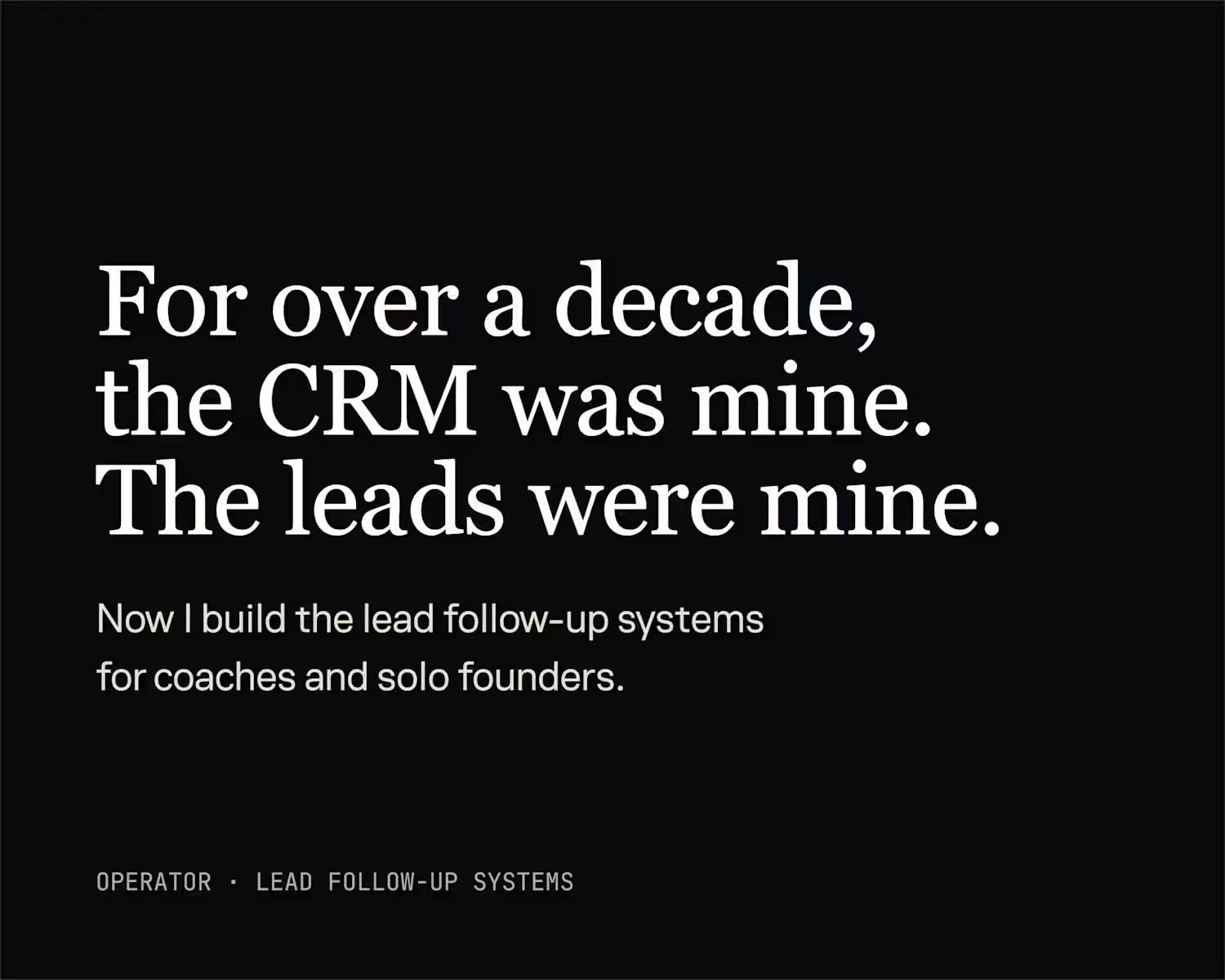

$100/day → $1,000/day. Not from a new product. Not from more traffic. Just from fixing the automation that was already supposed to be working. Most businesses have the tools. They just don't have the system. That's what I build.
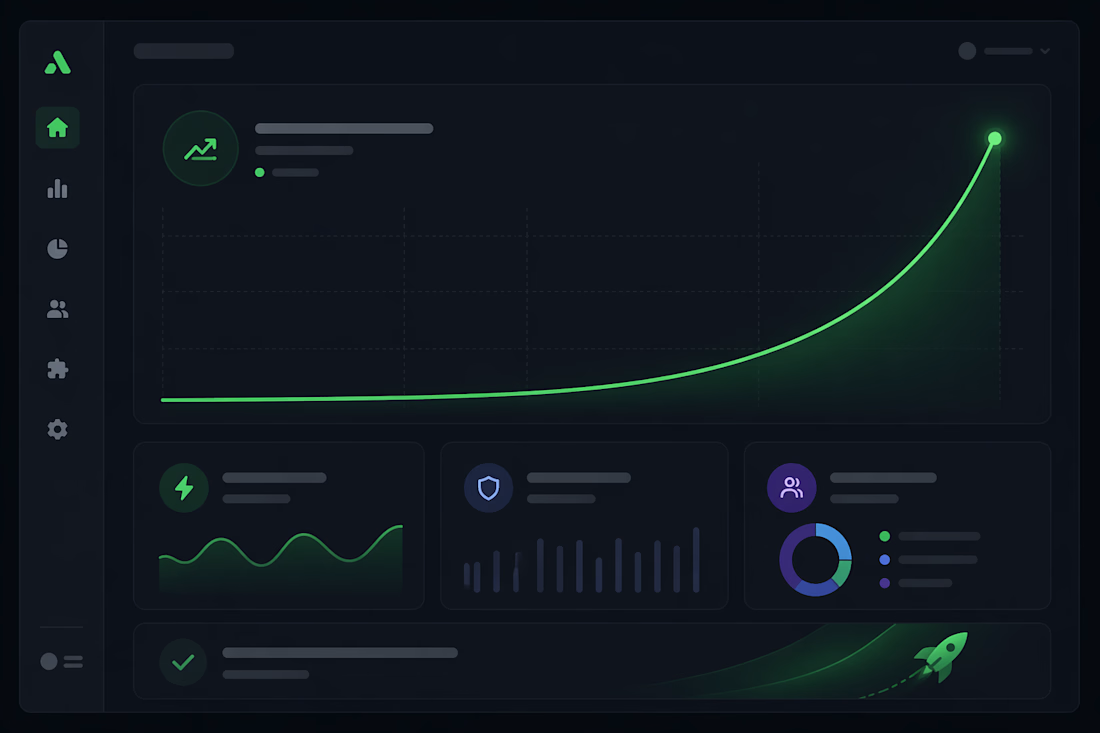
Every hour your team spends on a task a tool could do is an hour not spent on growth. I map your operations, find every manual bottleneck, and replace it with an automated workflow. Less admin. Fewer errors. More time for the work that actually matters.

9 years building digital systems for businesses — marketing automation, WordPress platforms, full marketing operations. All remote, all async, all delivered. Based in São Paulo, working with clients across time zones. If you need someone who gets things done without hand-holding, let's talk.


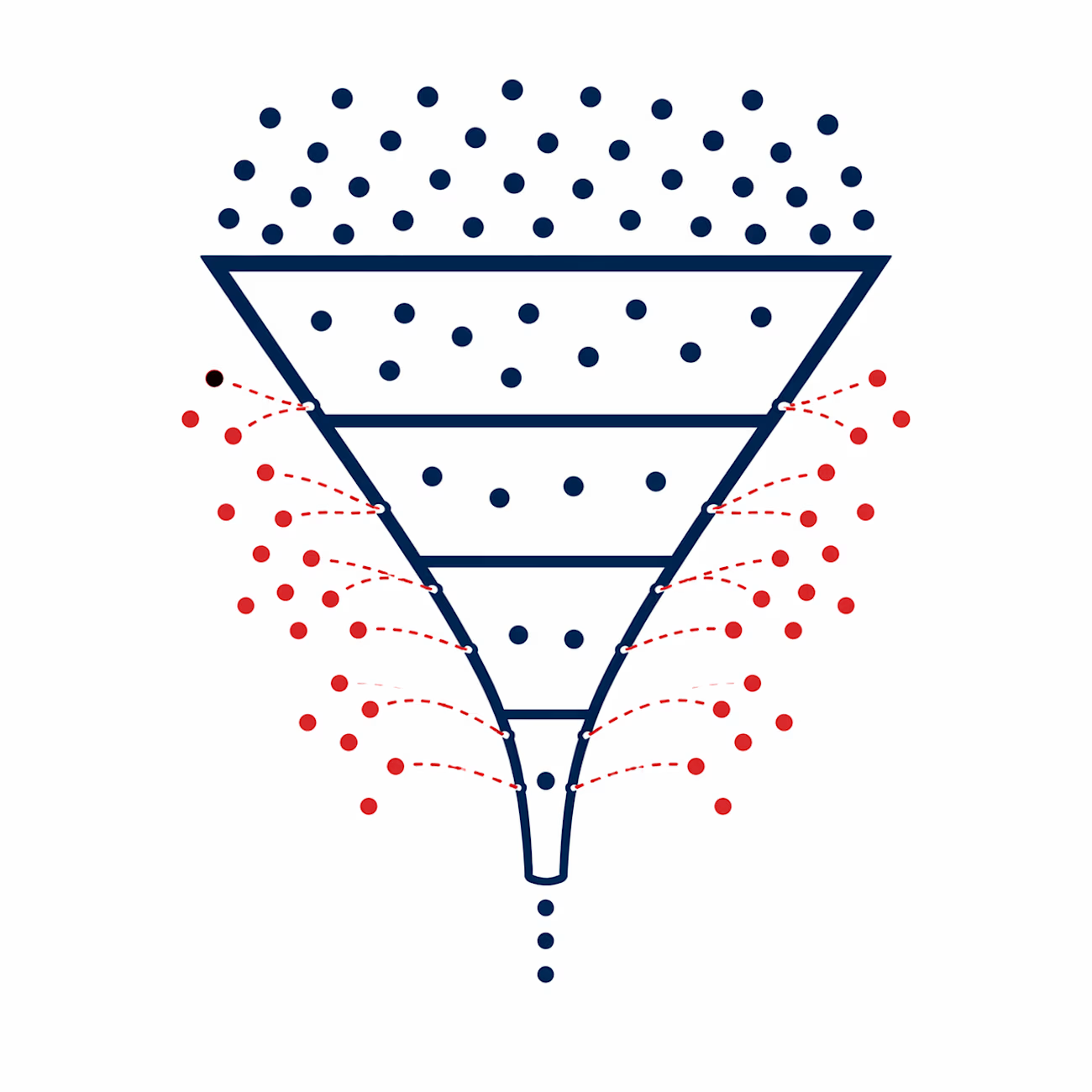
Most brands spend more on ads every month trying to fix a problem that isn't about the ads. The traffic isn't the issue. The funnel is. I've reduced CAC by 35% without increasing ad spend — just by fixing what was already leaking.
A slow, unresponsive website isn't just a design problem — it's a revenue problem. Every second of load time costs you conversions. Every broken mobile layout costs you clients. I build WordPress sites that are fast, clean, and built to convert — not just to look good in a screenshot.