
Valentin Prugnaud
AI engineer turning business problems into AI products
New to Contra
Valentin is ready for their next project!
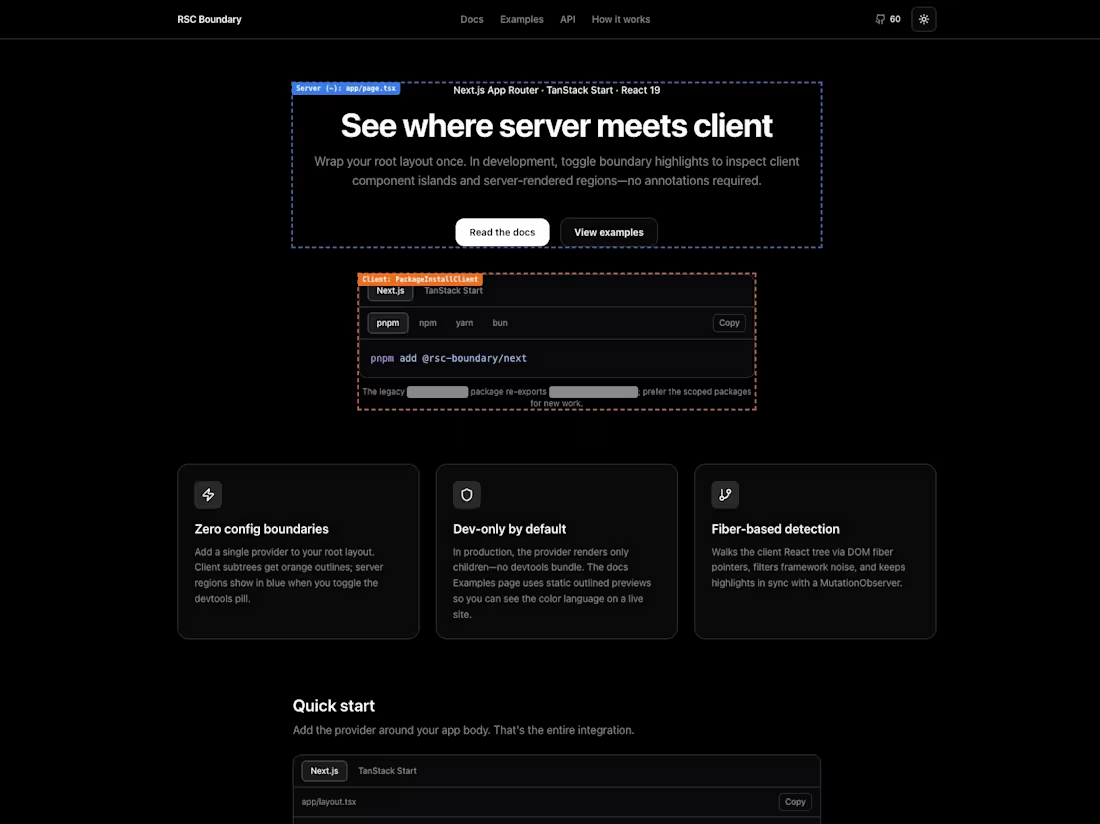
A developer tool that makes React Server Components easier to understand, debug, and teach.
I built RSC Boundary, a dev-only overlay for Next.js App Router projects that visualizes where Server and Client Component boundaries exist at runtime.
React Server Components are powerful, but the mental model is still hard for many teams. The biggest issue is visibility: once use client starts spreading through a tree, it becomes difficult to reason about what runs where, what ships to the browser, and why certain code behaves the way it does.
RSC Boundary solves that by making those invisible boundaries visible.
It helps developers:
- See Server and Client Component boundaries directly in the app
- Understand how use client affects the component tree
- Debug unexpected client-side rendering behaviour
- Onboard teammates faster to the Next.js App Router model
- Build confidence when working with modern React architecture
The project reflects the kind of work I enjoy most: turning complex developer experience problems into simple, useful tools that make teams faster and more confident.
0
33
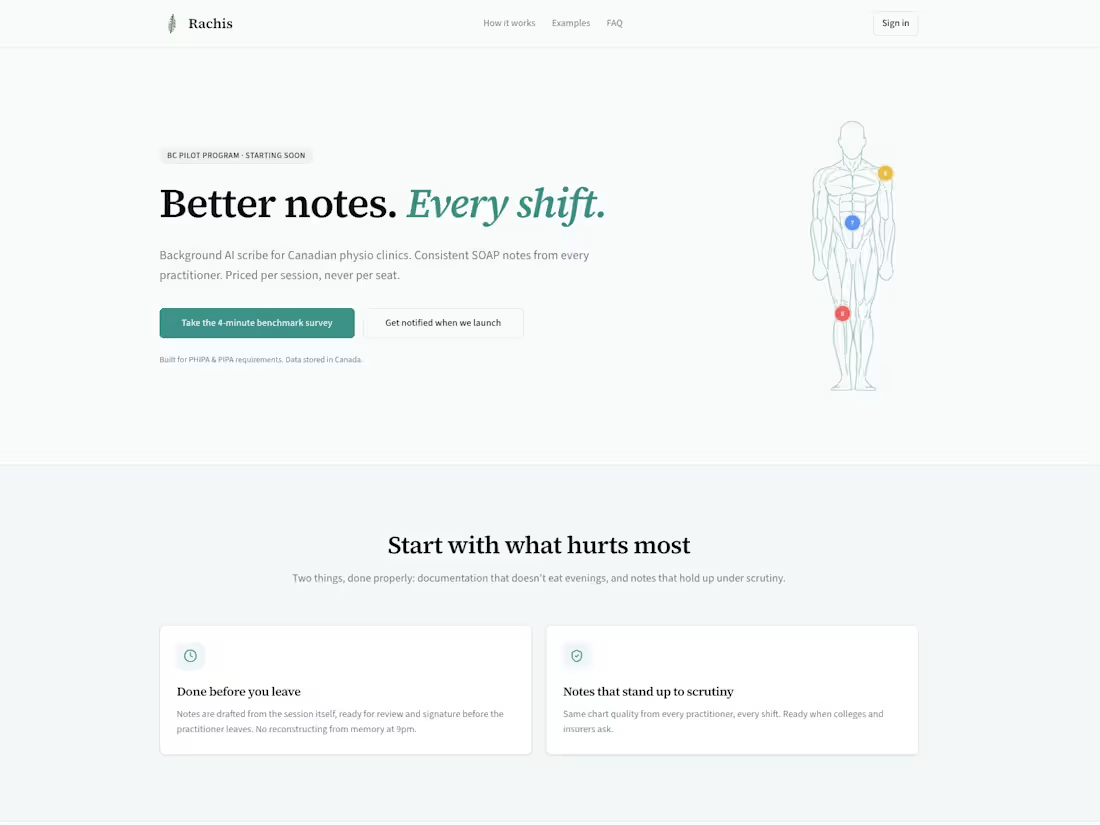
An AI documentation and patient engagement layer for Canadian physiotherapy clinics.
Physios lose 30–60 minutes a day to charting, and clinic owners bleed revenue from patient drop-off mid-treatment-plan. The existing system of record (Jane, the dominant Canadian practice management tool) handles scheduling and billing well but is a passive store — there's no intelligence layer between the session and the chart, or between visits.
Rachis sits alongside Jane rather than replacing it. A clinician records a session; the product produces a structured SOAP note and an editable body chart with pain locations rendered on an anatomical diagram. The clinician reviews, edits, and signs. From there, the same session feeds personalized home exercise prescription, patient-side adherence tracking, and clinic-owner visibility into associate documentation quality — the parts Jane was never going to build.
0
44
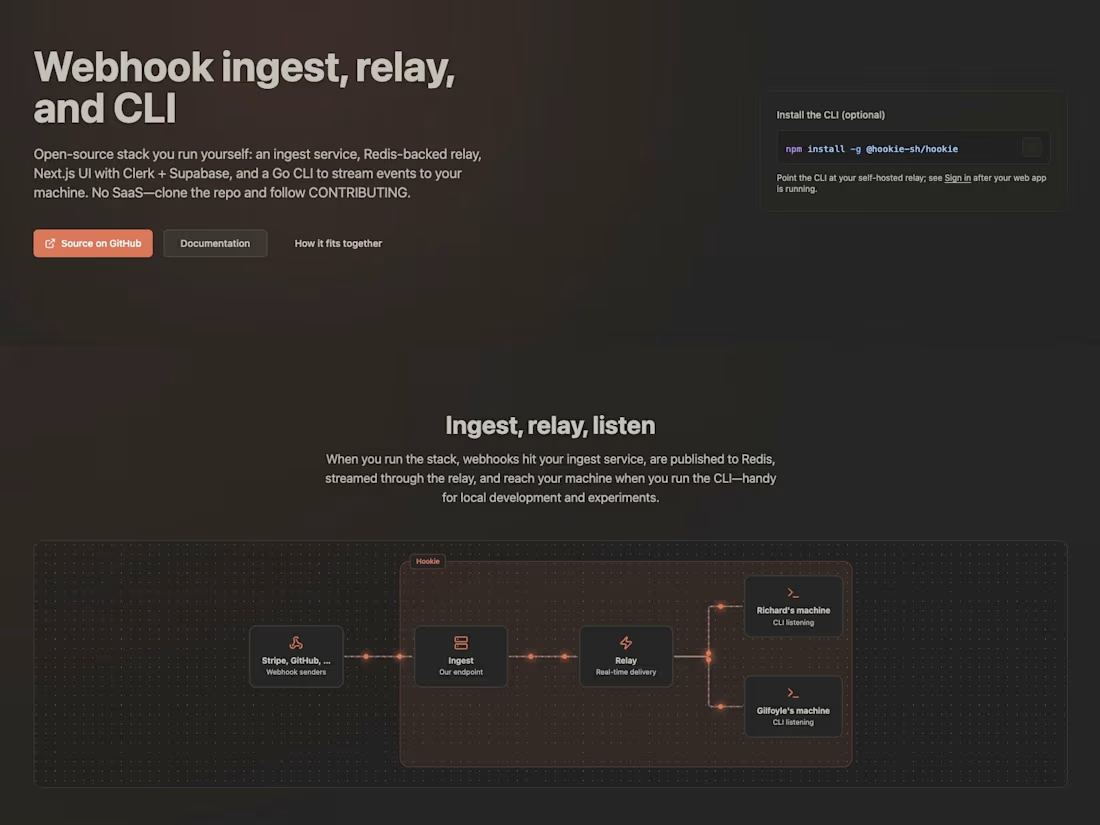
Development of Hookie: Open-Source Webhook Relay
0
5
AI Post-Incident Analysis Platform Development
0
6