
Stella marries
Data analyst aiming at drawing meaningful insights from data
New to Contra
Stella is building their profile!

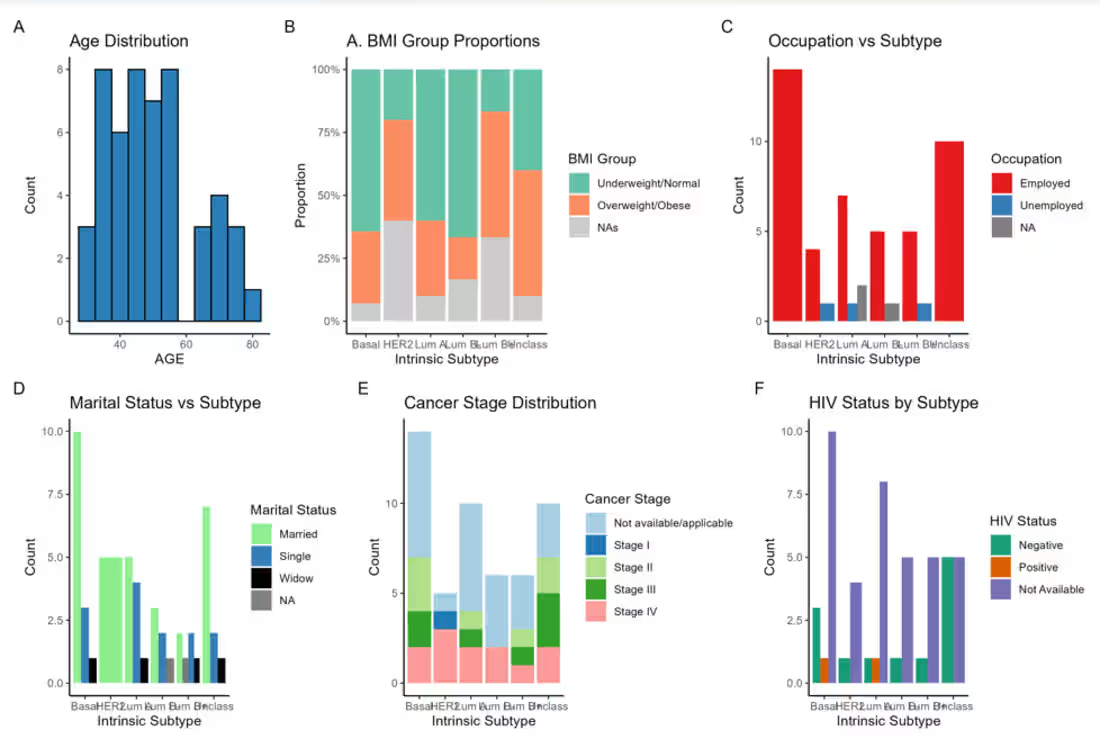
The study aims to describe the sociodemographic and lifestyle characteristics of breast cancer patients in Meru, examine the distribution of intrinsic breast cancer subtypes, and identify the clinical and demographic factors associated with these subtypes. In addition, the findings will be presented using appropriate visualizations, including plots, tables, and forest plots, to clearly communicate the results.
1
27
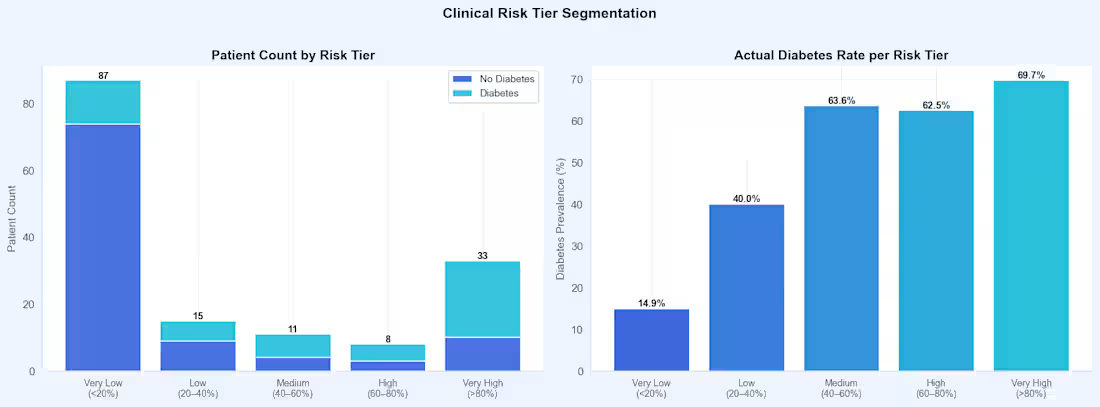
This project involved developing a machine learning pipeline to predict patient risk levels using structured clinical data. The workflow covered data cleaning, exploratory analysis, feature preparation, model training, and risk segmentation to identify patterns associated with disease outcomes. The system was designed to support data-driven clinical decision-making by transforming raw healthcare data into interpretable patient risk insights.
1
42
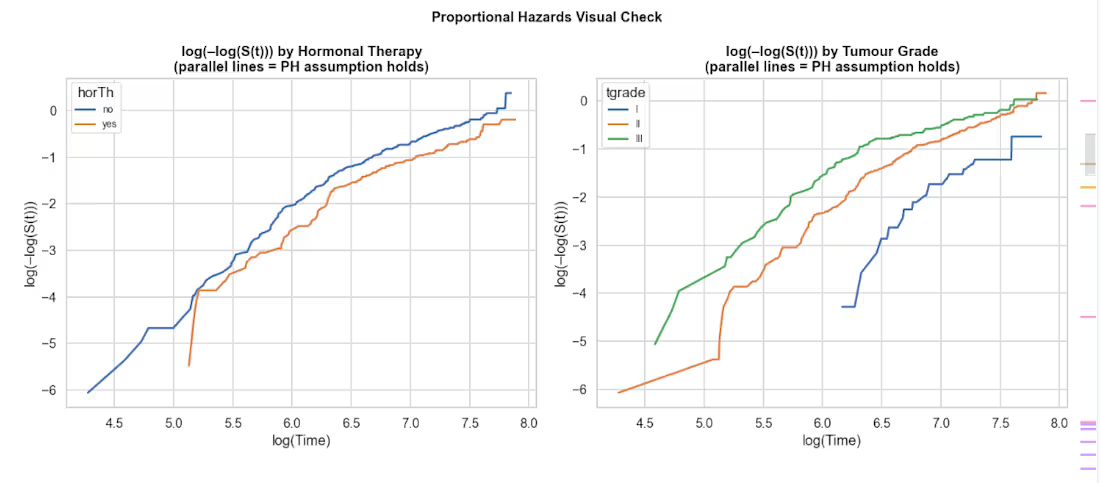
This project focused on disease outcome survival analysis using Kaplan–Meier survival curves and Cox proportional hazards models to evaluate how clinical factors influence patient survival over time. The analysis included proportional hazards assumption checks, survival probability estimation, and interpretation of risk patterns across variables such as hormonal therapy and tumor grade.
1
40
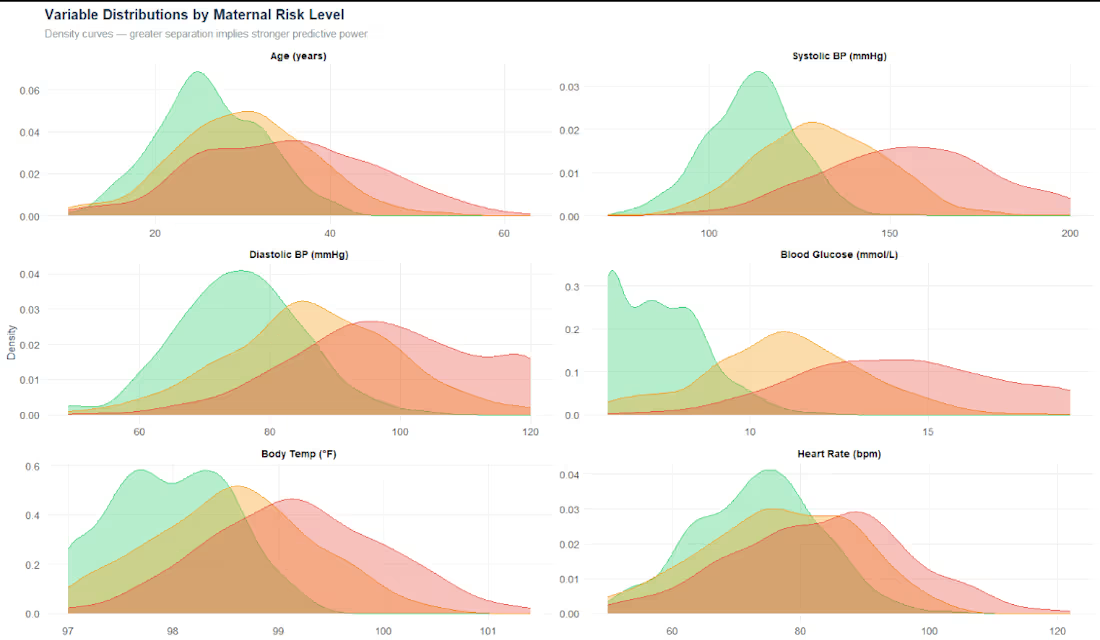
The project analyzes maternal health data patterns to identify the most correlated factors to health risks during pregnancy. It uses regression analysis to identify conditions or characteristics that increase levels of risk, with the aim of facilitating earlier intervention, better clinical decisions and better maternal outcomes.
1
37