
Souvik Dutta
Business Operations & Workflow Automation
New to Contra
Souvik is building their profile!

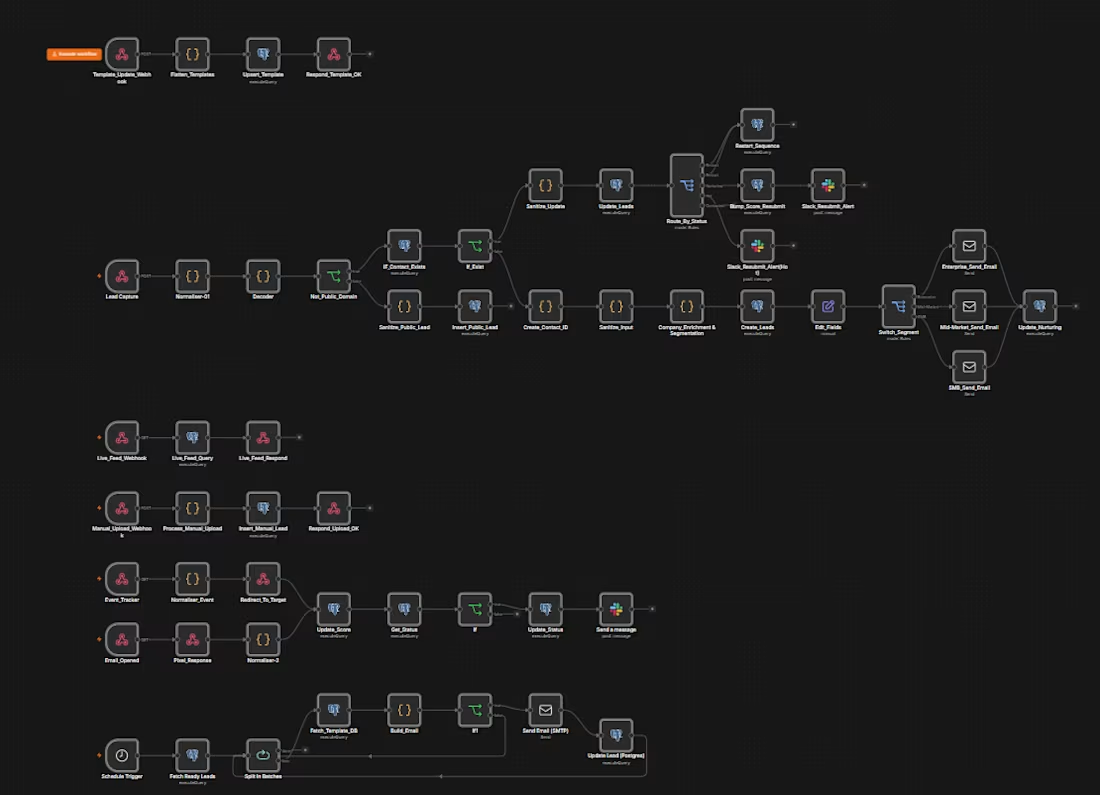
Just finished the final version of my 𝐂𝐑𝐌 𝐎𝐩𝐞𝐫𝐚𝐭𝐢𝐨𝐧𝐬 & 𝐂𝐮𝐬𝐭𝐨𝐦𝐞𝐫 𝐋𝐢𝐟𝐞𝐜𝐲𝐜𝐥𝐞 𝐀𝐮𝐭𝐨𝐦𝐚𝐭𝐢𝐨𝐧 𝐒𝐲𝐬𝐭𝐞𝐦.
The goal was to automate everything that happens after a lead enters the system—from lead capture and qualification to follow-ups, customer segmentation, and reporting—while keeping all customer data synchronized in one place.
𝐖𝐡𝐚𝐭 𝐢𝐭 𝐝𝐨𝐞𝐬:
Captures leads from multiple sources
Enriches and validates customer data
Segments leads based on business rules
Automates personalized email sequences
Sends Slack notifications for important events
Tracks customer engagement automatically
Maintains a centralized PostgreSQL CRM database
Provides operational dashboards through Metabase
Built using n8n, PostgreSQL, Metabase, REST APIs, AI, and Docker on a self-hosted cloud VPS.
The focus wasn't just building the automation. It was designing a CRM that keeps customer data synchronized, reduces manual work, and gives teams complete visibility into their sales operations.
0
5
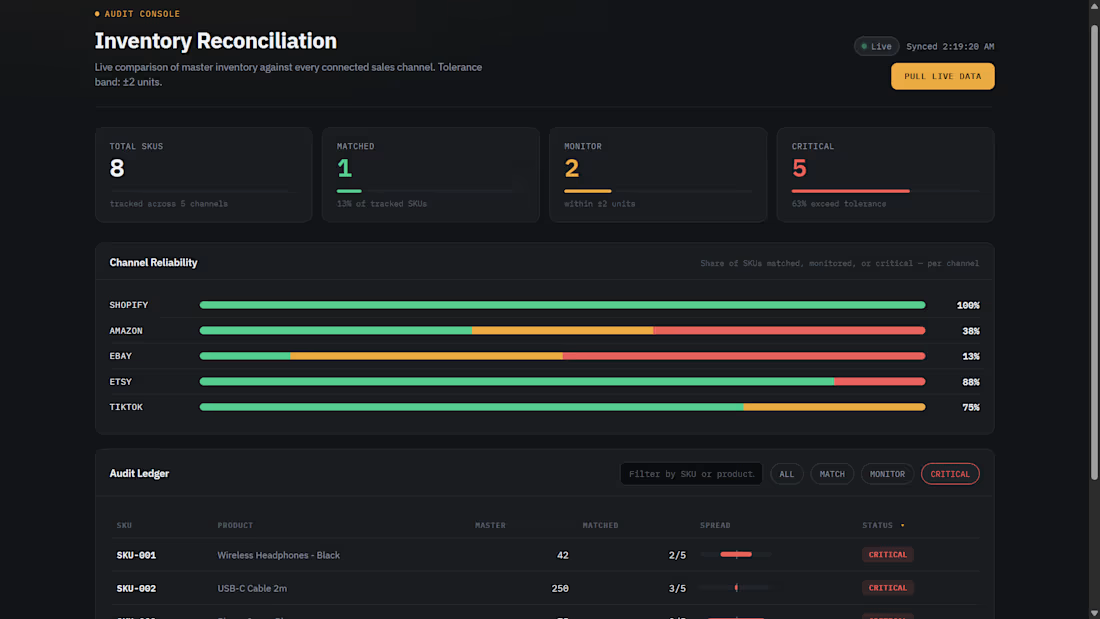
Just wrapped up the final version of my 𝐌𝐮𝐥𝐭𝐢-𝐂𝐡𝐚𝐧𝐧𝐞𝐥 𝐈𝐧𝐯𝐞𝐧𝐭𝐨𝐫𝐲 𝐑𝐞𝐜𝐨𝐧𝐜𝐢𝐥𝐢𝐚𝐭𝐢𝐨𝐧 𝐒𝐲𝐬𝐭𝐞𝐦.
The automation was done, but the dashboard didn't meet the standard I had in mind, so I redesigned it from scratch. The second iteration is much cleaner and focuses on what actually matters: visibility into inventory mismatches across sales channels.
𝐖𝐡𝐚𝐭 𝐢𝐭 𝐝𝐨𝐞𝐬:
Synchronizes inventory across multiple marketplaces
Compares channel inventory against the master inventory
Detects discrepancies automatically
Logs every reconciliation for auditing
Sends Slack alerts when mismatches are detected
Provides a centralized audit dashboard for monitoring
Built using n8n, PostgreSQL, and Docker on a self-hosted cloud VPS.
Sometimes the automation is the easy part. Building a dashboard people can understand at a glance takes even more iteration.
2
1
15
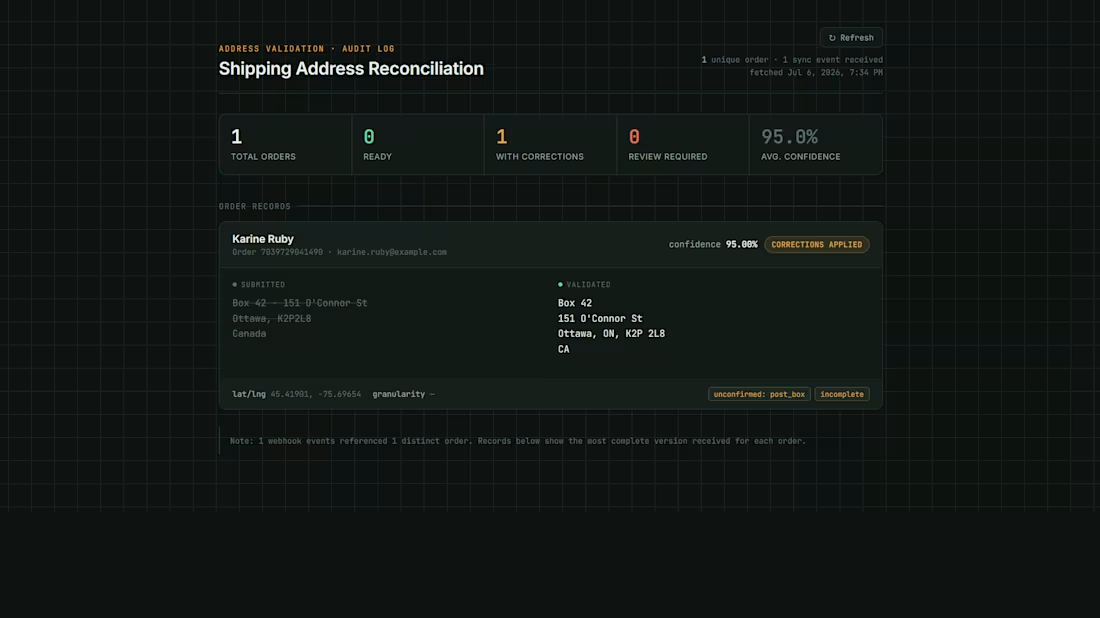
Just finished building an 𝗔𝘂𝘁𝗼𝗺𝗮𝘁𝗲𝗱 𝐏𝐨𝐬𝐭-𝐏𝐮𝐫𝐜𝐡𝐚𝐬𝐞 𝐀𝐝𝐝𝐫𝐞𝐬𝐬 𝐕𝐚𝐥𝐢𝐝𝐚𝐭𝐢𝐨𝐧 𝐒𝐲𝐬𝐭𝐞𝐦 for eCommerce.
A surprising number of shipping issues start with incomplete or inaccurate customer addresses. Instead of letting bad orders reach the warehouse, this workflow validates every shipping address immediately after payment and decides whether the order is ready for fulfillment or needs manual review.
I built this workflow using the Shopify API, but the workflow architecture can be adapted to virtually any eCommerce platform. My goal is to make the concepts and implementation accessible so anyone can learn from them and build their own version.
𝐖𝐡𝐚𝐭 𝐢𝐭 𝐝𝐨𝐞𝐬:
• Triggers automatically when a Shopify order is paid.
• Validates shipping addresses using the Google Maps Address Validation API.
• Assigns a confidence score and validation status.
• Stores validation logs and address history in PostgreSQL.
• Routes valid orders directly to the warehouse.
• Sends Slack alerts for orders requiring manual review.
• Provides a centralized dashboard for tracking validation results.
Built using n8n, Shopify, Google Maps API, PostgreSQL, Slack, and Docker on a self-hosted VPS.
One part I particularly enjoyed building was the decision logic. Not every address should be handled the same way—some can be corrected automatically, while others genuinely require human review. Finding the right balance between automation and manual intervention makes the workflow far more reliable.
0
13