
Santiago Gonzalez
Engineering FP&A systems with custom AI Logic
Ready for work
Santiago is ready for their next project!


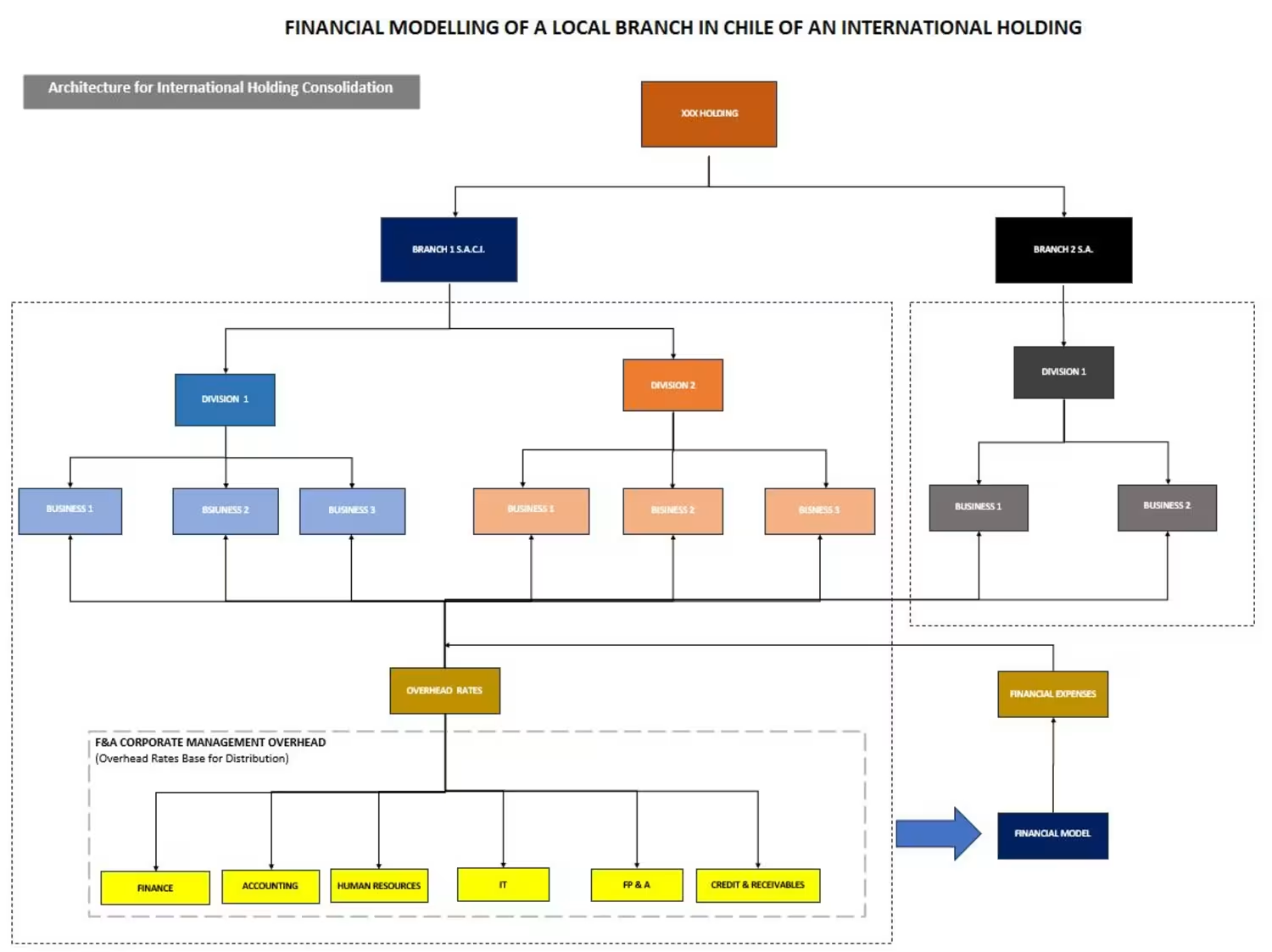
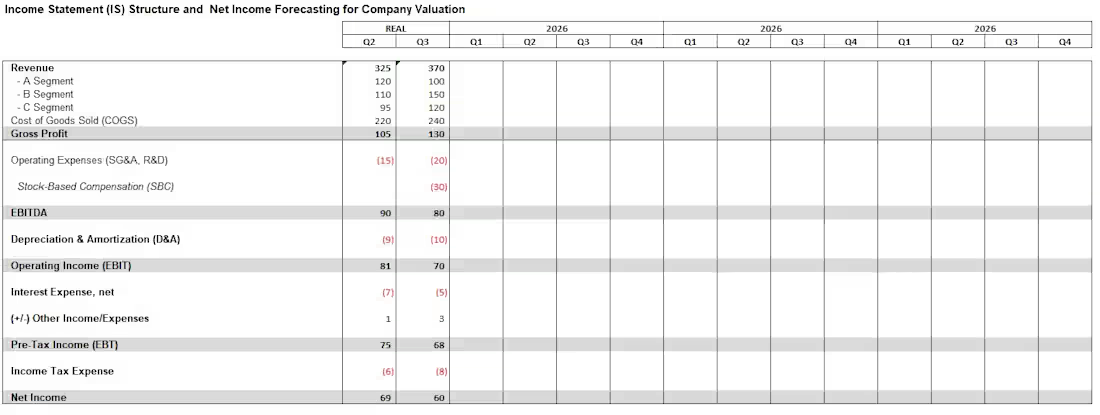
Multi-Year Quarterly Forecasting Framework
Technical Summary:
Time-Series Architecture: Developed a scalable 5-year forecasting horizon using a quarterly periodicity to capture business seasonality and cyclical revenue trends.
Dynamic Modeling Structure: Engineered the framework to transition from "Actuals" (Real) to "Projected" periods, allowing for immediate variance analysis and rolling forecast updates.
Driver-Based Revenue Build: Structured the top-line to be driven by segment-specific assumptions, enabling granular sensitivity analysis for different business units.
Institutional Formatting: Designed the workbook with a professional, audit-ready layout that follows standard financial modeling best practices for clarity and navigation.
1
91
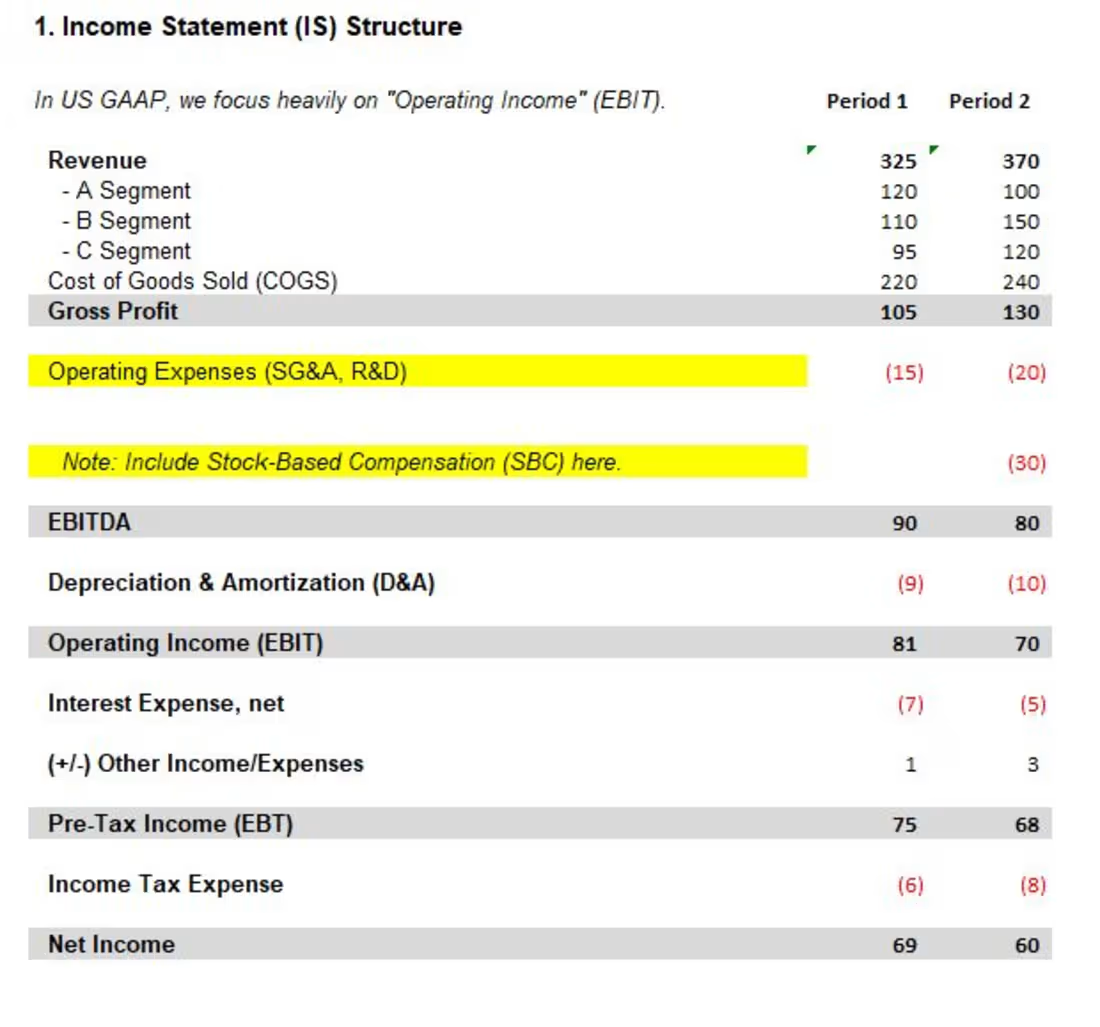
Segment-Level Revenue & OpEx Build
Technical Summary:
Granular Forecasting: Built a revenue model broken down by business segment (A, B, and C) to allow for specific growth and margin assumptions for different product lines.
Profitability Drivers: Analyzed the bridge from Revenue (370) to EBITDA (80), incorporating variable Cost of Goods Sold (COGS) and fixed Operating Expenses.
SBC Integration: Correctly identified and categorized Stock-Based Compensation (30) within Operating Expenses to allow for proper non-cash reconciliation in the valuation phase.
Margin Analysis: Structured the statement to highlight Operating Income (EBIT) as the primary indicator of core business performance before interest and tax effects.
0
75
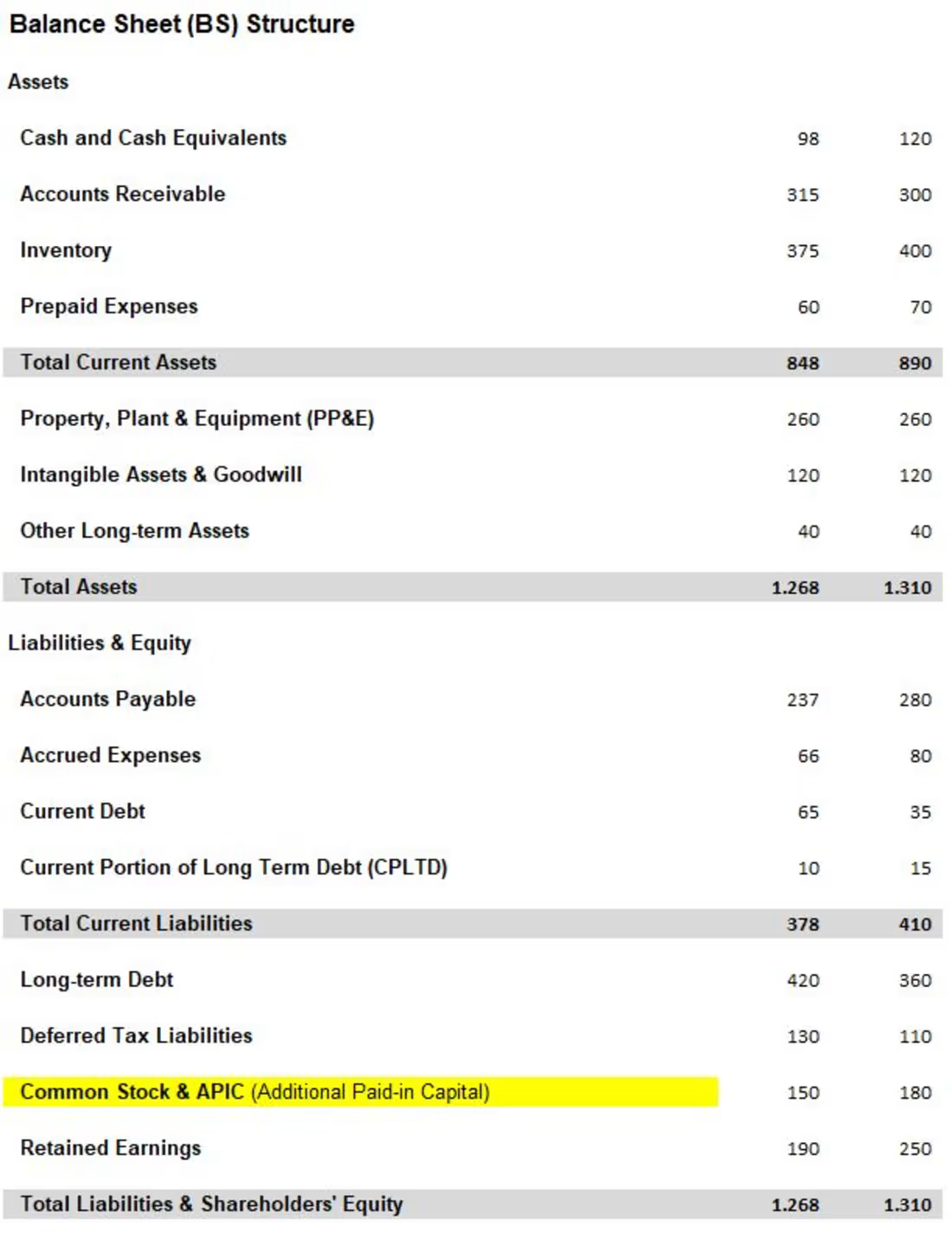
Dynamic Debt & Liquidity Schedule
Updated Technical Summary:
Debt Reclassification: Implemented a US GAAP-compliant structure that reclassifies long-term liabilities into the Current Portion of Long-Term Debt (CPLTD) as they approach maturity.
Liquidity Analysis: Designed the Current Liabilities section to distinguish between operational credit (Revolvers) and structural principal payments, providing a more accurate Current Ratio.
Model Integrity: Tied the debt balances directly to the Financing section of the Cash Flow Statement, ensuring that every dollar of repayment or issuance is accounted for in the cash "tie."
Advanced "Plug" Logic: Set the foundation for a dynamic cash sweep where short-term debt acts as a buffer to maintain a positive cash balance during low-liquidity quarters.
0
93
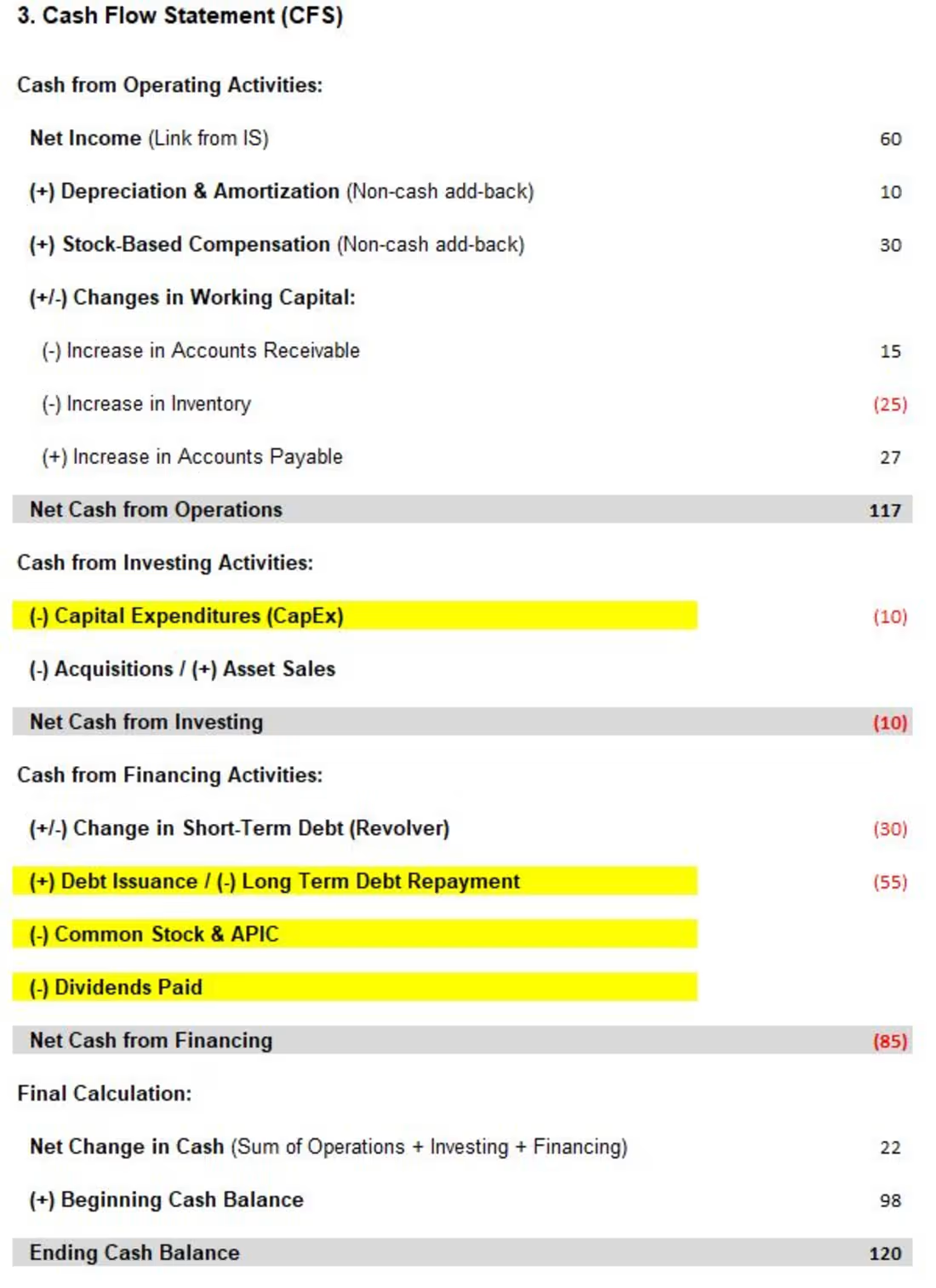
Integrated 3-Statement US GAAP Skeleton
Interconnected Mechanics: This project demonstrates a fully integrated financial model where the Income Statement (IS) feeds the Balance Sheet (BS) and Cash Flow Statement (CFS).
Balance Sheet Accuracy: The BS follows the strict order of liquidity (Current vs. Long-term) and includes key reconciliations for Common Stock and APIC.
Cash Flow Engine: The CFS uses the Indirect Method to bridge Net Income to the Ending Cash Balance, ensuring the "Cash Tie" matches the BS exactly.
Key Accounting Logic: Features non-cash add-backs for Stock-Based Compensation (SBC) and Depreciation to provide an accurate picture of operational liquidity.
17
286