
Saadaan Hassan
AI SaaS & MVP builder for startups
New to Contra
Saadaan is ready for their next project!

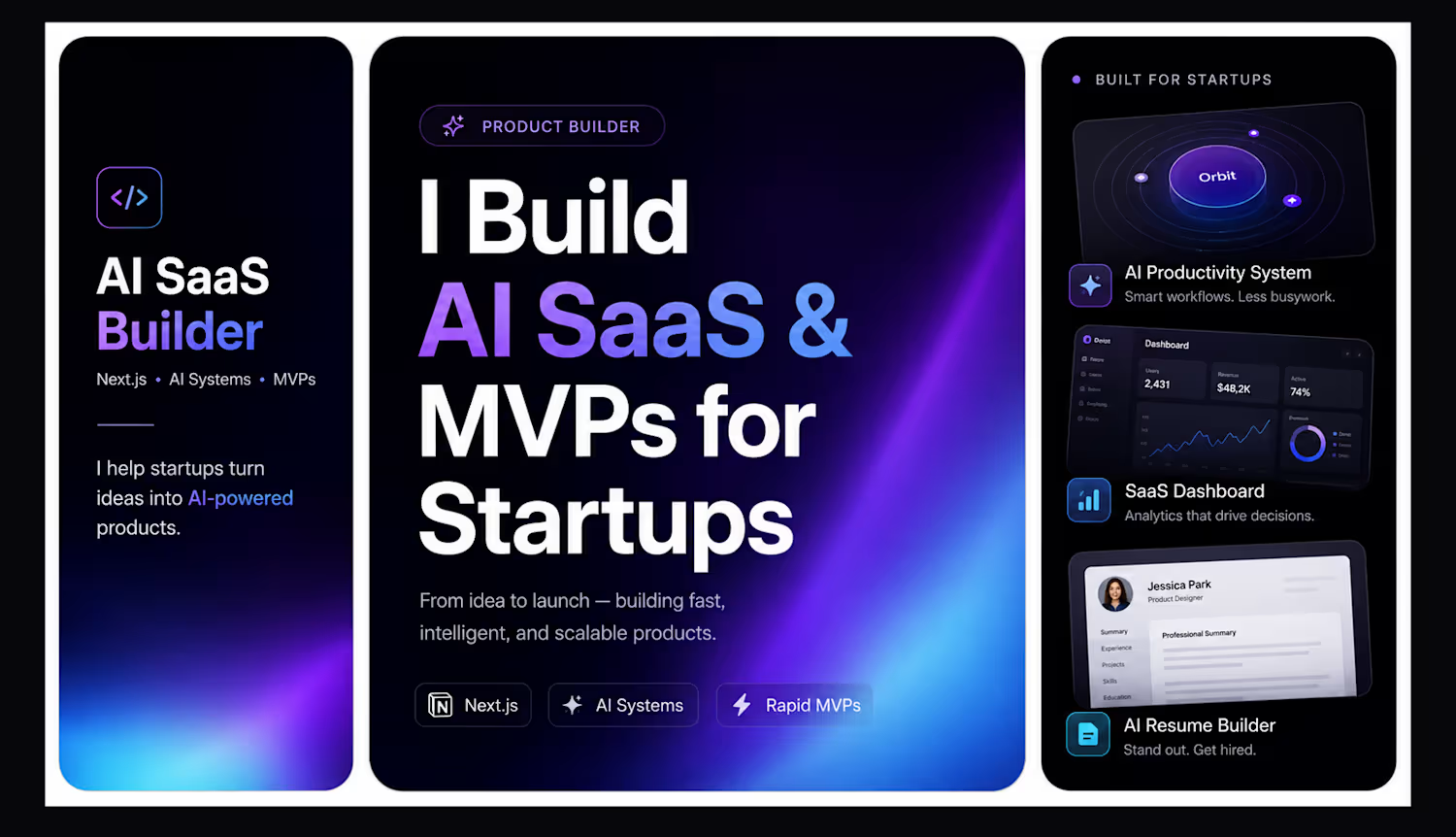
I rebuilt my portfolio into a product experience, not a static page.
Most dev portfolios just list projects. I focused on:
→ Case studies over project lists
→ Decisions, trade-offs, and thinking
→ A UX that feels like a product, not a page
Then I added an AI layer on top.
Now you can explore my work interactively, ask questions, understand context, and see how I think.
Built with Next.js, Groq, and Vercel.
This is the same approach I bring to client work:
→ Product-first engineering
→ Interactive web experiences
→ Fast, clean MVP execution
If you’re building a SaaS or AI product, I can help you ship this kind of experience.
0
82
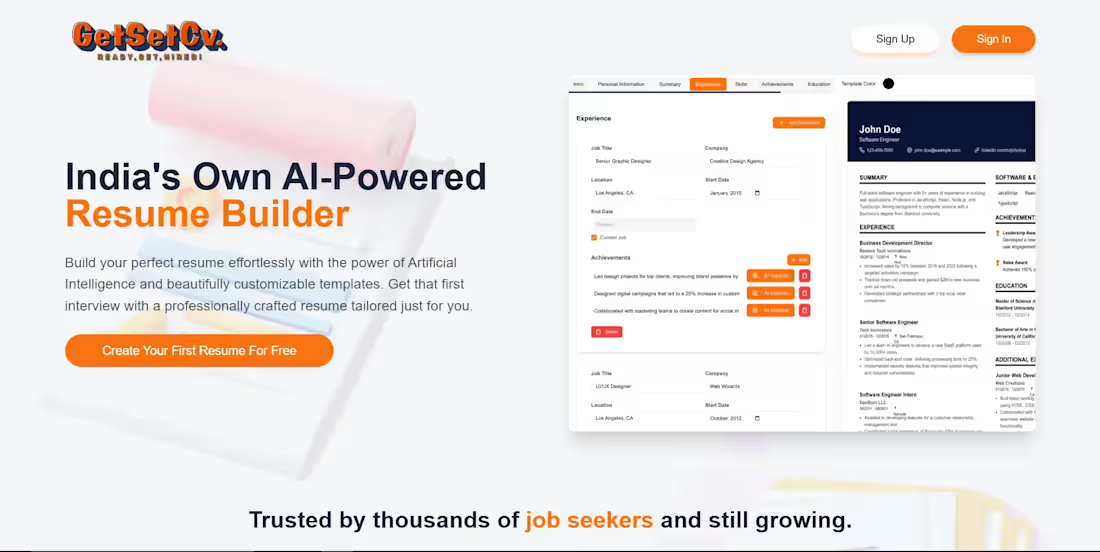
AI-Powered Resume Builder Development for GetSetCV
0
9
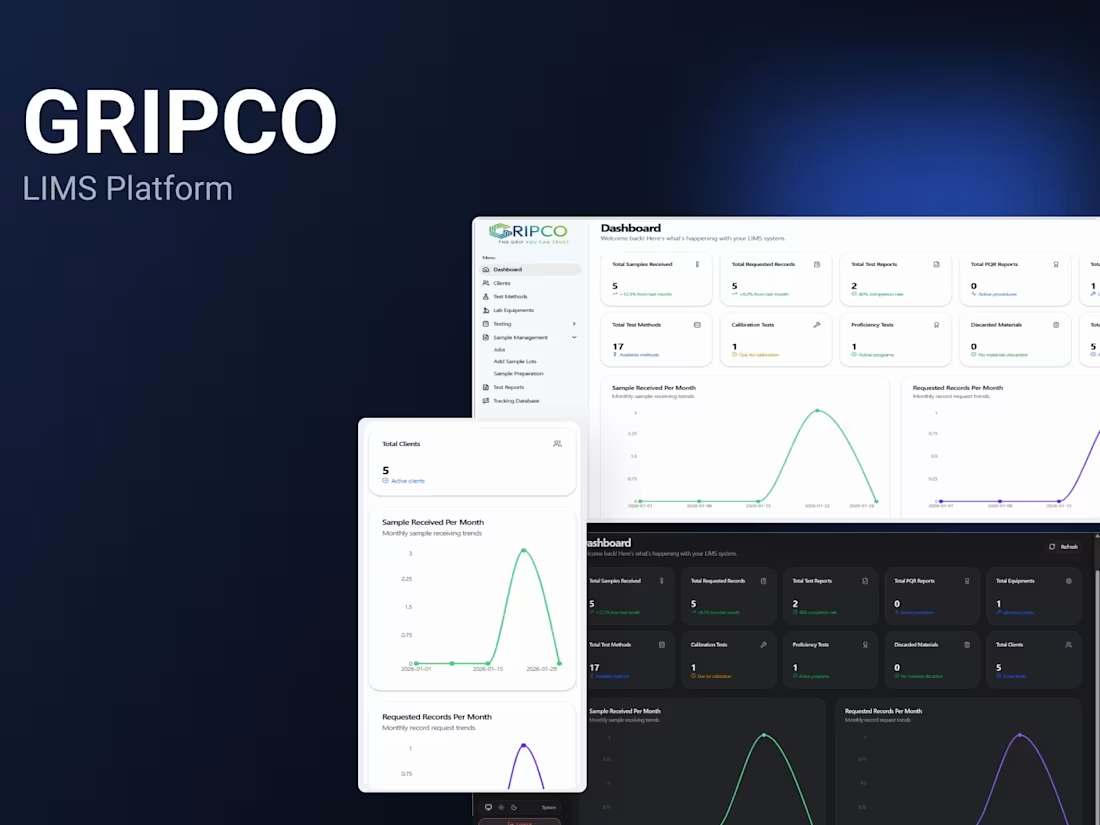
Development of Gripco LIMS Platform
0
6
I recently implemented Strapi in a client project to solve a simple but expensive problem:
Content updates were too dependent on developers.
Every small change required:
→ backend updates
→ schema changes
→ frontend adjustments
This slowed down both the team and the client.
So instead of building a custom admin system from scratch, I used Strapi as a content layer.
It allowed:
→ dynamic page creation
→ reusable content blocks
→ client-controlled updates
→ faster iteration without code changes
Not every project needs this approach.
For highly custom systems, a traditional backend still makes more sense.
But for content-heavy websites where flexibility matters, it removes a lot of unnecessary engineering overhead.
0
83