
pro
Prateep Roy
Ghostwriter for Founders & CXOs | Books, Thought Leadership
Ready for work
Prateep is ready for their next project!

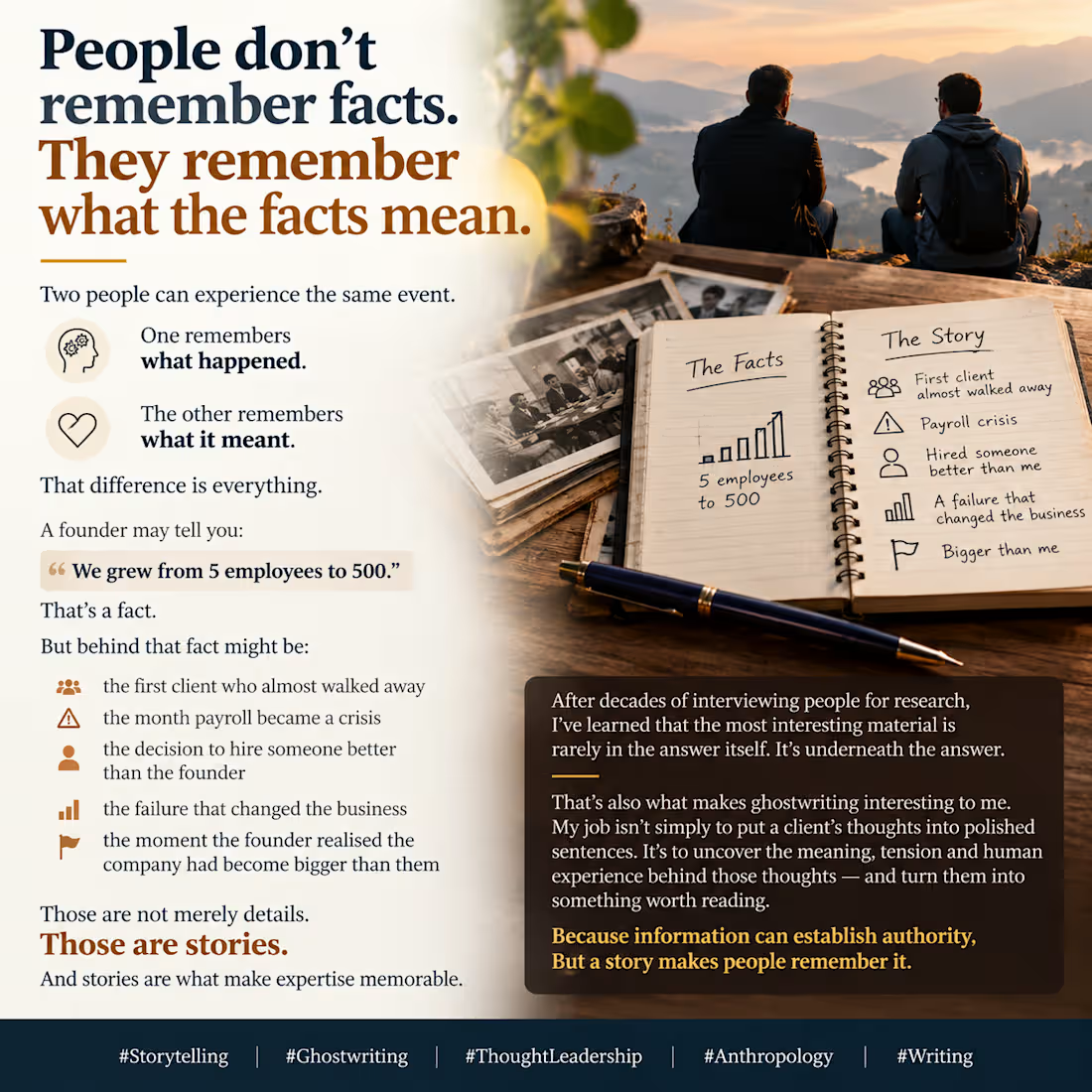
People don't remember facts. They remember what
the facts mean.
This is something anthropology taught me long
before I started writing for founders.
Two people can experience the same event. One
remembers what happened. The other remembers what it meant. That difference is
everything.
A founder may tell you: “We grew from 5
employees to 500.” That's a fact.
But behind that fact might be: The first client
who almost walked away, the month payroll became a crisis, the decision to hire
someone better than the founder, the failure that changed the business, the
moment the founder realised the company had become bigger than them.
Those are not merely details. Those are
stories.
And stories are what make expertise memorable. After
decades of interviewing people for research, I've learned that the most
interesting material is rarely in the answer itself. It's underneath the
answer.
That's also what makes ghostwriting interesting
to me.
My job isn't simply to put a client's thoughts
into polished sentences. It's to uncover the meaning, tension, and human
experience behind those thoughts and turn them into something worth
reading.
Because information can establish authority. But
a story makes people remember it.
0
12
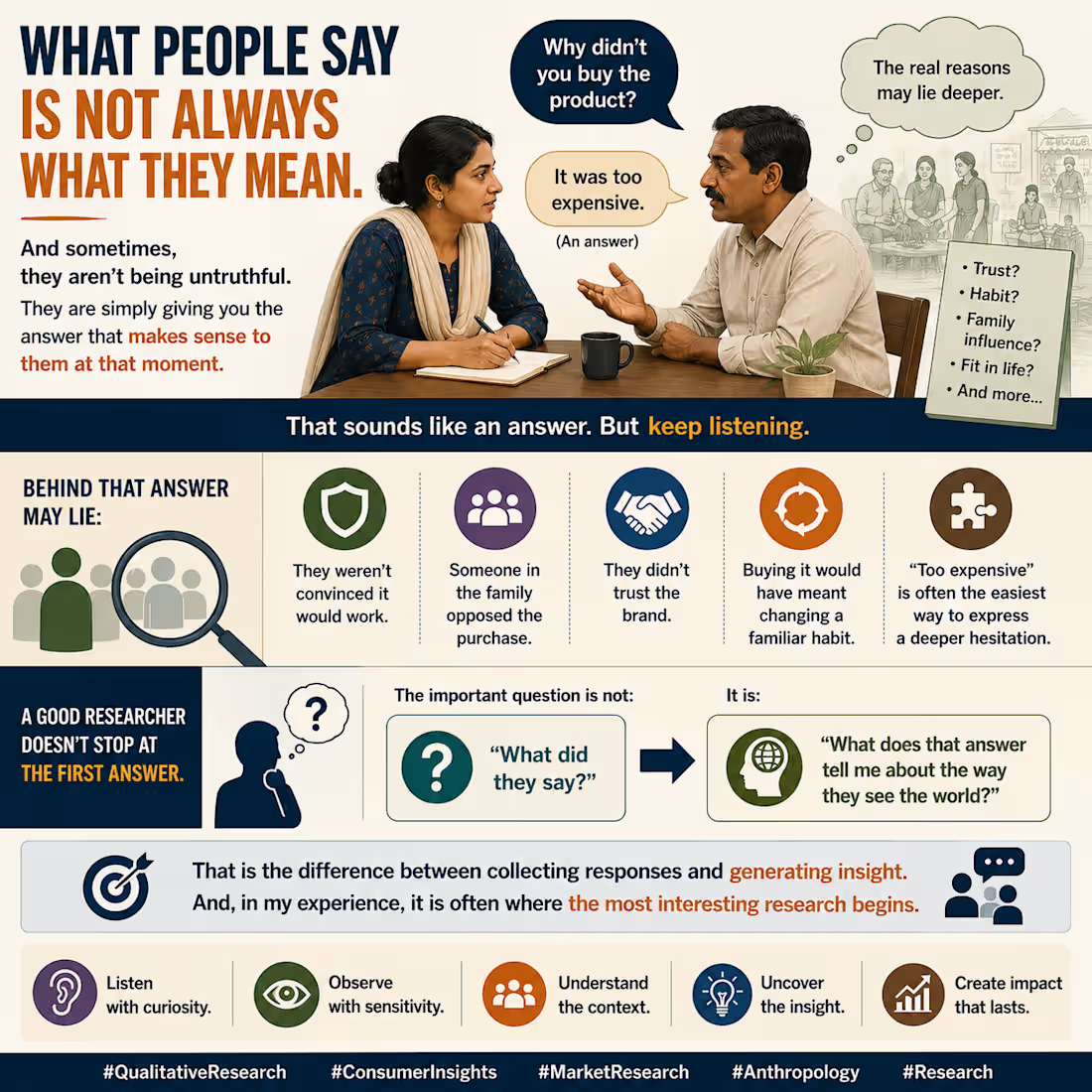
What people say is not always what they mean.
And sometimes, they aren't being untruthful. They
are simply giving you the answer that makes sense to them at that moment.
Ask someone why they didn't buy a product. They
may say: "It was too expensive."
That sounds like an answer. But keep listening.
Perhaps they weren't convinced it would work, or someone in the family opposed
the purchase, or they didn't trust the brand, or buying it would have meant
changing a familiar habit, or perhaps “too expensive” is simply the easiest way
of expressing a much more complicated hesitation.
This is where a good researcher has to resist
the temptation to stop at the first answer.
The important question is often not: “What
did they say?” It is: “What does that answer tell me about the way they
see the world?”
That is the difference between collecting
responses and generating insight. And, in my experience, it is often where the
most interesting research begins.
0
28
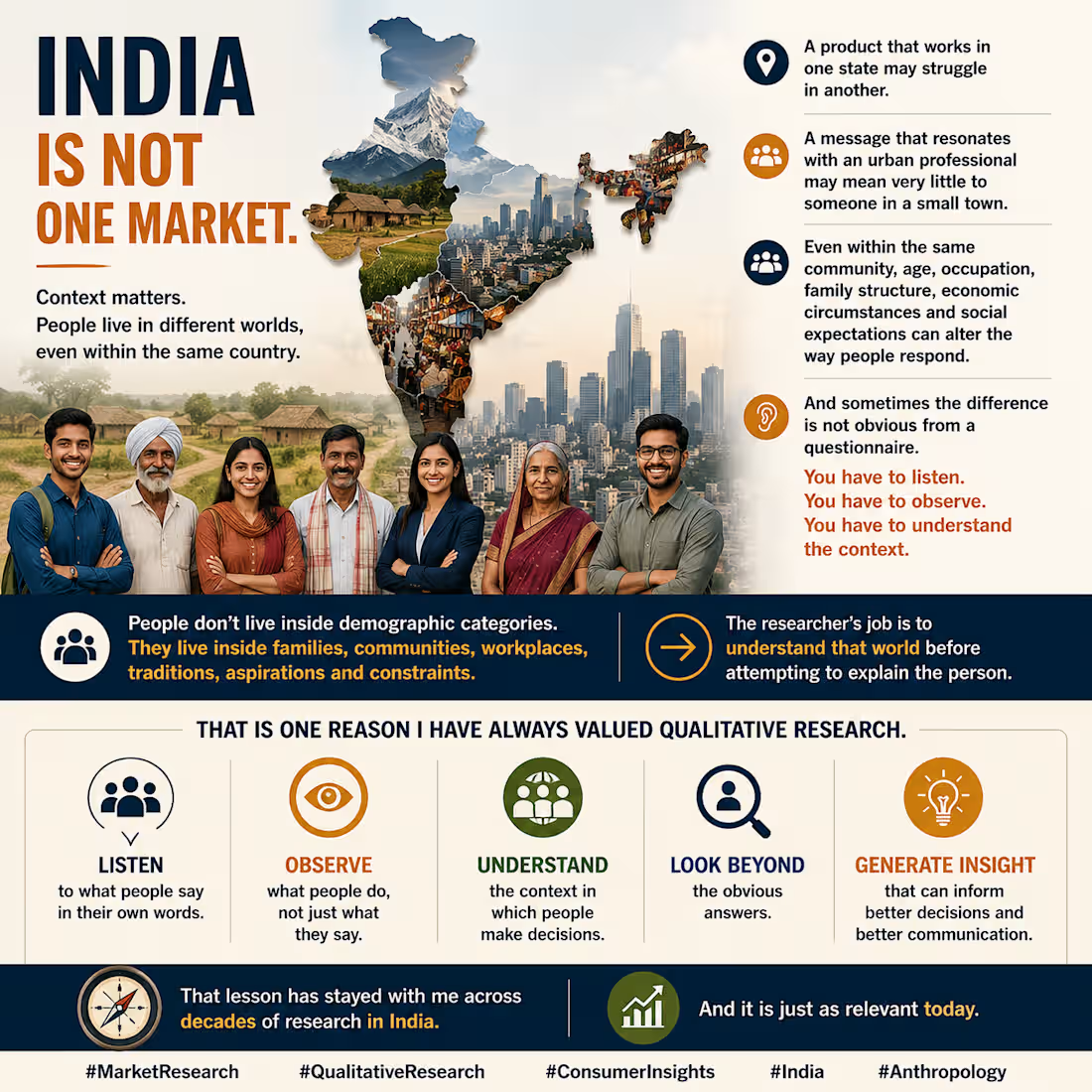
India is not one market.
It is tempting to speak about “the Indian
consumer” as though there were a single set of aspirations, attitudes, and
behaviors.
There isn't.
The India I have encountered through research
has repeatedly reminded me that context matters. A product that works in one
state may struggle in another. A message that resonates with an urban
professional may mean very little to someone in a small town.
Even within the same community, age,
occupation, family structure, economic circumstances, and social expectations
can alter the way people respond.
And sometimes the difference is not obvious
from a questionnaire. You have to listen. You have to observe. You have to
understand the context in which people make decisions.
This is one reason I have always valued
qualitative research. People don't live inside demographic categories. They
live inside families, communities, workplaces, traditions, aspirations, and
constraints.
The researcher’s job is to understand that
world before attempting to explain the person. That lesson has stayed with me
across decades of research in India.
And it is just as relevant today.
0
39

I help founders, CXOs, consultants, and subject-matter experts turn their experience and expertise into compelling non-fiction books.
My process includes interviews, research, analysis of existing materials, book architecture, chapter development, narrative flow, writing, revision, and manuscript refinement—all while preserving the author’s authentic voice.
Skills: Ghostwriting, Book Writing, Interviewing, Research, Manuscript Development
0
35