
Paul Schultz
Product designer gone mad scientist inventor!!!
New to Contra
Paul is ready for their next project!
Patient Safety Incident Reporting System
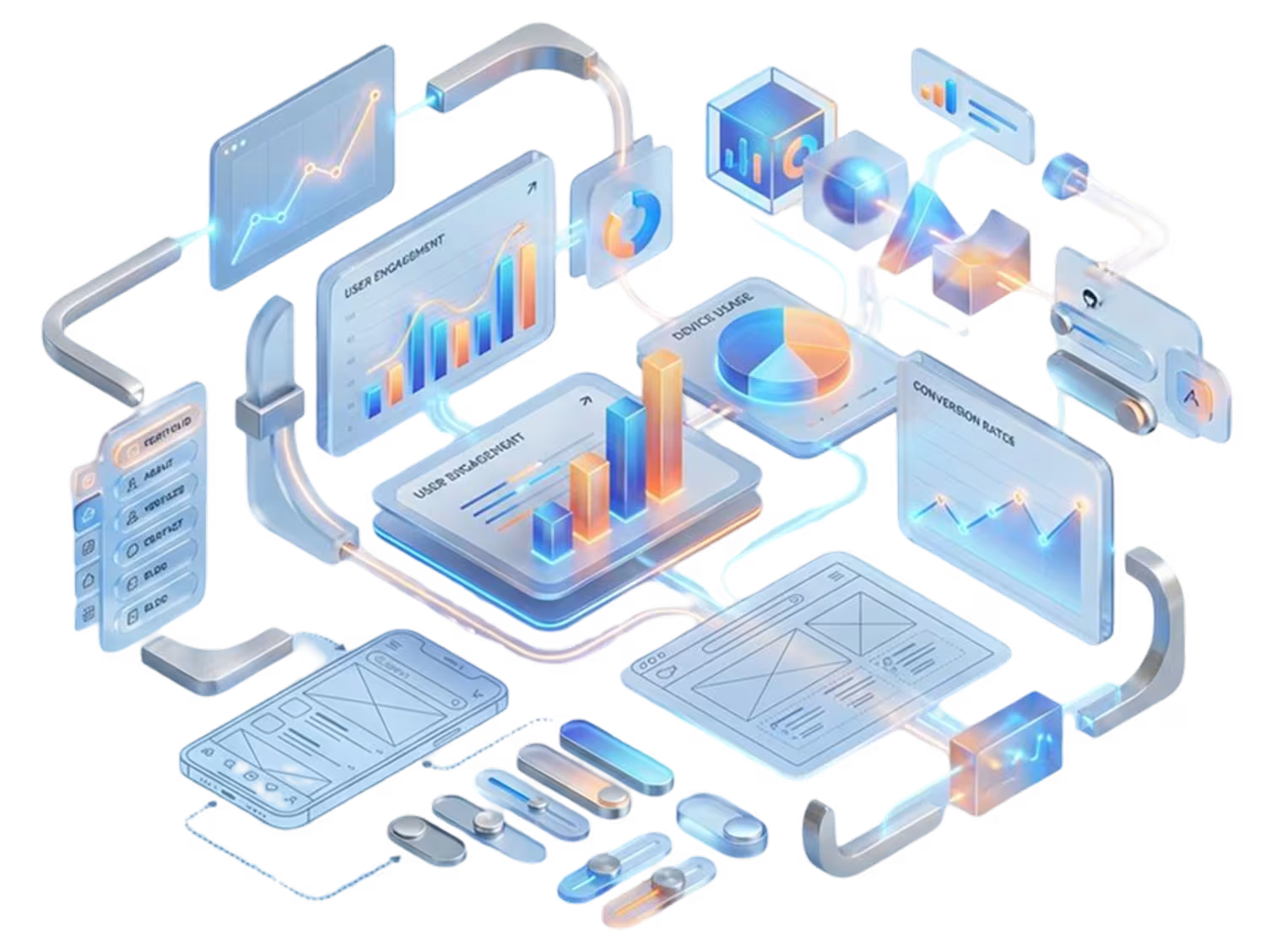
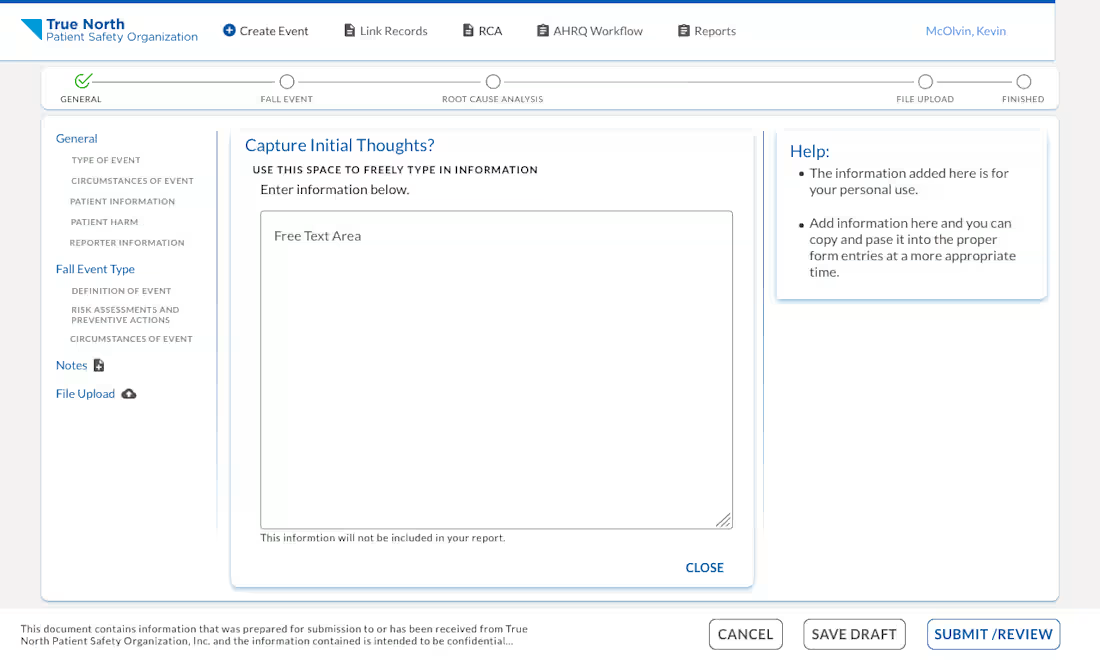
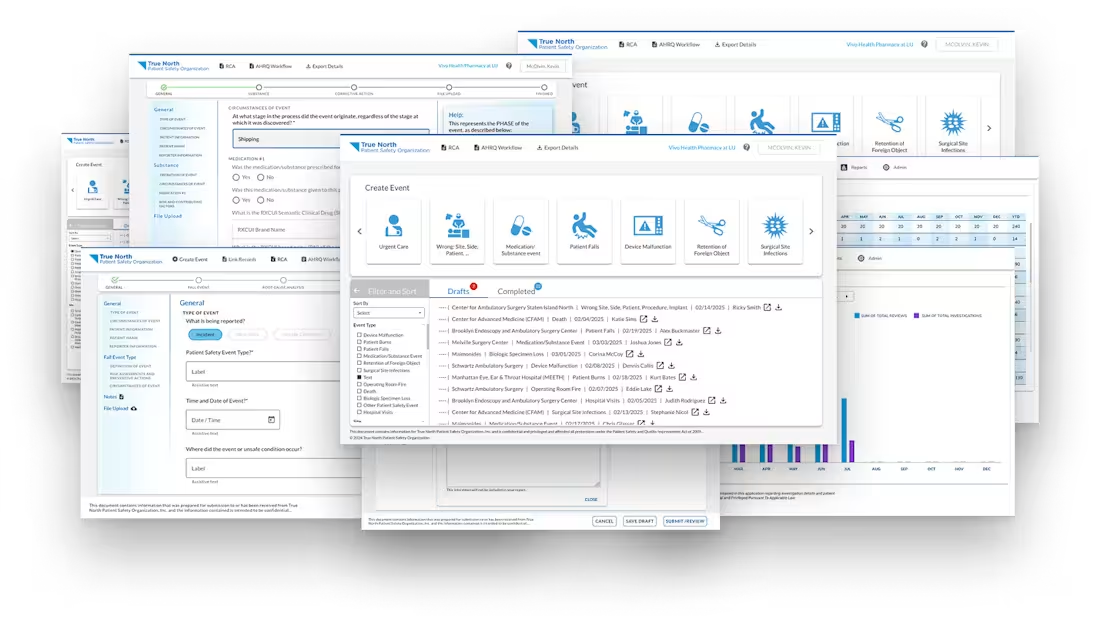
Patient safety reporting at Northwell Health was spread across Jira tickets, email attachments, and an Access database. Reports were often duplicated, supporting documents were difficult to locate, and staff had limited visibility into ownership and resolution status. I led the design of a centralized reporting platform that supported the full incident lifecycle across 20 hospitals.
As lead designer, I owned the UX and visual design from discovery through validation. I interviewed clinicians, patient safety leaders, and operational teams to understand how incidents were reported, reviewed, escalated, and resolved. I mapped the fragmented process, defined the needs and permissions of each user group, and designed guided reporting flows that balanced fast submission with structured data capture. I also facilitated a five-day design sprint to align clinical, product, engineering, and compliance partners before development.
The final platform gave frontline staff a faster way to submit incidents and allowed multiple contributors to work from one shared report. Automated reminders, visible status tracking, and structured data helped reviews move forward while giving leadership a clearer view of trends and recurring risks. The system reduced duplicate reporting, improved staff adoption, and created a more reliable foundation for learning from safety events and near misses.
0
33
AI Chatbot for Post-Discharge Patient Monitoring
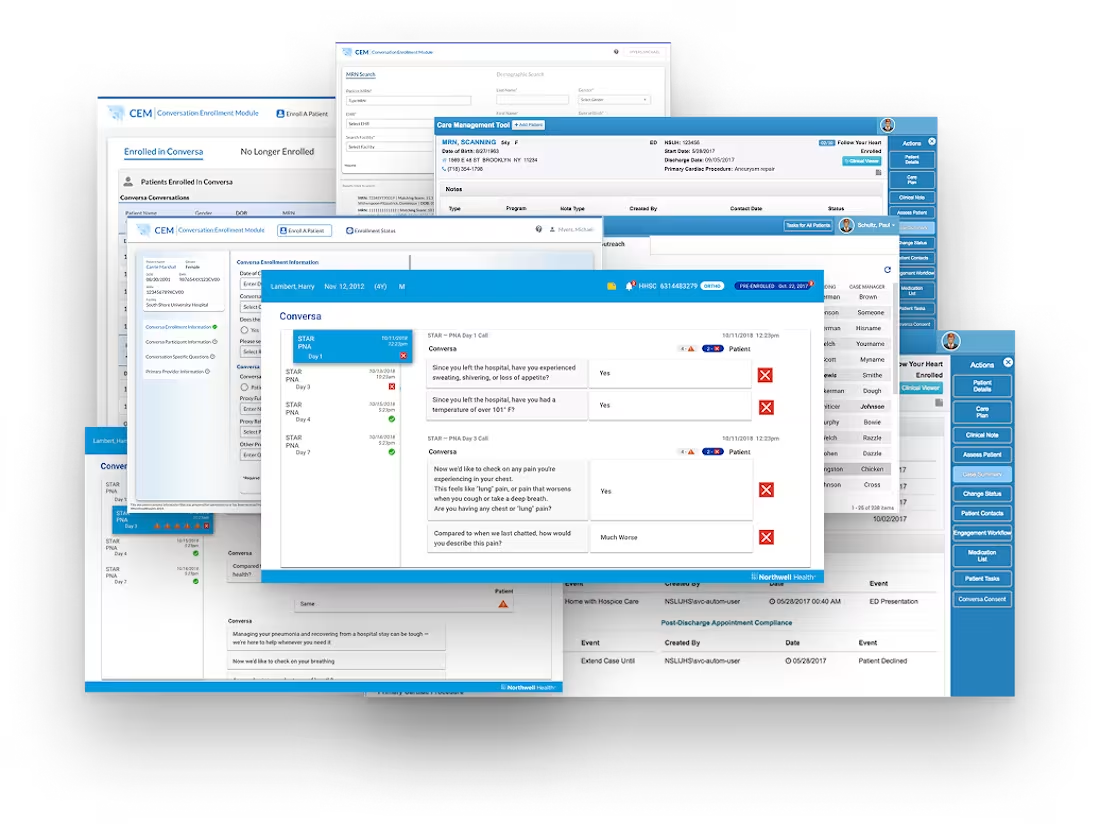
Post-discharge monitoring at Northwell Health relied on scheduled phone calls, which meant changes in a patient’s condition could go unnoticed between check-ins. I led the design of a Conversa-powered chatbot and clinician dashboard that collected daily recovery information, identified concerning symptoms, and helped care teams focus on patients who needed immediate attention.
As lead designer, I owned the UX and visual design from discovery through delivery. I worked with clinicians and care managers to map recovery workflows, escalation paths, and existing outreach scripts. I designed the chatbot conversations to capture structured symptom data and patient sentiment without creating survey fatigue. I also helped define alert thresholds and designed a clinician dashboard that summarized patient status, recent changes, and escalation history, allowing care managers to act without reading every conversation transcript.
The system captured more than 3,200 patient recovery data points each week and routed over 450 critical alerts per month. It reduced manual nurse follow-up calls by 65 percent and contributed to a 28 percent reduction in 30-day readmissions. The project showed how conversational AI can support clinical teams when patient signals are captured early, presented clearly, and connected to a reliable escalation process.
0
37
Patient Caseload Management System
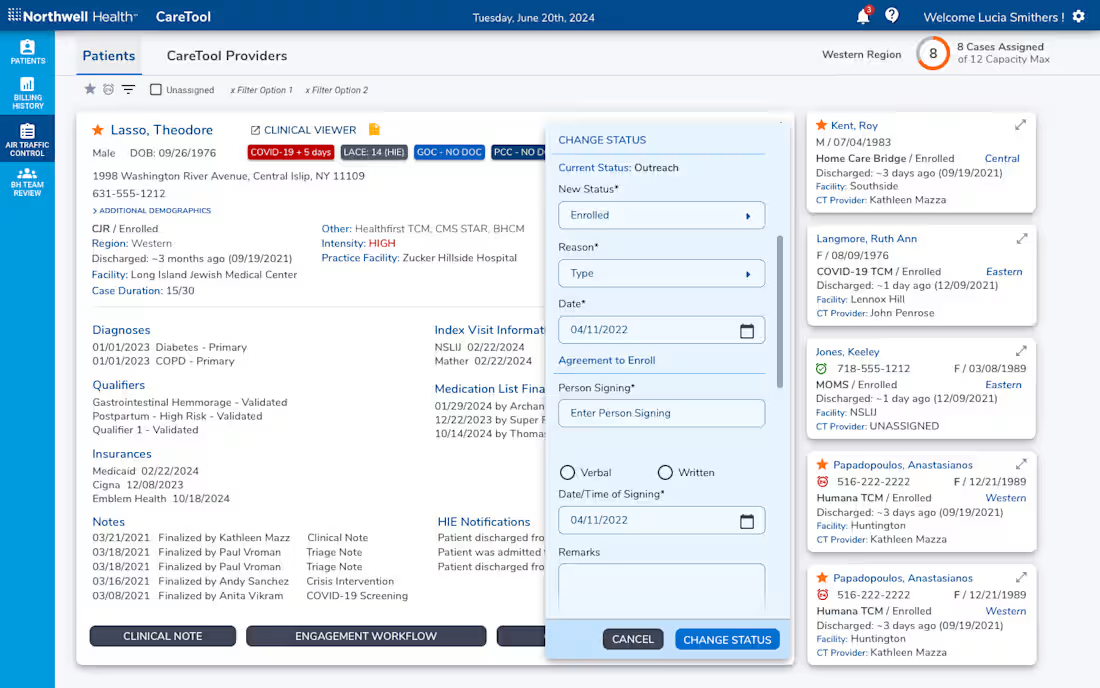
Post-discharge follow-up at Northwell Health relied on Excel files, SharePoint folders, and a shared email list. Care managers had no reliable way to see who was responsible for each patient, what follow-up had been completed, or which cases needed urgent attention. Shift changes often caused lost context, duplicated work, and missed calls.
As lead designer, I owned the UX and visual design from discovery through validation. I interviewed and shadowed care managers across facilities and shifts, mapped the existing process, and identified the breakdowns affecting ownership and continuity. I used those findings to design and test a centralized platform with shared documentation, clear caseload ownership, defined escalation paths, and consistent handoffs between teams. I also partnered with engineering, data, and compliance teams to address technical constraints, access controls, and the handling of sensitive patient information.
The platform replaced the fragmented workflow and was rolled out across Northwell’s call centers. Missed calls caused by process breakdowns dropped to zero, follow-up documentation improved, and care teams gained a clearer view of urgent cases and daily workload. The result was a more reliable system that allowed care managers to spend less time checking multiple tools and more time supporting patients.
0
33
Featured Work
0
5