
Patricia Mejia
Editorial Director & Cultural Storyteller | Luxury, Heritage
- 1
- Followers

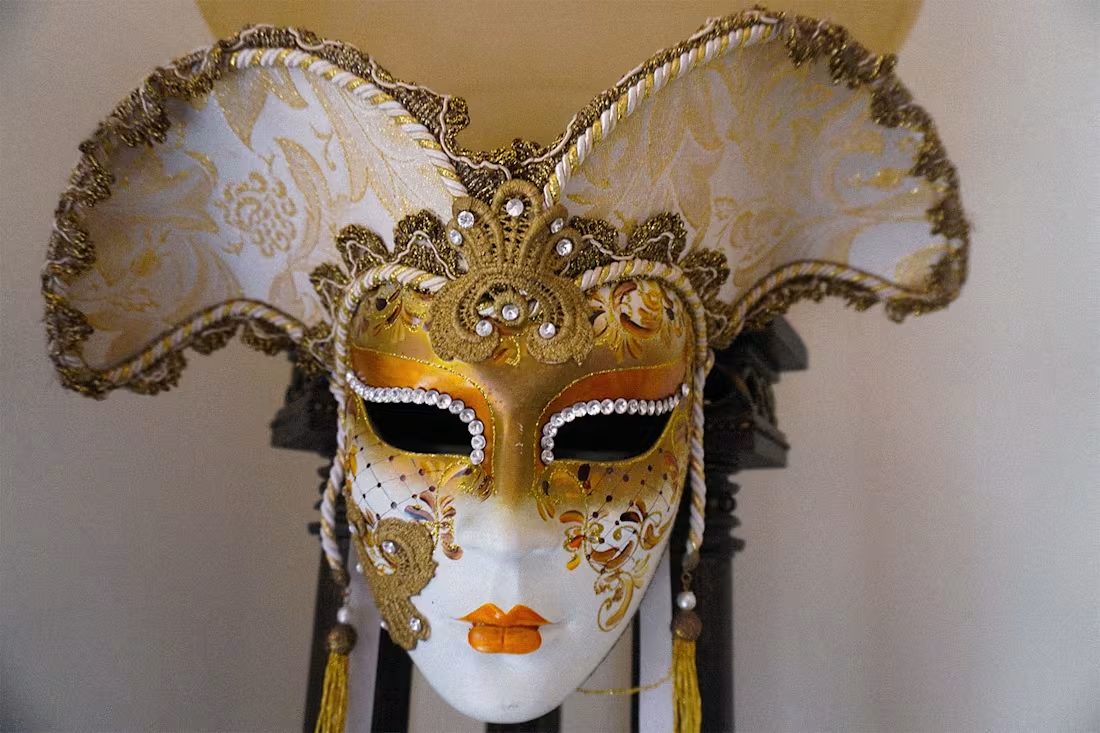
The Fool’s Privilege: How the Court Jester Shaped the Subversive Elegance of Art and Haute Couture
From the claustrophobic courts of medieval monarchs to the theatrical runways of modern haute couture, the historical court jester remains the ultimate muse for subversive elegance. Discover the fascinating lineage connecting the Venetian Carnival's engineered anonymity to the defiant, luxurious rebellion of Elsa Schiaparelli, Alexander McQueen, and François Nars.
1
23
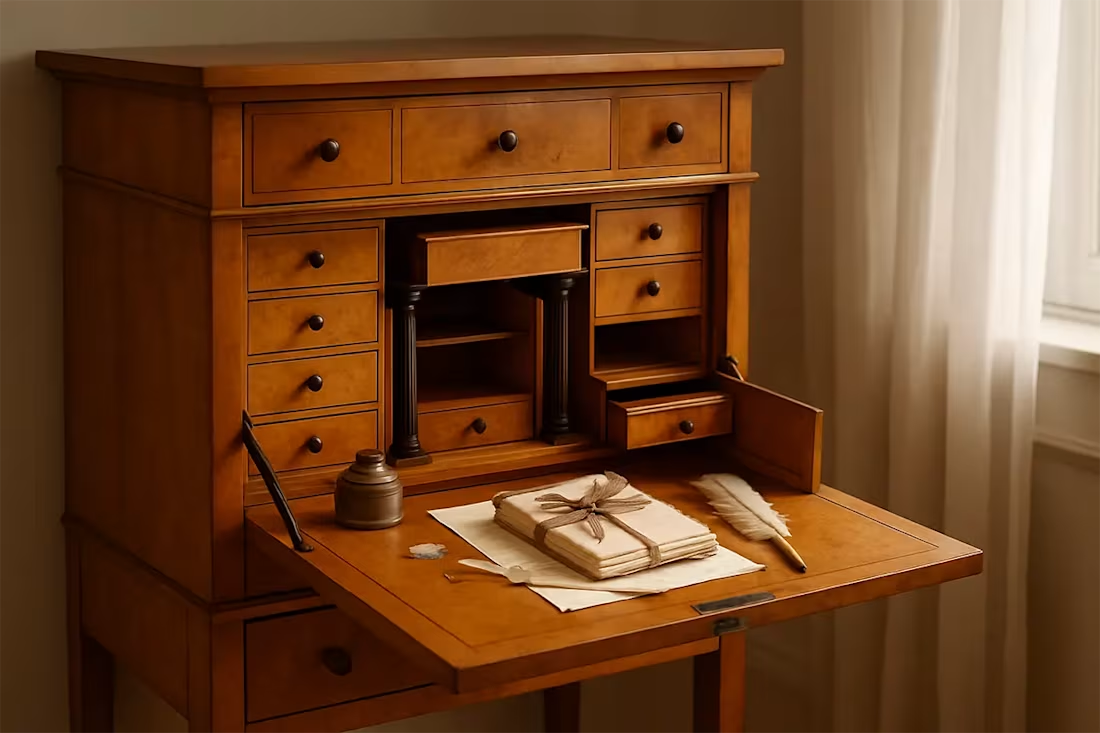
Project Title: The Biedermeier Sanctuary: Domestic Retreat, Craft & The Ancestry of Quiet Luxury
Role: Editorial Director, Cultural Essayist & Curatorial Strategy
Services / Deliverables: Cultural Research, Long-Form Essays, Aesthetic Philosophy
Industry: Interior Design, Arts & Culture, Luxury Lifestyle
Long before contemporary design intellectualized the concept of quiet luxury, the Biedermeier period (1815–1848) staged a quiet revolution across Central Europe. In the wake of political upheaval, elegance retreated from courtly ostentation into the sanctity of the domestic sphere: unadorned walnut grain, clean architectural joinery, and the cultivation of inner private life.
In this cultural essay, I examine how true refinement has always been an exercise in spatial editing and domestic poise—proving that true luxury is not display, but refuge.
1
65
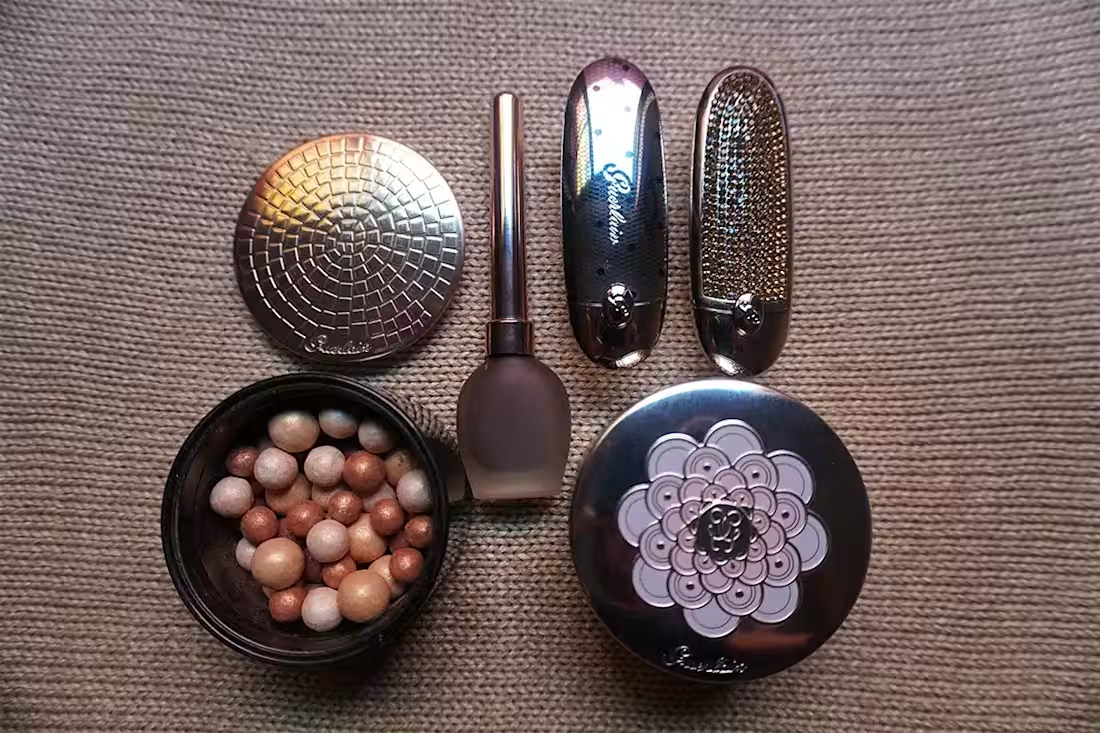
Project Title: The Alchemist’s Hive: Guerlain, Imperial Symbolism & The Heritage of French Beauty
True beauty houses are not built on algorithms or fleeting aesthetic cycles; they are forged in the quiet laboratories of memory, historical patronage, and botanical alchemy. Founded in Paris in 1828, Guerlain stands as an enduring monument to French material refinement, forever intertwined with the imperial court of Napoleon III and the sovereign dignity of the bee.
In this cultural investigation, I explore how the house transformed utilitarian formulations into sacred objects of art. Deconstructing the dialogue between royal symbolism, bespoke perfumery, and pigmented formulations, this essay examines how luxury cosmetics serve as an intimate, physical manifestation of feminine sovereignty and historical continuum.
"A mass-market compact is designed to be discarded once empty; a Guerlain artifact is engineered to outlive the century. When the bee was chosen by Pierre-François-Pascal Guerlain for Empress Eugénie, beauty ceased to be a cosmetic transaction and became an enduring symbol of imperial legacy, craftsmanship, and architectural restraint."
The Curatorial Anatomy: Alchemy & Art Direction
The Imperial Bee Archive: The historical transition from Roman antiquity to the courts of France, analyzing how an emblem of sovereignty was immortalized in gilded crystal and metalwork.
Formulation as Architecture: The interplay between light, pigment purity, and natural essences, challenging the superficiality of modern fast-beauty trends.
The Ritual of Preservation: The anthropology of luxury cosmetics as collectable artifacts that preserve human dignity, tactile pleasure, and cultural memory.
Commissioned and published as an independent long-form cultural study on heritage cosmetics and historical aesthetics.
0
50
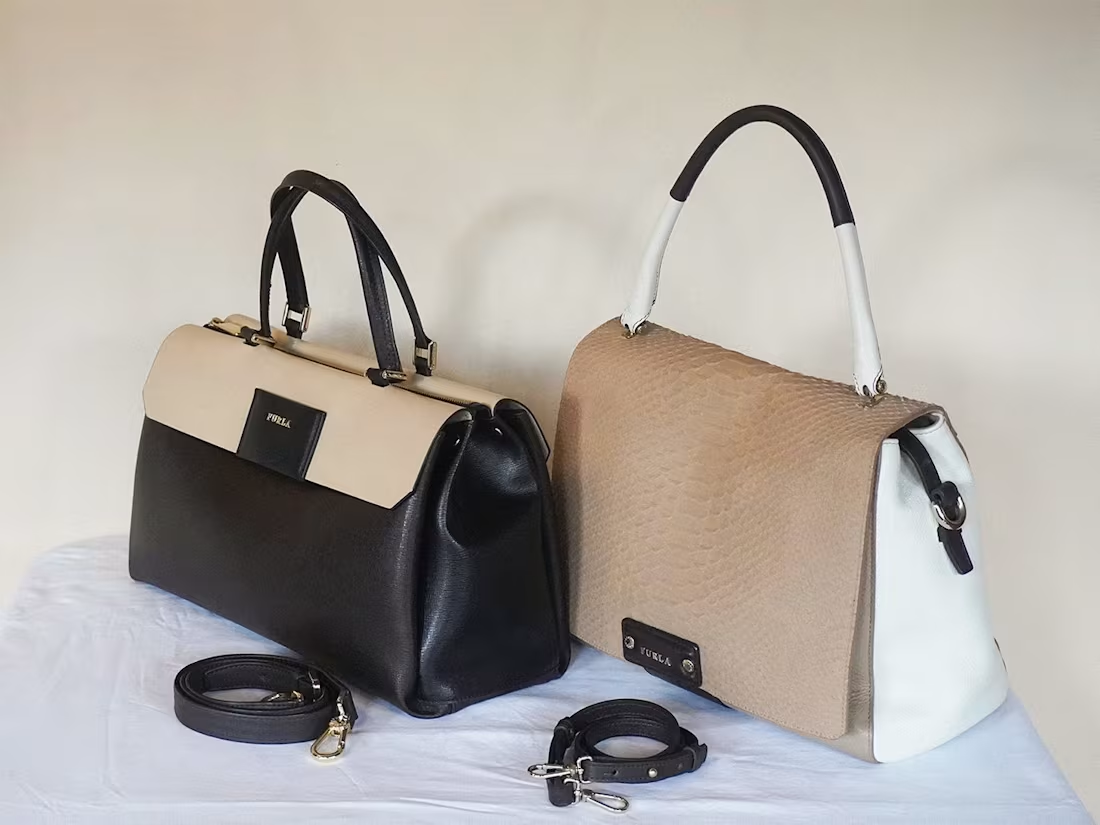
Project Title: The Bolognese Archive: Furla, Generational Craft & The Quiet Legacy of Italian Leather
Role: Editorial Director, Essayist & Creative Direction
Services / Deliverables: Editorial Writing, Brand Storytelling, Cultural Research
Industry / Niche: Luxury Goods, Material Culture & Heritage Fashion.
True luxury rarely shouts. Long before modern marketing engineered the language of understated elegance, the Furlanetto family founded an empire in 1927 rooted in the ancient architectural dignity of Bologna. Furla is not an object of speculative hysteria or algorithmic status; it is the enduring testament of Italian leathercraft designed for civil life, intellectual grace, and everyday permanence.
In this cultural essay, I explore how the house bridges the historic guilds of Emilia-Romagna with contemporary patronship through the Fondazione Furla, positioning the leather handbag not as a seasonal trophy, but as a silent cultural anchor.
"A Birkin demands an audience; a classic Bolognese leather bag commands respect only from those who understand the grain. When a house chooses to invest in contemporary art foundations rather than vanity spectacles, the bag ceases to be mere commerce and enters the realm of cultural patronage."
Across this editorial analysis, the narrative deconstructs:
The Bolognese Provenance: The dialogue between Bologna’s porticoed streets, Renaissance scholarship, and the tactile sobriety of Emilia-Romagna leather workshops.
The Human Continuum: How ninety years of family continuity resist corporate dilution in a fast-fashion landscape.
The Patronage Paradigm: The critical intersection where luxury justifies its existence by supporting contemporary artists and intellectual inquiry.
Commissioned and published as part of an independent cultural archive on timeless material culture.
0
55