
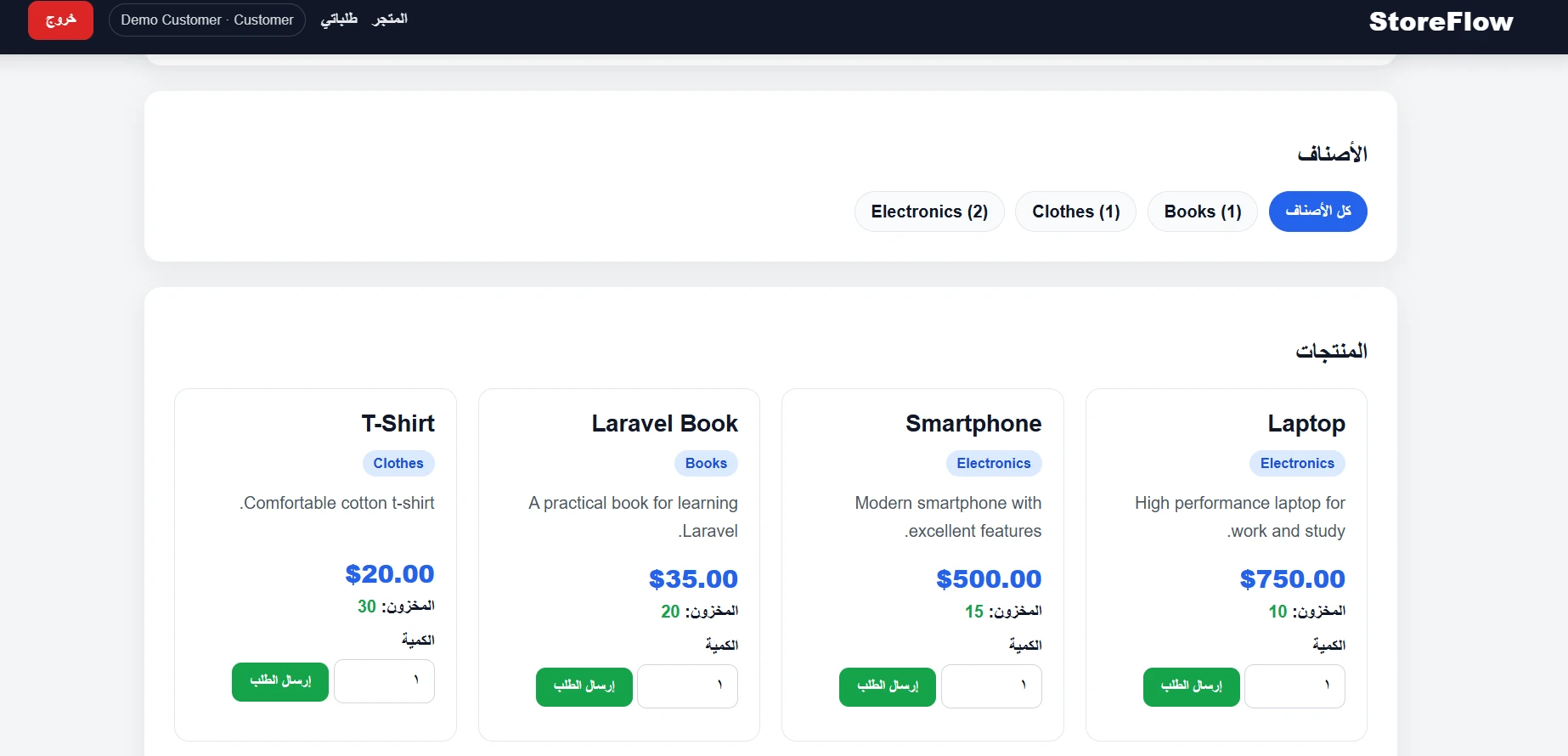
StoreFlow
StoreFlow is a Laravel 12 portfolio application for product catalog, inventory, customer orders, and admin operations. It demonstrates authentication, role-based access control, transactional order handling, stock consistency, soft deletes, server-side validation, automated tests, and CI.
The UI is Arabic-first (RTL), while the codebase follows standard Laravel conventions.
Highlights
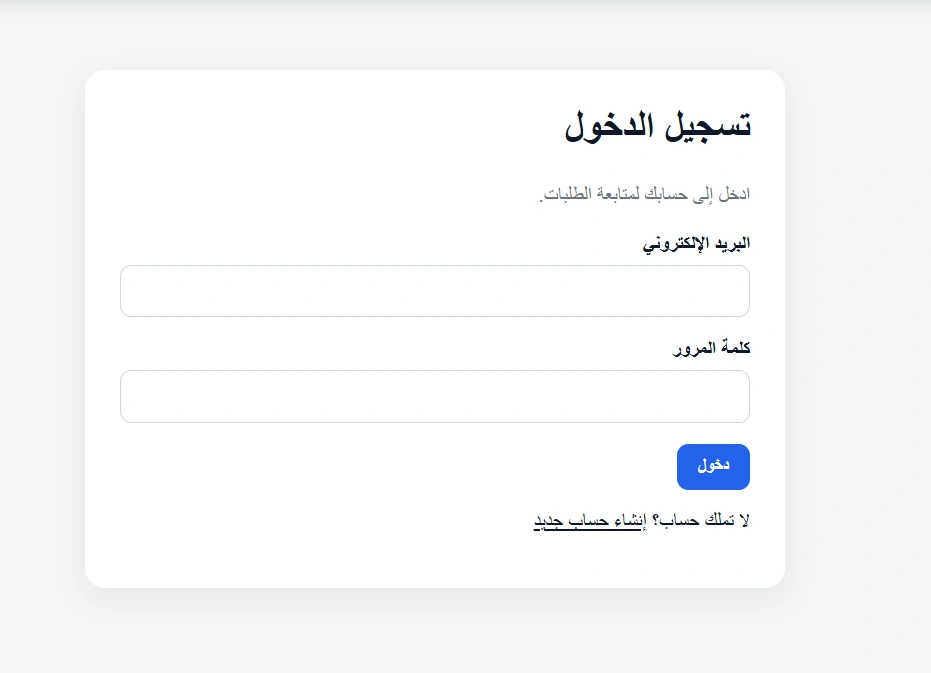
Customer registration, login, logout, and session regeneration
admin and user roles with admin middleware protection
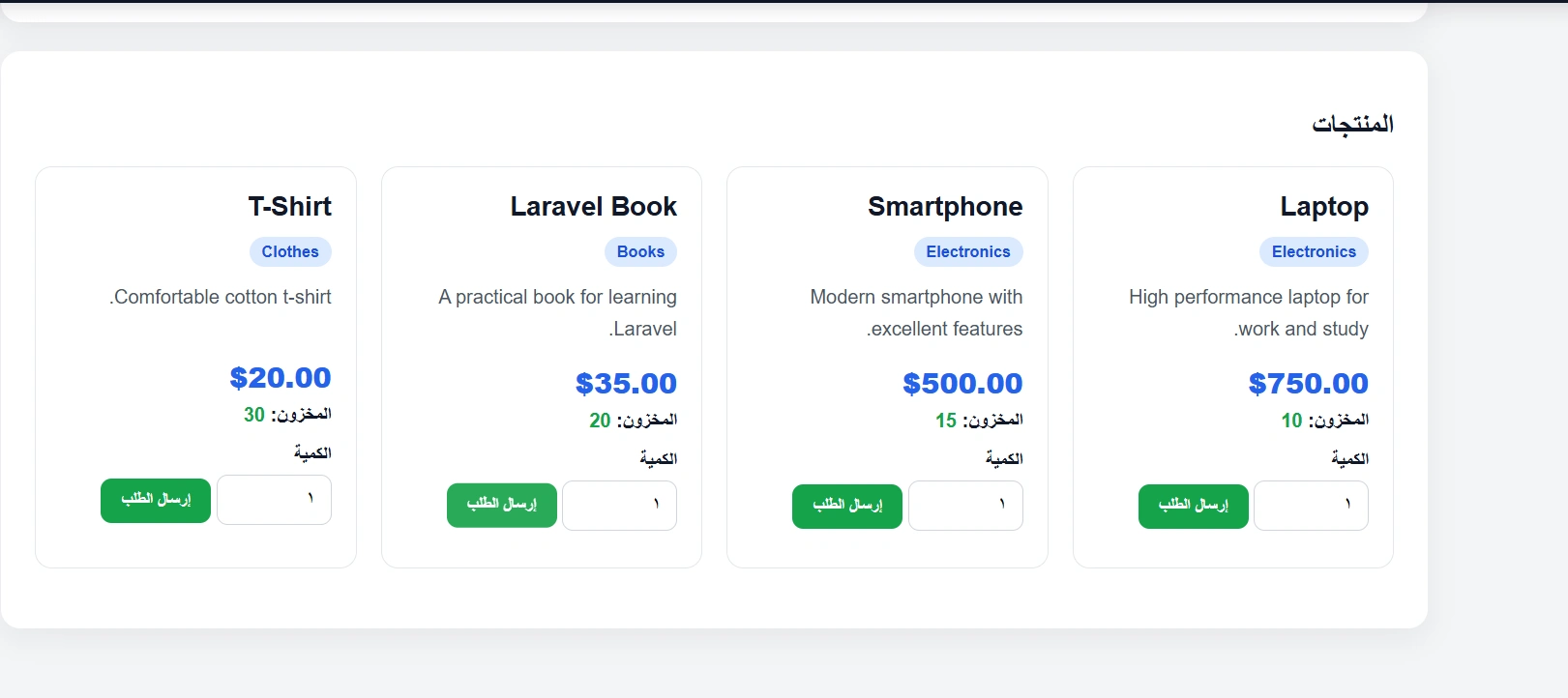
Public product catalog with category filtering and search
Category management for administrators
Product management with prices and inventory quantities
Soft-delete product archive with restore support
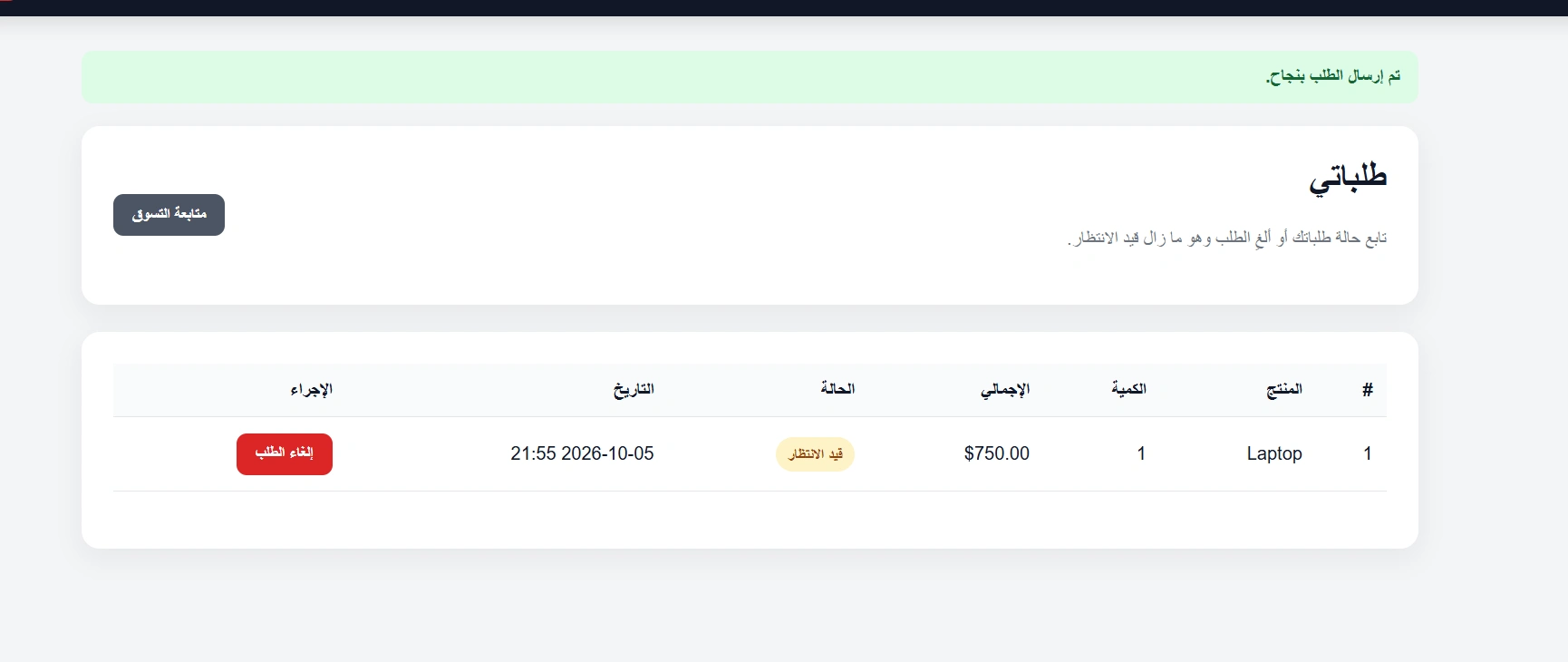
Customer order history and pending-order cancellation
Admin order workflow: pending → approved → completed or rejection
Automatic stock restoration after customer cancellation or admin rejection
Database transactions and lockForUpdate() around inventory-sensitive operations
Order history preserved when products are archived
Login and registration throttling
Form Request validation
Feature tests using SQLite in-memory database
GitHub Actions test workflow and Dependabot configuration
Tech Stack
PHP 8.2+
Laravel 12
Eloquent ORM
SQLite by default; MySQL/PostgreSQL can also be configured
Blade templates
PHPUnit 11
Vite / Tailwind dependencies available for future frontend expansion
Application Roles
Customer
Customers can browse the store, register or log in, place orders, view their own order history, and cancel an order while it is still pending.
Admin
Admins can access the management dashboard, manage categories and products, restore archived products, review all orders, and move orders through the allowed status workflow.
Order & Inventory Safety
Order creation is executed inside a database transaction. The product row is locked before availability is checked and inventory is decremented. This reduces overselling risk when multiple requests target the same product concurrently.
Cancellation and rejection also run inside transactions. Inventory is restored exactly when an order leaves the active workflow through cancellation or rejection.
Allowed admin transitions:
pending ──> approved ──> completed │ │ └──> rejected <──────┘
Customers may change pending to cancelled only for their own orders.
Local Setup
Requirements
PHP 8.2+
Composer 2
SQLite extension enabled, or another Laravel-supported database
Install
git clone https://github.com/m7mdkh2003/store_finalproj.git cd store_finalproj composer install cp .env.example .env php artisan key:generate php artisan migrate:fresh --seed php artisan serve
Then open http://127.0.0.1:8000.
The default .env.example uses SQLite. If database/database.sqlite does not exist, create it before migrating:
macOS / Linux
touch database/database.sqlite
Windows PowerShell
New-Item database/database.sqlite -ItemType File
On Windows, use Copy-Item .env.example .env instead of cp .env.example .env if needed.
MySQL Example
Update .env:
DB_CONNECTION=mysql DB_HOST=127.0.0.1 DB_PORT=3306 DB_DATABASE=storeflow DB_USERNAME=root DB_PASSWORD=
Then run:
php artisan migrate:fresh --seed
Demo Accounts
After running the database seeder:
Role
Email
Password
Admin
Admin12345
Customer
Customer12345
These credentials are development/demo credentials only. Do not reuse them in production.
Testing
Run the feature test suite:
php artisan test
The included tests cover:
regular-user registration
admin authorization
product/category management
soft deletion
successful order placement
stock validation
customer cancellation and stock restoration
admin rejection and stock restoration
GitHub Actions runs the test suite on pushes to main/master and on pull requests.
Project Structure
app/ ├── Http/ │ ├── Controllers/ │ ├── Middleware/EnsureUserIsAdmin.php │ └── Requests/ ├── Models/ └── Services/OrderService.php database/ ├── factories/ ├── migrations/ └── seeders/ resources/views/ ├── auth/ ├── categories/ ├── orders/ ├── products/ └── layouts/ tests/Feature/
Architecture Notes
OrderService owns inventory-sensitive business logic rather than placing that logic directly in HTTP controllers. Controllers remain responsible for request/response flow, Form Requests own validation, middleware owns role access, and Eloquent models own relationships and status helpers.
Products use soft deletes so removing an item from the active catalog does not destroy historical order references. The archive screen lets an administrator restore a product later.
Security Measures Included
Laravel CSRF protection on state-changing forms
hashed password cast
session regeneration after authentication
role-based admin middleware
request validation
throttled login and registration endpoints
database-bound query parameters through Eloquent
no .env secrets committed to the repository
For a production deployment, also configure HTTPS, secure session/cookie settings, production mail, backups, monitoring, and environment-specific secrets.
Screenshots
Login
Dashboard
Products
Orders
License
MIT License. See LICENSE .
About
Laravel store management system with authentication, products, categories, inventory, orders and admin dashboard.
Topics
Resources
Readme
MIT license
Security policy
Security policy
Stars
0 stars
Watchers
0 watching

