
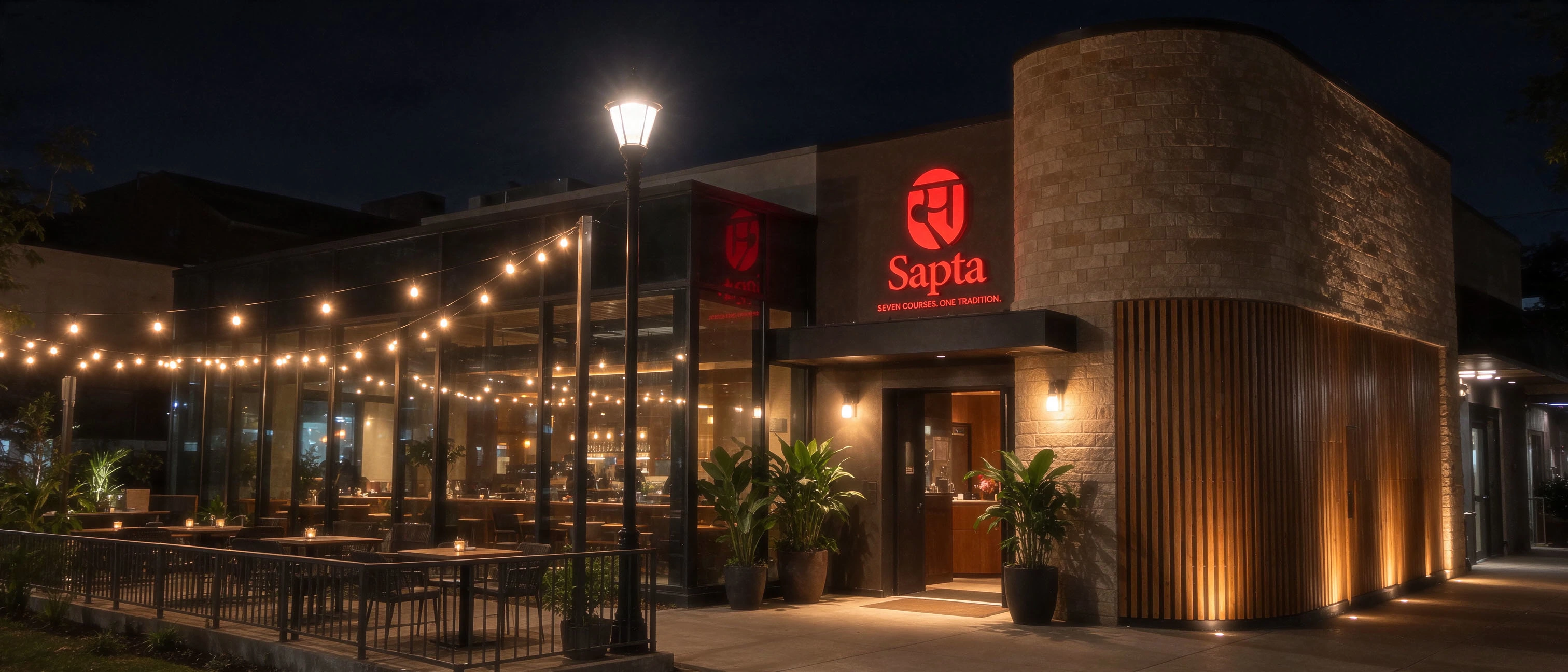
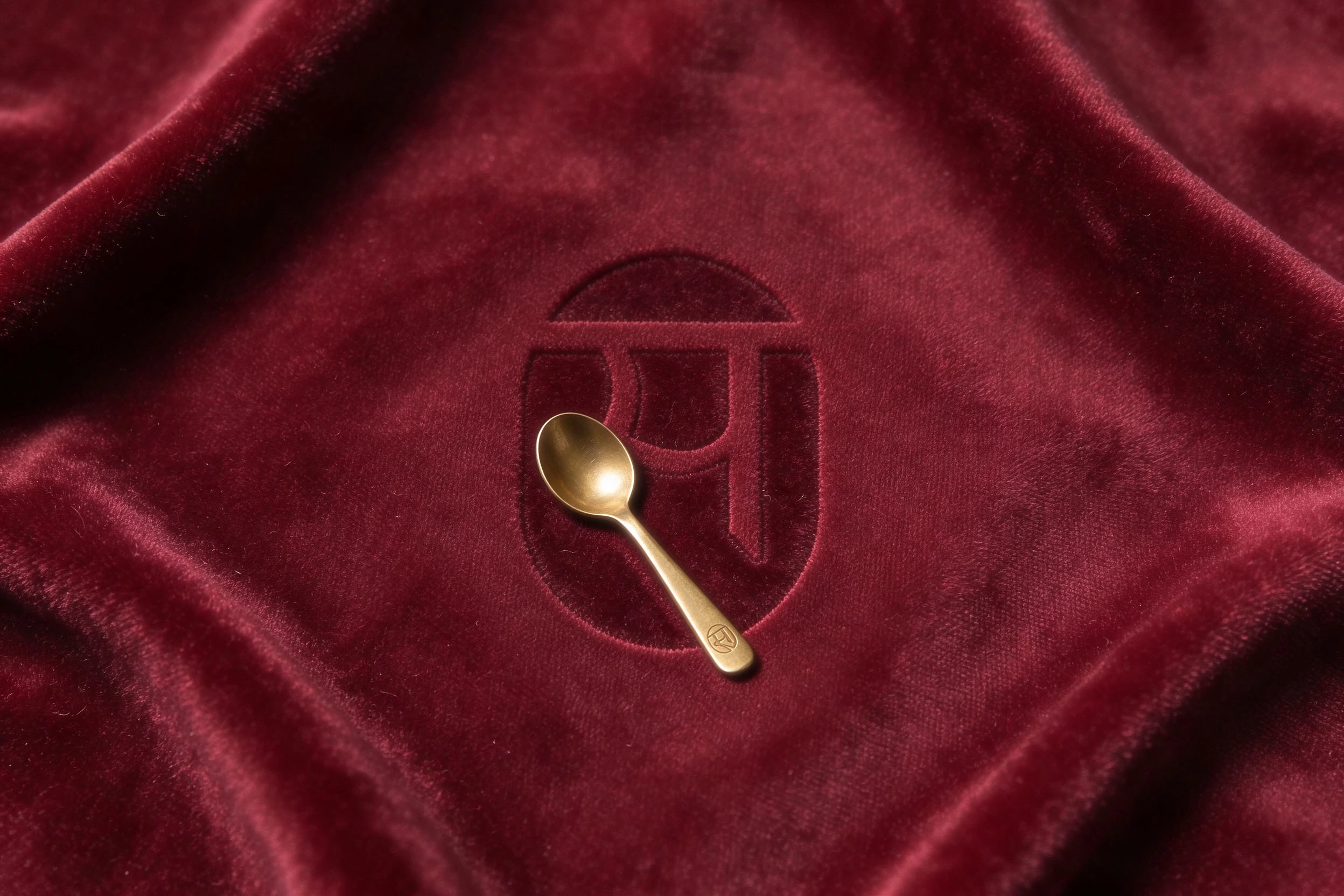
Sapta (सप्त) is the Sanskrit word for seven. It's the root of the number in many Indian languages: saat in Hindi, sat in Gujarati, saptha in Kannada, and it's related to the Greek hepta and Latin septem.
The number carries a lot of cultural weight in India, which is what makes it more than a literal "seven":
- Saptarishi: the seven great sages, also identified with the Big Dipper constellation
- Saptapadi: the seven steps taken around the sacred fire in a Hindu wedding, each with a vow
- Sapta Swara: the seven notes of the musical scale (sa, re, ga, ma, pa, dha, ni)
- Sapta Sindhu: the "seven rivers" of the early Vedic land
- Sapta Chakra: the seven energy centres in yogic tradition
For a 7-star restaurant, this gives you a layered story: the literal star rating, plus a sense of completeness, ritual, and harmony. It also gives you a design asset, since seven can drive the identity through a seven-petal motif, seven-point star, or a menu built around seven courses.
One practical note: it's pronounced roughly "SUP-tah" (the "a" sounds are short, like in "sun"), so you may want to include a simple pronunciation hint in the early brand materials for international audiences.
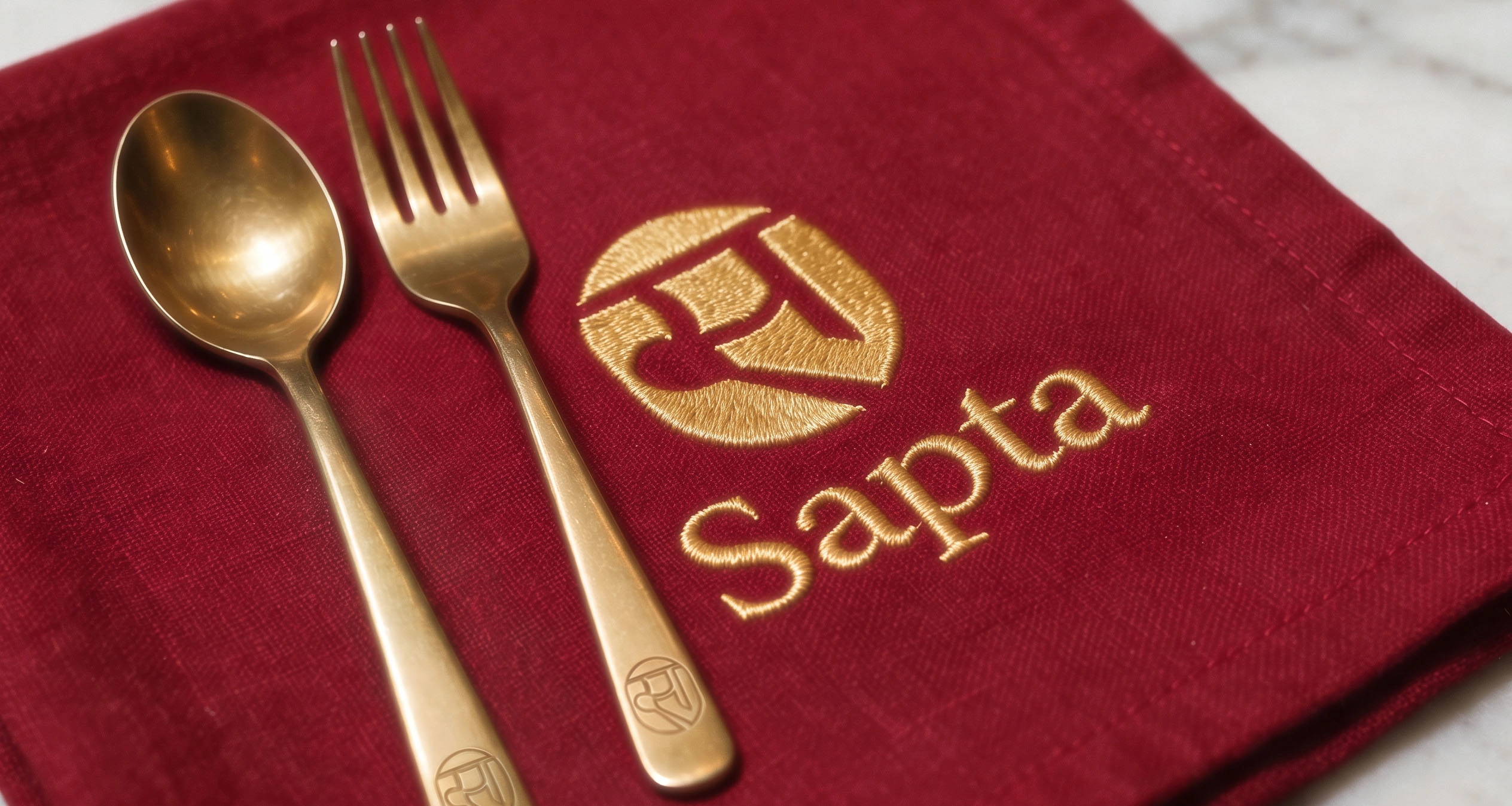
सप्त (Sapta)
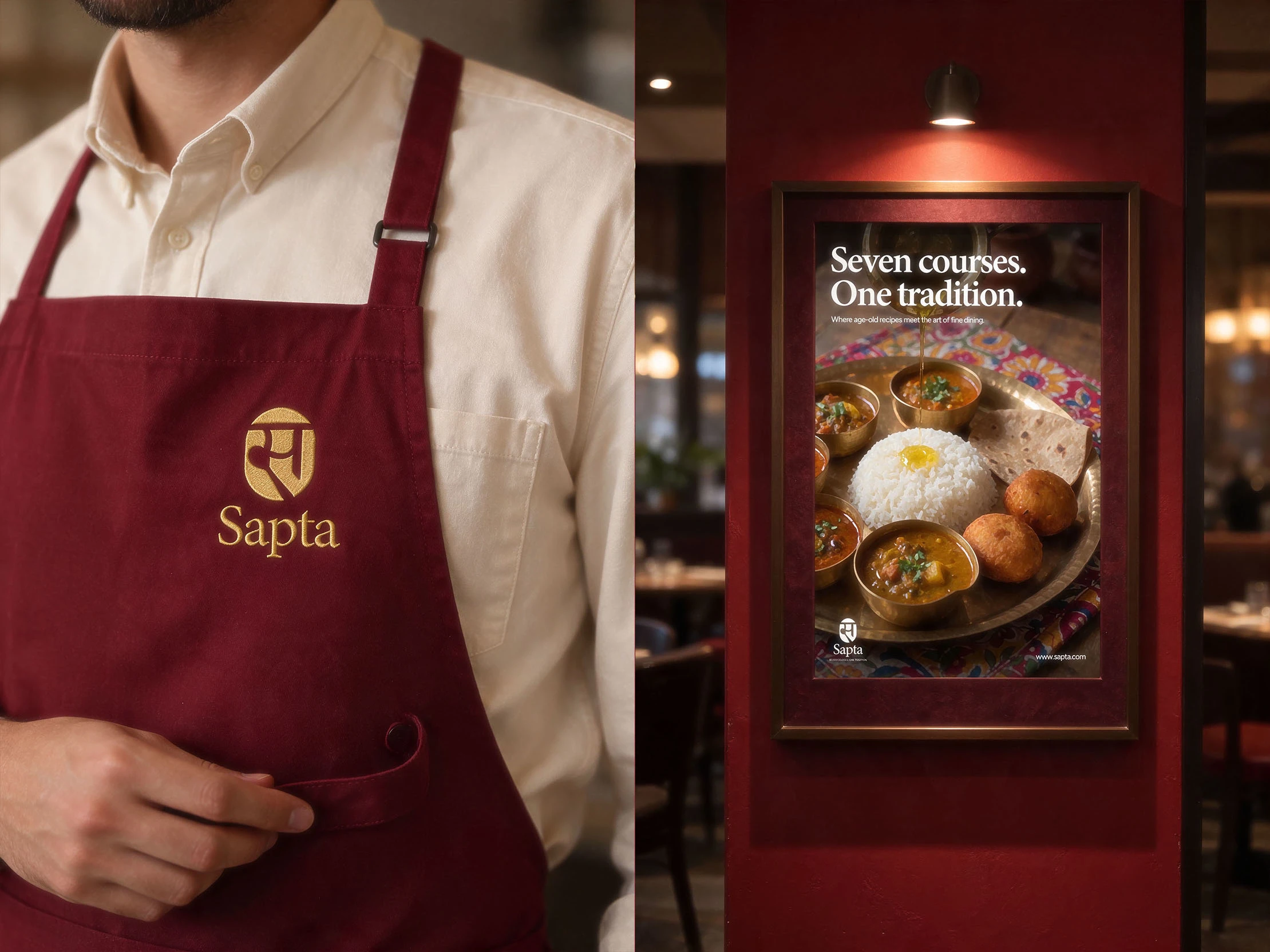
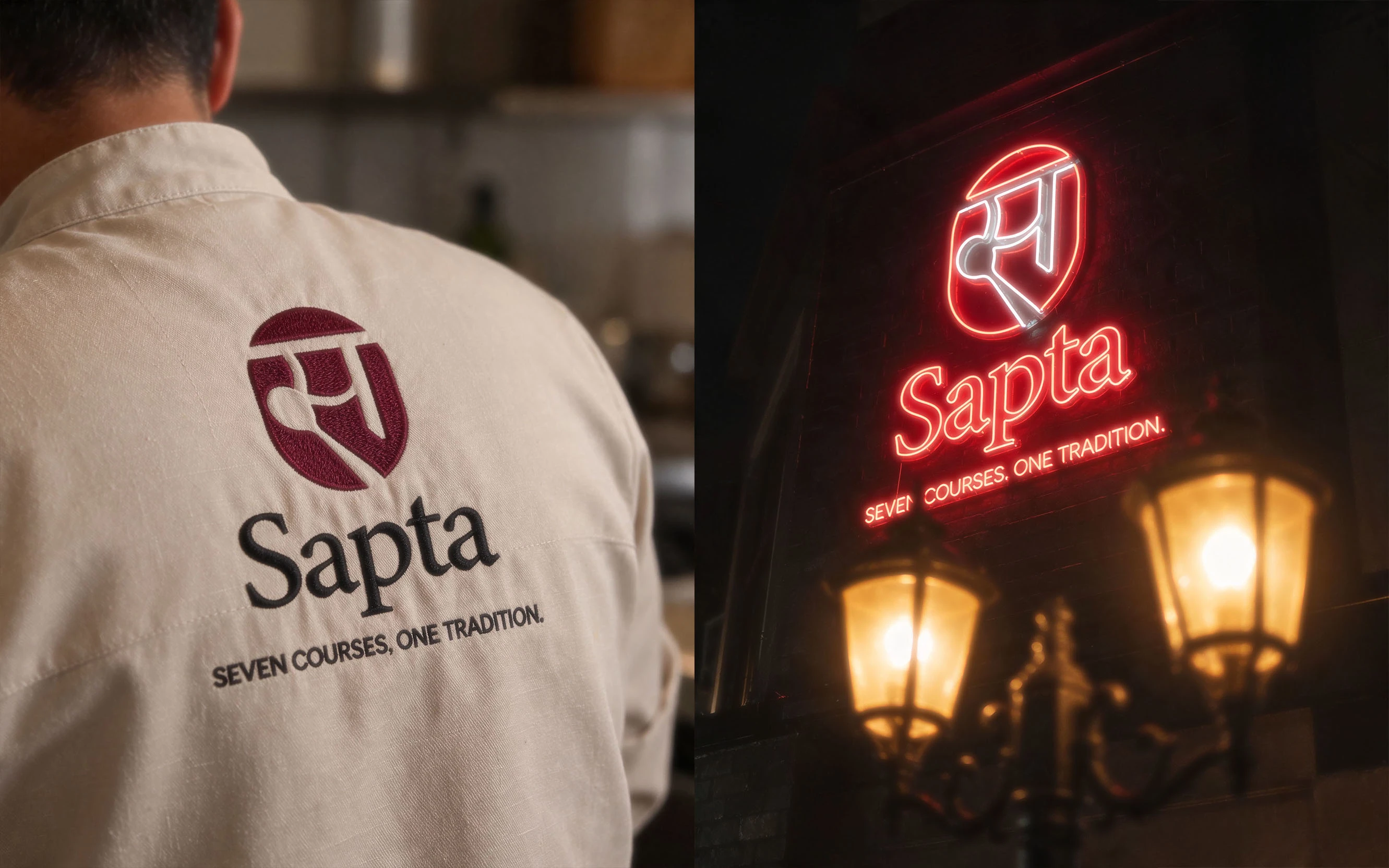
Seven courses. One tradition.
Our Purpose
Sapta exists to keep the taste of vintage Indian cuisine alive, in its purest form.
Somewhere along the way, the kitchen changed. Ready-made masalas replaced hand-ground spices. Pesticides entered the fields. Ghee and oils were adulterated. The flavours we remember from our grandmothers' kitchens became harder to find.
We are bringing them back.
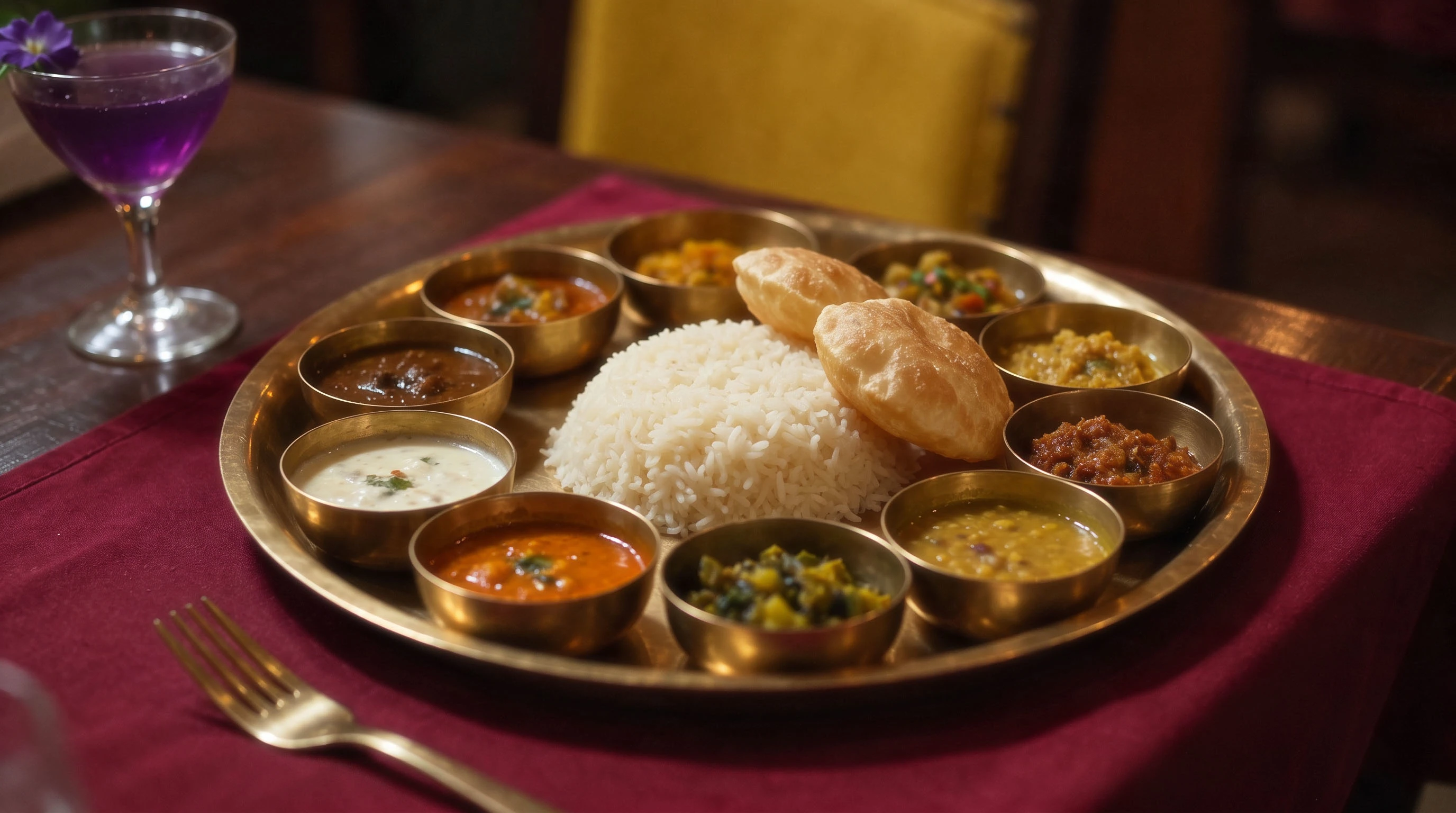
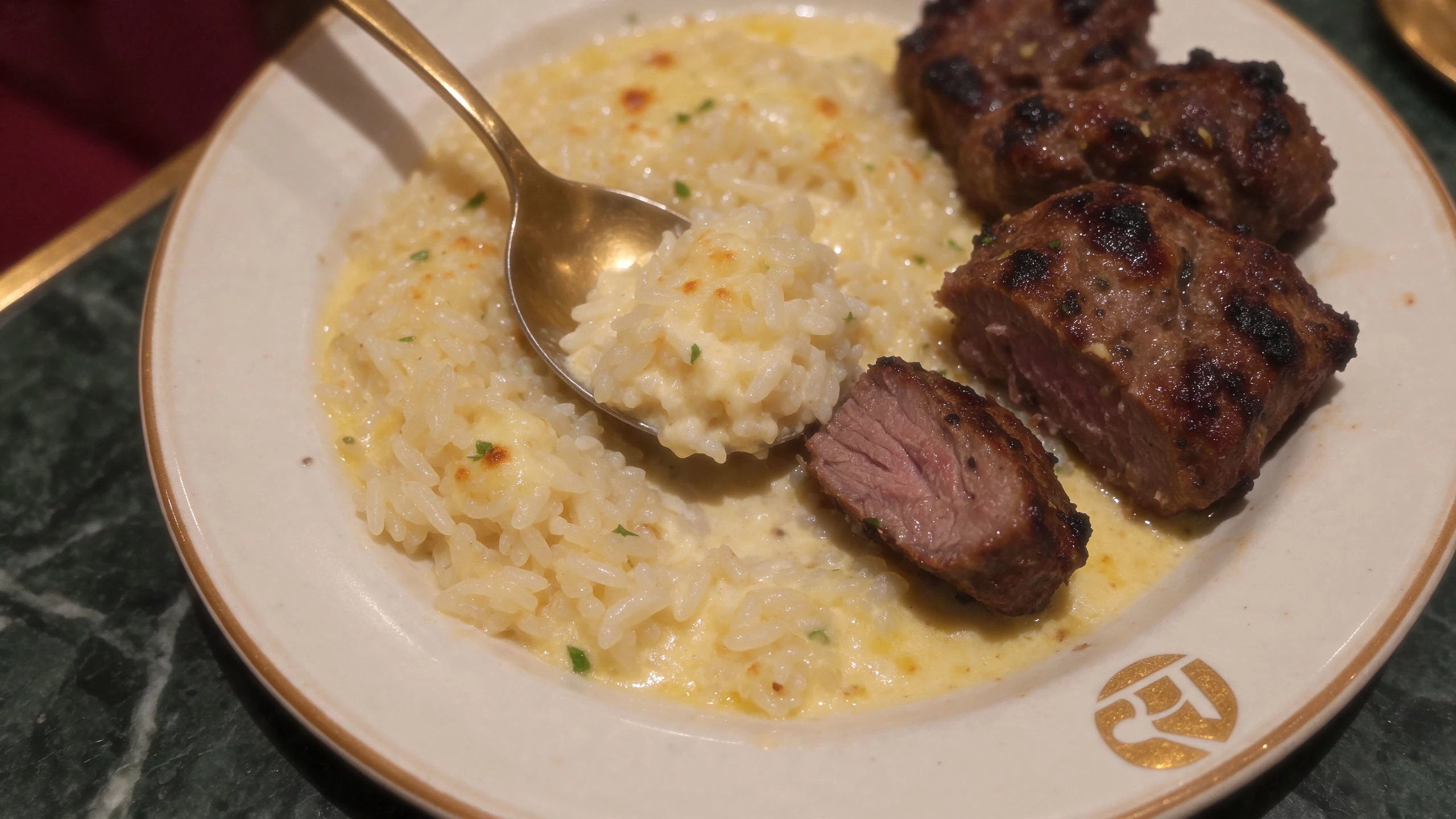
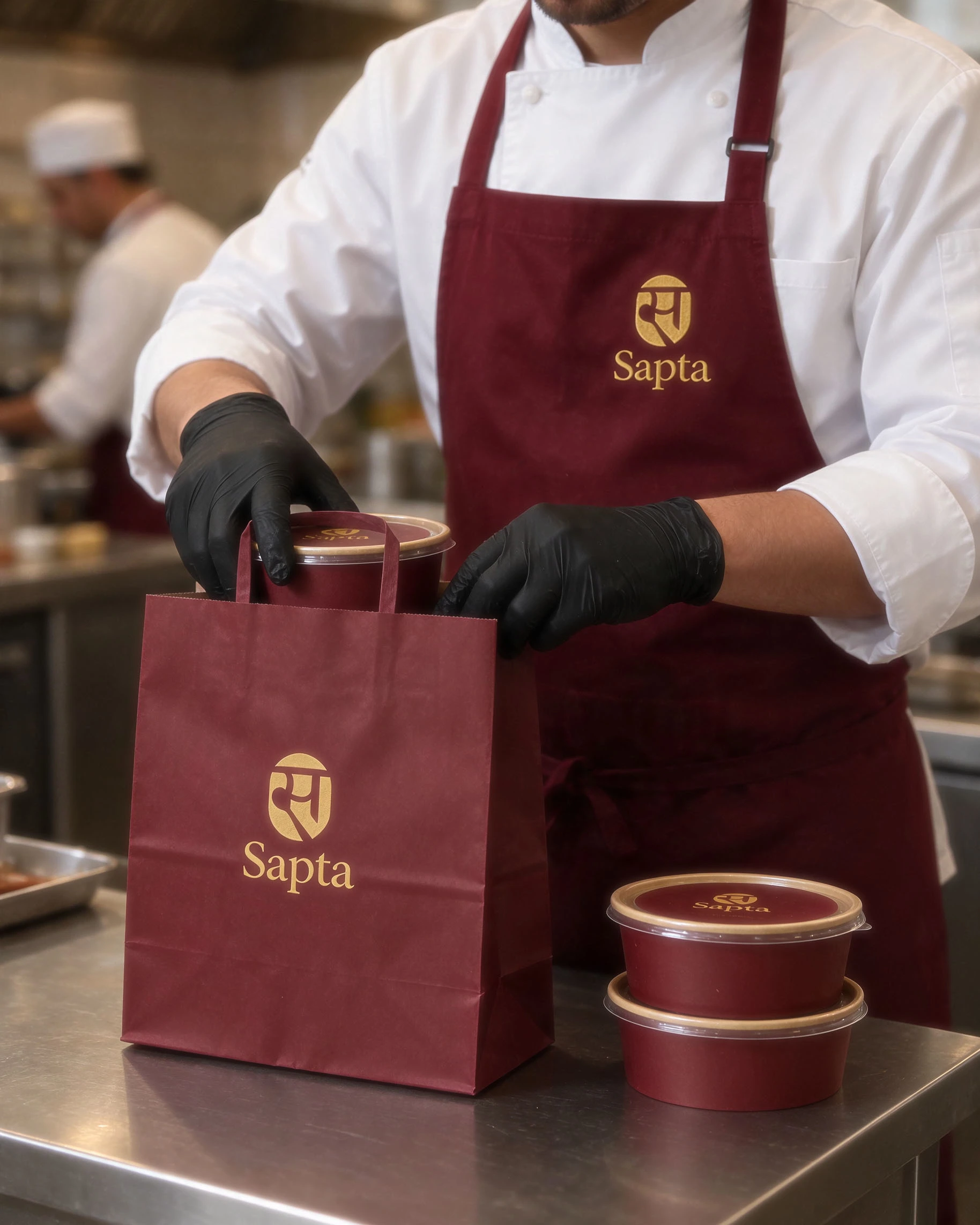
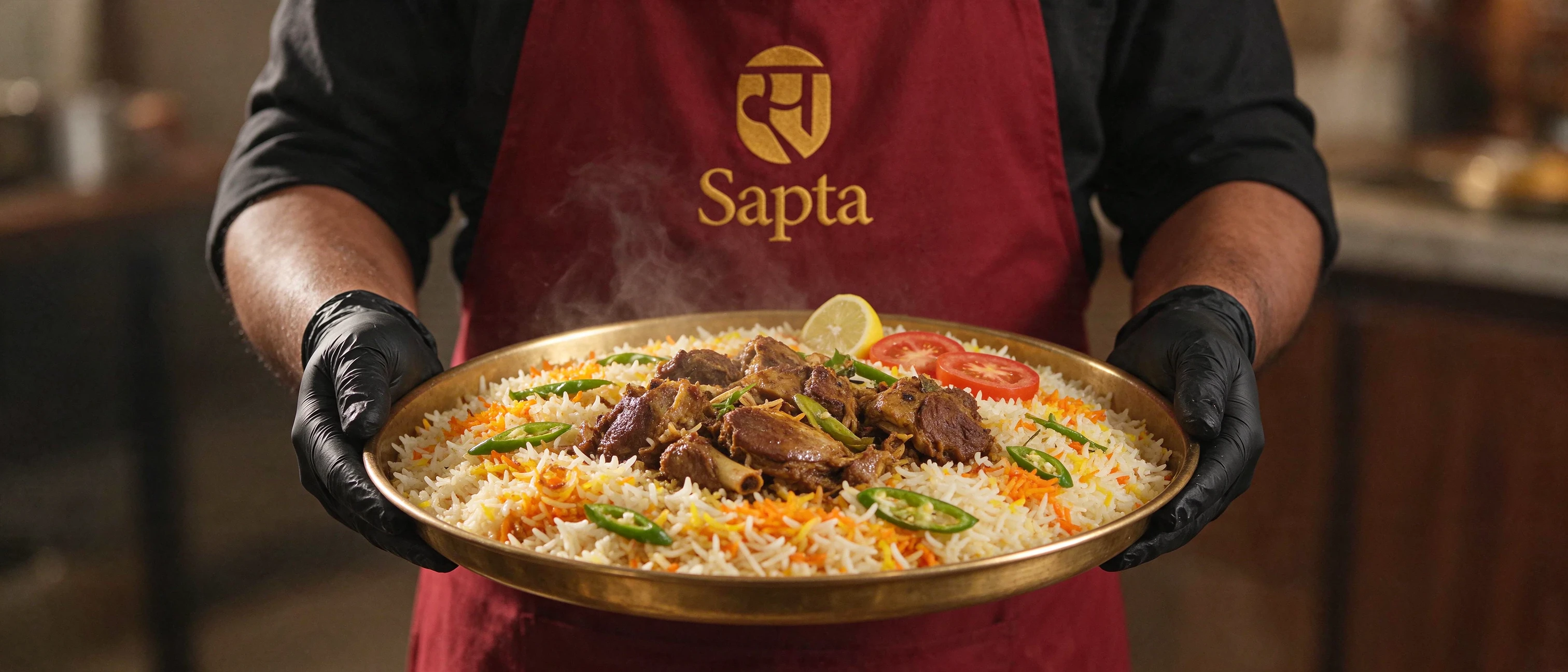
At Sapta, there are no artificial masalas, no pesticide-treated vegetables or fruits, and no adulterated ghee or oil. Everything begins at the source. We grow our own vegetables, and our masalas are made at home, roasted, ground, and blended in small batches the way they always were.
From soil to spice to the plate, every step is ours.
More than a meal
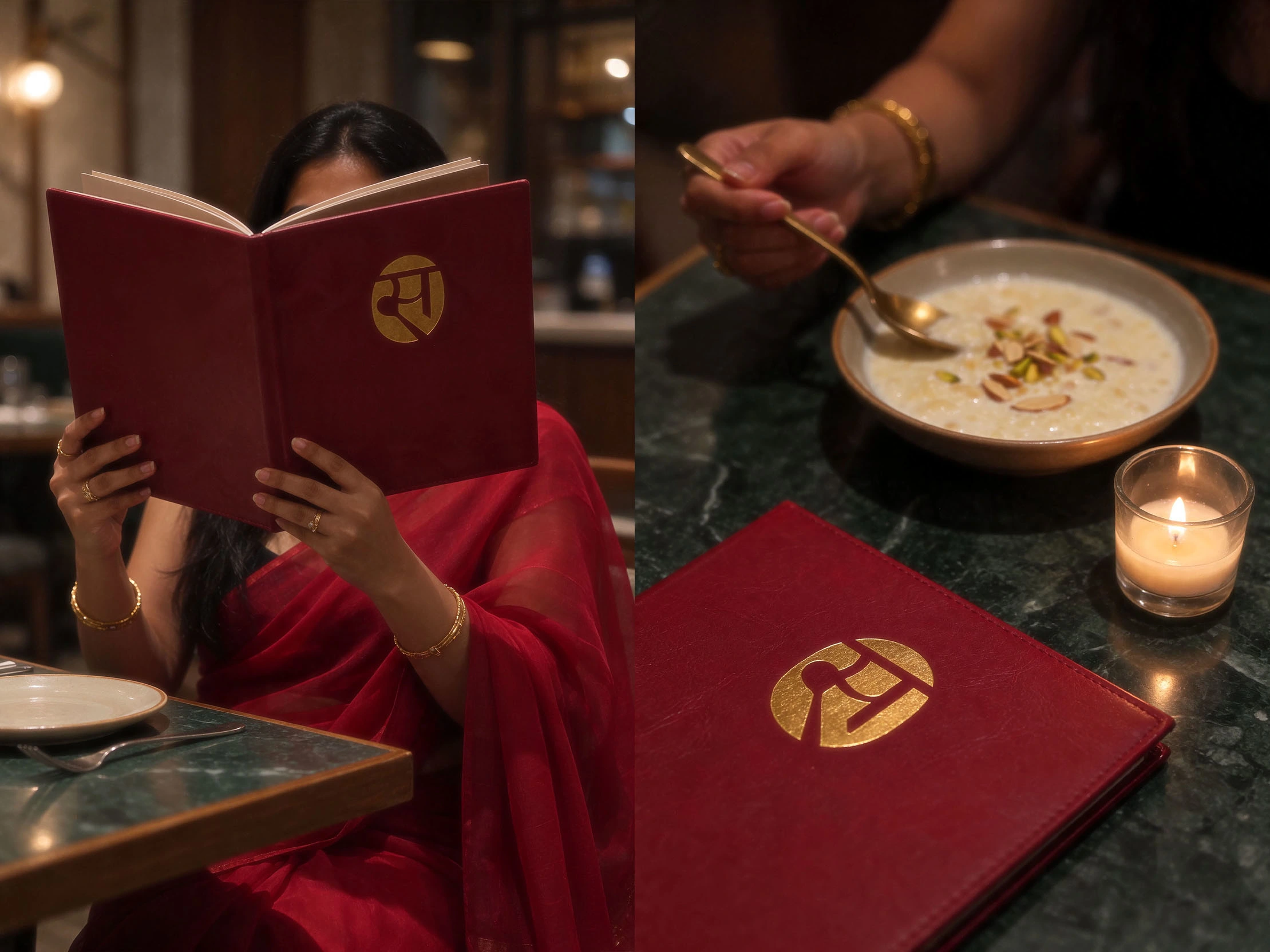
Sapta is not just serving pure food. It is serving nostalgia in its purest form: the aroma of a slow-cooked dal, the warmth of ghee on a fresh roti, the taste that takes you straight back to a childhood kitchen.
This is not a reinvention of Indian cuisine. It is a return to it.
Pure ingredients. Pure tradition. Pure nostalgia.

0 likes · 0 views · Nov 27, 2026
Sapta exists to bring back the taste of vintage Indian cuisine, in its purest form. No artificial masalas. No pesticides. No adulterated ghee or oil. From growi

