Mobile Design Fuse Wallet

Samuel Akinbode


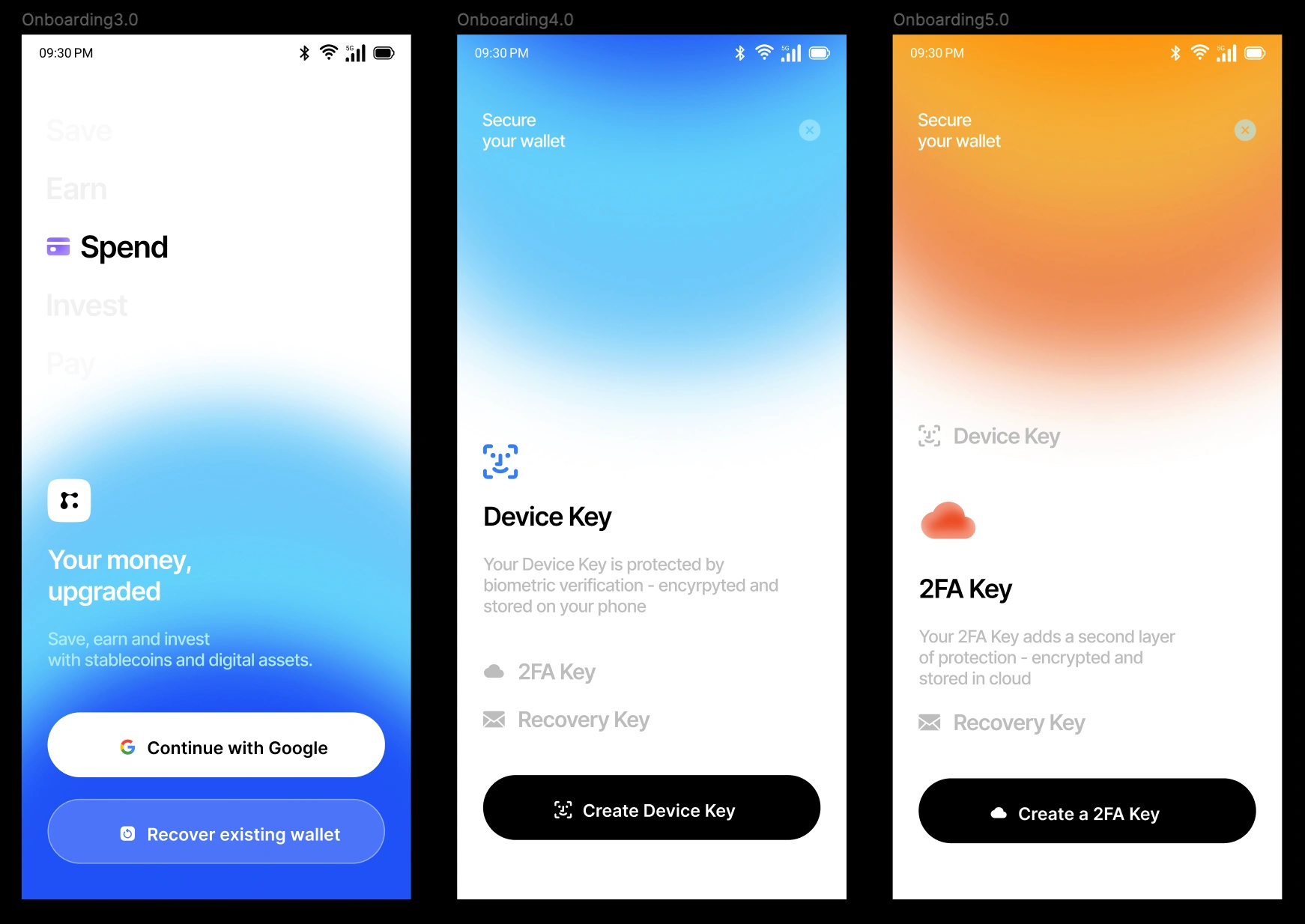
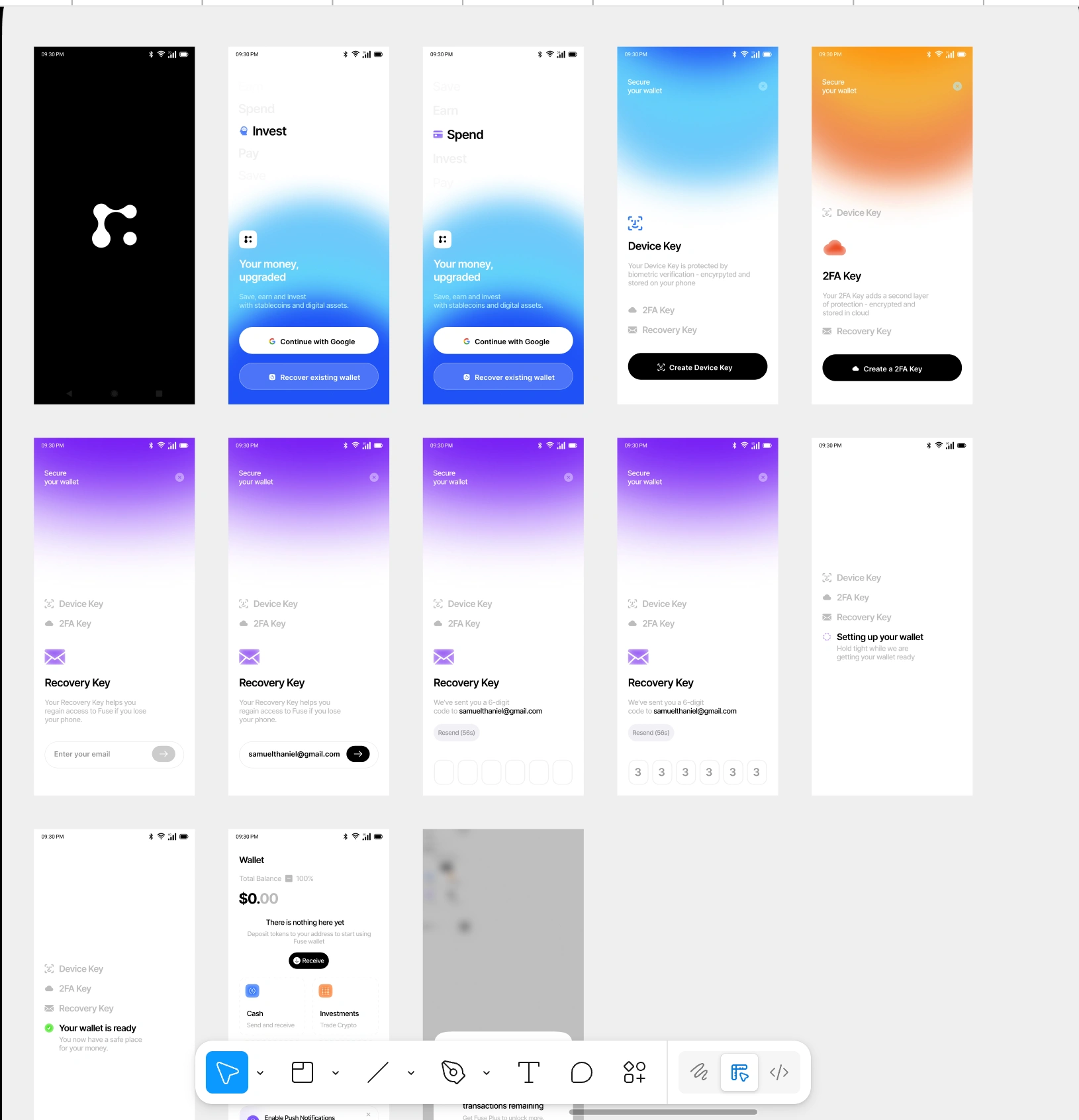
The Fuse Wallet Android app is a native recreation of the existing Fuse Wallet, purpose-built to deliver a seamless Web3 experience for Android users. The initiative focuses on translating the core functionality and user experience of the Fuse ecosystem into a performant, secure, and Android-optimized application.
While maintaining feature parity with the existing wallet, including wallet creation, asset management, and stablecoin transfers, the team is responsible for rethinking and adapting flows to align with Android design principles, performance standards, and device diversity. payments and build a web2-friendly entry point for users.
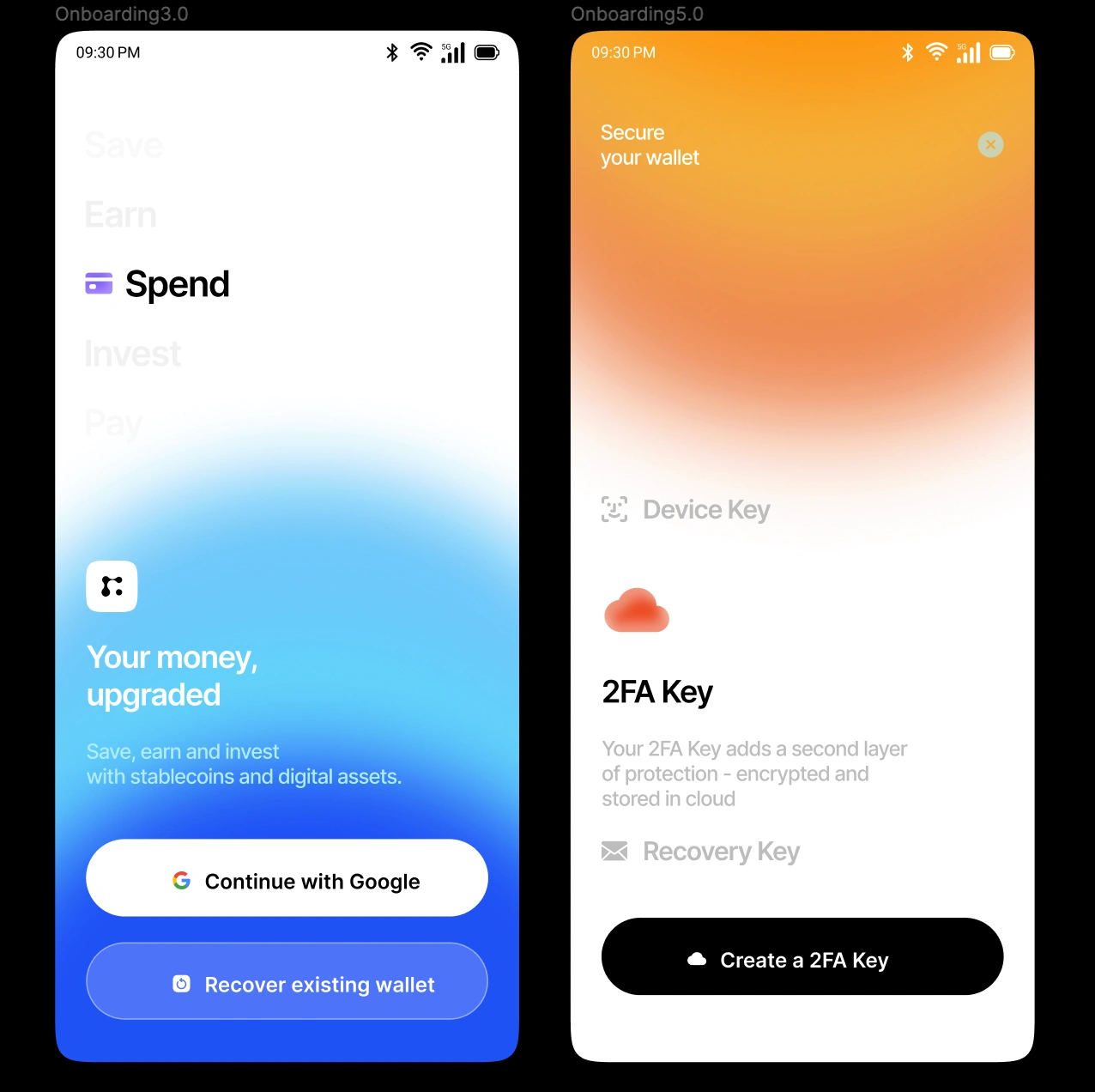
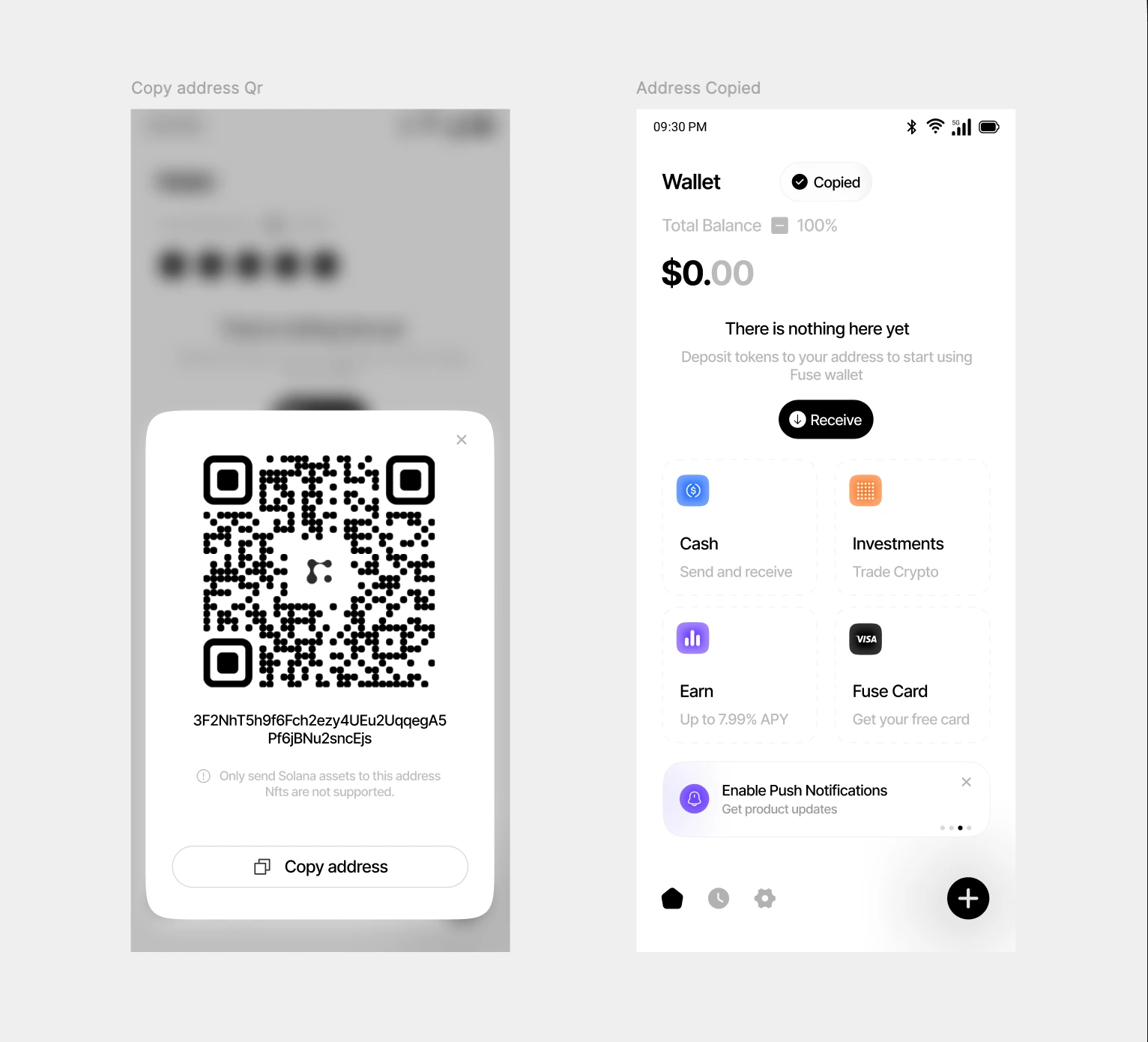
Design
The Experience Audit: Establishing the Baseline
The project began with a comprehensive audit of the established iOS ecosystem to deconstruct the "Success DNA" of the wallet. Rather than a surface-level visual audit, I focused on the Interaction Rhythm and Motion Patterns that defined the premium experience. By analyzing core user flows—onboarding, transaction execution, and asset management. I was able to identify the emotional touchpoints and intuitive logic that needed to be preserved during the platform transition. This ensured that we were translating the essence of the experience, rather than merely duplicating the interface.
Strategic Platform Mapping
With a deep understanding of the iOS baseline, I performed a gap analysis against Material Design and Android-native conventions. This involved mapping disparate navigation structures, specifically, stack-back behavior and gesture expectations, to align with Android-native mental models. The objective was to ensure that while the brand identity remained consistent, the interaction patterns (such as modal behaviors and bottom navigation) felt inherently natural to an Android user.
Cross-Platform Component Strategy
Navigating React Native constraints required a high-level balance of aesthetics and technical feasibility. When faced with iOS-specific components that lacked direct Android equivalents, I implemented a three-tiered decision-making framework:
Custom Recreation: Reserved for high-impact components critical to the brand’s visual identity.
Native Adaptation: Utilizing the closest platform-native equivalent to ensure a familiar UX.
Performance Optimization: Simplifying interactions where necessary to maintain 60fps responsiveness. This phase relied on close collaboration with the engineering team to ensure that every design choice was performant and scalable.
Systematic Iteration & Refinement
The final phase involved developing Android-specific wireframes that accounted for the platform's diverse screen ratios and density-independent pixel (DP) logic. I meticulously adjusted typography and spacing to maintain vertical rhythm across various device manufacturers. Finally, I refined the motion design to ensure that the "perceived smoothness", a hallmark of the iOS version, was successfully replicated through Android’s unique animation engine.
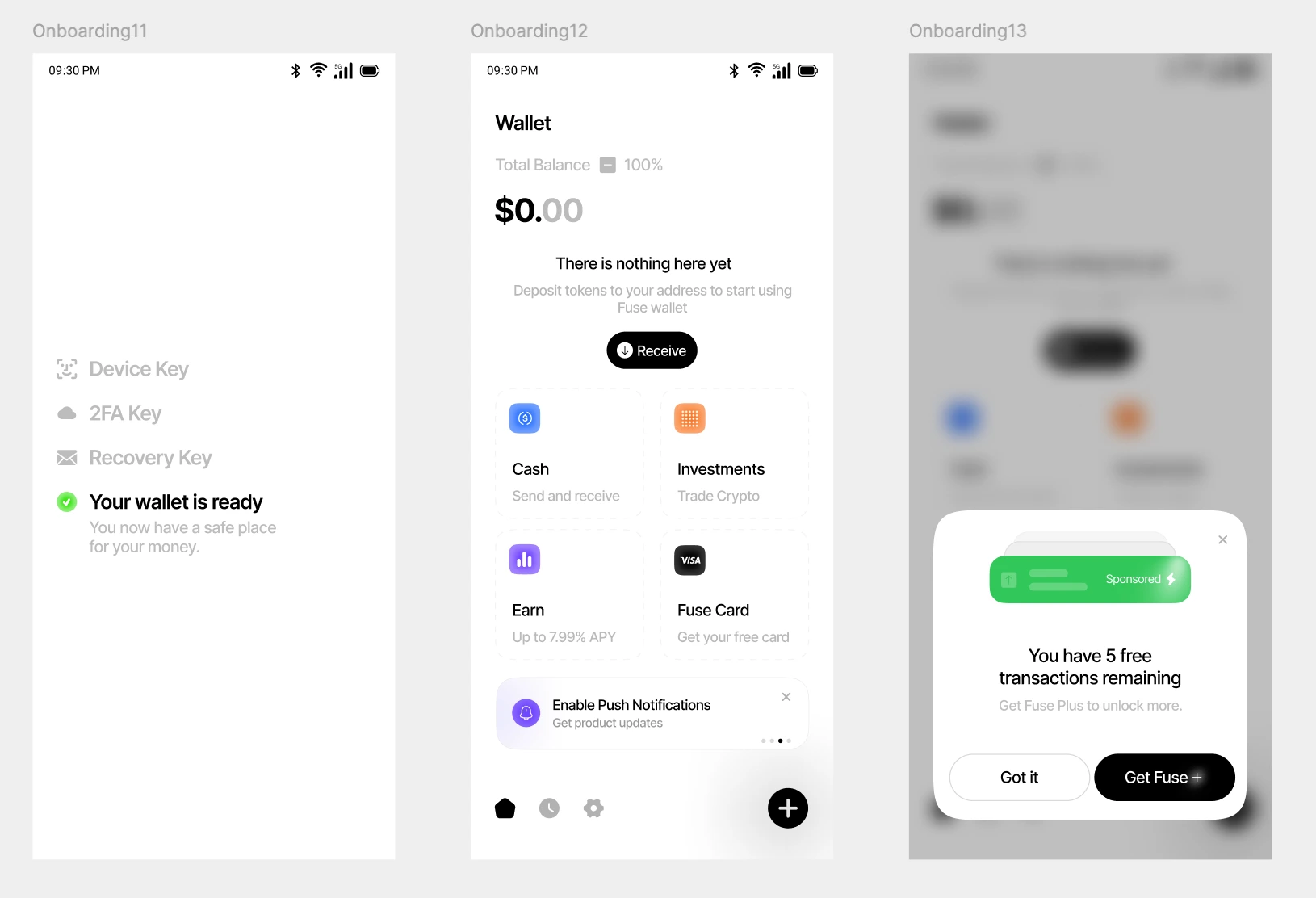
The Problem
Consistency vs Native Authority
The primary challenge was navigating the tension between iOS-centric design and Android-native expectations. Directly porting iOS patterns would have resulted in an interface that felt "foreign" to Android users, while over-adapting risked diluting the global brand identity. My approach was to maintain core brand touchpoints while implementing native Android behaviors, such as navigation patterns and haptic feedback, to ensure a seamless, high-performance experience.
React Native Limitations
Achieving feature parity required creative engineering to overcome specific React Native limitations. Certain iOS-specific animations and gesture-based UI behaviors do not have direct equivalents on Android. I spearheaded the redesign of these interactions, developing custom workarounds that preserved the original design intent without messing up the app's performance or stability.
Maintaing Product Quality
The iOS wallet set a high benchmark for polish and refinement. A major focus was on ensuring the Android release was perceived as a tier-one product rather than a secondary port. This involved rigorous attention to detail, optimizing rendering speeds, refining micro-interactions, and modernizing legacy backend integrations to match the premium feel of the iOS version.
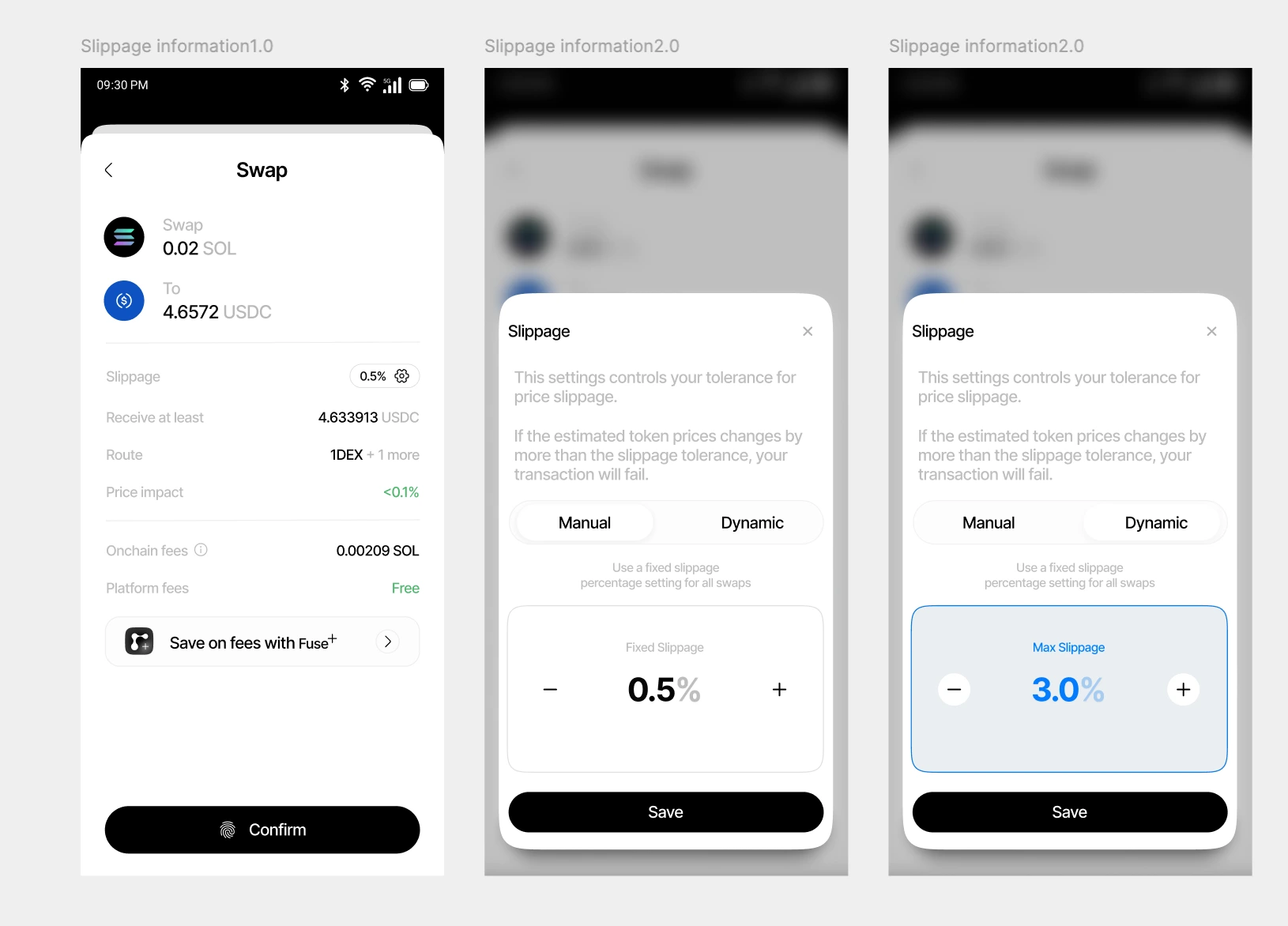
Final Solution
The final Android app achieved:
Feature parity with iOS
Native-feeling navigation and interaction patterns
Preserved visual hierarchy and brand identity
Optimized performance within React Native constraints
Rather than a direct port, the Android version became a platform-sensitive adaptation of the original experience.
The result was a cohesive cross-platform product that felt consistent in logic and identity, while respecting the expectations of Android users.
Like this project
Posted Mar 20, 2026
The Fuse Wallet Android app is a native recreation of the existing Fuse Wallet, purpose-built to deliver a seamless Web3 experience for Android users.
Likes
0
Views
1
Timeline
Aug 1, 2025 - Nov 30, 2025