Understanding Bioavailability in Supplements

Keren Beki

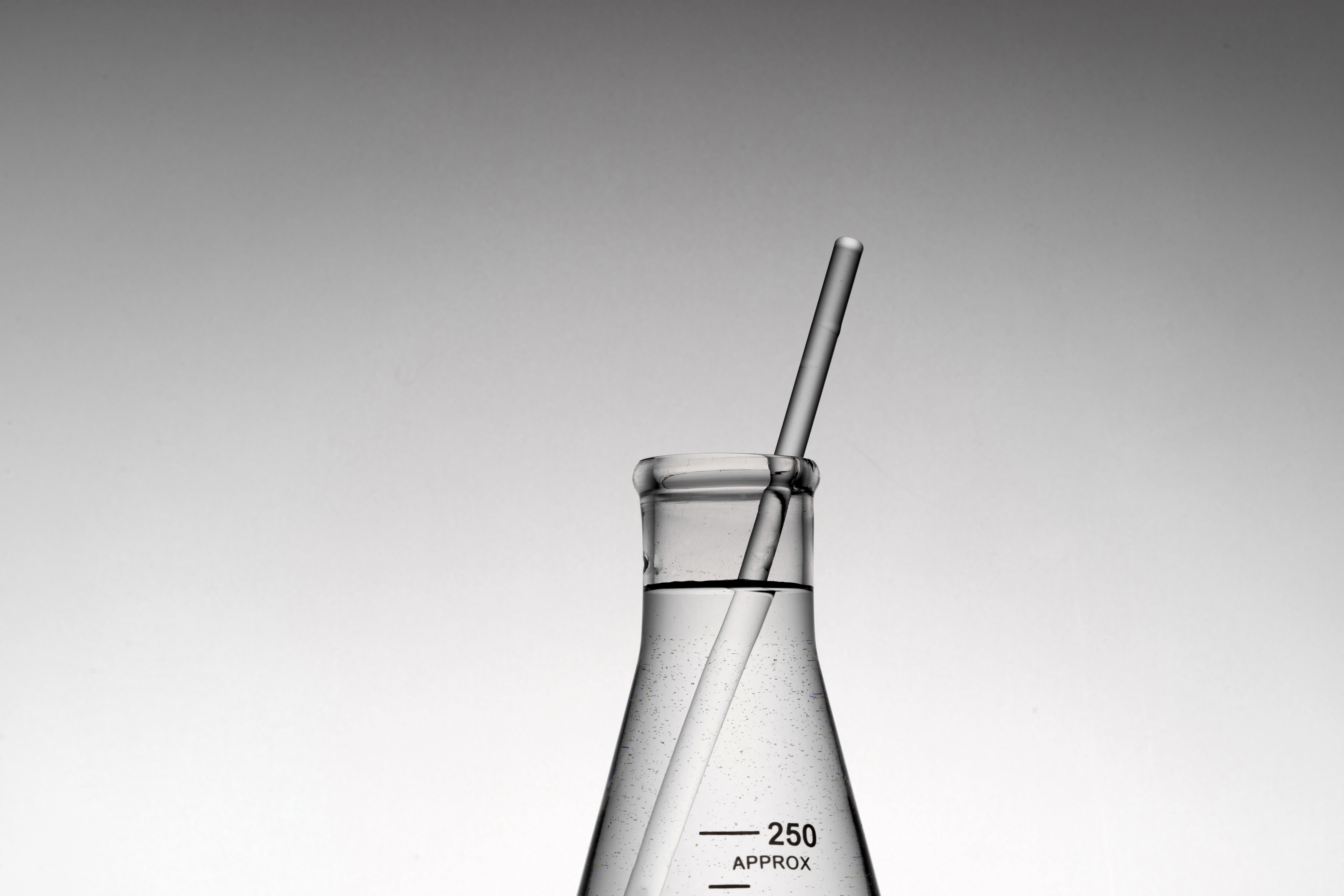
Designed for Absorption: Why Bioavailability Matters
Not all supplements are created equal.
Two products can contain the same ingredient, even at the same dose, and still work differently in the body.
The difference often comes down to one thing: bioavailability.
In simple terms, bioavailability refers to how much of a compound your body can actually absorb and use. Because taking something isn’t the same as absorbing it.
That distinction shapes everything.
When you choose a supplement, you’re not just choosing ingredients. You’re choosing how those ingredients will interact with your body. If absorption is inefficient, the potential benefits may never fully materialize.
Understanding bioavailability helps bridge that gap.
What Does Bioavailability Mean?
When you swallow a supplement, it doesn’t instantly go to work.
Before it can be used, it must:
Break down properly
Move through the digestive system
Enter the bloodstream
Reach the cells where it’s needed
Bioavailability describes how efficiently that entire process occurs, from ingestion to utilization.
If only a small portion is absorbed, the remainder simply passes through unused. That doesn’t necessarily mean the ingredient itself is ineffective. It may simply mean the body wasn’t able to access it efficiently.
That’s why delivery matters just as much as ingredients.
Why Absorption Makes a Difference
Your body is selective.
It doesn’t absorb every compound equally. Some dissolve easily and are quickly absorbed. Others break down slowly or don’t absorb efficiently.
This is why two supplements with identical labels can produce different experiences.
It’s not just about what’s listed on the bottle. It’s about how well your body can actually use it.
When absorption is considered during formulation, it can support:
More consistent outcomes
More reliable utilization
A smoother overall experience
Instead of relying on higher amounts, thoughtful design focuses on efficiency.
Because efficiency is what turns intake into impact.
From Intake to Impact
Once a supplement is consumed, several steps determine how effective it may be.
It must dissolve properly, remain stable through digestion, pass into circulation, and ultimately reach the cells where it’s needed.
Each step is connected. If one part of that process is inefficient, the overall effect may be reduced.
For example:
If a compound doesn’t dissolve fully, absorption may be limited.
If it degrades too quickly during digestion, less may reach circulation.
If circulation is inefficient, it may not reach the tissues where it’s intended to act.
This doesn’t mean higher doses are the solution.
It means design matters.
When the journey from ingestion to utilization is considered carefully, the body has a better opportunity to use what it’s given.
More Isn’t Always Better
It’s easy to assume that higher amounts automatically mean stronger results.
But increasing dosage doesn’t guarantee greater effectiveness if absorption is limited.
Your body can only work with what it actually absorbs.
If a significant portion passes through unused, taking more may not meaningfully change the outcome.
That’s why science-forward formulations focus on:
Balance
Stability
Solubility
Practical dosing
The goal isn’t overload.
It’s optimization — supporting the body in a way that aligns with how it naturally processes nutrients.
Precision often matters more than excess.
The Role of Dissolvability

One factor that influences bioavailability is how well a compound dissolves.
If something doesn’t dissolve properly, it may not be absorbed efficiently. Dissolution is the first step in making a nutrient available to the body. Without it, absorption cannot follow.
Formulations designed to dissolve quickly and consistently can help improve the body’s ability to utilize what’s consumed.
This isn’t about complexity.
It’s about alignment with physiology.
Small differences in formulation can influence how a compound behaves once it enters the body. Over time, those differences shape the overall experience.
It’s about ensuring that what you take has the opportunity to be used.
Stability and Utilization
Stability also plays a role.
A compound must remain intact long enough to be absorbed. If it degrades too quickly, less may reach circulation.
When stability and solubility are considered together, they influence how efficiently a supplement moves from ingestion to utilization.
These aren’t abstract technical details.
They reflect how the body actually works.
Why Research Matters
Bioavailability isn’t guesswork.
Researchers study how compounds dissolve, absorb, and circulate within the body. Those findings help guide modern formulation strategies.
When absorption is considered from the beginning, it reflects an understanding of physiology rather than relying solely on ingredient lists.
It shifts the focus from quantity to effectiveness.
And that shift matters.
A Practical Perspective
When choosing a supplement, it can help to think beyond ingredient lists.
Consider:
How is it delivered?
Has absorption been considered in its design?
Is the formulation aligned with how the body processes nutrients?
These questions encourage a more informed approach, without requiring scientific expertise.
Transparent brands often share how their products are designed, not just what they contain.
Because effectiveness depends on more than dosage alone.
It depends on usability.
A Clear Perspective
Bioavailability bridges the gap between what you consume and what your body can actually use.
Ingredients matter.
But absorption determines impact.
When formulation is built around how the body functions, it supports a more precise and intentional approach to wellness.
Because in the end, it’s not about how much you take.
It’s about how much your body can truly utilize.
Project Context
An educational article explaining oxidative stress and cellular health in clear, accessible language. The goal was to translate a science-heavy topic into something easy to understand while maintaining credibility and composure.
Goal
• Define oxidative stress in simple, accurate terms
• Clarify the role of free radicals and antioxidants
• Make complex science feel structured and approachable
• Avoid alarmist or exaggerated language
The Challenge
Content on oxidative stress is often either overly technical or overly vague. Readers are left confused by dense terminology or unclear explanations, making it difficult to understand what oxidative stress actually means in practical terms.
Strategic Approach
The article reframes oxidative stress as a matter of balance rather than danger.
Complex ideas were:
• Broken into digestible sections
• Defined in plain language
• Organized logically from foundation to application
The tone remains calm, informative, and science-forward without overwhelming the reader.
Intended Outcome
Increase reader comprehension, improve engagement, and position the brand as a credible, transparent source of wellness education.
Like this project
Posted Feb 11, 2026
Taking a supplement isn’t the same as absorbing it. Discover why bioavailability matters and how smarter formulation supports better absorption.
Likes
0
Views
11