Nexus Analytics — SaaS Branding & Webflow Development

Michael Zang


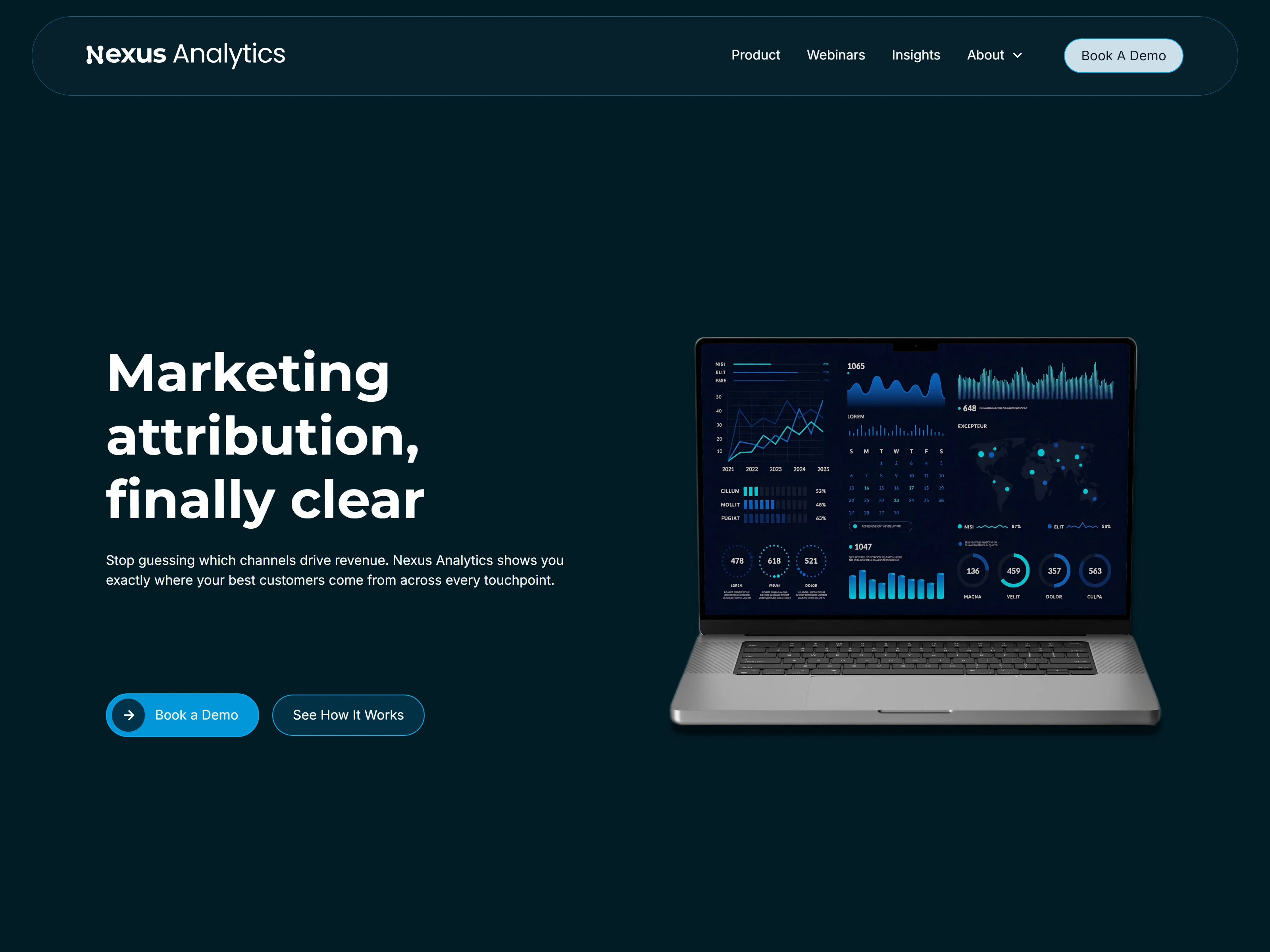
Nexus Analytics — SaaS Brand Identity & CMS-Driven Webflow Website
A self-directed transformation of a large educational Webflow project into a custom SaaS marketing website, combining original branding, logo design, product-focused imagery, and adapted CMS content.
Live website: nexusanalytics.webflow.io
Overview
Nexus Analytics is a concept SaaS brand focused on marketing attribution for e-commerce businesses. The website presents a product story around helping marketing teams understand channel performance, connect customer touchpoints, and communicate marketing value more clearly. Its current homepage introduces multi-touch attribution, revenue reporting, and executive dashboards as the core product concepts.
I developed the project by transforming Atelier Axiom—a global contemporary cultural platform from Flux Academy’s “Scaling Up / Big Websites” class project—into a distinct SaaS marketing experience.
The work went beyond changing a name or color palette. I created a custom brand and logo, replaced the cultural-platform direction with SaaS-focused content, and reworked the visual presentation around a different audience, offering, and visitor journey.
Project type: Independent concept project
My role: Brand identity, logo design, visual adaptation, content adaptation, and Webflow development
Platform: Webflow
Current stage: Final testing and remaining section interactions
Project Context
This self-directed concept project began with Atelier Axiom, the global contemporary cultural platform featured in Flux Academy’s “Scaling Up / Big Websites” class project. I adapted that educational foundation into Nexus Analytics, creating a custom brand identity and logo and reworking the content, imagery, and website presentation for a SaaS company. This was an independent portfolio project, not a commissioned client engagement.
Starting Point and Project Scope
The original Flux Academy project provided the foundation for working within a large, CMS-driven Webflow website, including structured content, sorting functionality, and agency-oriented development practices.
My contribution was to reinterpret that foundation for Nexus Analytics rather than reproduce the original cultural-platform concept.
This required reconsidering how the website introduced the brand, explained its offering, organized educational content, and directed visitors toward a demo request. The project became an exercise in adapting an established website system to a substantially different business context while maintaining consistency across its pages.
This is an educationally derived, self-directed project—not a commissioned SaaS client engagement or a functioning analytics application.
The Challenge
The main challenge was making the website feel intentionally designed for a SaaS company rather than visibly adapted from another industry.
A cultural platform and an analytics company tell different stories. Their visitors need different information, their content serves different purposes, and their imagery must communicate different ideas.
I organized the transformation around three priorities:
Create a recognizable identity for Nexus Analytics.
Replace the original narrative with a clear SaaS product story.
Adapt the website’s content and presentation across company pages, educational resources, events, and demo-focused sections.
The goal was to bring these changes together into one coherent website rather than a collection of independently redesigned pages.
Brand Identity and Custom Logo
I created the Nexus Analytics brand and a custom logo specifically for this project.
The identity established a consistent visual foundation for the website, connecting navigation, page headings, calls to action, supporting imagery, and content-driven sections.
A dark navy and blue/cyan direction supports the technology-focused presentation. Consistent typography, spacing, and interface treatments help the different page types feel like parts of the same company.
The logo forms part of that larger system. Rather than treating it as a standalone portfolio graphic, I developed it for use within the website’s actual visual environment.
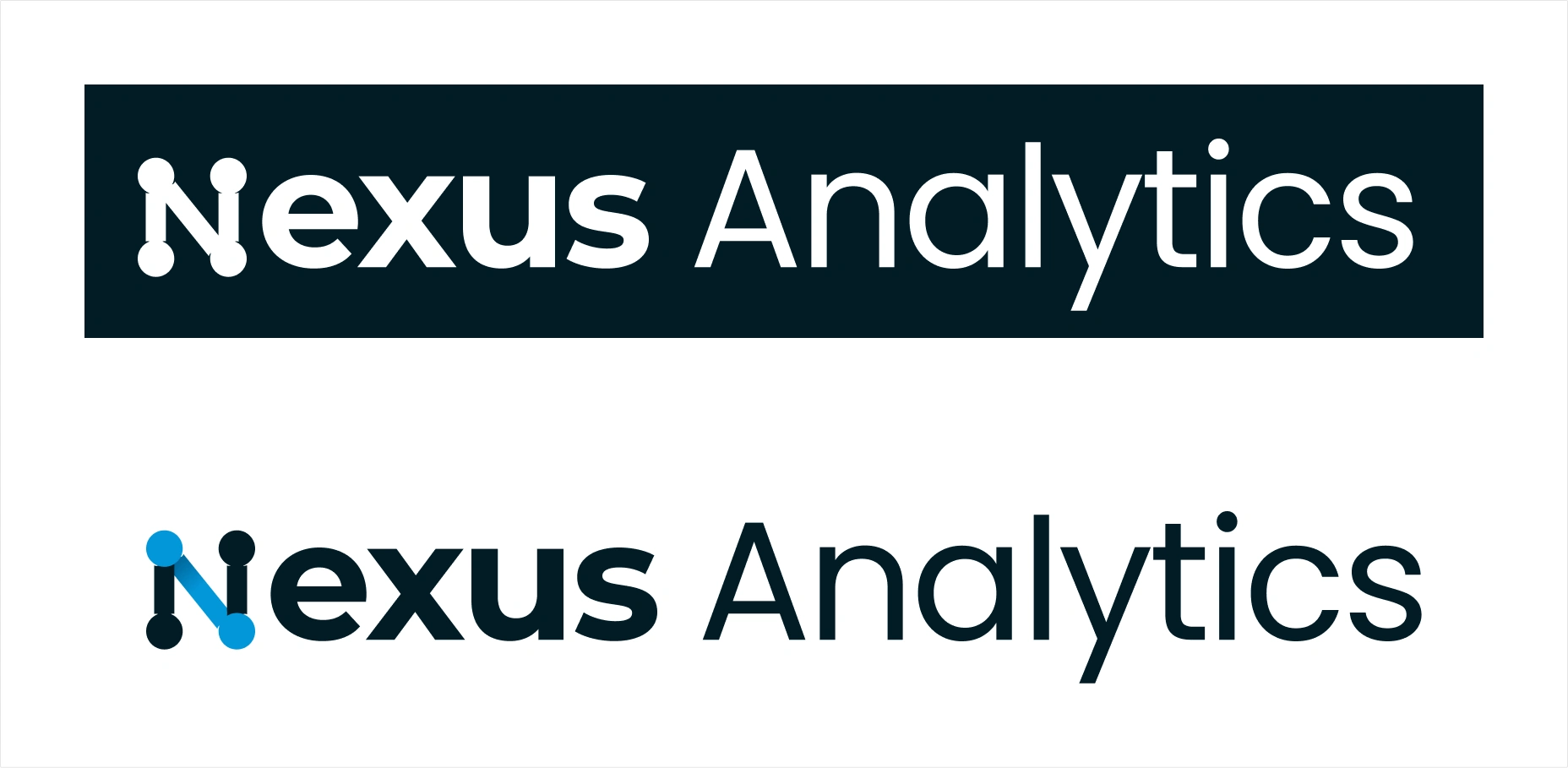
Custom Nexus Analytics identity, created specifically for the SaaS website concept.
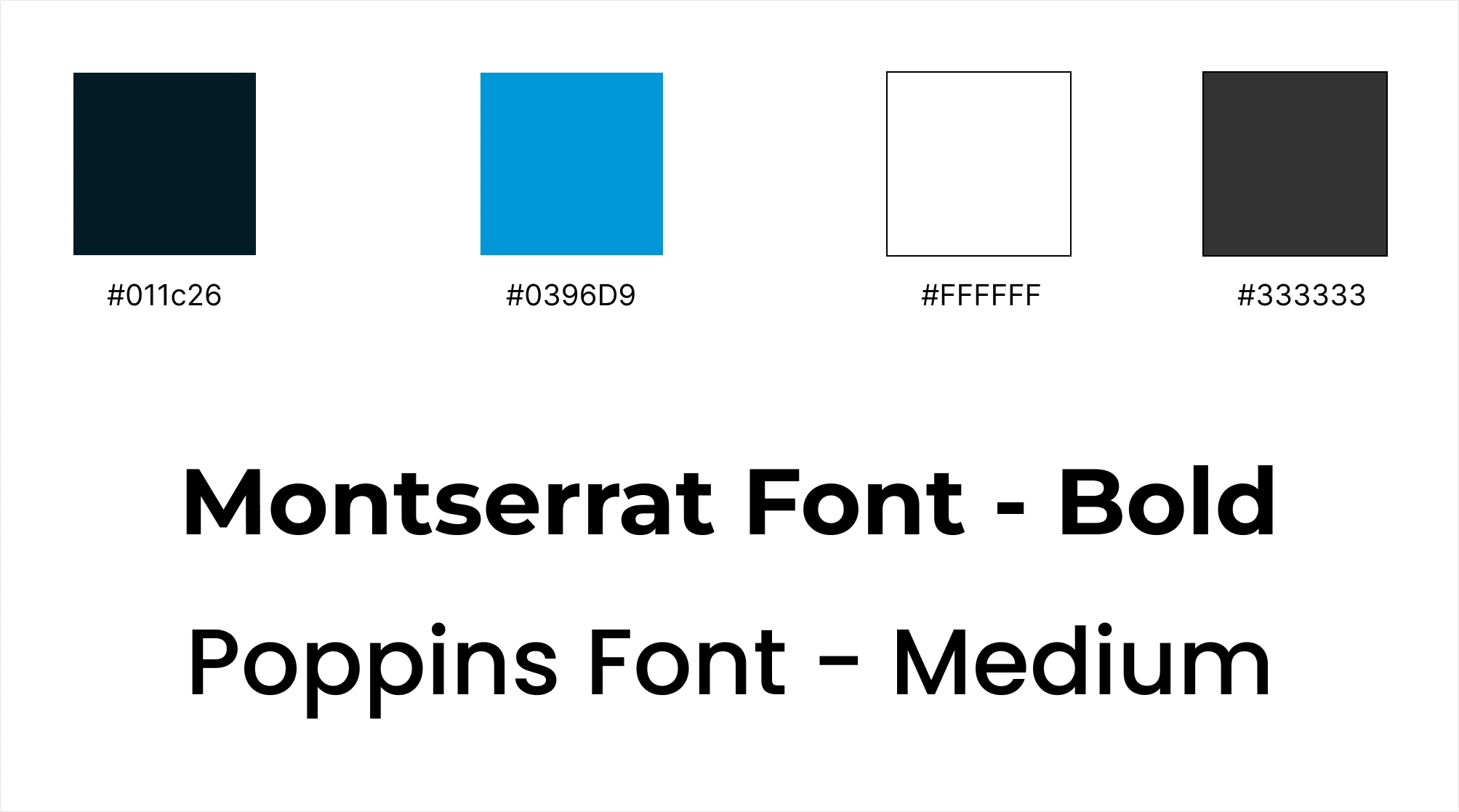
A coordinated visual system applied across branding, interface elements, and website content.
SaaS Content and Visual Direction
I replaced the original cultural-platform subject matter with content centered on marketing attribution and e-commerce analytics.
The homepage frames the product around a practical business problem: marketing channels competing for credit while decision-makers need a clearer view of revenue contribution. It then introduces product concepts and a setup sequence to explain the proposed offering.
The broader website extends that direction through company information, educational content, events, and demo-oriented messaging.
My focus was on maintaining a consistent relationship between content and design. Headlines, product imagery, supporting graphics, and calls to action needed to reinforce the same positioning rather than simply fill the original layouts.
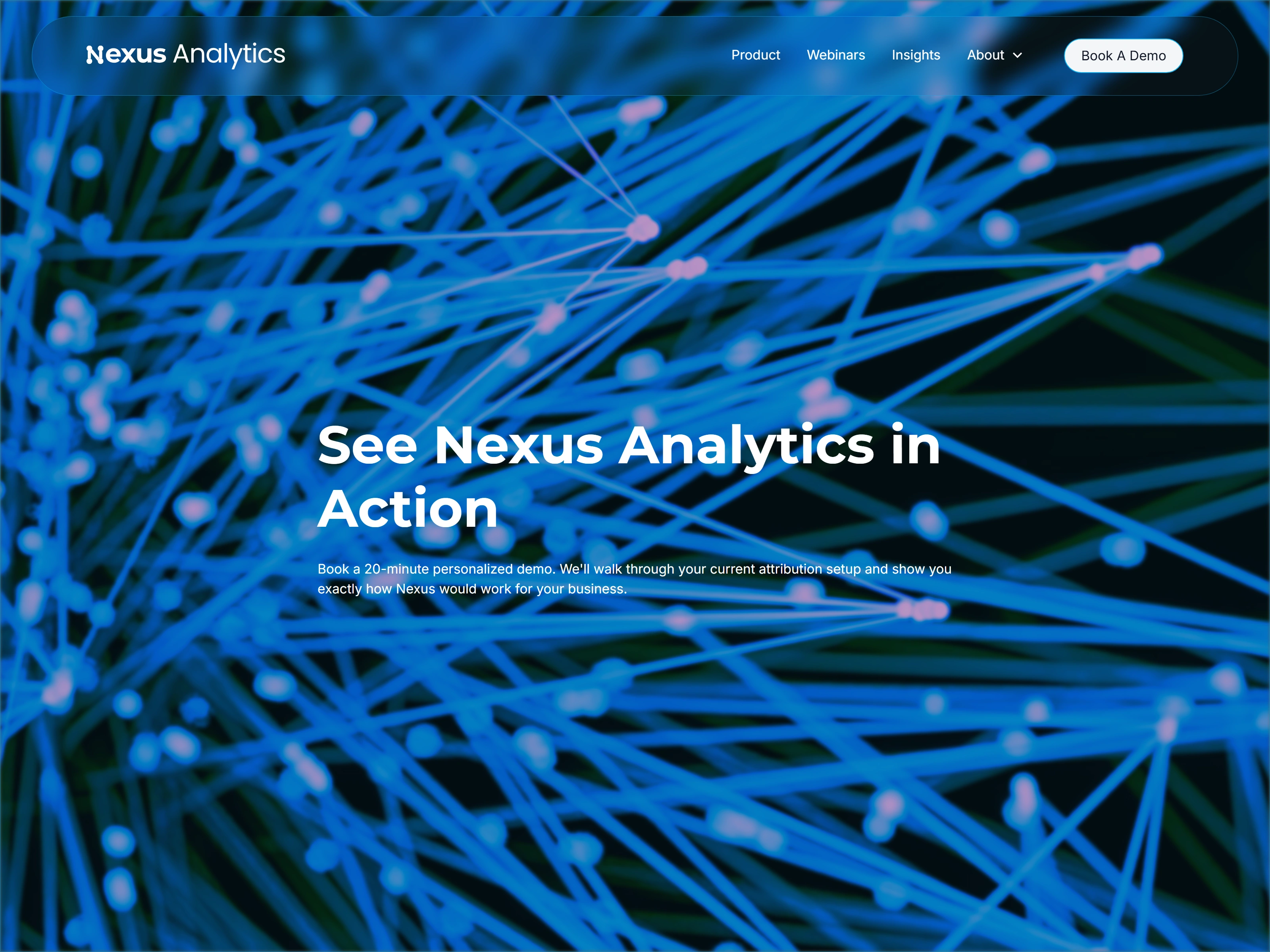
Book A Demo page
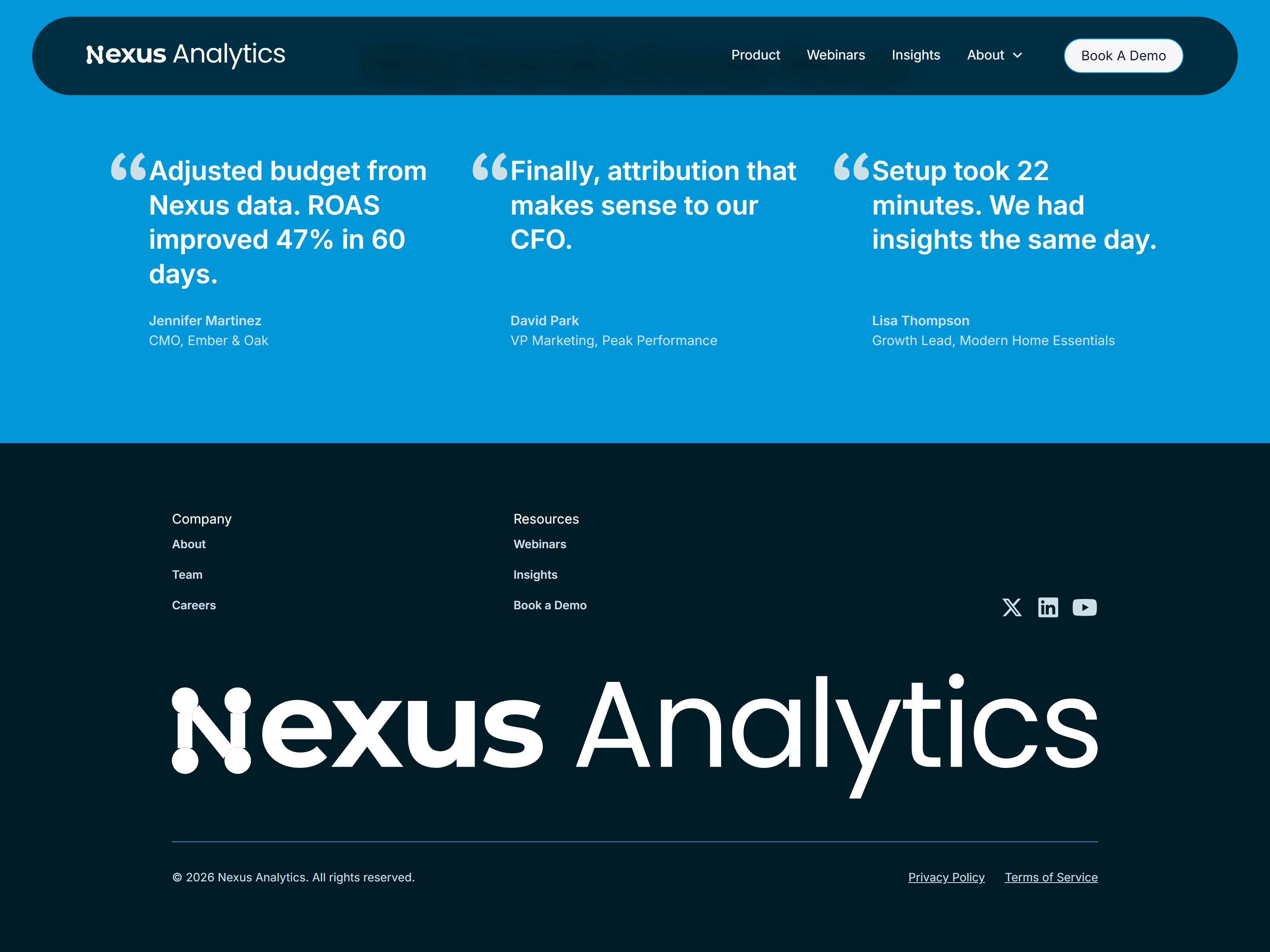
Book A Demo page footer
CMS and Content Adaptation
The project’s CMS-driven foundation was adapted to support the Nexus Analytics content direction, including blog posts, events, and team information.
This involved working beyond isolated static pages. Repeated content needed to remain consistent across listings and individual entries while supporting the new SaaS context.
The published homepage includes educational topics such as attribution models, reporting techniques, CRM integration, and channel strategy. These entries establish the intended role of the resource content within the concept website.
Working from an existing large-site foundation also required distinguishing reusable structure from content and presentation that needed to change. The objective was to make the system serve the new brand rather than preserve the original project’s subject matter.
Product Imagery and Responsive Design
I developed the image direction around presenting Nexus Analytics as a cohesive SaaS brand.
Device mockups and analytics imagery help communicate the product concept, while supporting graphics connect the company and resource pages to the same visual language.
For the homepage hero, I developed a responsive presentation using MacBook artwork for desktop and an iPad composition for tablet and mobile. The intention was to adapt the artwork to the available layout rather than simply shrink a wide laptop image onto smaller screens.
The responsive approach uses native Webflow breakpoint visibility within a shared visual wrapper, with component-specific naming following the Client-First convention.
This made the hero image work part of the responsive design process—not just an asset placed into the page.
Navigation and Motion
The implemented navigation begins transparent over the hero and transitions to a solid background after the visitor scrolls beyond that section.
This interaction connects the navigation to the opening composition while giving it a distinct background through the rest of the page.
The motion direction is restrained and supports the website’s content rather than competing with it. Remaining section interactions and final testing are the last stage of the project.
Outcome and Current Status
Nexus Analytics brings together original branding, a custom logo, SaaS-focused messaging, product imagery, responsive presentation, and adapted CMS content within one Webflow website.
The project demonstrates my approach to taking an established educational foundation and making deliberate changes across identity, content, design, and implementation to support a different business context.
As a concept project, its outcome is the website and the work it demonstrates. It does not represent a launched analytics platform, a paid client engagement, or measured improvements in revenue or conversion.
The core website and visual work are in place, with final testing and remaining section interactions still in progress.
Live website: nexusanalytics.webflow.io
Like this project
Posted Oct 19, 2026
Self-directed SaaS website concept with custom branding, logo design, responsive layouts, and CMS-driven content, developed in Webflow.