Field Research and Unexpected Lessons in Banyuwangi

Yulita Putri

Embracing Bad Surprises from the Field (And Learning from It)
·
4 min read
·
Oct 21, 2024
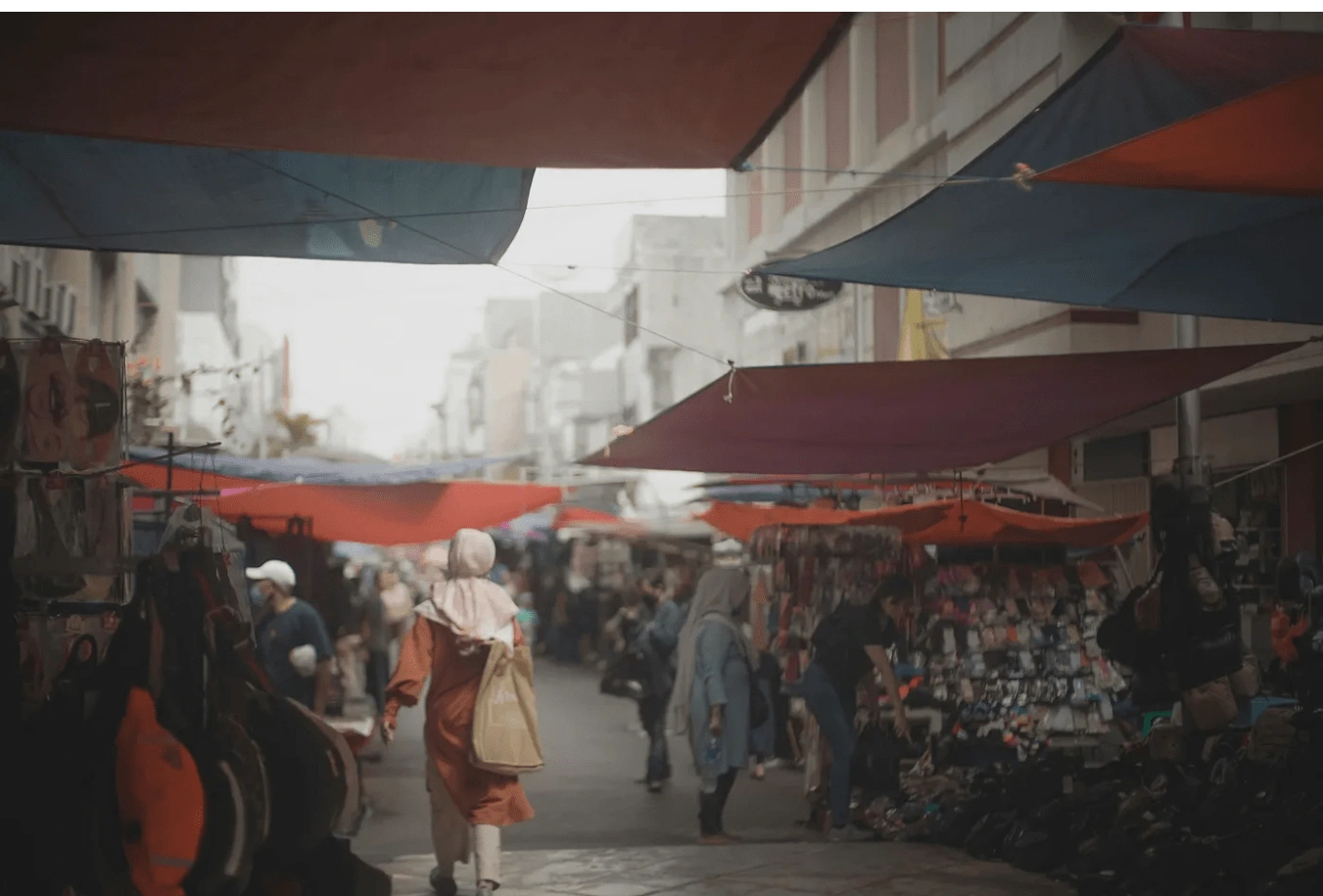
As part of a product team who build products that solve users problem, I engaged in extensive field research to connect with our users. We meet diverse individuals across various locations — from bustling cities to quieter towns, in transportation hubs, universities, malls, and even in homes. Our field interviews take place in a range of settings: from trendy coffee shops to meeting rooms, train stations, bus terminals, pangkalans, and warung kopis.
Photo by Indira Tjokorda on Unsplash
I always strive to anticipate and mitigate any issues that may arise during my work. However, despite my best efforts, I find that about 70% of my fieldwork doesn’t go as planned. Various external factors often disrupt the research process, reminding me that unpredictability is part of the journey.
In this article, I want to share a mishap on the field and the lessons I’ve learned from unexpected circumstances. I hope these insights can offer valuable takeaways for other researchers out there
One memorable experience occurred at the end of 2017 in Banyuwangi. Although I had conducted exhaustive research with numerous users in Jakarta, we recognized that the users of our products are spread across many other cities in Indonesia. Eager to learn more, we decided to venture to Banyuwangi, a smaller city on the edge of Java Island, just across from Bali. This was our first fieldwork outside of Jakarta.

Photo by fajar raihan on Unsplash
There were three of us: two researchers and one product manager. We handled everything — from planning and recruiting users to executing the interviews. One participant we met was Mas Andika, a local tourist guide who knew many hidden gems in Banyuwangi, including Warung Lompongan, a traditional restaurant famous for its grilled fish. We conducted our interview there and also met Om John, the restaurant owner.
Om John was an intriguing character. A former photojournalist turned restaurateur, he was known not just for his culinary skills but also as a spiritual guru. As a native of Banyuwangi, he claimed to possess the ability to harness local magic.
He explained, “Here in Banyuwangi, sending magic is like sending an SMS to your neighbors. Don’t worry; it’s harmless as long as you don’t do anything wrong. We’re wise people.”
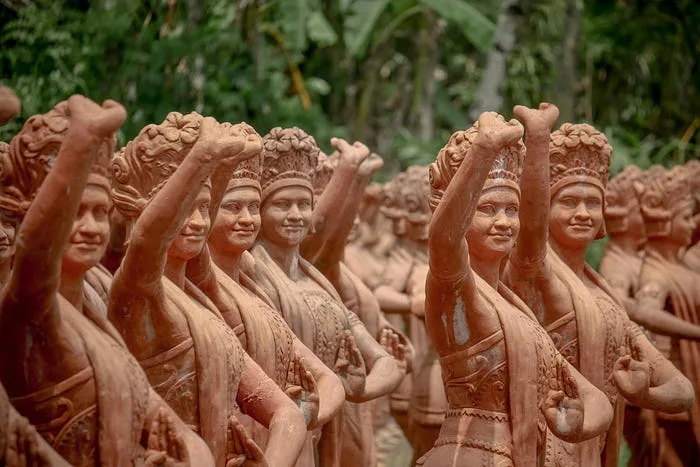
Photo by Marcel Ardivan on Unsplash
I tried to remain unaffected by his claims.
After a few days in Banyuwangi, we had completed several interviews and usability tests. One day, I had to split from the team and head to the biggest Mall in Banyuwangi, Roxy mall, to meet another participant. The interview went smoothly, and afterward, I returned to the hotel for a regroup session. During our nightly retrospective, I recalled an interesting conversation that could lead to new insights. I reached for my voice recorder to replay the session.
But I couldn’t find it.
I searched my bag. Nothing. I checked my room. Still nothing. I looked through my room, still nothing. It was gone.
I suddenly realized I had lost my voice recorder. This was a dire situation because, a) it contained confidential research data, and b) it held all the conversations we had recorded since day one — none of which had been backed up. I felt like I had just ruined my career as a researcher. Losing your tools along with your data is one of the gravest mistakes you can make in this field.
It was late, so we decided to continue searching the next day. We retraced our steps, checking every location: the warung, the mall, restrooms, and parking lots. Despite our efforts, we came up empty-handed. Even after contacting our participants to see if they had found it, there was no luck.
Feeling hopeless, we decided to visit Mas Andika again, who suggested we consult Om John. He might be able to help us trace the lost recorder with his “abilities”. Though it wasn’t the most rational idea, we were desperate. Plus, we were eager to enjoy the delicious grilled fish again, so we went back to Warung Lompongan.
When we shared our predicament with Om John, he empathized and broadcasted the message to his network, asking if anyone had seen the recorder. Then he said, “My gut feeling tells me it’s not lost; it’s somewhere in your place. You just need to calm down, take a deep breath, and let go. Remember, it won’t disappear if it’s meant to be yours.”
His words worked wonders. I felt a wave of calm wash over me.
After finishing my meal, I returned to the hotel. While resting, I suddenly recalled what Om John had said and felt an urge to check my luggage — something I hadn’t done yet.
Guess what? There it was!
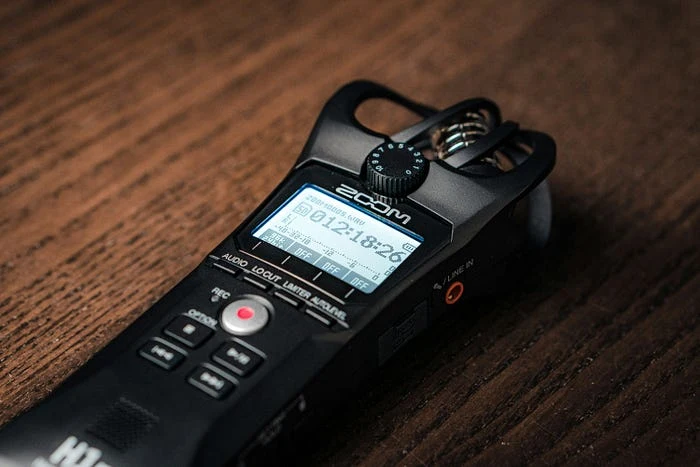
Photo by dlxmedia.hu on Unsplash
The voice recorder was nestled inside a plastic bag within my luggage.
Whether you believe in magic or not, I genuinely think Om John helped me — not through any supernatural means, but by calming me down and allowing me to assess the situation with a clearer mind.
Lesson Learned:
Always label your research tools and keep them organized. Don’t be careless like I was; maintain a checklist of your belongings and verify it each time you move from one place to another. And remember to appreciate local wisdom.
Like this project
Posted Apr 15, 2025
Conducted field research in Banyuwangi
Likes
0
Views
7