How AI Transforms Workplace Collaboration

Mutinta K

How AI Is Changing the Way Teams Collaborate: The Future of Workplace Productivity
Follow
7 min read
·
Just now
Share
Press enter or click to view image in full size
Two years ago, “AI-powered” was a selling point. Now it’s just an assumption. The question for teams has quietly shifted from “does this tool have AI?” to “does the AI actually make my team’s work better?”
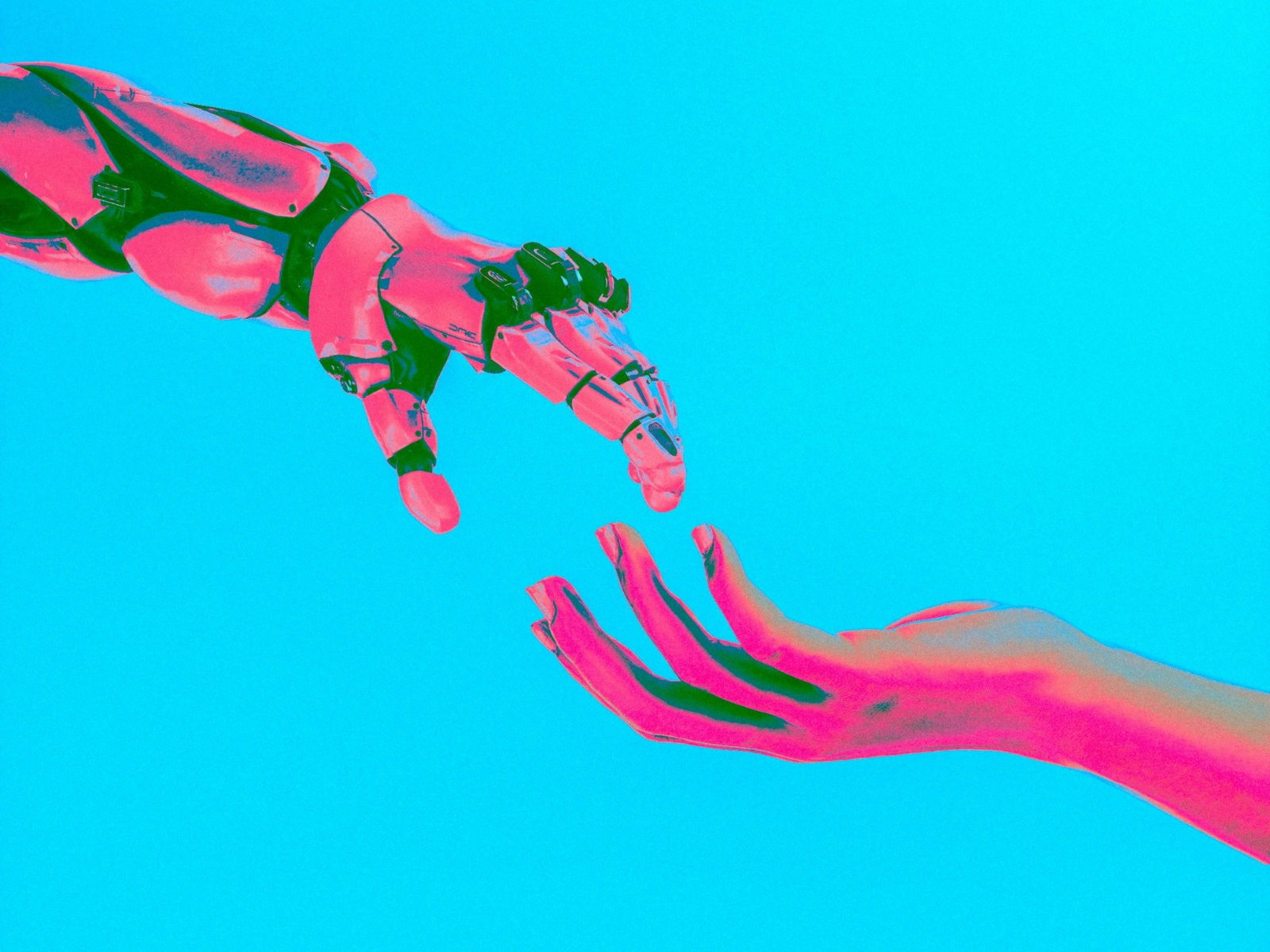
The workplace collaboration landscape is undergoing a seismic shift. Artificial intelligence isn’t just another tool in the productivity stack — it’s fundamentally reshaping how teams communicate, make decisions, and achieve their goals.
From automating mundane tasks to surfacing insights that would take hours to uncover manually, AI-powered collaboration tools are redefining what’s possible in modern teamwork.
The Evolution of Team Collaboration: From Email Chains to Intelligent Workspaces
Traditional collaboration meant endless email threads, scattered documents, and meetings that could have been emails. Today’s AI-enhanced collaboration platforms are transforming this chaotic landscape into streamlined, intelligent workflows that adapt to how teams actually work.
The shift isn’t just about efficiency, it’s about fundamentally changing team dynamics. AI is becoming the invisible team member that never sleeps, constantly learning from patterns, anticipating needs, and removing friction from collaborative processes.
Breaking Down Communication Barriers with AI
Real-Time Language Translation and Contextual Understanding
Global teams no longer struggle with language barriers. AI-powered translation tools embedded in platforms like Microsoft Teams and Slack now provide real-time translation that goes beyond word-for-word conversion. These systems understand context, industry jargon, and cultural nuances, enabling seamless communication across borders.
Practical Impact: A design team in Tokyo can collaborate with developers in Berlin and marketers in São Paulo without language creating bottlenecks. The AI doesn’t just translate, but it preserves tone, intent, and technical accuracy.
Intelligent Meeting Assistants
Tools like Otter.ai, Microsoft Copilot, and Fireflies.ai have transformed meetings from time sinks into productive sessions. These AI assistants:
Transcribe conversations in real-time with speaker identification
Generate actionable summaries and highlight key decisions
Automatically create task lists and assign action items
Surface relevant context from previous meetings
The Team Dynamic Shift: Team members can be fully present in discussions instead of frantically taking notes. Remote workers who miss meetings can quickly catch up through AI-generated summaries, reducing the “fear of missing out” that plagues distributed teams.
Knowledge Management: From Search to Discovery
AI-Powered Knowledge Bases
Traditional knowledge management meant hoping someone remembered to document something and then hoping you could find it. AI is changing this paradigm entirely.
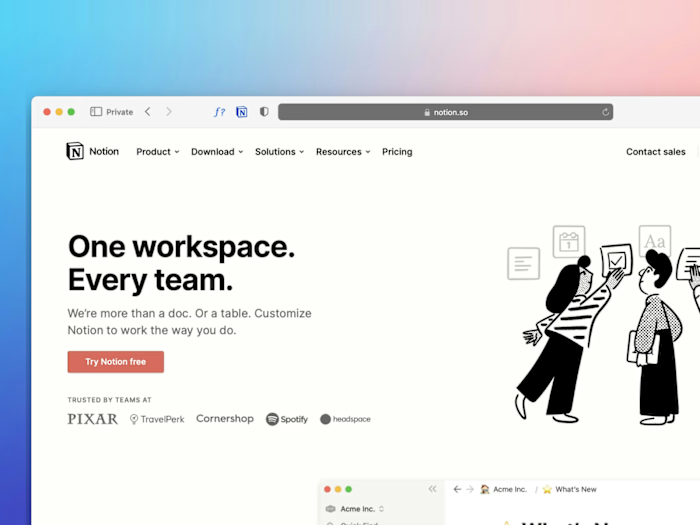
Notion AI, Confluence Intelligence, and similar tools now:
Automatically organize and categorize information
Surface relevant documents before you even search for them
Identify knowledge gaps and suggest documentation needs
Connect related information across different projects and teams
Practical Impact: New team members onboard faster because AI surfaces relevant documentation based on their role and current tasks. Institutional knowledge is no longer trapped in individual team members’ heads or buried in forgotten folders.
Contextual Information Retrieval
Modern AI collaboration tools understand context. When you’re working on a project proposal, the AI proactively suggests relevant past proposals, competitive analyses, and team discussions and without you having to remember they exist or craft the perfect search query.
Automating the Mundane: Freeing Teams for Strategic Work
Intelligent Task Management
AI-enhanced project management tools like Asana Intelligence, Monday.com AI, and ClickUp Brain are moving beyond simple task lists to become strategic planning partners.
These systems:
Predict project bottlenecks before they occur
Automatically adjust timelines based on team capacity and historical data
Suggest optimal task assignments based on team members’ skills and workload
Identify dependencies and potential conflicts
The Productivity Shift: Project managers spend less time updating spreadsheets and more time on strategic planning. Teams experience fewer last-minute crises because AI flags potential issues early.
Automated Workflow Orchestration
Tools like Zapier’s AI features and Microsoft Power Automate with AI Builder enable teams to create sophisticated workflows without coding expertise. The AI suggests automation opportunities by analyzing how teams work.
Real-World Example: A marketing team’s AI system notices they manually copy campaign data from three different platforms into a weekly report. It suggests an automation, builds it with minimal input, and saves the team 5 hours weekly, so there is more time now spent on creative strategy.
Enhanced Decision-Making Through AI Analytics
Data-Driven Insights at Scale
AI collaboration platforms now analyze team communication patterns, project data, and workflow metrics to provide actionable insights that were previously impossible to obtain.
Get Mutinta’s stories in your inbox
Join Medium for free to get updates from this writer.
Subscribe
Subscribe
Remember me for faster sign in
Platforms like Microsoft Viva Insights and Slack Analytics use AI to:
Identify collaboration overload and meeting fatigue
Highlight high-performing team patterns
Suggest optimal times for focus work vs. collaboration
Detect early signs of team burnout
Team Dynamic Impact: Managers make data-informed decisions about team structure and processes rather than relying on gut feelings. Teams become more self-aware about their collaboration patterns and can proactively adjust.
Predictive Analytics for Resource Planning
AI tools analyze historical project data to predict future resource needs, budget requirements, and timeline accuracy with remarkable precision. This transforms planning from guesswork into strategic forecasting.
Personalized Collaboration Experiences
Adaptive User Interfaces
Modern AI collaboration tools learn individual preferences and adapt accordingly. Slack’s AI prioritizes messages based on what’s actually important to you. Notion AI adjusts its suggestions based on your writing style and information needs.
Practical Impact: Each team member experiences the collaboration platform differently, optimized for their role, preferences, and work patterns. This personalization reduces cognitive load and increases engagement.
Smart Notifications and Focus Management
AI-powered notification systems understand urgency, context, and your current focus state. They batch non-urgent messages, escalate truly important communications, and protect deep work time.
The Focus Revolution: Teams report higher quality work and reduced stress because AI manages the constant interruption problem that plagued earlier collaboration tools.
Reshaping Team Dynamics and Culture
From Hierarchical to Networked Collaboration
AI tools democratize information access and contribution. Junior team members can surface insights through AI-powered analytics that might have been overlooked in traditional hierarchies. Ideas are evaluated on merit, with AI helping to surface the best contributions regardless of source.
Asynchronous Collaboration at Scale
AI makes asynchronous work genuinely effective. Tools like Loom AI and Descript enable teams to create, transcribe, and search video communications. AI summaries ensure no one needs to watch hours of recordings to stay informed.
Global Team Impact: Teams spanning multiple time zones collaborate effectively without requiring anyone to work outside their normal hours. The “always-on” culture gives way to “always accessible information.”
Reducing Bias in Collaboration
AI tools can help identify and reduce unconscious bias in team interactions. Some platforms analyze meeting participation patterns and prompt facilitators when certain voices are being underrepresented. AI-assisted hiring and project assignment tools can flag potential bias in decision-making.
Challenges and Considerations
The Human Element Remains Critical
While AI enhances collaboration, it doesn’t replace human judgment, creativity, and emotional intelligence. The most successful teams use AI to handle routine cognitive tasks while focusing human energy on strategic thinking, relationship building, and creative problem-solving.
Privacy and Data Security
As AI tools process more team communications and data, organizations must carefully consider privacy implications and data governance. The best practices include:
Clear policies about what data AI systems can access
Transparency about how AI makes suggestions and decisions
Regular audits of AI system outputs for bias and accuracy
The Learning Curve and Change Management
Implementing AI collaboration tools requires thoughtful change management. Teams need training not just on features, but on new workflows and collaboration paradigms.
The Future of AI-Powered Collaboration
Emerging Trends to Watch
Multimodal AI Collaboration: Future tools will seamlessly integrate text, voice, video, and visual collaboration with AI understanding and contributing across all modalities.
Autonomous AI Team Members: We’re moving toward AI agents that can independently complete complex tasks, participate in planning discussions, and proactively solve problems.
Emotional Intelligence in AI: Next-generation collaboration AI will better understand team morale, interpersonal dynamics, and emotional context, providing insights that help teams work better together.
Hyper-Personalized Collaboration: AI will create unique collaboration experiences for each team member while maintaining cohesive team workflows.
Practical Steps for Teams Adopting AI Collaboration Tools
Start with Pain Points: Identify specific collaboration challenges before selecting AI tools
Pilot Before Scaling: Test AI features with small teams and gather feedback
Invest in Training: Ensure teams understand not just how to use AI tools, but why they’re valuable
Measure Impact: Track concrete metrics like time saved, decision quality, and team satisfaction
Iterate Continuously: AI collaboration tools improve with use — regularly review and optimize your implementation
Conclusion: Collaboration Reimagined
AI isn’t just making team collaboration faster, but it’s making it fundamentally different. Teams are shifting from reactive to proactive, from siloed to connected, from overwhelmed to focused. The most successful organizations aren’t just adopting AI collaboration tools; they’re rethinking how teams work together in an AI-augmented world.
The question is no longer whether AI will change team collaboration, but how quickly teams can adapt to harness its transformative potential. Those who embrace this shift thoughtfully, by balancing AI capabilities with human strengths, will find themselves with a significant competitive advantage in productivity, innovation, and team satisfaction.
The future of collaboration is here, and it’s more intelligent, more adaptive, and more human-centered than ever before.
Like this project
Posted Jul 4, 2026
An article on how AI is transforming workplace collaboration.
Likes
0
Views
14