Plumsail — Design, Development, Illustrations, Animations

Max Berdnikau


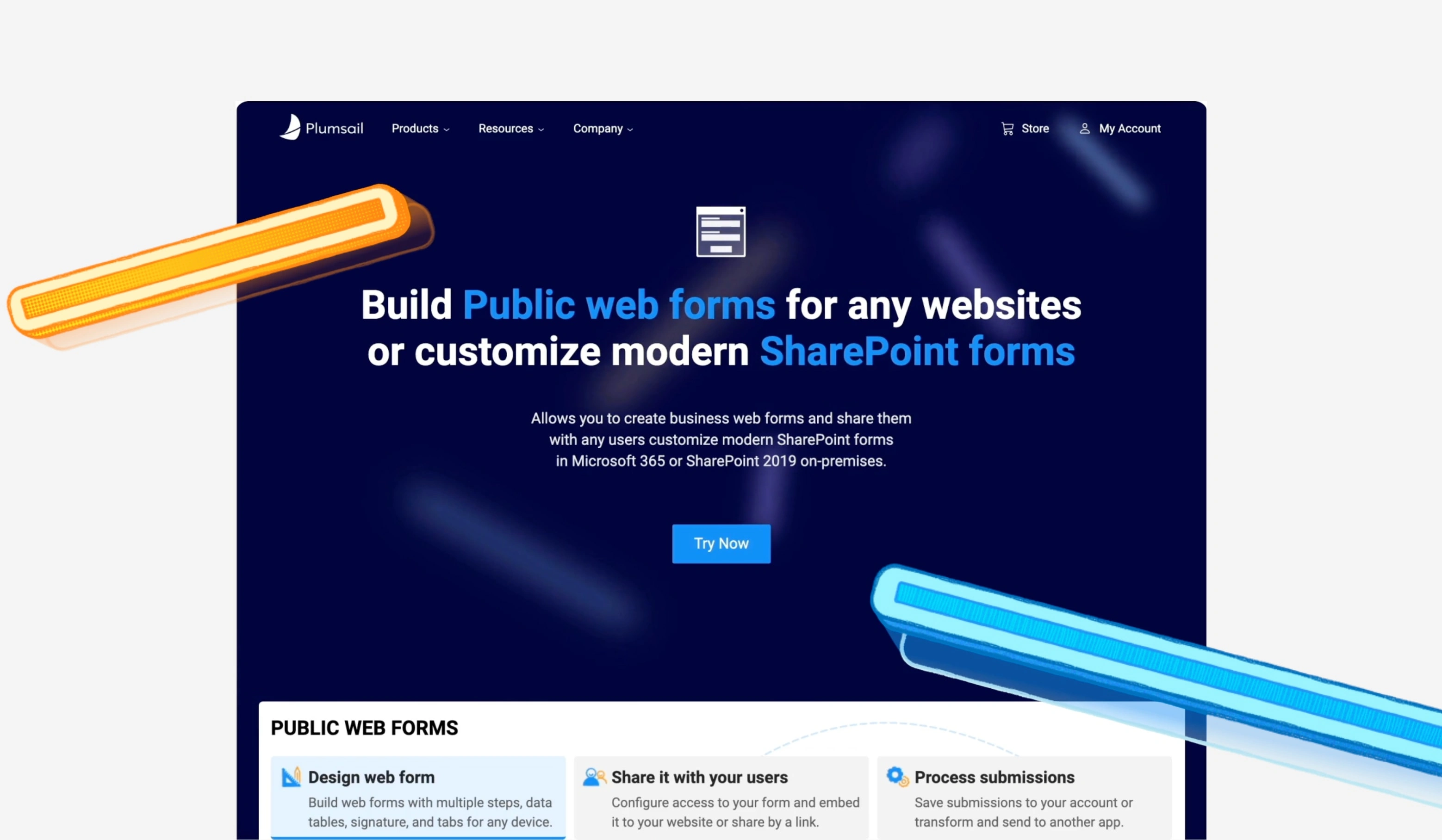
Plumsail is a suite of B2B/B2C SaaS process automation tools built for the Microsoft ecosystem. Our team redesigned the product ecosystem, built a new high-performance marketing experience, and established a scalable design foundation.
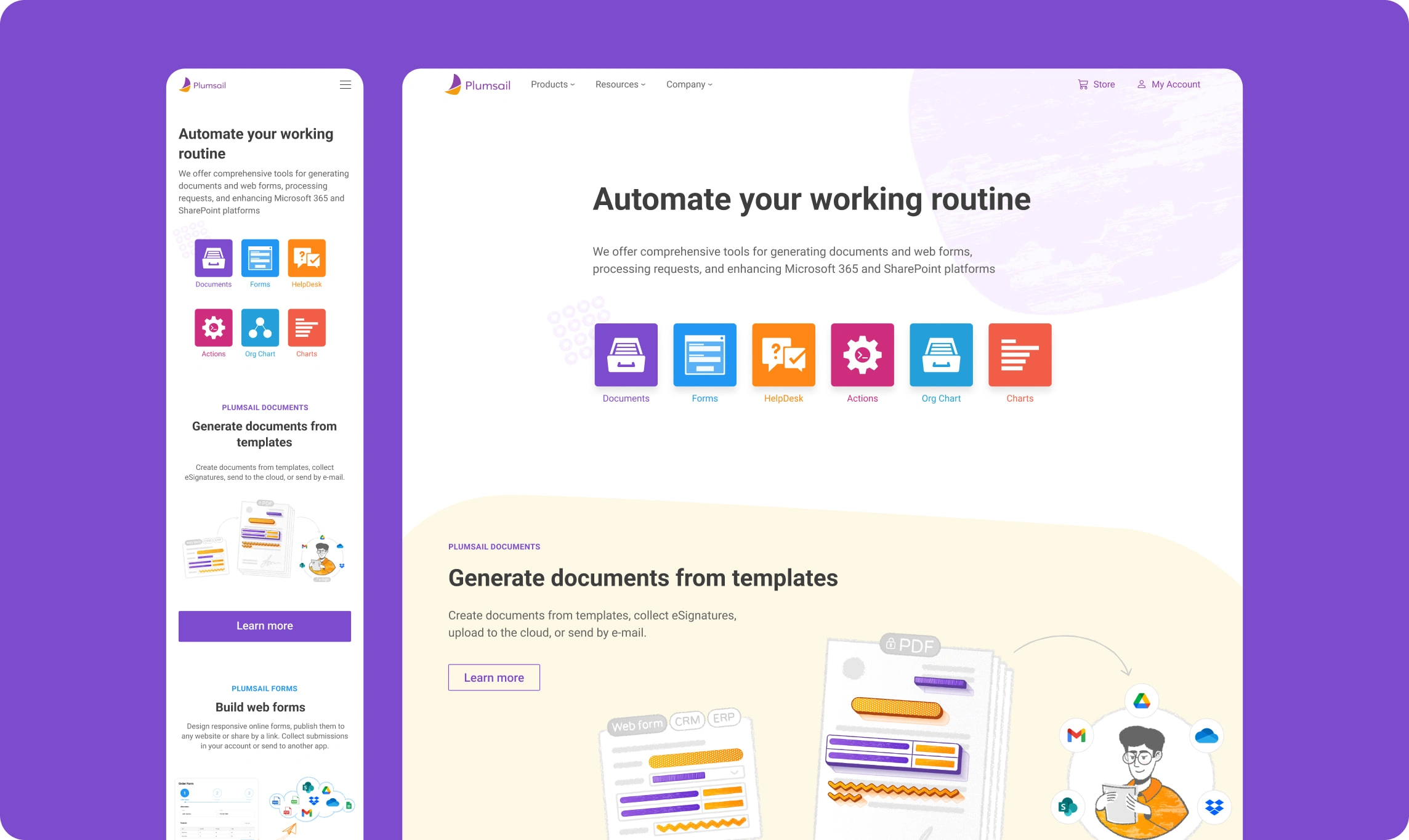
Plumsail offered several related products, each with its own visual identity
Problem & context
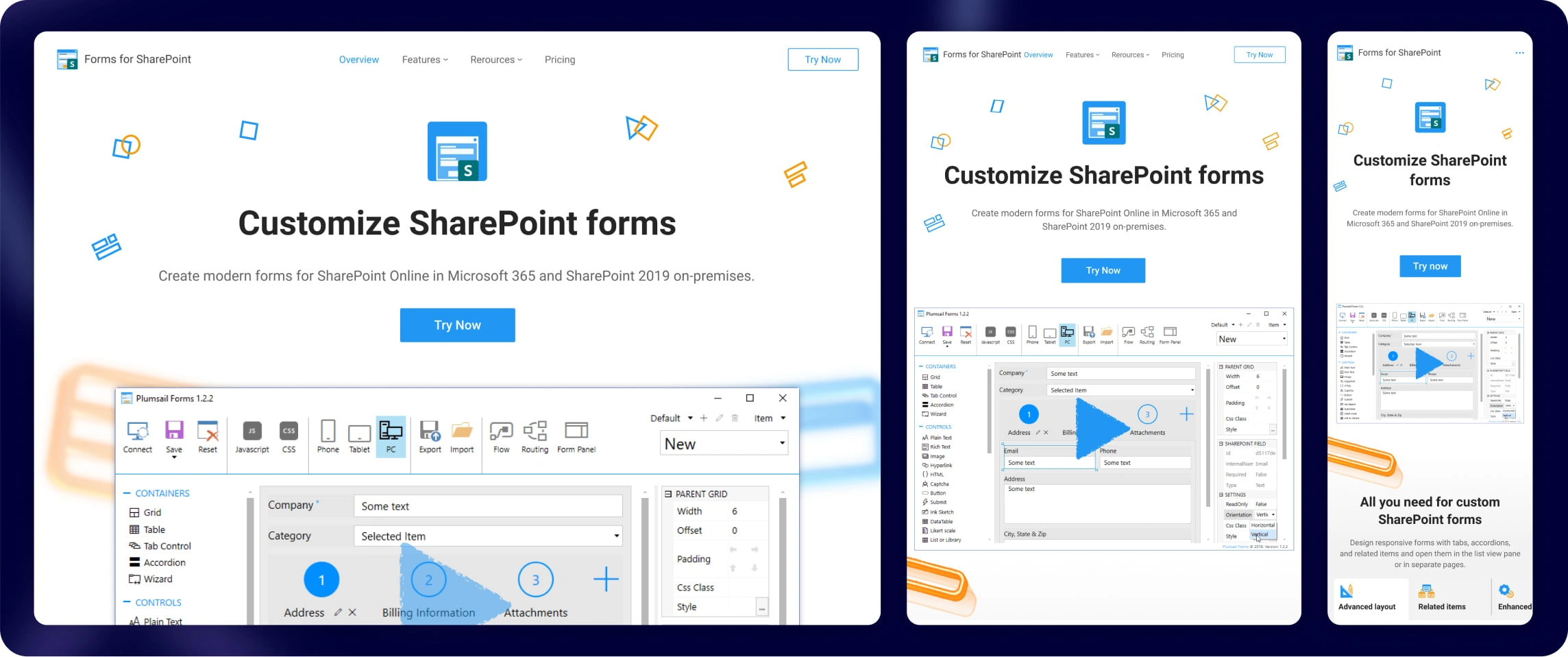
Plumsail offered several related products, each with its own visual identity, architecture, and content legacy. The fragmented system increased cognitive load, slowed development, and diluted brand perception.
Beyond aesthetics, the legacy architecture limited performance and SEO efficiency, directly impacting acquisition and conversions.
Goals & success metrics
Business goals
Improve lead generation and product page conversion.
Create a unified visual system without losing product individuality.
Increase performance and maintainability of the marketing platform.
Success metrics
Faster page loads (Lighthouse benchmarks).
Improved SEO ranking and organic traffic.
Higher product-level conversion and trial signups.
Reduced design/development overhead via shared system.
Discovery & research
We analyzed products, competitor landscape, technical constraints of multi-site architecture, and more.
Insights & key findings
Users judge product credibility heavily from UI clarity, content structure, and speed.
Visual fragmentation caused users to treat products as unrelated, reducing cross-sell opportunities.
Slow performance and poor SEO metrics created friction early in the funnel.
Strategic insight: A unified system could both elevate brand trust and reduce technical and operational overhead.
Solution strategy
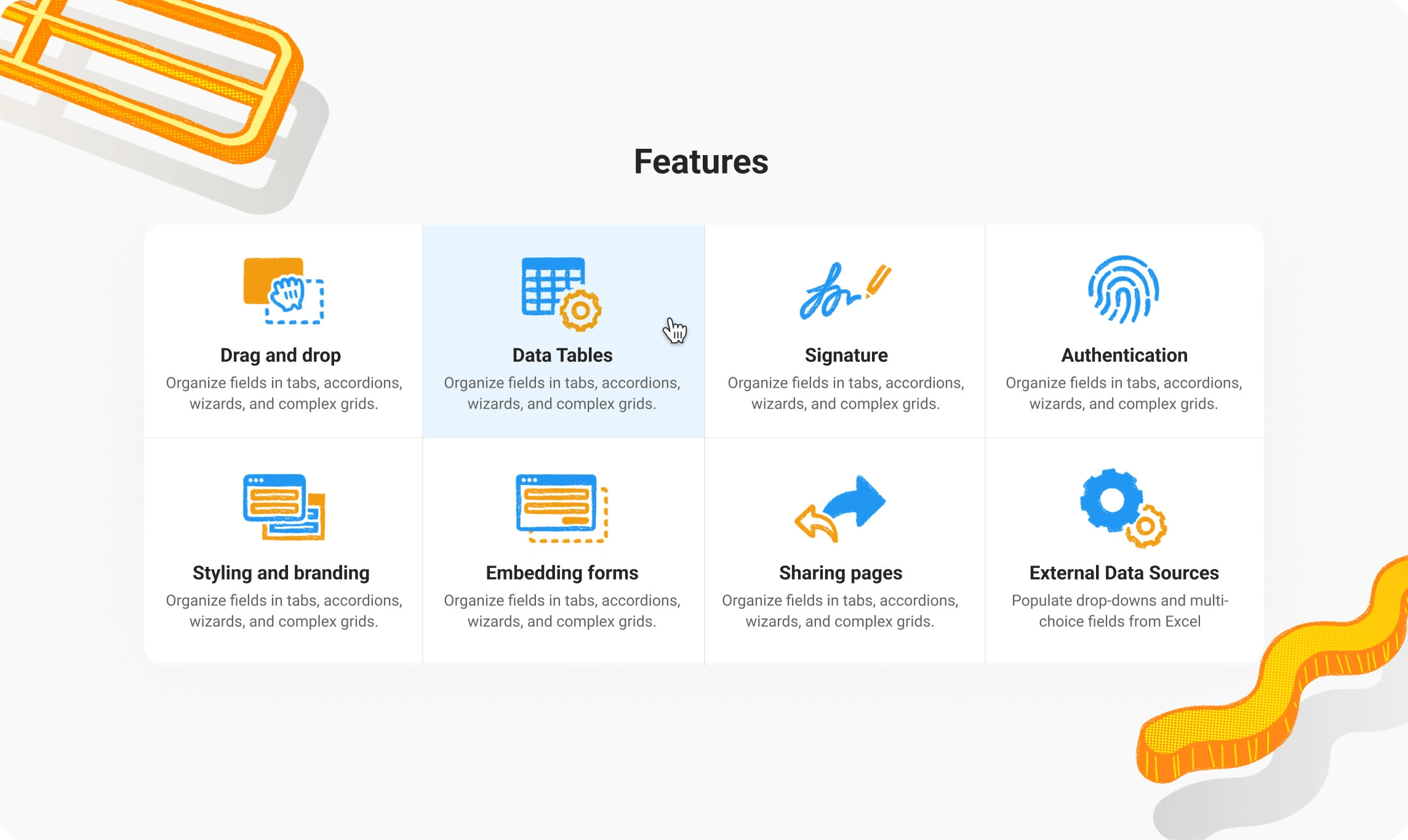
We designed a multi-product system that balanced shared components with flexible differentiation.
Business reasoning:
Consistency → improved brand equity
Modular identity → reduced redesign costs
Shared CSS → reduced page weight and dev effort
Technology strategy:
Implement Static Site Generation for speed and resilience.
Design process & decisions
Core decisions
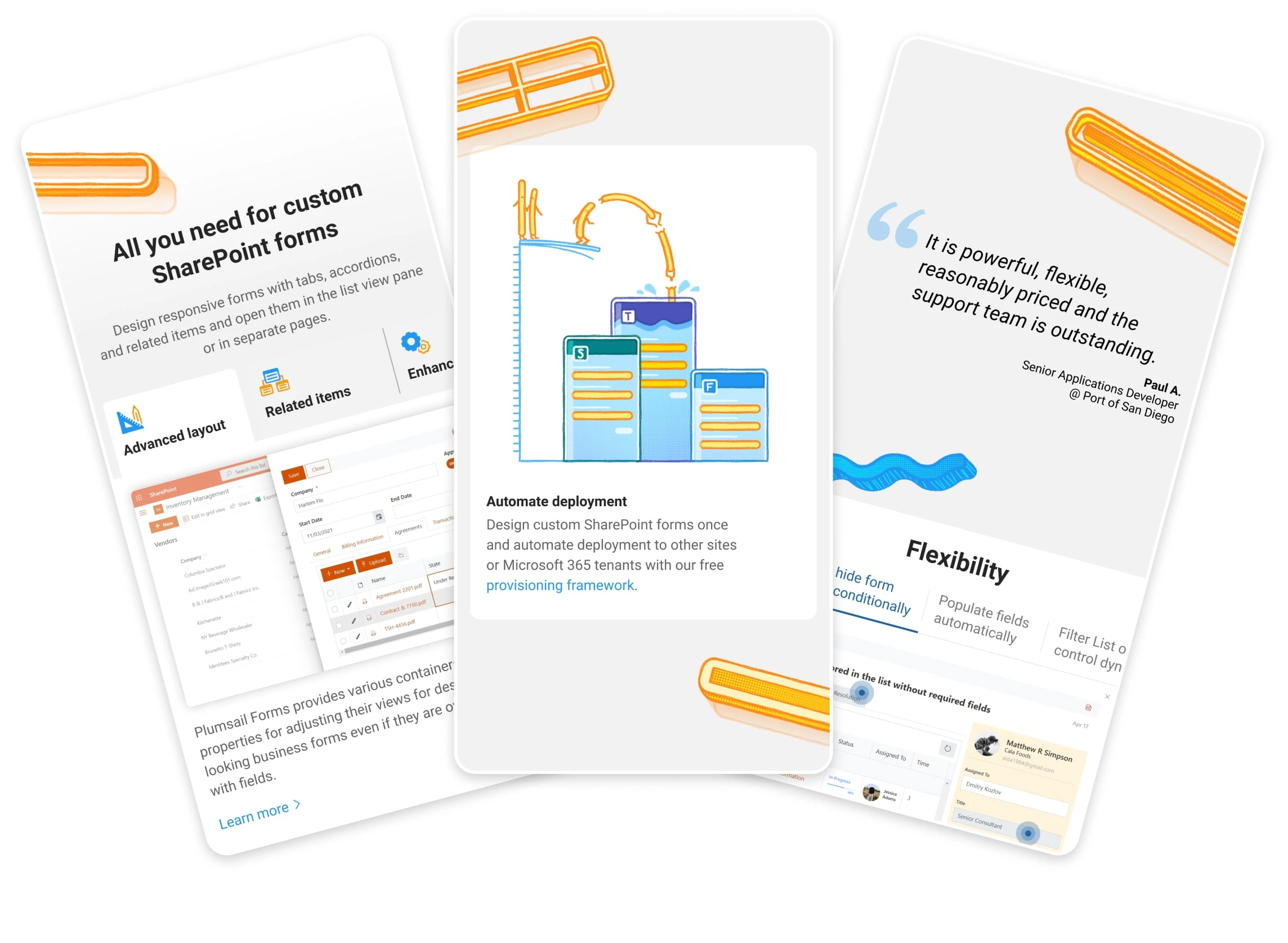
Shared visual language, with unique expressions per product.
Flexible components to allow new product launches without redesign.
Information architecture aligned for cross-sell opportunities.
Motion/illustrations used to clarify complex features, not just decorate.

Final design
The final UI featured:
Clean, modern layouts with clear hierarchy.
Custom illustrations and diagrams visually explaining automation logic.
Lightweight, subtle animations to clarify interactions.
Product-specific color accents within a unified ecosystem.
Interactive animations for engaging experiences
Animations are not just visually appealing, they also convey the product's purpose. In this case, automatic PDF conversion.

Implementation & handoff
Technical implementation focused on performance and maintainability:
Shared CSS architecture across products.
Static Site Generation for exceptional loading performance.
SEO optimization and accessibility improvements.
This significantly reduced page weight and improved Lighthouse scores.

Results & impact
Outcomes included:
Improved landing page conversions.
Outstanding benchmark performance.
Scalable design ecosystem enabling future growth.
Reduced development overhead and faster iteration cycles.
Like this project
Posted Jul 24, 2025
Unified design system and high-performance architecture transformed Plumsail from fragmented identity into a scalable, conversion-driven product ecosystem.