Chief Stix - Reinventing Tobacco Cigarettes

Thiago Patriota



Introduction
At 22 years old, I was entrusted with Chief Stix, the most significant project of my early career. This high-priority initiative demanded intense focus and rapid execution. As the lead on the project, I spearheaded all brand communications and developed the digital infrastructure crucial for the company's market entry and expansion strategy.
The project's vision was revolutionary: to develop a superior alternative to traditional cigarettes, crafted from pure medical cannabis flower without tobacco, nicotine, or artificial additives. This innovative product aimed to elevate the smoking experience beyond conventional cigarettes. Creating such a disruptive solution aligned perfectly with my professional aspirations to drive meaningful change through my work, inspiring me to pour my full expertise and passion into the project.
The Smoking
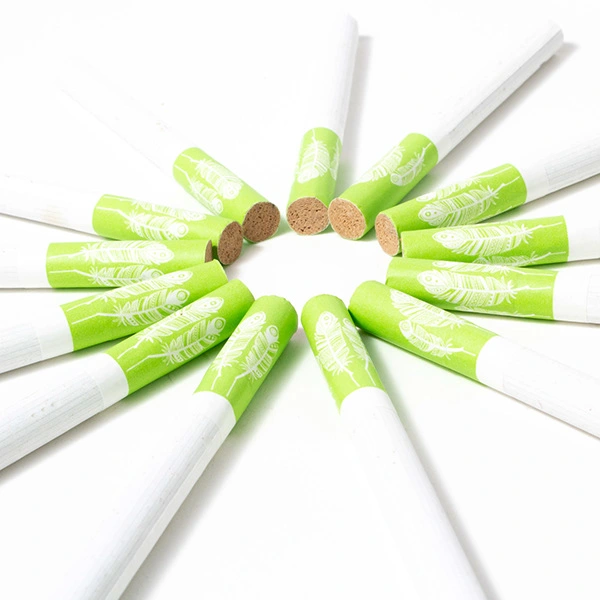
Smoking has deep historical roots in indigenous cultures, particularly among Native American tribes, where it transcended mere physical consumption and became a profound spiritual practice. For many indigenous communities, smoking was a sacred ritual performed by tribal leaders and chiefs as a means of meditation, communication with spiritual realms, and accessing ancestral wisdom. Tobacco and other sacred herbs were not viewed as addictive substances, but as powerful conduits for prayer, introspection, and connection to the supernatural. During ceremonial gatherings, chiefs would use smoking as a meditative technique to enter altered states of consciousness, seek guidance from spiritual entities, and make critical community decisions. The act of smoking was imbued with symbolic meaning—the rising smoke was seen as a bridge between the physical and spiritual worlds, carrying prayers and intentions to the heavens. This ritualistic practice was fundamentally different from contemporary recreational smoking, representing a holistic approach to spiritual exploration and communal understanding that integrated mind, body, and spirit.
Branding & Logo Design

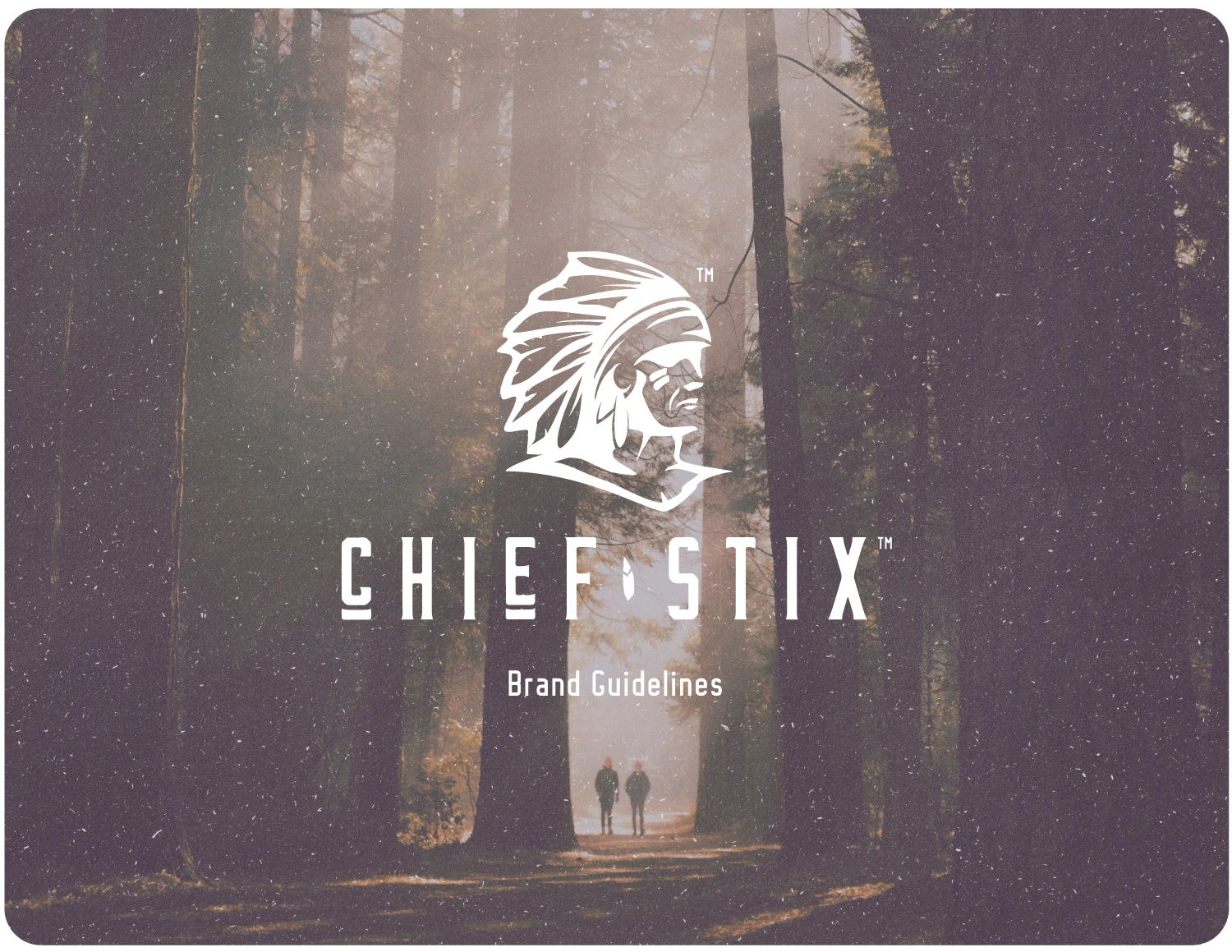
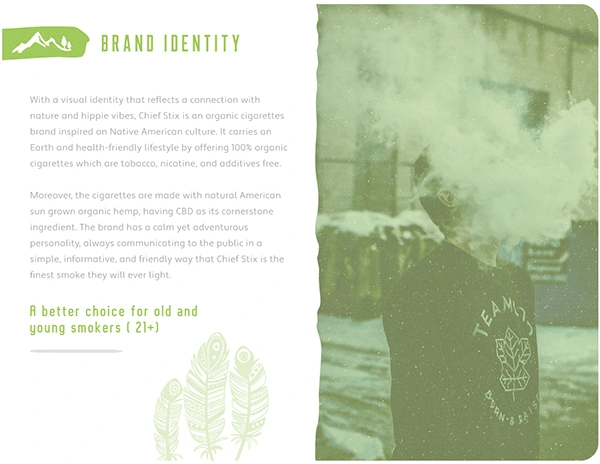
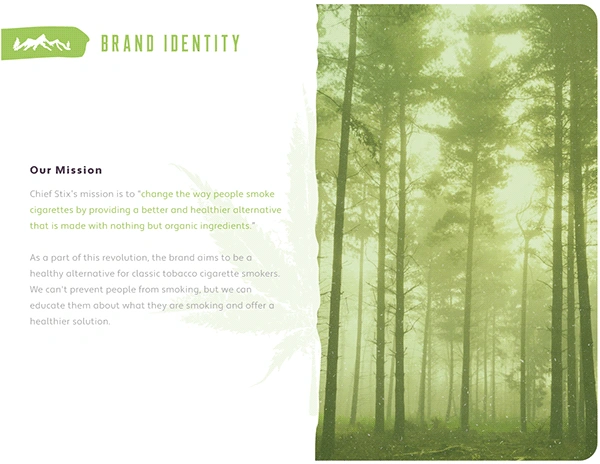
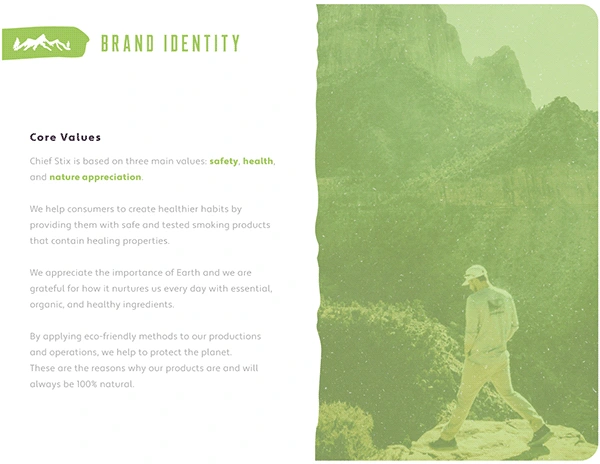
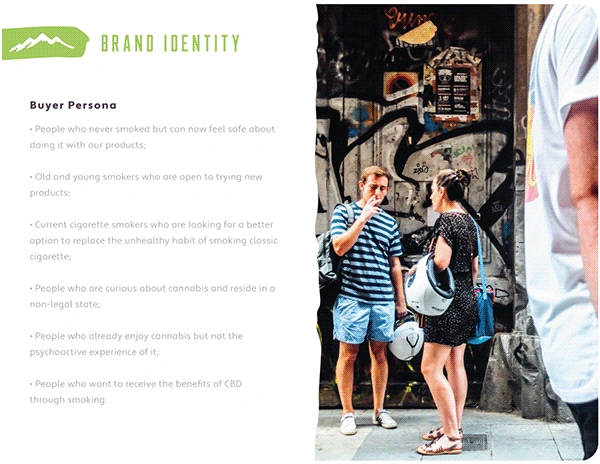
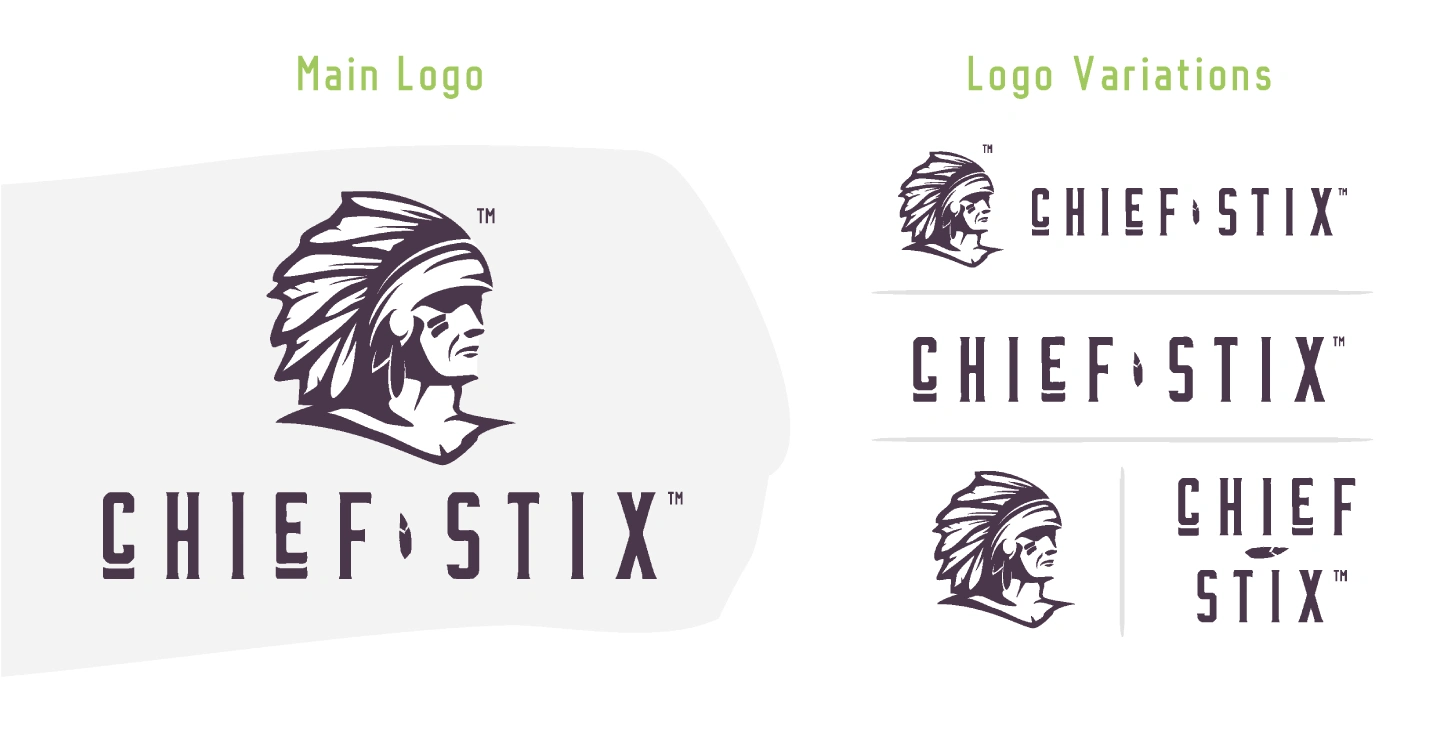
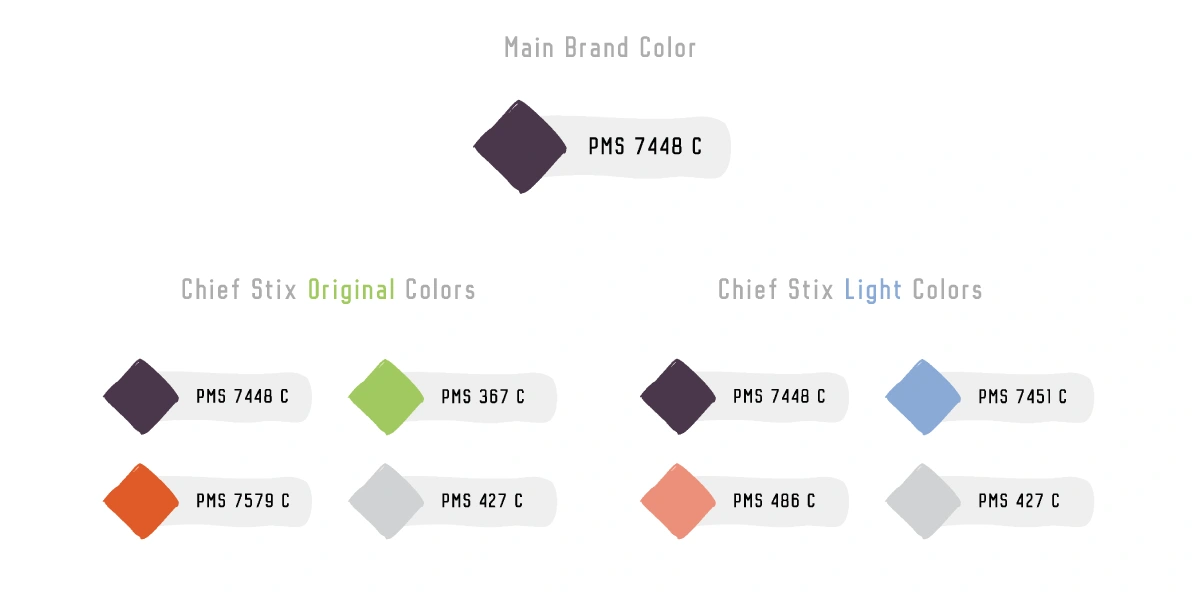
Developing the Chief Stix brand identity was an organic journey rooted in the project's Native American heritage. My design process focused on creating a logo that authentically captured the brand's cultural essence, seamlessly blending historical significance with contemporary design. The client specified a green color palette, which became the foundation for our creative exploration. Through collaborative brainstorming sessions with my mentor, we evolved the visual identity into a gritty, raw aesthetic that reflected the brand's innovative spirit and cultural roots.


Packaging Design
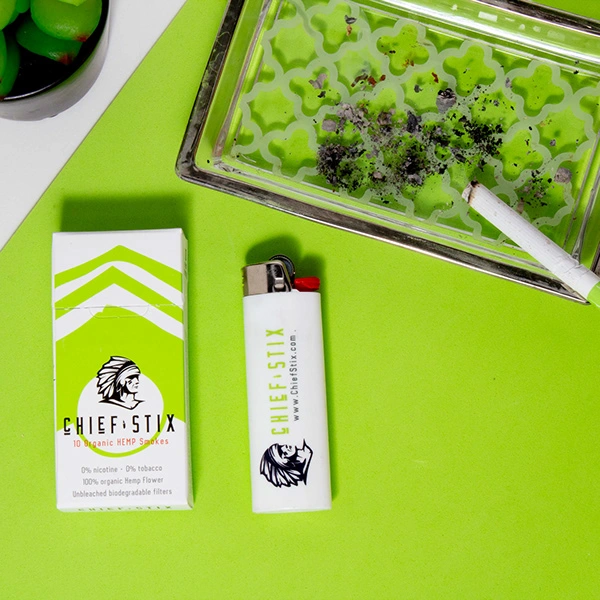
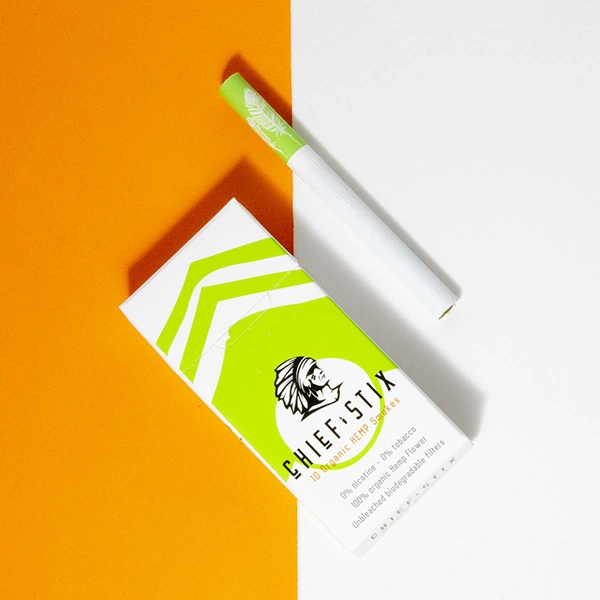
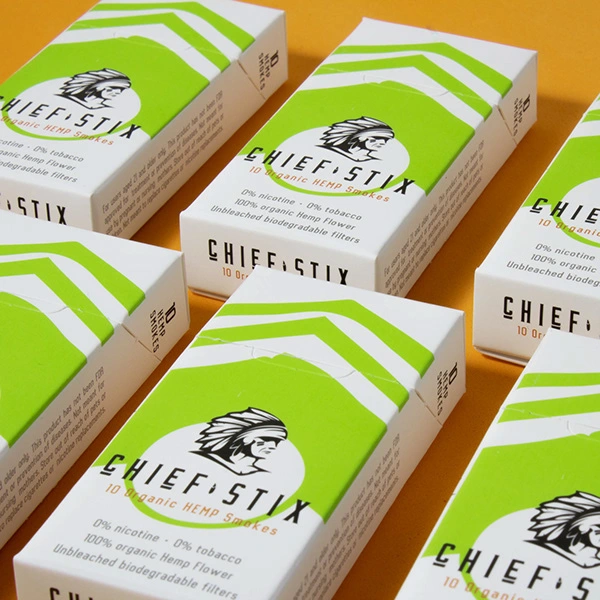
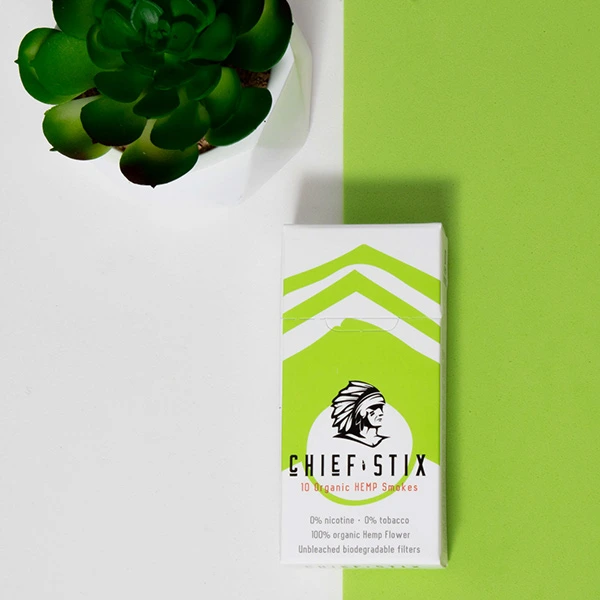
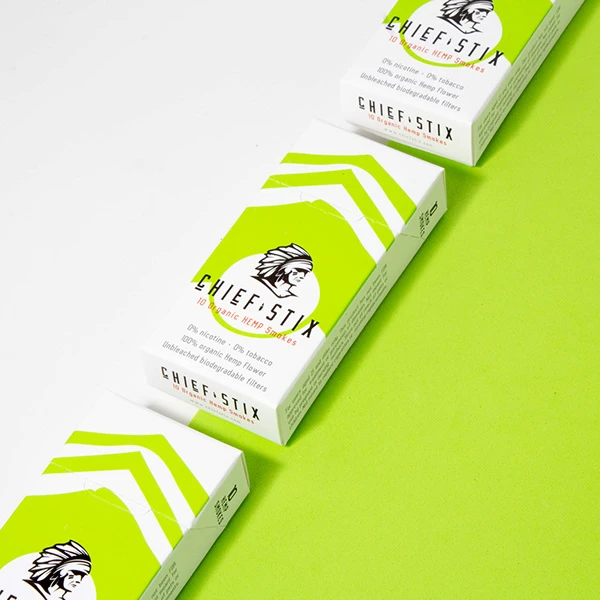
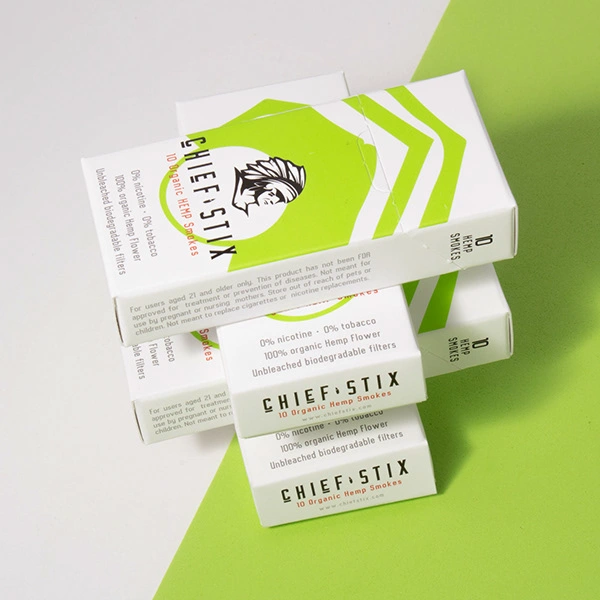
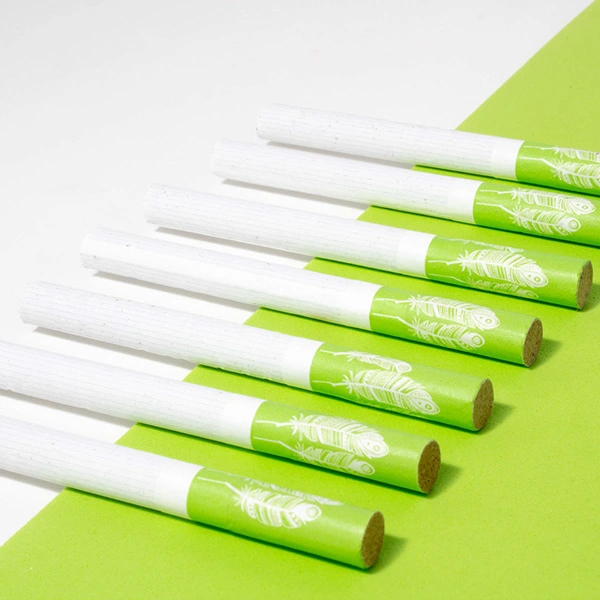
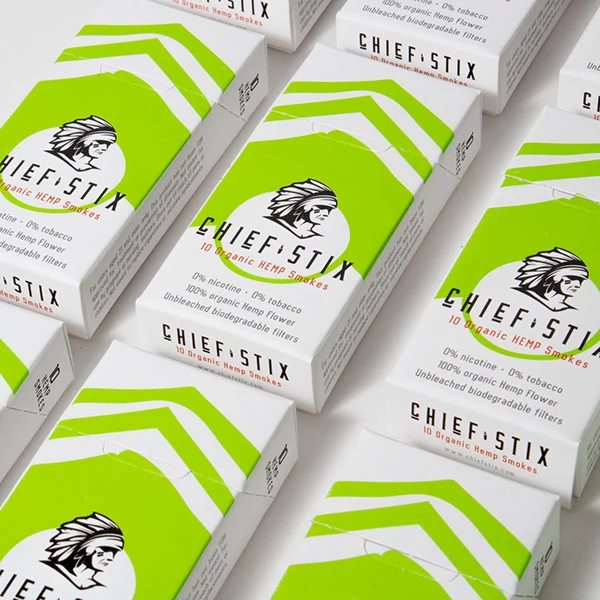
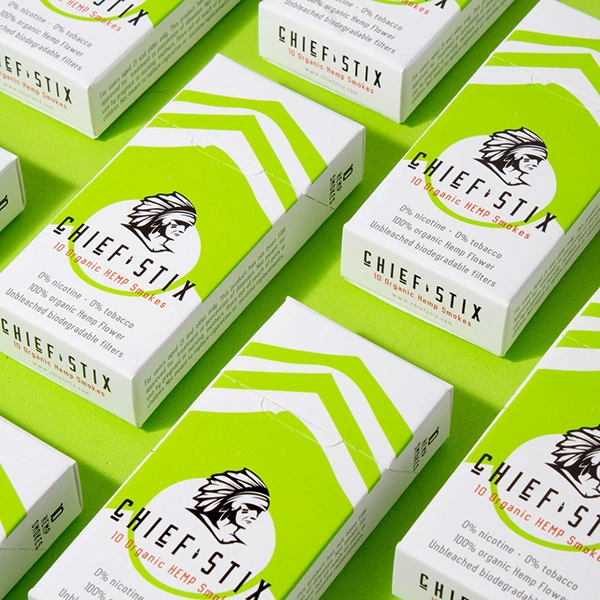
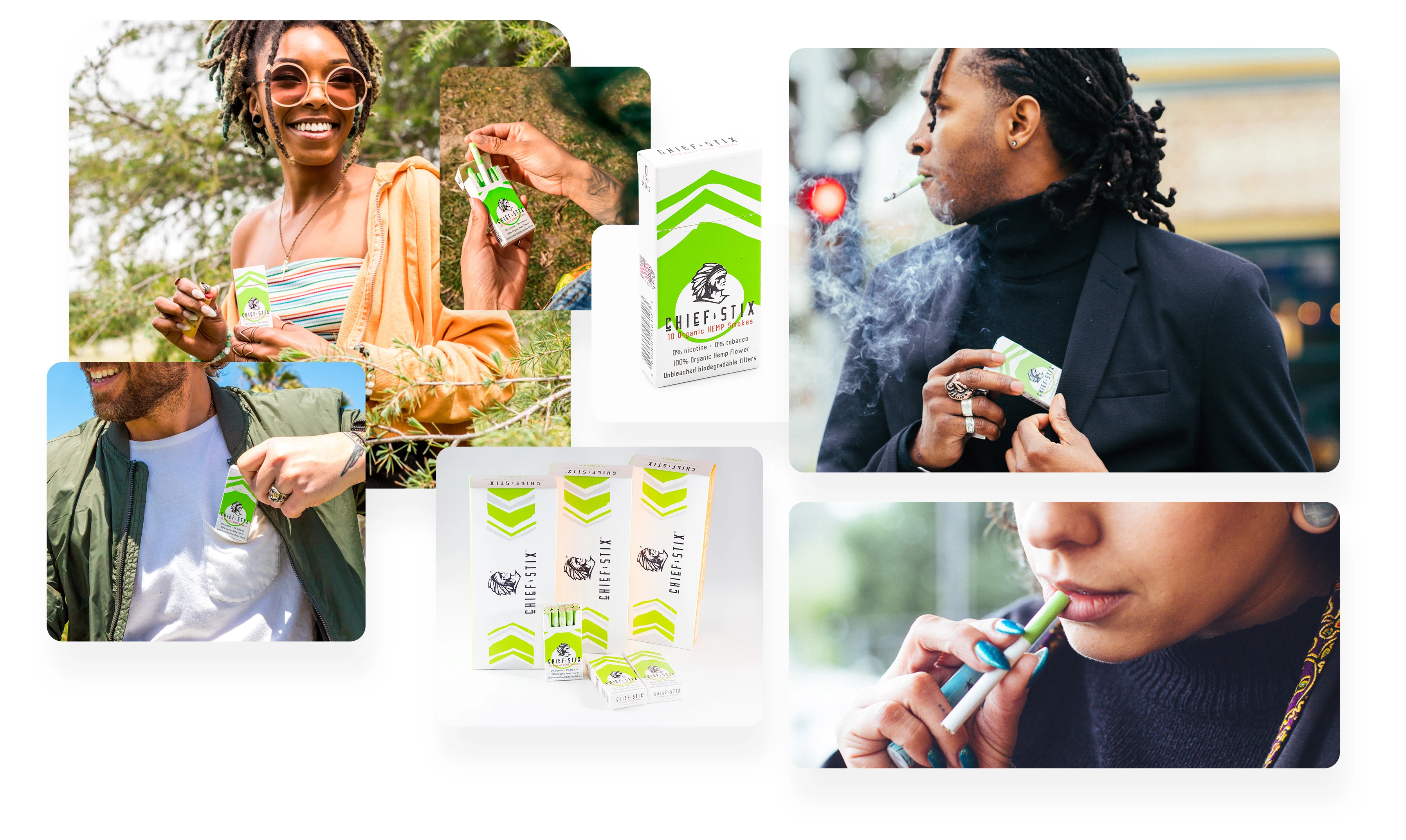
Designing the packaging was an exhilarating challenge that pushed the boundaries of my graphic design expertise. Navigating the intricate dieline files for a cigarette pack and carton was a new technical frontier for me, demanding precision and creative insight. I drew upon my design background to craft a visual language that captured the essential, universal aesthetic inherent in cigarette packaging, while simultaneously subverting traditional design expectations. The strategic use of green directional arrows symbolized the brand's uplifting mission—visually communicating the promise of a healthier, more innovative alternative to traditional tobacco products.
Print Design
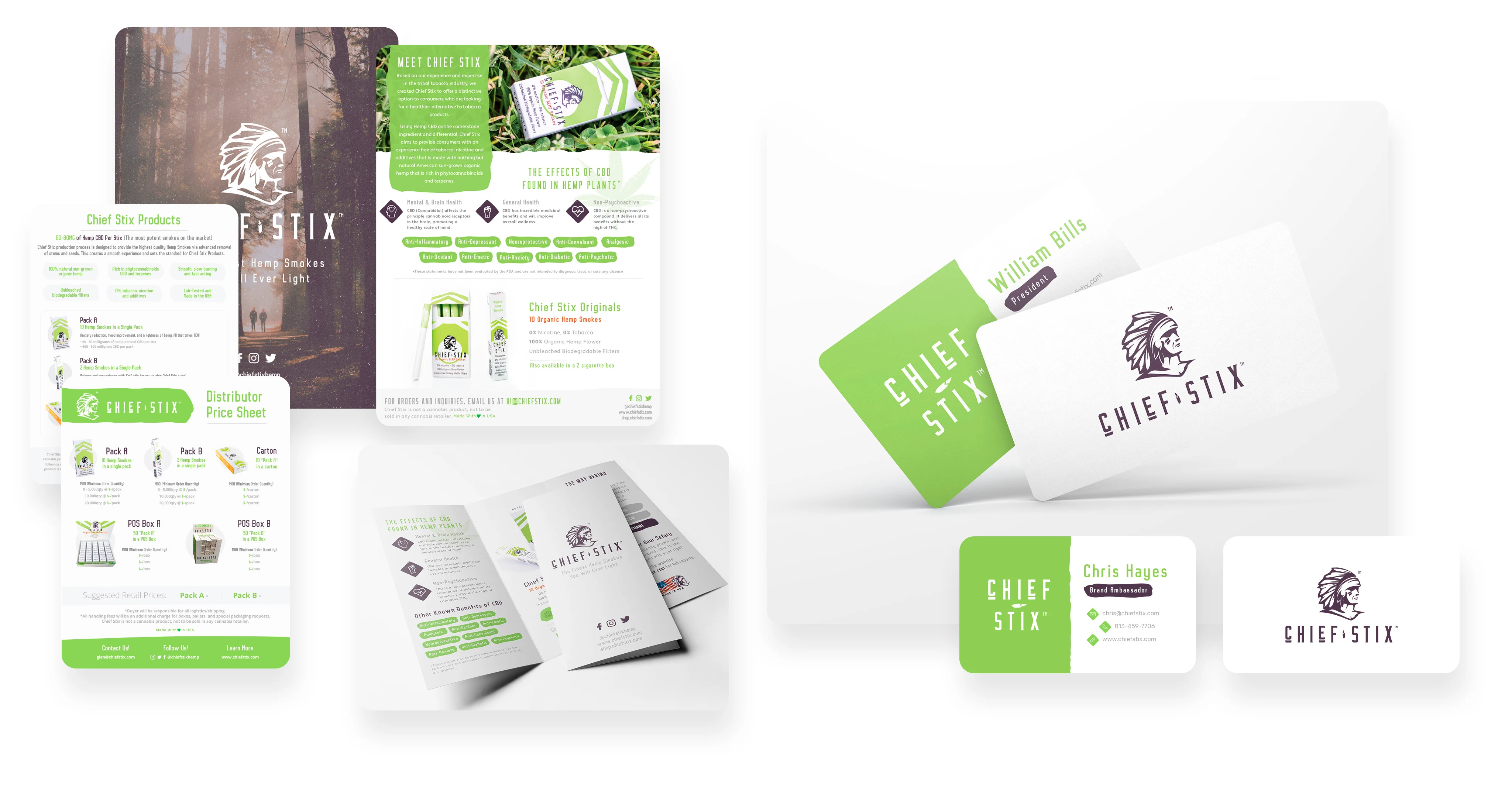
To support our strategic objectives and brand narrative, we developed a comprehensive suite of sales and marketing collateral that empowered our team to effectively introduce this groundbreaking innovation to potential distributors and smoke shops across states with legal hemp frameworks. Our meticulously crafted materials went beyond traditional promotion, serving as a strategic communication toolkit that articulated the brand's unique value proposition, medical cannabis positioning, and transformative potential in the smoking alternative market.
UX/UI Design & Web Development
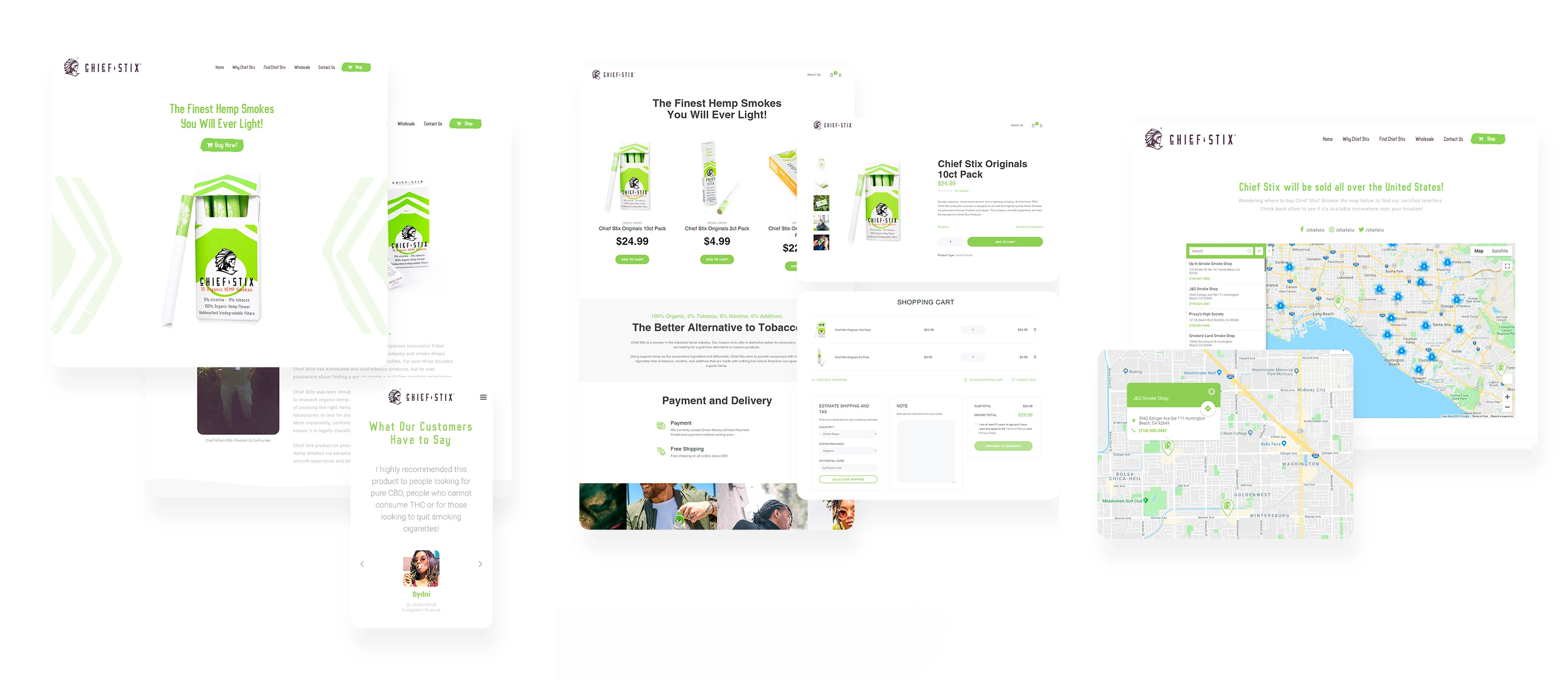
Leveraging available tools, we architected a robust digital storefront for Chief Stix, enabling product distribution across all American states within the legal framework. Our comprehensive web development approach encompassed an institutional website and ecommerce with seamless user experience design, integrating advanced product management systems, sophisticated delivery logistics, and dynamic discount code functionality. The custom-built digital infrastructure was meticulously crafted to ensure intuitive navigation, streamlined purchasing processes, and a responsive interface that could adapt to diverse user interactions and complex regulatory requirements inherent in the medical cannabis market.
Influencer Marketing
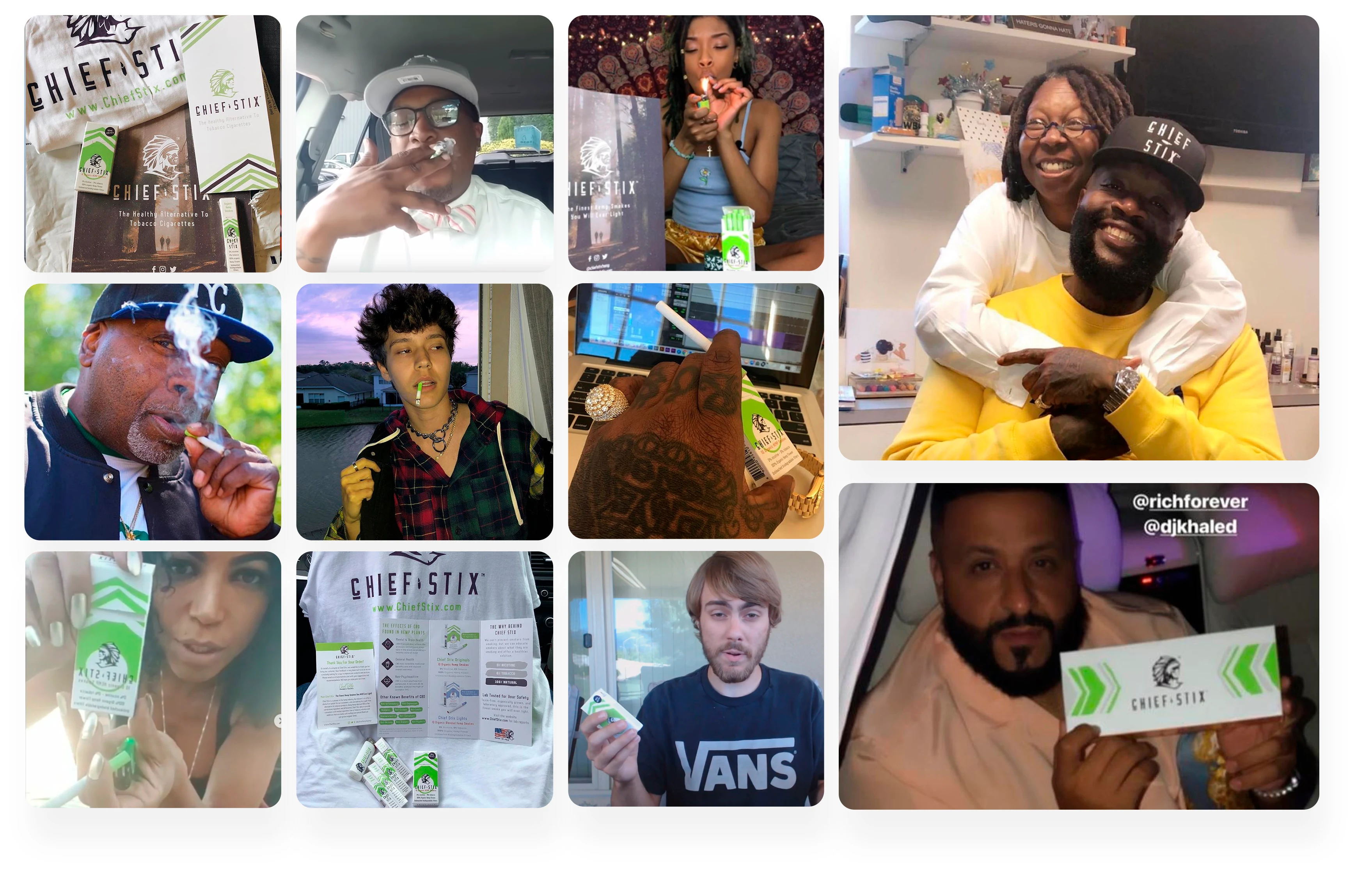
ur influencer marketing strategy for Chief Stix strategically leveraged digital platforms, specifically YouTube and Instagram, to amplify brand visibility and engagement. By curating a targeted influencer network, we executed a dynamic campaign that transcended traditional marketing boundaries, with a pivotal highlight being our collaboration with Rick Ross—an internationally acclaimed rapper whose cultural influence and authenticity aligned perfectly with our brand's innovative positioning. This strategic partnership not only expanded our reach across diverse audience segments but also positioned Chief Stix as a cutting-edge, lifestyle-oriented alternative in the emerging medical cannabis market, effectively bridging entertainment, wellness, and progressive consumer trends.
Content Marketing
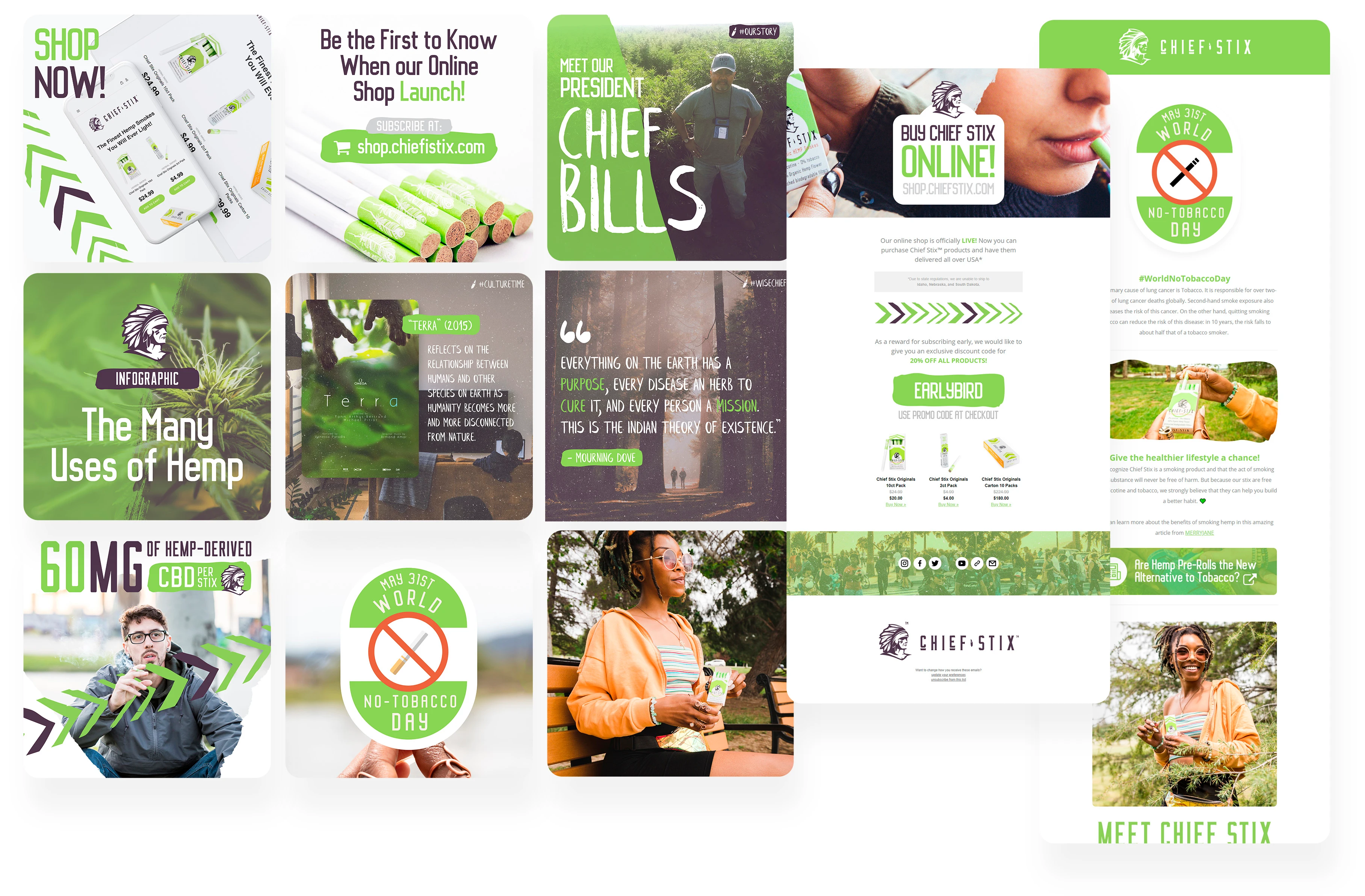
Our content marketing strategy for Chief Stix was meticulously designed to cultivate a robust digital community, strategically leveraging Instagram as our primary engagement platform. Through a consistent, carefully curated content approach that blended educational insights, lifestyle imagery, and brand storytelling, we rapidly grew an engaged audience of 30,000 followers who resonated with our innovative medical cannabis alternative. Complementing our social media efforts, we implemented a targeted email marketing campaign that delivered personalized, value-driven content directly to our audience's inboxes, creating a multi-channel narrative that transformed passive viewers into active brand advocates. This integrated content ecosystem not only drove brand awareness but also established Chief Stix as a thought leader in the emerging wellness and alternative smoking market.
Media Production
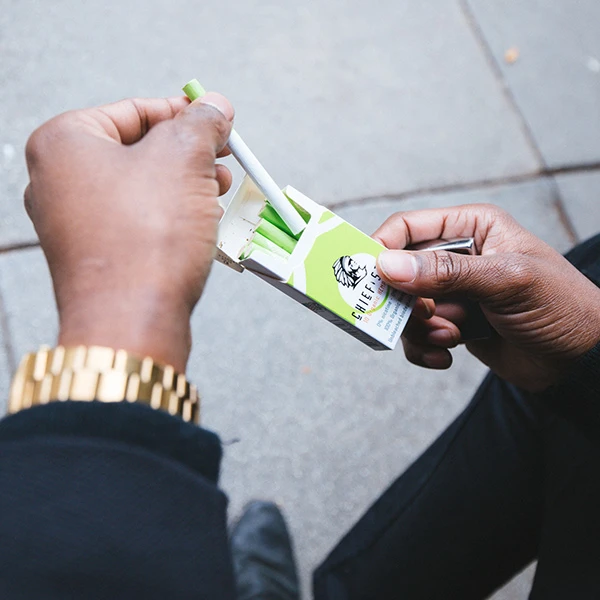
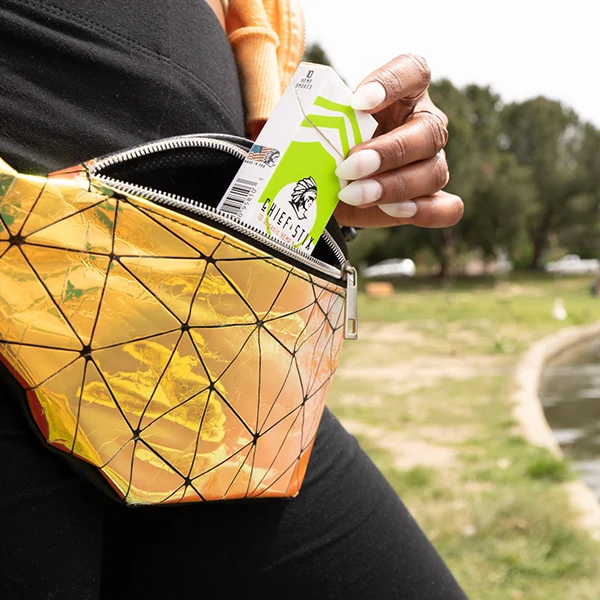
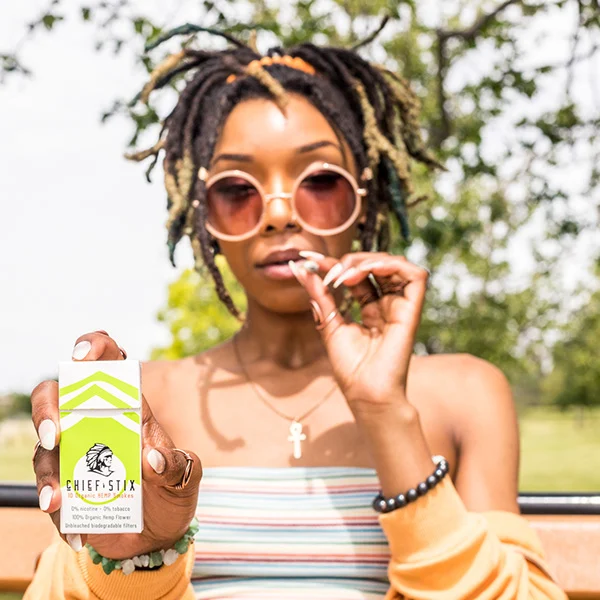
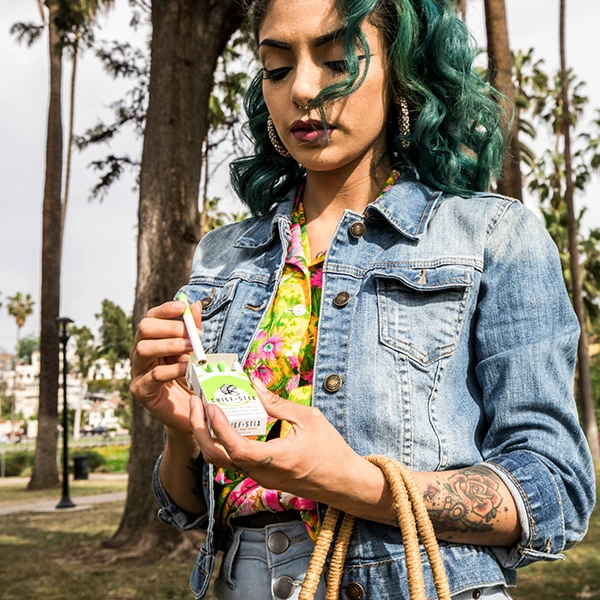
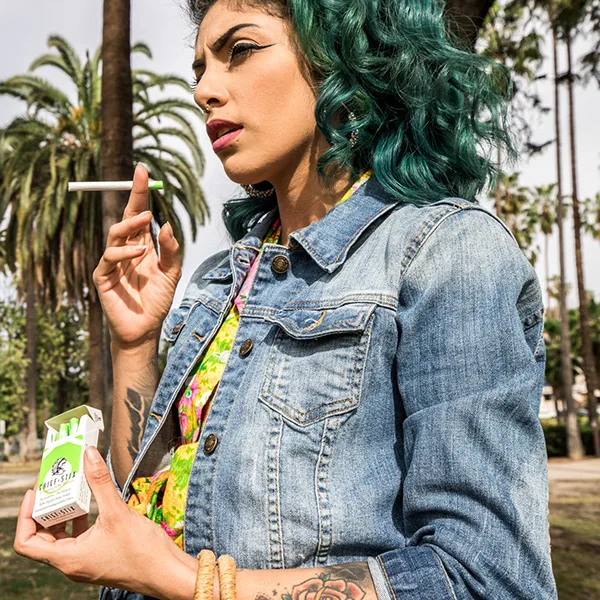
To bring the Chief Stix brand to life, we developed comprehensive moodboards that guided our photographic vision. Our photoshoots strategically featured young, stylish actors who reimagined smoking as a modern, lifestyle-driven experience. By casting contemporary talent that embodied the brand's innovative spirit, we created visual narratives that streamlined the traditional perception of smoking, presenting our medical cannabis alternative as a sophisticated, health-conscious choice. These carefully curated and produced images were designed to be versatile, providing a cohesive visual language that could be utilized across all brand communication platforms while maintaining responsible marketing practices around the age requirement behind our product.










Product Placement
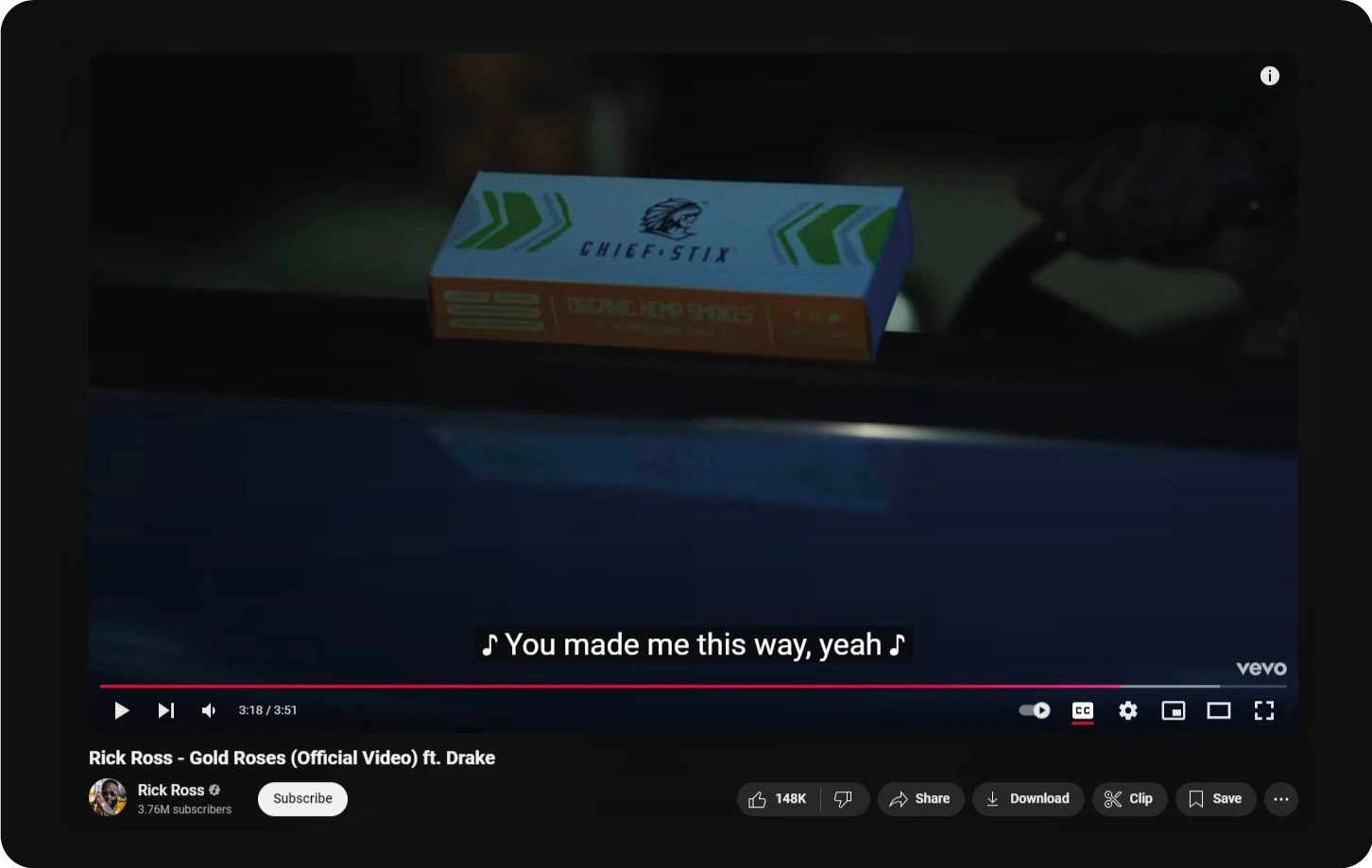
To cap off the remarkable journey of creating, launching, and growing the brand, we seized an incredible opportunity to showcase our product in a high-profile music video featuring Rick Ross and Drake. This strategic product placement not only aligned the brand with the luxurious and aspirational lifestyles of two iconic artists but also introduced it to a broader audience, amplifying its cultural relevance. By integrating our hemp CBD cigarettes into the visual storytelling of the video, we created a memorable moment that underscored the brand's unique identity and positioned it at the intersection of music, lifestyle, and innovation.
Like this project
Posted Apr 6, 2026
Reinventing smoking through bold branding, Chief Stix transforms tradition into a modern, tobacco-free experience rooted in culture and innovation.