Connections to Our Belongings

Howie Y
Connections to Our Belongings
An ethnographic study of why we keep what we keep.
Ethnographic research into the motivations of Chinese Millennials for keeping belongings — uncovering how meaning is made and where new consumer-product opportunities lie.
Role
Design Researcher
Type
Ethnographic Research
Year
2020
Deliverables
Research Insights · Opportunity Areas · System Concepts
01 Brief
Ethnography is the branch of anthropology that involves understanding how people live their lives. Unlike traditional market researchers, who ask specific, highly practical questions, we visit consumers in their homes and offices to observe and listen in a non-directed way. Our goal is to see people's behavior on their terms, not ours. It enlightens us about the context in which consumers would use a new product and the meaning that product might hold in their lives.
In this project, we use ethnographic research to uncover the universal and strongest motivations of Chinese Millennials keeping belongings and identify new opportunities for consumer products.
02 Context
A World of Hyper-Consumption
Chinese consumers' values and behaviors are changing due to greater disposable income and higher consumer confidence levels. They're investing in more expensive, higher-quality items: one-fifth of respondents reported trading up to a more expensive brand. Millennial consumers are the driving force of China's growth: by 2020, their share of the region's total consumption is projected to be 53%. It is important for businesses and designers to understand the motivations for having the stuff they have and their connection with their belongings.

03 Guiding research question
Are there universal connections to our belongings?
This question anchored the ethnographic study and framed every interview, observation, and insight that followed.
04 Key findings
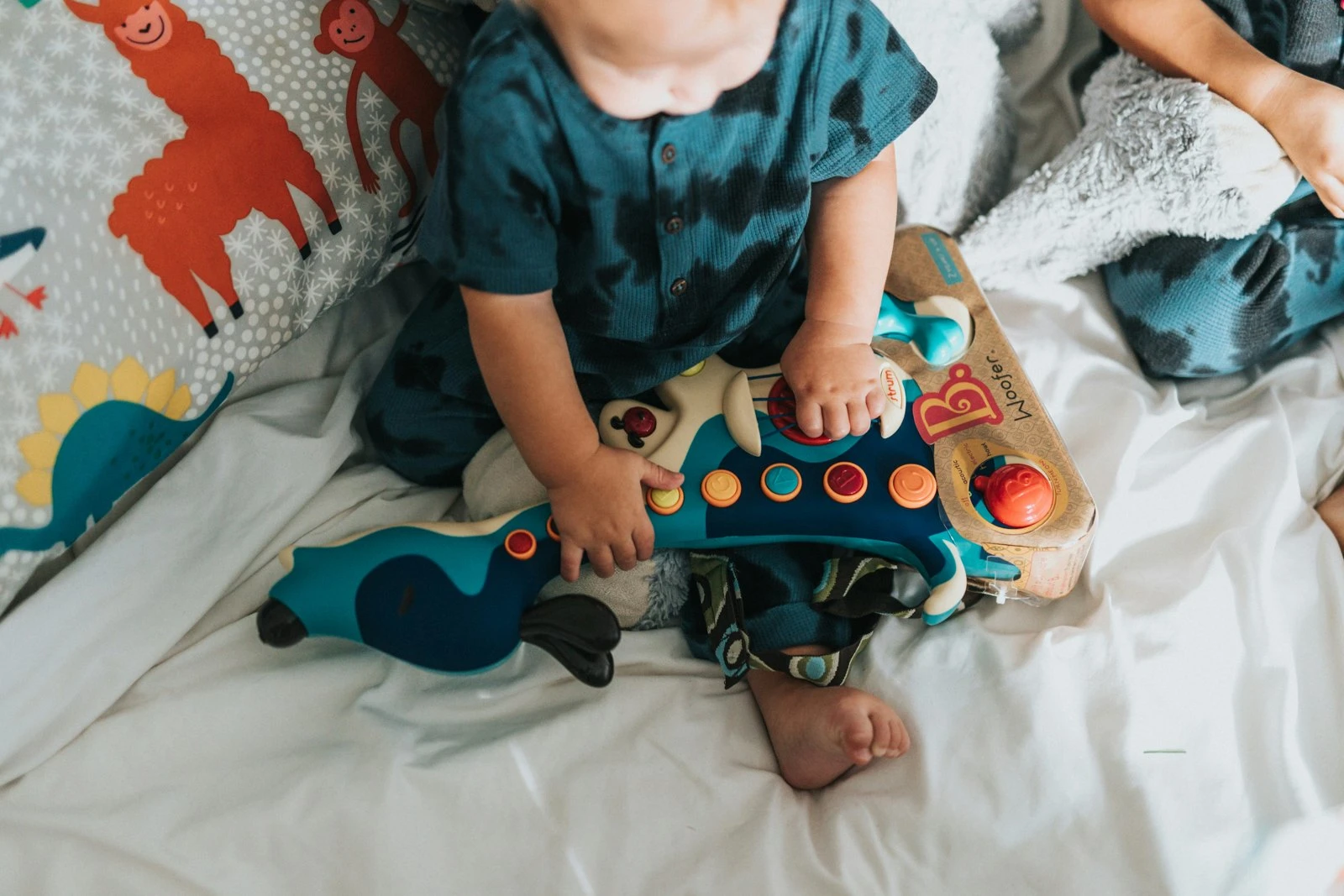
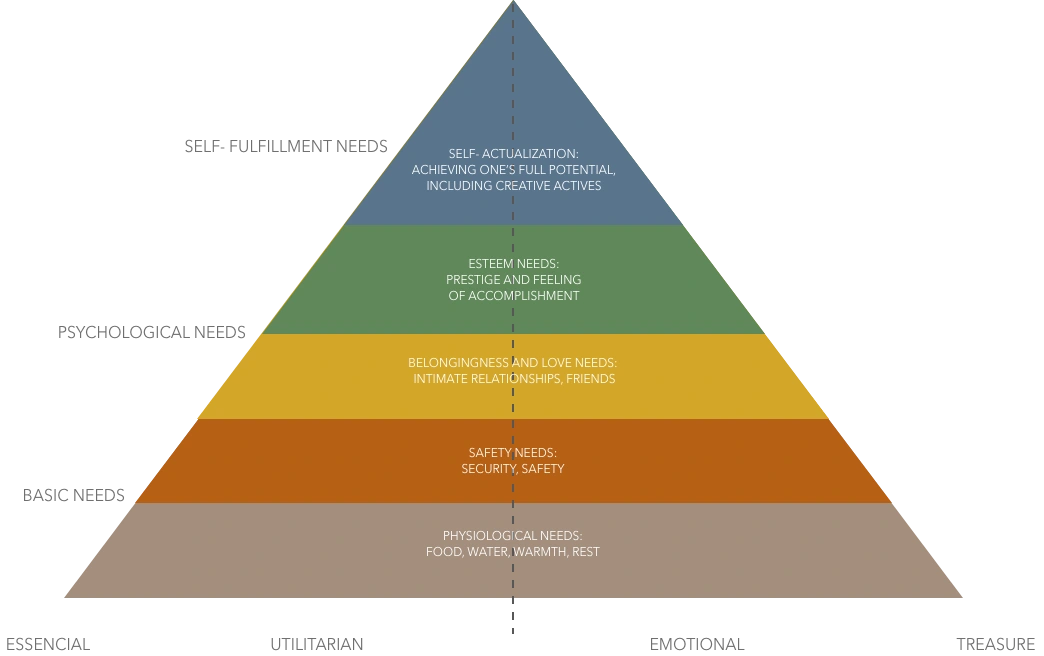
The need for keeping belongings is dynamic
People of different statuses have different needs and requirements for their belongings.
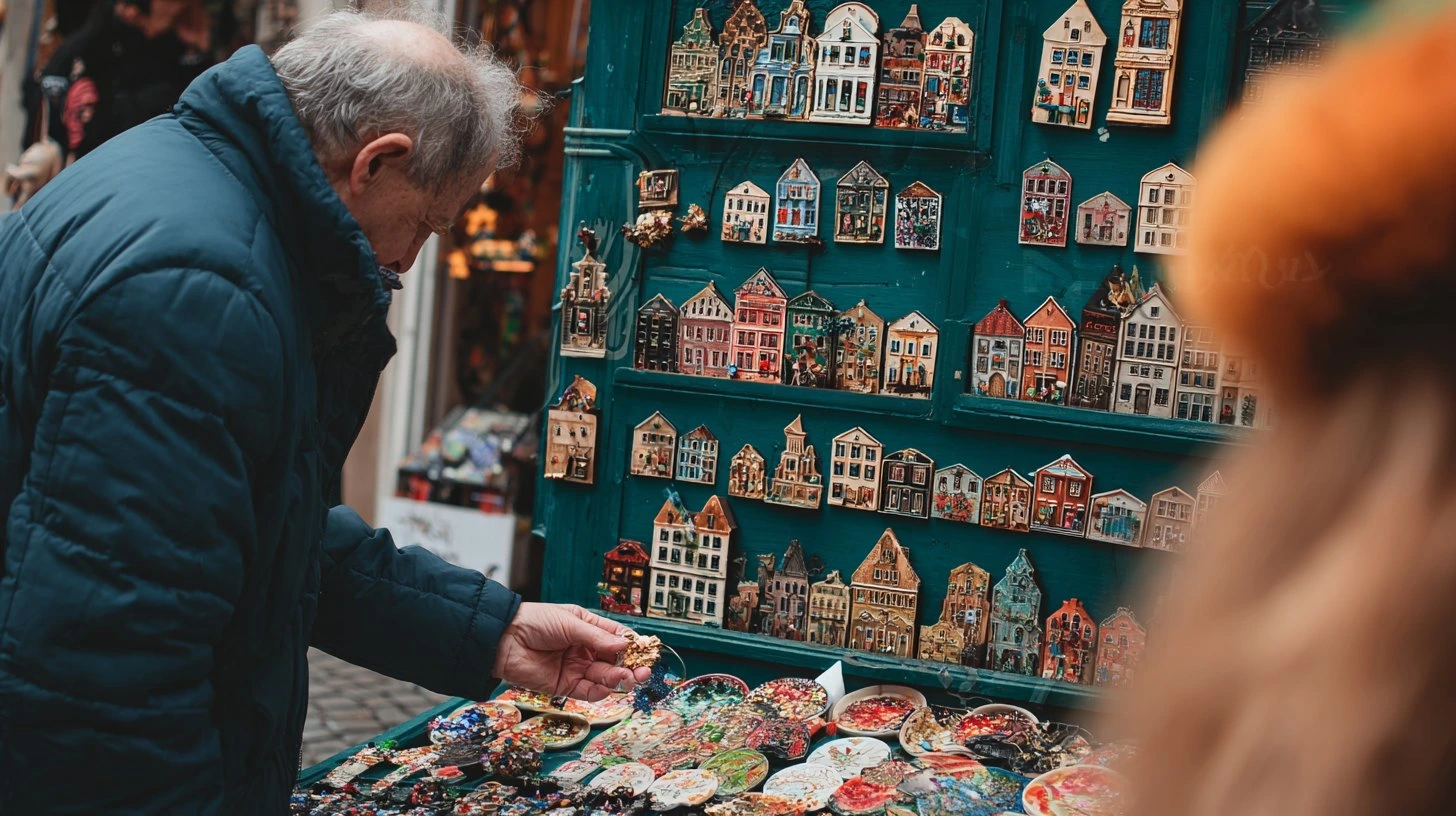
Giving meaning is a subjective activity
People always try to build a connection or give meaning to the product they think is valuable.
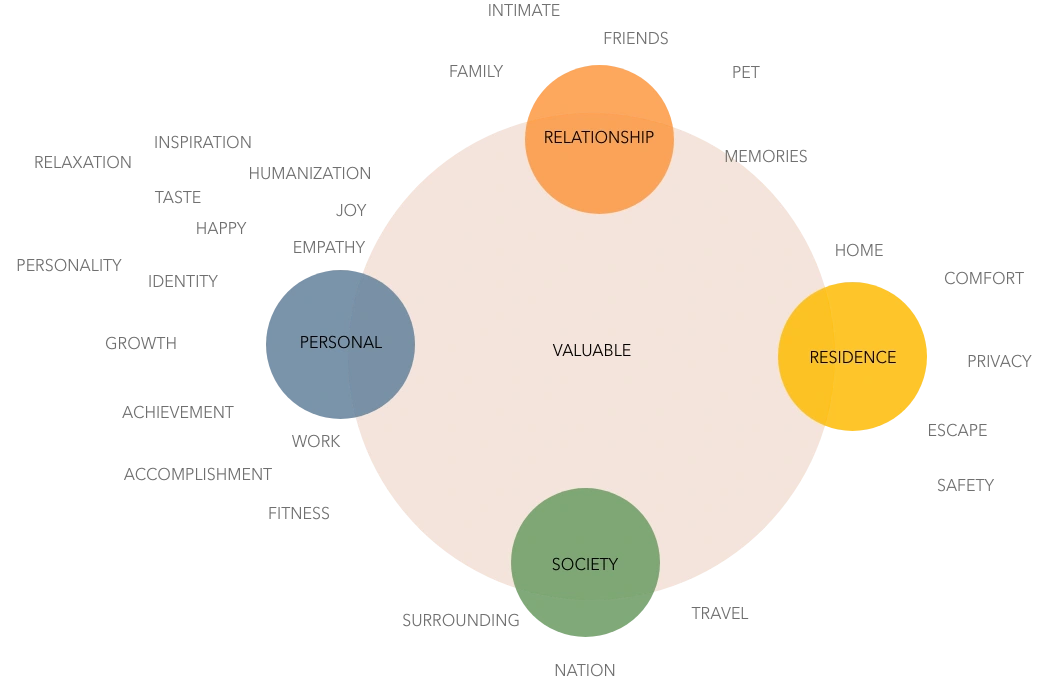
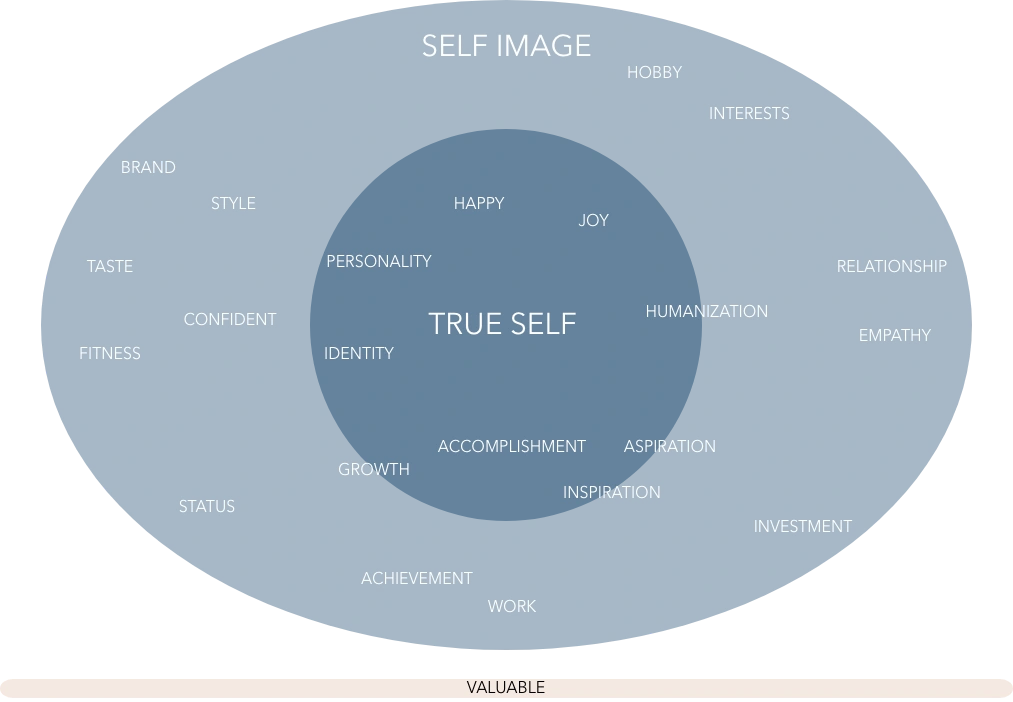
Personal identity
Personal belonging is a way to help people express who they are to the world.

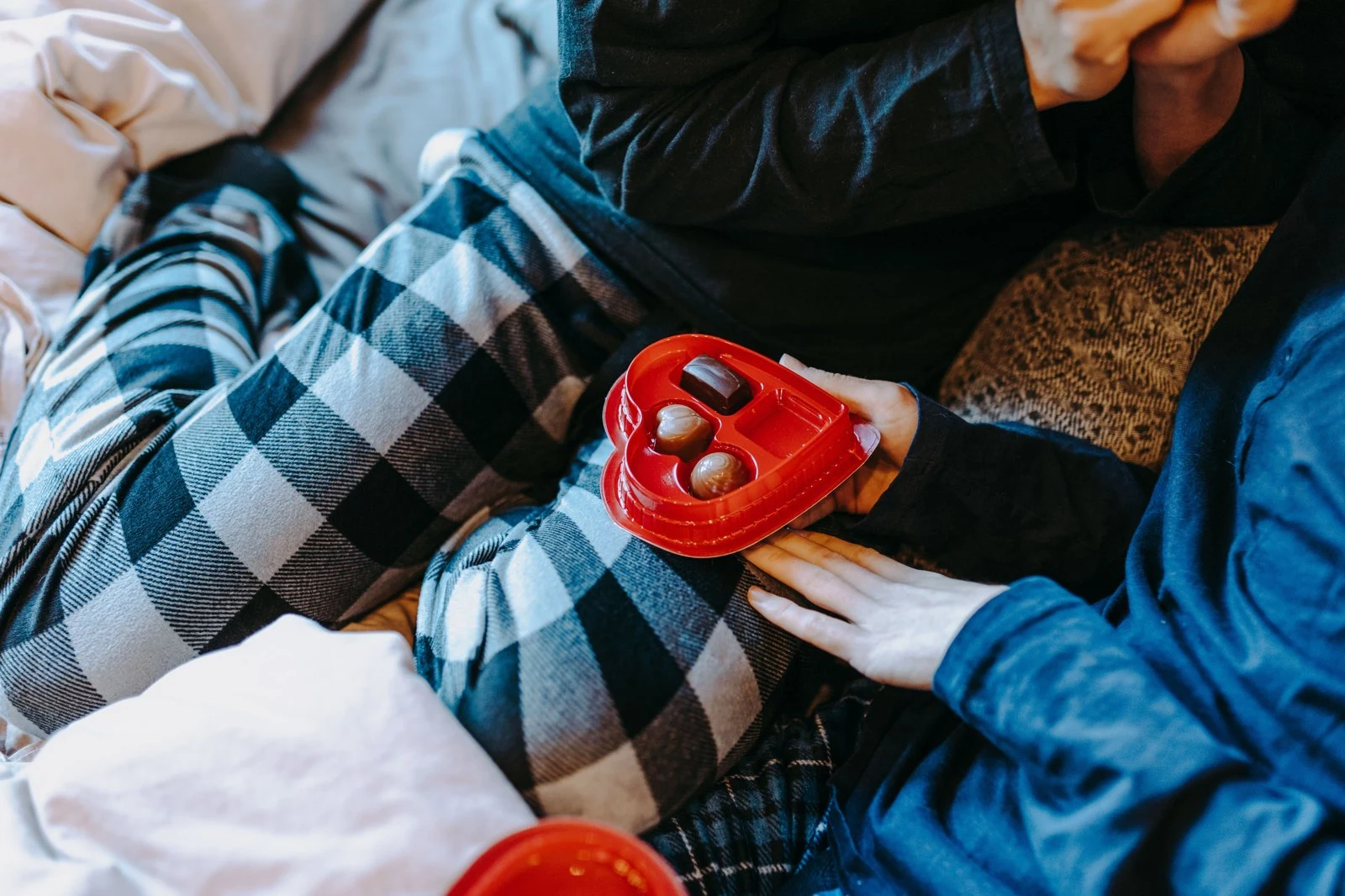
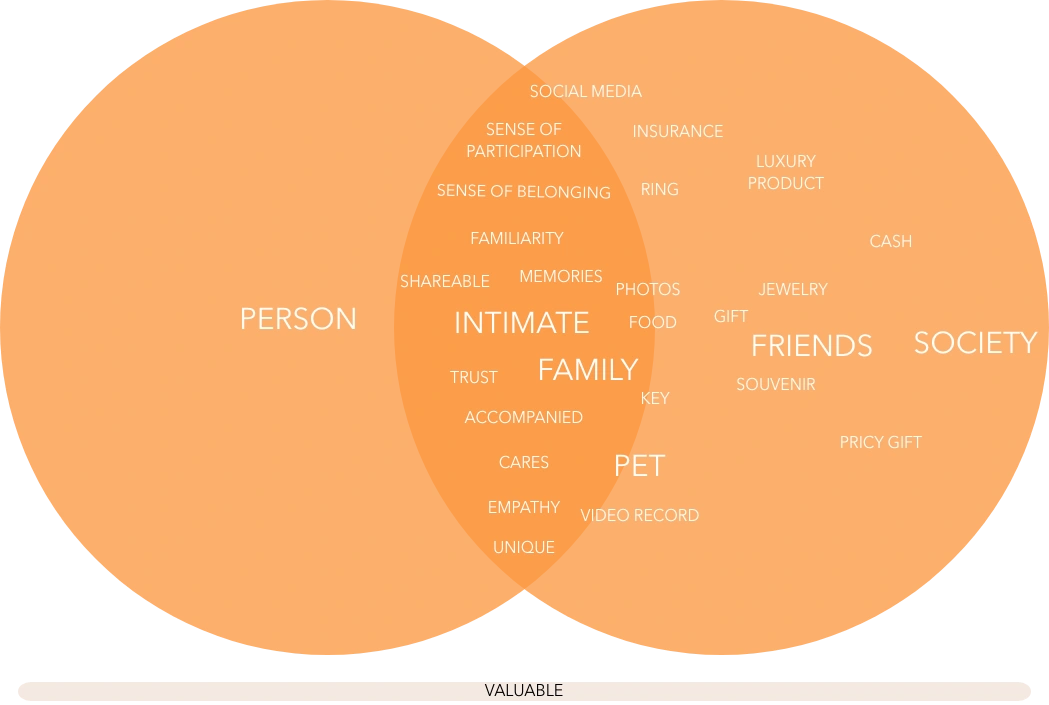
Relationship
The objects with the strongest connections are usually related to families or the things people are familiar with.
05 Insights & opportunities
Selected insights and opportunities — options for products and services that draw on a deeper understanding of how people acquire and keep their belongings.
Polaroid Photo
Randomness and imperfection create an expressive design that feels more human and real.
How might we take advantage of randomness and imperfection in the design process?

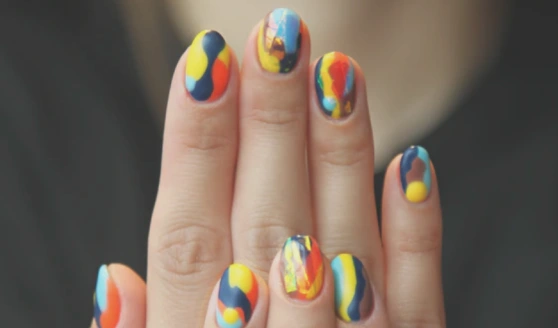
Polishing Nail
People sometimes need a moment to escape busy life and feel like a real human, not a robot.
How might we capture the essence of escaping busy urban life in a product?
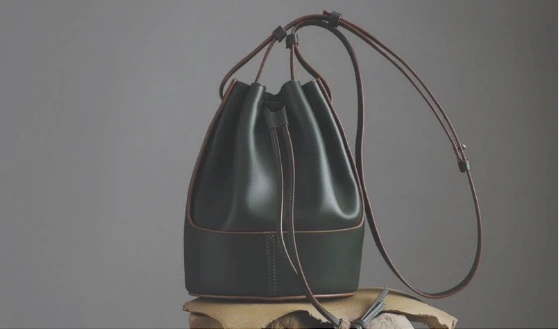
Luxury Bag
People are drawn to products that seem designed only for them.
How might we craft a story that makes customers feel a product is unique and special?
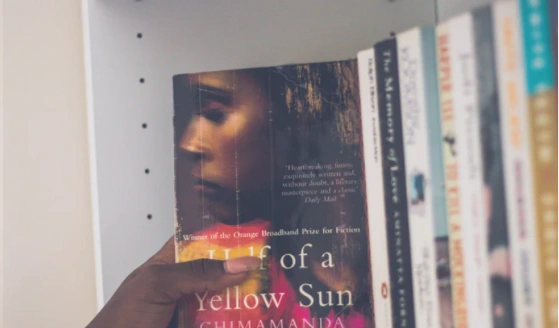
Fiction with a non-perfect protagonist
People appreciate products that show empathy and make them feel understood and accompanied.
How might we take advantage of empathy and familiarity in the design process?
Made in China stickers
Chinese millennials are interested in new Chinese culture and proud of it.
How might we integrate Chinese culture into design to replicate this connection in a product?

06 Research analysis
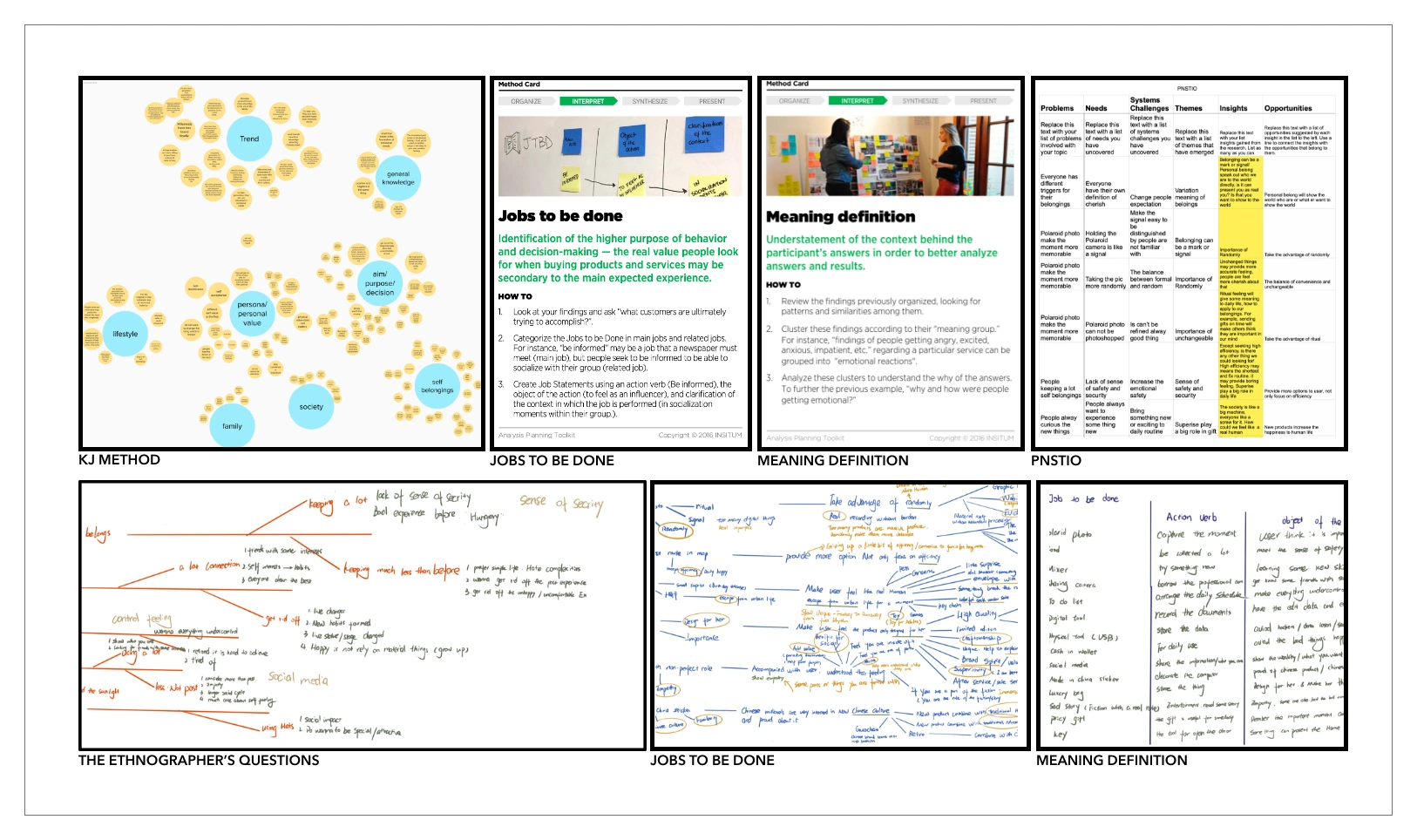
Observations from interviews and field visits were clustered, interpreted, and synthesised into the findings above.
Analysis methods
KJ Method · The Ethnographer's Questions · Job To Be Done · Meaning Definition · PNSTIO — used to cluster raw observations, interpret behaviour, and surface insights and opportunities.
07 Research process
Primary and secondary inputs — generative sessions, desk research, interviews, and expert conversations gathered directly from people and their environments.
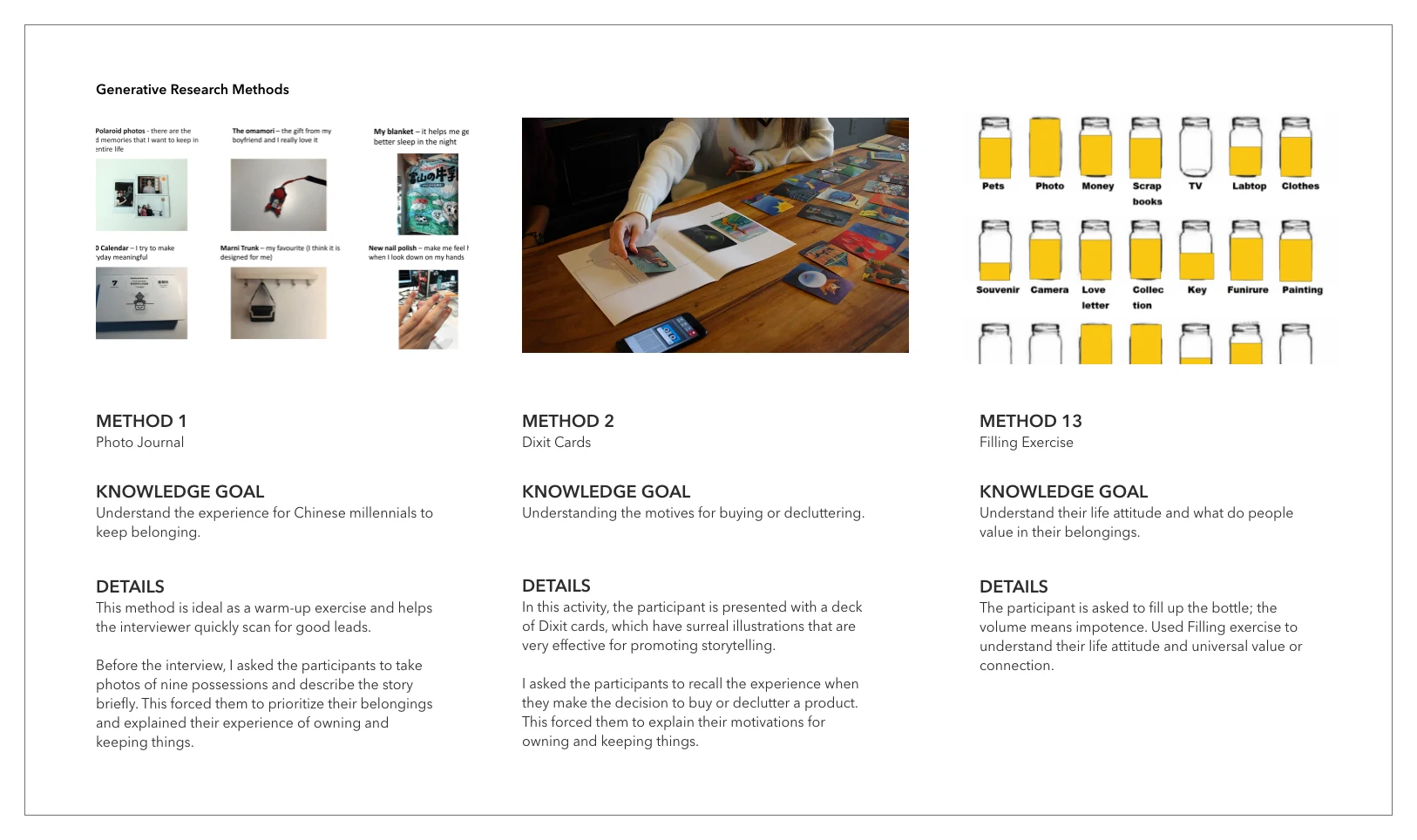
Generative Research Methods
Photo Journal, Dixit Cards, and a Filling Exercise — generative activities that pushed participants to prioritise their possessions, tell stories, and reveal what they value.
Secondary Research
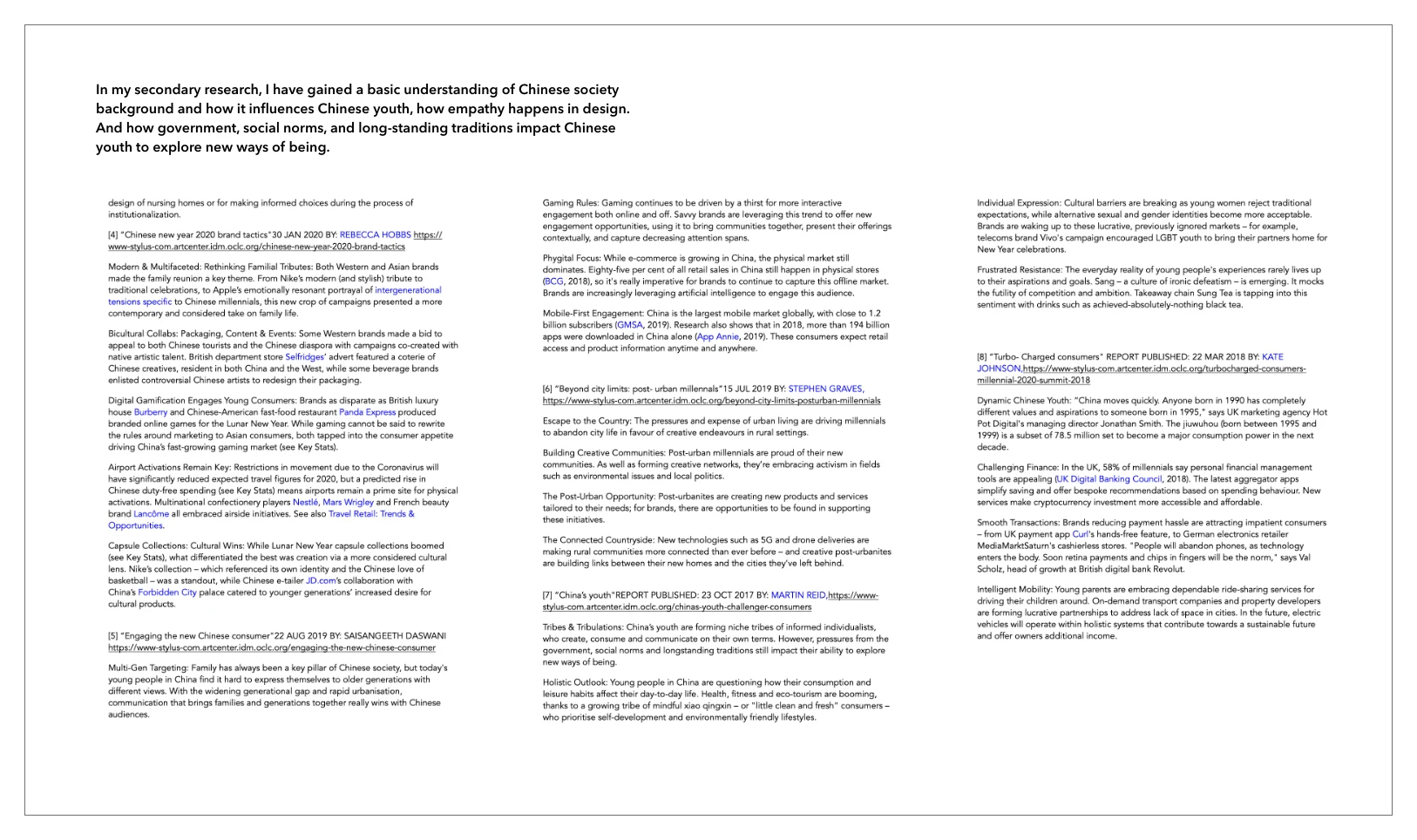
A review of Chinese society — how government, social norms, and long-standing traditions shape Chinese youth, and how empathy happens in design.
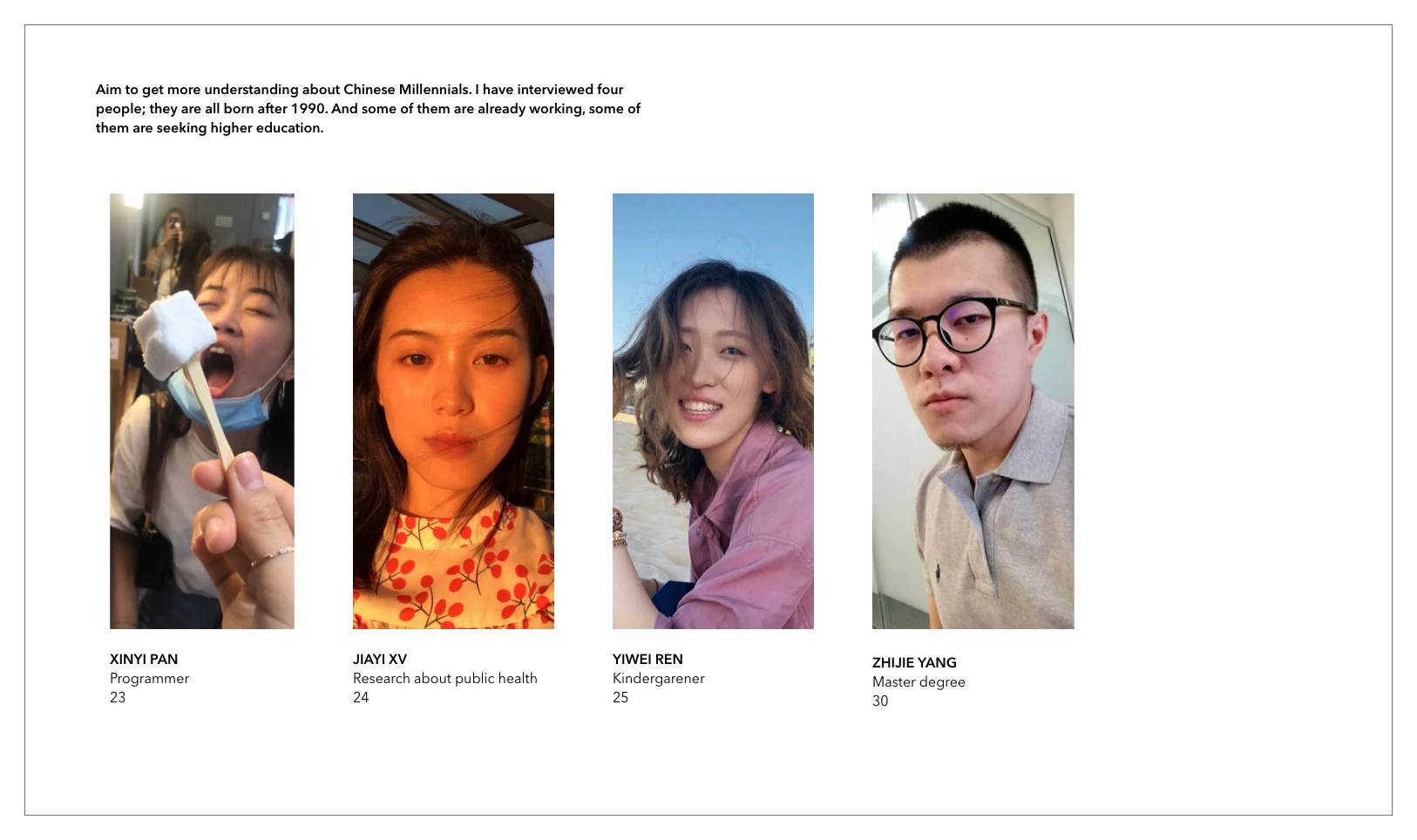
Interview Participants
Four Chinese millennials born after 1990 — a programmer, a public-health researcher, a kindergarten teacher, and a master's graduate; some working, some studying.
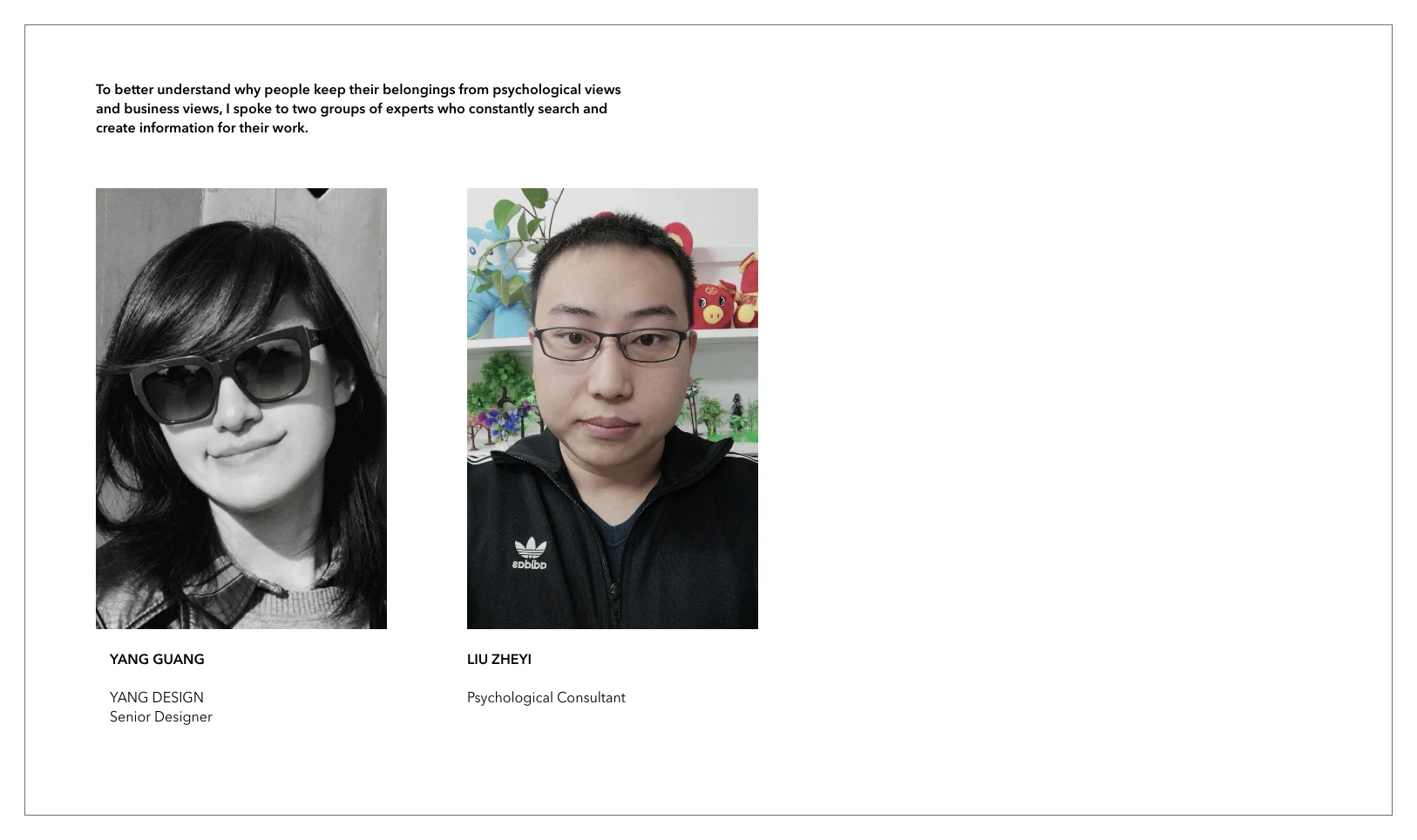
Experts Insights
Two experts — a senior designer at YANG DESIGN and a psychological consultant — on why people keep belongings, from business and psychological views.
Like this project
Posted Jun 9, 2026
An ethnographic study exploring why Chinese Millennials keep belongings, revealing insights and new opportunities for products.
Likes
0
Views
3
Tags