The tapestry of life

Adinnu Marvis
The tapestry of the blood🩸
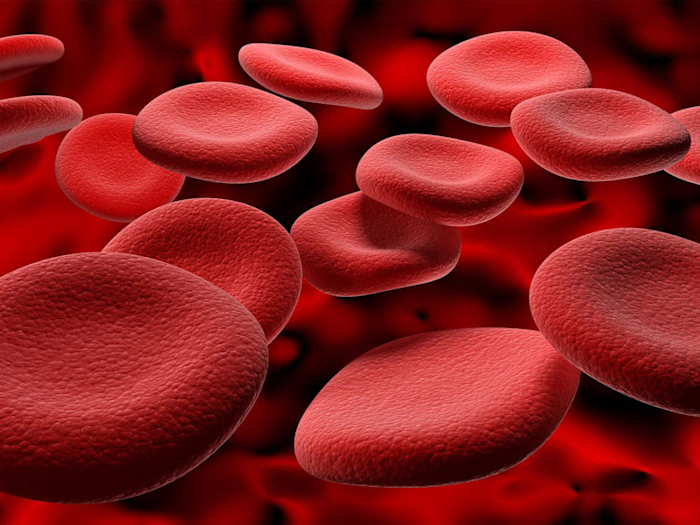
ellSickle cell anemia is a genetic blood disorder that profoundly affects millions of people around the world. This condition is characterized by the production of abnormal hemoglobin, known as hemoglobin S, which causes red blood cells to take on a rigid, sickle-like shape. This striking transformation from the typical biconcave disc of healthy red blood cells leads to a variety of complications that can significantly impact an individual's health and quality of life. At the heart of sickle cell anemia lies a mutation in the HBB gene, which encodes the beta-globin subunit of hemoglobin. This mutation is inherited in an autosomal recessive manner, meaning that a person must inherit two copies of the mutated gene—one from each parent—to develop the disease. Those with only one copy of the mutated gene are considered carriers, or having sickle cell trait, and typically do not exhibit symptoms but can pass the gene to their offspring. The symptoms of sickle cell anemia often manifest in early childhood and can vary significantly between individuals. Common experiences include episodes of severe pain, known as sickle cell crises, which occur when sickle-shaped cells obstruct blood flow in small blood vessels. These crises can be triggered by factors such as dehydration, extreme temperatures, or infections, and may last from hours to days, causing debilitating pain. Another significant complication of sickle cell anemia is the increased risk of infections. The spleen, which plays a crucial role in filtering bacteria from the blood, can become damaged due to repeated sickling events. This damage leaves individuals vulnerable to infections, particularly from encapsulated bacteria like Streptococcus pneumoniae. Preventive measures, such as vaccinations and prophylactic antibiotics, are often recommended for children with the condition to mitigate this risk. Chronic anemia is a hallmark of sickle cell anemia, resulting from the rapid breakdown of sickle cells, which have a lifespan of only 10 to 20 days compared to the usual 120 days for healthy red blood cells. This constant state of hemolysis can lead to fatigue, weakness, and pallor. To manage these symptoms, affected individuals may require blood transfusions, especially during severe anemia or prior to surgical procedures. The impact of sickle cell anemia extends beyond physical health; it also affects emotional and psychological well-being. The unpredictability of pain crises and the burden of managing a chronic illness can lead to feelings of anxiety and depression. Support from healthcare providers, family, and community resources plays a vital role in helping individuals cope with these challenges. In recent years, advancements in treatment options for sickle cell anemia have opened new avenues for improving patient outcomes. Hydroxyurea, a medication that increases fetal hemoglobin production, has been shown to reduce the frequency of pain crises and the need for blood transfusions. Additionally, gene therapy is emerging as a promising treatment, aiming to correct the underlying genetic defect responsible for the disease. Early clinical trials have demonstrated encouraging results, suggesting that a potential cure may be on the horizon. While there is currently no universal cure for sickle cell anemia, comprehensive care approaches that include regular monitoring, pain management strategies, and education about the condition can significantly improve the quality of life for those affected. Support groups and advocacy organizations also play a crucial role in raising awareness about the disease, promoting research, and providing resources for patients and families. In conclusion, sickle cell anemia is a complex condition that presents unique challenges and requires a multifaceted approach to care. With ongoing research and advancements in treatment, there is hope for better management and potentially curative therapies in the future. Understanding the experiences of those living with sickle cell anemia is essential to fostering a supportive environment that empowers individuals to lead fulfilling lives despite the hurdles posed by their condition.
Like this project
Posted Dec 16, 2024
Article about sickle cell anemia
Likes
0
Views
3