Key benefits of assisted living that help seniors thrive

Elise Ramsbottom


Whether you’re in the early stages of exploring assisted living communities with a loved one, or you’re preparing for move-in day, you might be wondering what some of the benefits of assisted living facilities are.
In broad strokes, assisted living communities can function as a “bridge between independence and higher levels of care,” says Nicole Will, senior care expert, founder of willGather podcast and cofounder of Think Tank, an organization aimed at improving the senior living industry. In addition to allowing you to maintain independence, dignity and autonomy, it can be a place to find connection, purpose, meaning and so much more, she adds.
From enhanced safety features to social activities and amenities (think features like housekeeping, transportation and a pool), senior care experts walk through the various assisted living benefits below.
Assisted living communities offer personalized care that enables older adults to live independent and full lives.
Assisted living offers support seniors may not have at home — like 24/7 staff and structured activities — easing family worries about safety, health and loneliness.
Assisted living ensures basic daily needs like meals, hygiene and medication are reliably managed by care professionals.
10 key benefits of assisted living facilities
Getting older doesn’t have to mean giving up the life you enjoy. Assisted living communities can help older adults stay safe and supported while still living on their terms.
“As people age, daily tasks, like managing medications, preparing meals or getting to appointments, can become more challenging,” says Andrea Silas, senior living expert and director of operations at Guardian Pharmacy. “Assisted living communities take those burdens off individuals and their families, so residents can focus on living well, not just getting by.”
Here are some of the ways assisted living communities can do that.
1. Personalized care plans
One of the biggest advantages of assisted living communities is their ability to provide personalized care for their residents. This support, tailored to their unique needs, may include assistance with activities of daily living (ADLs), such as bathing and dressing, specialized diets and nutrition monitoring or medication reminders.
2. Medication management
It’s common for seniors to have multiple medications, and that requires tracking of doses, timing and potential interactions, all of which can be overwhelming, says Silas. On top of that, mistakes can lead to serious health risks, she warns.
If your assisted living community has a preferred pharmacy, they can “take a 360-degree look at the complete medication regimen of an individual to ensure that medications prescribed are safe and necessary,” says Silas. Then, “trained staff ensure that medications are taken correctly and on schedule, giving residents greater peace of mind and helping prevent hospitalizations,” she adds.
3. Safety and security
Without making modifications to your home and/or bringing in outside help, aging in place alone can be nerve wracking for both older adults and their families. One of the main concerns is falling and no one being there to help. In assisted living communities, that is not the case — and that peace of mind and safety is a major factor for seniors and their loved ones, says Will. In addition to having an environment that is accessible (think grab bars and wider doorways) and compatible with whatever mobility device you might use, “you’ve got eyes and systems supporting you to help prevent falls,” she adds.
One of these systems that some senior living communities may utilize is AccuShield, a digital sign-in system that replaces the traditional paper logs. Using Accushield, “every visitor, team member and vendor is screened before entering,” explains Will. It also includes health checks and collects background information.
4. 24/7 staff
In general, assisted living facilities are not federally regulated, so requirements for staffing vary state by state, and 24/7 assisted living staff is not a guarantee. However, while the number of staff will likely decrease overnight, many assisted living communities have someone available at all times to help and support residents.
5. Social and mental engagement
As you age, your social circle tends to shrink — your children (if you have them) move out, you leave the workforce, your mobility may lessen and friends and family members pass away. According to the National Institute on Aging, social isolation and loneliness are linked to a “variety of physical and mental conditions: high blood pressure, heart disease, obesity, a weakened immune system, anxiety, depression, cognitive decline, Alzheimer’s disease and even death.”
Assisted living, on the other hand, “offers built-in opportunities for connection,” says Melissa Andrews, president and chief executive officer of LeadingAge Virginia. Here are some examples of socially and mentally engaging activities you might find at your assisted living community.
Themed events, like a Kentucky Derby or Olympics party.
TV-watching experiences, like movie nights and sports.
Happy hours.
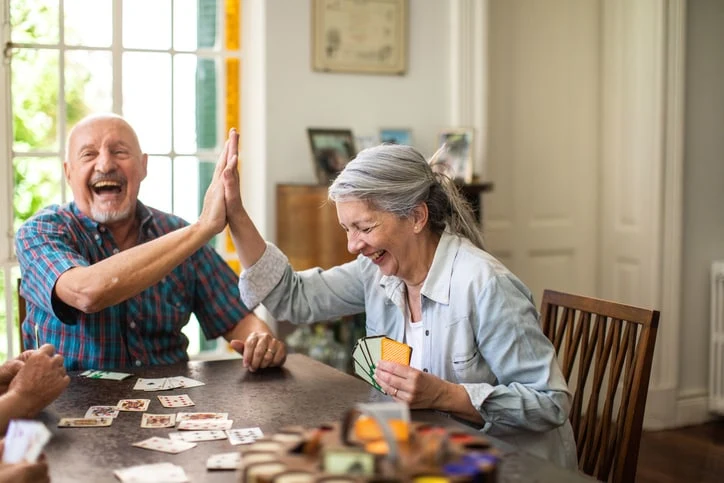
Game tournaments, including Bingo and card games.
Book clubs.
Gardening groups.
Creative classes, like painting, pottery or flower arranging.
Knitting groups.
Writing groups.
Seasonal events, such as holiday parties.
Continuing education classes, like learning a new language.
Emotional support, like grief groups, pet therapy visits and meditation.
Bird watching.
Community service projects, like making blankets for kids in the hospital.
Religious offerings, like services.
Community leadership, like participating in the resident council.
6. Meals
Ensuring access to balanced and sufficient meals can be a major concern for older adults and their families. This is especially true since appetite loss is a common issue for older adults for various reasons, one of which is social isolation/loneliness.
In addition to the peace of mind that comes from knowing you or your loved one will receive regular, healthy meals in an assisted living community, those mealtimes can also be a time of connection with fellow residents and their families, says Will. These experiences “nourish not only the body, but the soul,” she adds.
7. Amenities
Amenities can vary significantly between different assisted living facilities, but certain amenities may also be more or less important to you and your loved ones. Here are some potential offerings.
Housekeeping
Apartment maintenance.
Laundry services.
Transportation to doctor’s appointments, shopping and more.
Physical fitness offerings, such as a pool or gym.
Beauty and barber care, such as hair and/or nail services.
Pet care services, such as walking or grooming.
Community rooms, like a library, movie theater or chapel.
8. Physical activity
Staying active as you age has its own challenges (like limited mobility and health conditions), but it also has so many benefits. According to a study published in BioMed Research International, physical activity and exercise is a “protective factor for noncommunicable diseases such as cardiovascular disease, stroke, diabetes, and some types of cancer and is associated with improved mental health, delay in the onset of dementia, and improved quality of life and wellbeing.”
One of the assisted living benefits that most communities have is some form of physical wellness programming. What is offered at each location will vary, but here are some possibilities the experts shared.
Yoga classes, such as chair yoga.
Strength training.
Dance classes.
Fall prevention, including balance and stability classes.
Condition-specific classes, such as Rock Steady Boxing, which is a class for people living with Parkinson’s disease, says Will.
9. Privacy
While safety, personalized care and social engagement are often top of mind for assisted living residents and their families, privacy is a huge factor in maintaining a sense of independence. Because each resident typically has their own living space, they can decorate “the way they see fit and enjoy their private time as well,” says Andrews.
10. Pet and partner accommodations
This isn’t a guarantee, but some communities may be able to accommodate small pets and/or spouses/partners, says Silas. This can “make the transition to assisted living feel more like moving into a new home rather than giving something up,” she adds.
How assisted living benefits seniors’ loved ones
The advantages of assisted living for seniors are many, but there are also benefits for your caregivers, family members and/or loved ones. In fact, Silas argues that the benefits are profound. “Instead of spending time coordinating care, managing medications or worrying about safety, families can focus on being together — sharing meals and other meaningful moments.”
And in this way, everyone gets to return to their original roles, says Sondra “Sam” Cradduck, gerontologist, psychologist and owner of The Living Room, a non-medical senior home care agency in Phelan, California. “Kids get to be kids again, not full-time caregivers,” she says. And “parents, even in their advanced age, get to remain parents, who get assistance from a community of peers and caregivers.”
A final word of advice: Find the best benefits for you
There are numerous benefits to living in an assisted living community, but it’s also important to keep your needs and preferences in mind when choosing the facility, says Silas. “Do they want a social environment? Are they independent or in need of more day-to-day support? Do they have pets or a partner who needs to move with them?”
Keeping your or your loved one’s needs centered will help you find a location with the best benefits.
Like this project
Posted Aug 20, 2025
Wrote a piece for Care.com that explored benefits of assisted living communities for seniors.
Likes
0
Views
23