A Collaborative Deep Dive

Muhammad Abdulmalik


Real estate has long been a coveted asset class, but it has remained largely inaccessible to everyday investors due to high entry costs and limited opportunities. However, Parcl, a digital real estate trading platform built on Solana, aims to change that by leveraging blockchain technology, offering a unique solution for investors to gain exposure to high-demand real estate markets with ease, minimal risk, focus on low entry barriers, and a user-friendly interface. Parcl solely aims to empower individuals to capitalize on high-demand real estate markets by harnessing the power of blockchain technology.

Source: parcl
"Real estate on the blockchain is not just about buying and selling properties; it's about transforming the way we interact, transact, and trust in the world of real estate." - Natalia Karayaneva
This comprehensive deep dive into Parcl will not only highlight its architecture and features. Still, it will highlight the benefits of investing in real estate for crypto natives, investing in real estate indicies vs fractional ownership, the competitive landscape (across all chains), and an easy-to-use tutorial on how to trade on Parcl.
Thanks for reading CryptoLife360’s Substack! Subscribe for free to receive new posts and support my work.
Parcl's Architecture and Advantages
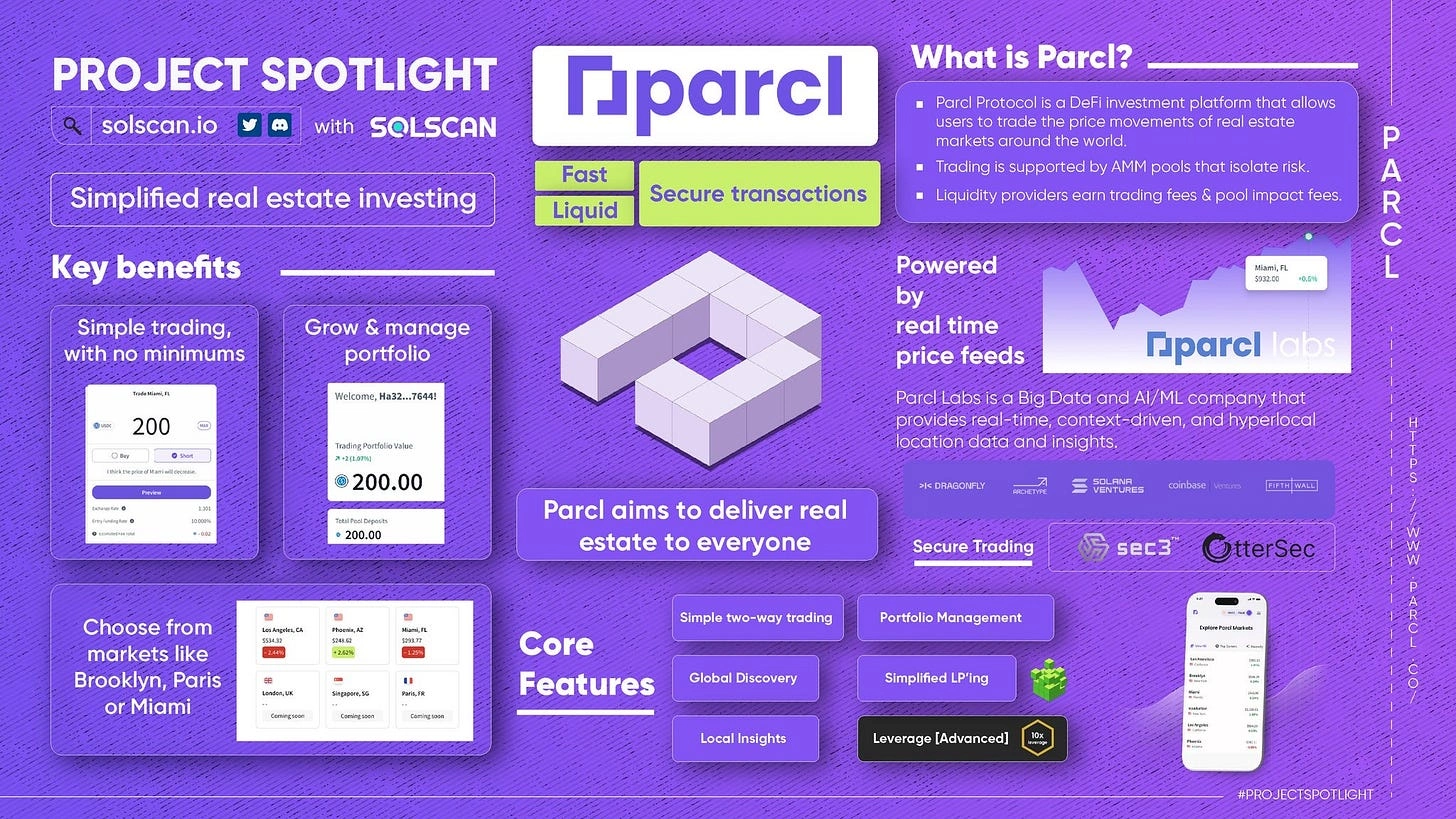
Parcl core features and benefits
Parcl leverages the Solana blockchain, a high-performance blockchain designed for decentralized applications, as the foundation of its architecture. This strategic choice bestows several distinct advantages on the platform. Solana's scalability ensures fast and efficient transactions, allowing for a seamless trading experience on Parcl. Moreover, the low transaction fees associated with Solana make real estate trading cost-effective for users, eliminating traditional barriers to entry.
One key innovation Parcl introduced is tokenising real estate assets on the blockchain. Parcl's proprietary indexing system represents real-world property values and enables users to trade on the price movements of city-wise real estate indices. These indices, known as Real World Asset (RWA) indexes, bridge the physical real estate market and the blockchain. By tokenizing real estate assets, Parcl empowers users to gain exposure to highly sought-after markets, such as New York, Los Angeles, and Miami.
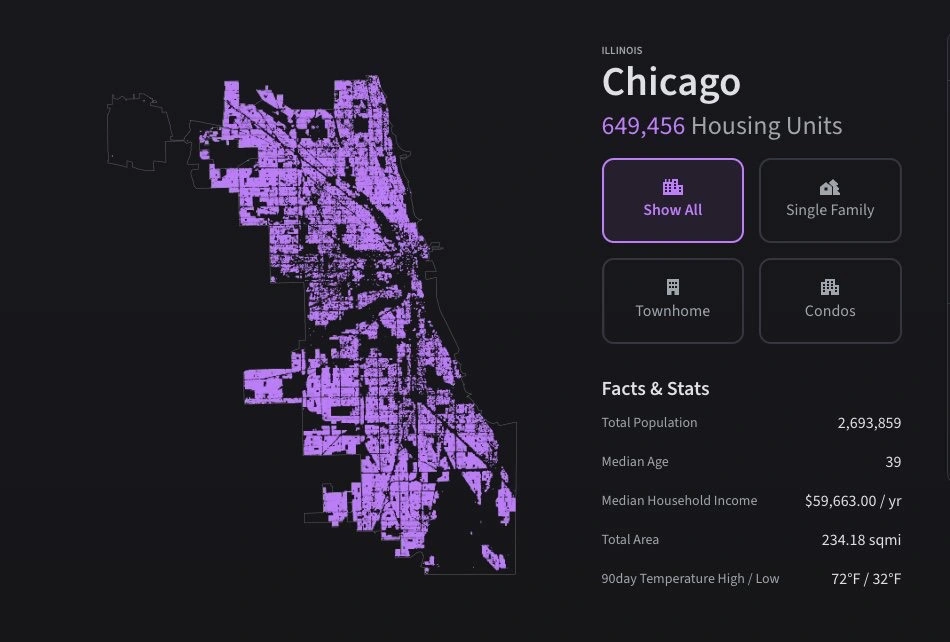
Image from Parcl
Furthermore, Parcl's architecture ensures precision data and pricing accuracy. The platform aggregates and analyzes over 10 million data points daily, providing traders with the most up-to-date and reliable real estate information. This level of precision equips users with the knowledge needed to make informed investment decisions, mitigating the risks associated with uninformed choices.
Parcl's Features
1. No Minimum Investment: Parcl eliminates the traditional high entry barriers associated with real estate investing. Unlike conventional methods that demand substantial capital, Parcl enables users to commence their real estate journey with as little as $1. This accessibility broadens the investor base and empowers individuals to trade in real estate.
2. Broad Exposure: Parcl allows users to access hundreds of thousands of properties with a single trade. Users can invest in entire cities rather than a specific property, thereby achieving diversification and minimizing the risks associated with single-site investments.
3. Cost-Effective: Parcl's low entry barriers and reduced fees make real estate investing affordable for everyone. By enabling users to invest as little as $1, Parcl unlocks the potential of real estate for a broader audience, transcending socioeconomic boundaries.
4. Leverage: Parcl empowers users to leverage their investments, amplifying potential returns. With the option of up to 10x leverage, users can maximize the impact of their investments and enhance their trading strategies.
5. Improved Liquidity: Historically, real estate has been regarded as an illiquid asset class. However, Parcl brings improved liquidity to the market by facilitating the buying and selling of real estate assets within minutes. This newfound flexibility allows traders to adapt to changing market conditions and effectively manage their portfolios.
Benefits Of Investing in Real Estate for Crypto Natives
Real estate investment has long been regarded as a wealth creation and portfolio diversification cornerstone. Historically, traditional real estate investment has offered a tangible and reliable means of generating income and capital appreciation. However, with the advent of blockchain technology and the rise of cryptocurrencies, a new form of real estate investment has emerged, bringing excitement and disruption to the market.

Source: Unsplash
Let’s delve into the world of real estate investment, comparing the traditional approach with the emerging realm of crypto real estate. We will explore the similarities, differences, and factors that make crypto real estate an increasingly preferred option for investors. Additionally, we will highlight the challenges faced by traditional real estate investment, such as illiquidity and limited accessibility.
Traditional real estate investment has long been synonymous with stability and tangible asset ownership. Investors have flocked to residential and commercial properties, benefiting from rental income, property appreciation, and potential tax advantages. The traditional approach to real estate investment provides a sense of security and familiarity, as investors can physically visit and inspect the properties they own.
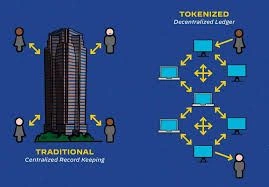
However, this approach comes with certain limitations. One of the significant drawbacks of traditional real estate investment is its inherent illiquidity. Buying or selling a property can be time-consuming and complex, requiring extensive legal procedures and intermediaries. This lack of liquidity can restrict investors' ability to react swiftly to market changes or seize investment opportunities. It also limits the ease of portfolio rebalancing or accessing capital in times of financial need.
Moreover, accessibility is a significant hurdle in traditional real estate investment. Investing in prime properties or high-demand areas often demands substantial capital, barring many potential investors from entry. This exclusivity limits the pool of participants and creates barriers to diversification and risk management for smaller investors. Traditional real estate investment primarily favours those with significant financial resources and access to conventional financing options.
Enter crypto real estate, a nascent yet rapidly evolving sector that seeks to revolutionize real estate investment through blockchain technology and digital currencies. Crypto real estate offers a new paradigm, blending the benefits of traditional real estate with the advantages of decentralized finance and tokenization. By tokenizing real estate assets, investors can own fractional shares, representing a portion of a property, which enhances accessibility and reduces the entry barrier significantly. This fractional ownership allows retail investors to diversify their portfolios across various properties and geographies previously out of reach.
One of the primary attractions of crypto real estate lies in its potential for liquidity. Through blockchain technology, property tokens can be traded on secondary markets, allowing investors to buy or sell their ownership shares swiftly and efficiently.
This newfound liquidity brings flexibility and responsiveness to real estate investment, empowering investors to adapt their portfolios to changing market conditions or capitalize on emerging opportunities. It also allows fractional ownership of high-value properties that typically require a substantial investment, providing diversification previously inaccessible to individual investors.
"Blockchain has the potential to democratize real estate investment, allowing people from all walks of life to participate in lucrative opportunities and unlock the power of asset ownership." - Don Tapscott
Furthermore, crypto real estate introduces a global dimension to the market. By leveraging blockchain and cryptocurrencies, investors can participate in real estate projects across borders, transcending the limitations of traditional national markets. This expanded scope allows for international diversification, exposure to emerging markets, and access to a broader range of investment opportunities. Crypto real estate platforms and marketplaces connect investors with projects worldwide, providing access to properties aligned with their investment goals and risk appetite.
In addition to enhanced liquidity and accessibility, crypto real estate offers increased transparency and security through blockchain technology. Property ownership records can be stored on a public blockchain, ensuring transparency and reducing the risk of fraudulent transactions. Smart contracts, powered by blockchain, can automate various aspects of real estate transactions, such as rental income distribution or property management, streamlining processes and reducing costs.
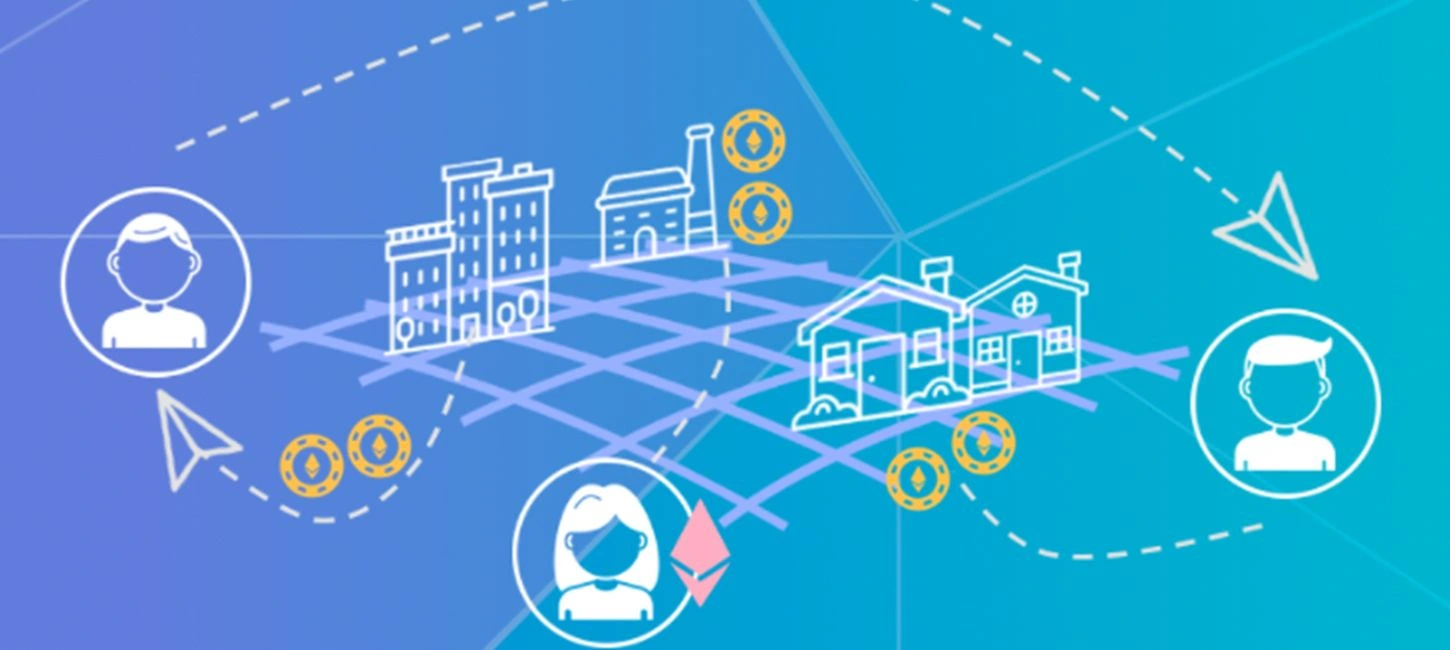
As the world becomes increasingly digital, the rise of cryptocurrencies has captured the attention of tech-savvy individuals. These crypto natives, who have embraced the decentralized and borderless nature of digital currencies, have begun exploring alternative avenues for investment. Among the myriad options available, real estate investment is a powerful synergy with the crypto world. Some of these synergies are;
Diversification and Stability: Crypto natives are no strangers to the concept of diversification. Just as they diversify their cryptocurrency portfolios to mitigate risk, investing in real estate offers an excellent opportunity to diversify their asset allocation. Real estate is a tangible asset that has historically provided stability, long-term growth, and inflation hedging. By incorporating real estate into their investment strategy, crypto natives can offset the volatility of their cryptocurrency holdings and create a more balanced and resilient portfolio.
Tangible Assets and Wealth Preservation: While cryptocurrencies hold immense potential, some crypto natives may need more tangible assets. Real estate investment allows them to acquire physical properties, which can be seen, touched, and experienced. Real estate holdings serve as a form of wealth preservation, providing a sense of security and stability that can be lacking in the ever-changing crypto landscape. Additionally, real estate investments can generate passive income through rental properties, offering a steady cash flow that complements the potential gains from cryptocurrencies.
Global Accessibility and Borderless Opportunities: Cryptocurrencies have revolutionized financial transactions by removing barriers to entry and enabling global access. Similarly, real estate investment can capitalize on this concept by providing opportunities for crypto natives to invest in properties worldwide. Through various platforms and decentralized finance (DeFi)solutions, crypto natives can participate in global real estate markets without the traditional limitations of geographic boundaries or local regulations. This opens up a world of possibilities and allows for strategic investments in emerging markets or areas experiencing rapid growth.
Tokenization and Fractional Ownership: One of the exciting developments in the intersection of real estate and cryptocurrencies is the concept of tokenization. Tokenization involves representing ownership rights to real estate assets as digital tokens on a blockchain. Crypto natives can invest in fractional ownership of properties, allowing for smaller investment amounts and increased liquidity. Tokenization also introduces the potential for secondary markets, where these real estate tokens can be bought, sold, and traded, providing additional flexibility and liquidity to investors.
Fractional Ownership & Real Estate Indices
Fractional ownership has emerged as an alternative method for individuals to invest in real estate, offering several distinct advantages. However, there are some considerations when comparing it to investing in real estate indices. Let's explore the benefits of fractional ownership with an emphasis on the advantages of investing in real estate indices:
Direct Ownership and Control: Fractional ownership provides investors with direct ownership and control over a specific property or a portion thereof. This level of control allows investors to have a say in property management decisions, tenant selection, and property improvements. In contrast, investing in real estate indices involves investing in a portfolio of properties managed by professionals, limiting the level of control individual investors have over the specific assets.
Potential for Higher Returns: Fractional ownership can offer higher returns than investing in real estate indices. By directly owning a property or a portion of it, investors benefit from the rental income and any appreciation in property value. The ability to actively manage the property and make strategic decisions can enhance returns. In contrast, real estate indices provide returns based on the overall performance of a diversified portfolio of properties, potentially limiting the potential for higher returns associated with direct ownership.
Flexibility and Customization: Fractional ownership allows investors to select specific properties that align with their preferences, risk appetite, and investment goals. Investors can choose properties in desired locations, types, and features. This flexibility and customization allow investors to create a portfolio tailored to their needs. On the other hand, real estate indices offer a predefined portfolio of properties, limiting the customization options for investors.
Tangible Asset Ownership: Fractional ownership benefits investors from absolute asset ownership. Owning a physical property can give a sense of security and a tangible asset that can be seen and touched. This fractional ownership aspect can appeal to individuals who prefer owning a physical property rather than investing in intangible financial instruments like real estate indices.
Potential Tax Advantages: Fractional ownership may offer potential tax advantages for investors. Depending on the jurisdiction and specific circumstances, fractional owners may be eligible for tax deductions related to property expenses, depreciation, and other tax benefits associated with real estate ownership. These tax advantages can contribute to reducing the overall tax liability for investors.
While fractional ownership has its merits, it is essential to consider the limitations and potential risks. Fractional ownership requires active management and higher levels of involvement and may have limited liquidity compared to investing in real estate indices. Additionally, the success of fractional ownership depends on factors such as property performance, market conditions, and the expertise of individual investors.
On the other hand, investing in real estate indices offers diversification benefits, professional management, liquidity, and accessibility to the real estate market without the burden of property-specific responsibilities. It provides a passive investment approach and allows investors to gain exposure to a broader range of properties and needs.
Choosing between fractional ownership and investing in real estate indices depends on individual preferences, risk tolerance, and investment goals. Investors should carefully evaluate their options, consider the trade-offs, and seek professional advice to make informed decisions that align with their financial objectives.
Competitive Landscape (across all chains)
The competitive landscape of Parcl across all chains is marked by a growing number of players seeking to leverage blockchain technology to disrupt the traditional real estate industry. While Parcl is a frontrunner in this space, it faces competition from several other platforms offering similar solutions and aiming to capture a share of the emerging market. Let's take a closer look at some of Parcl's key competitors:

Propy
1. Propy: Propy is a blockchain-based real estate marketplace that allows users to buy and sell properties globally. Like Parcl, Propy utilizes smart contracts to facilitate secure and transparent transactions. The platform also provides features such as property search, title transfer, and escrow services. Propy has gained traction and established partnerships with various industry stakeholders, positioning itself as a strong competitor to Parcl.

Atlant
2. Atlant: Atlant is another blockchain-based real estate platform that enables users to trade tokenized property assets. It offers a decentralized peer-to-peer exchange where users can invest in properties and earn rental income. Atlant differentiates itself by focusing on tokenizing individual real estate assets, allowing for greater liquidity and fractional ownership. While Atlant may have a narrower scope than Parcl, it poses a unique value proposition within the real estate blockchain landscape.
RealT
3. RealT: RealT is a platform that allows investors to purchase fractional ownership in U.S.-based real estate properties through tokenization. The platform provides investors with passive rental income and potential property appreciation. RealT focuses primarily on residential properties and has built a robust user base of investors interested in fractional ownership. With its specific focus and strong community, RealT competes with Parcl by targeting a similar audience interested in fractional real estate investment opportunities.

Harbor
4. Harbor: Harbor is a blockchain platform that tokenizes various types of assets, including real estate. It provides a compliance infrastructure and regulatory framework to ensure tokenized assets are issued and traded legally. While Harbor is not exclusively focused on real estate like Parcl, its compliance and security infrastructure expertise make it a formidable competitor in the broader blockchain asset tokenization space.
As the real estate blockchain ecosystem continues to evolve, these competitors, along with others, will contribute to the overall growth and maturation of the industry. Parcl's competitive advantage lies in its comprehensive ecosystem, user-friendly interface, and global marketplace, which positions it as a leading player in the real estate blockchain landscape. By continually innovating and expanding its offerings, Parcl aims to maintain its competitive edge and capture a significant market share in the emerging blockchain-driven real estate industry.
Tutorial: How to Trade on Parcl (Simple Steps)
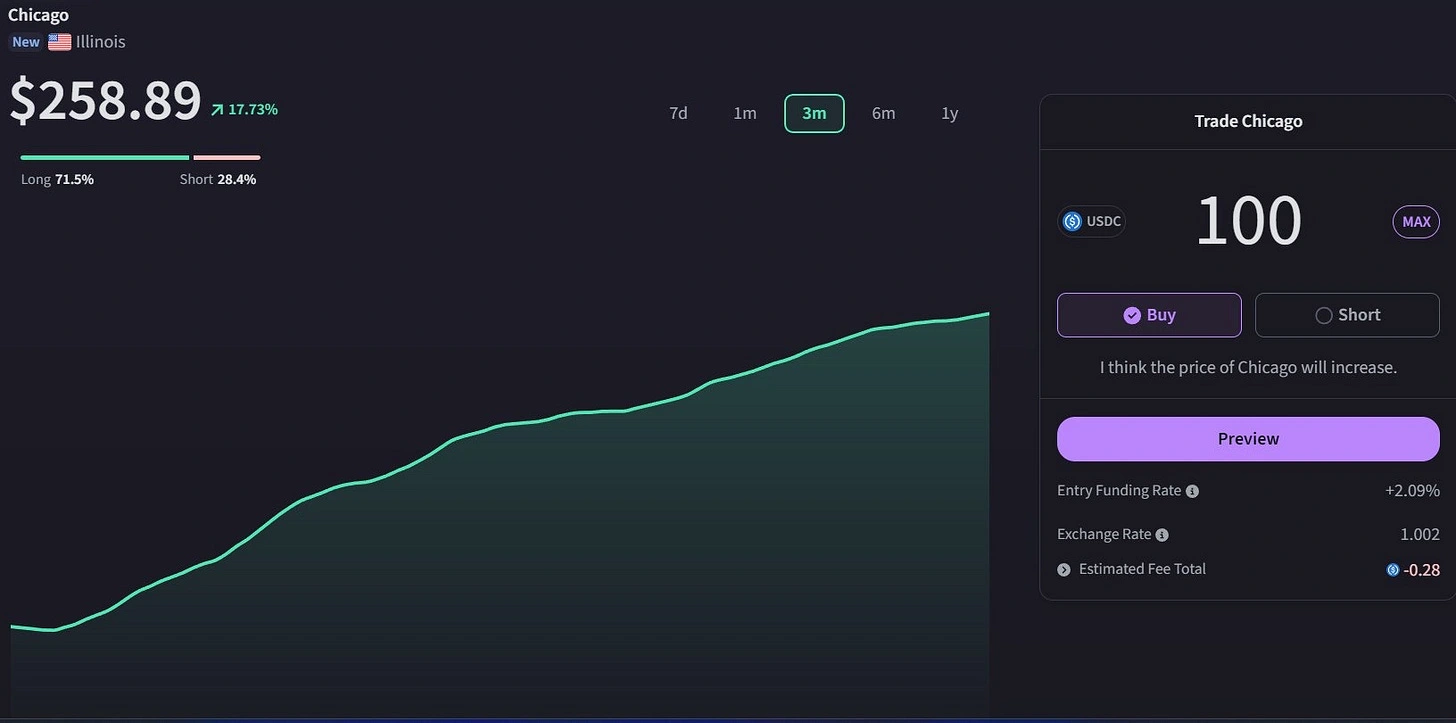
1. Open the Parcl Website: Visit the Parcl website and create an account to initiate your trading journey.
2. Select a City and Click on "Trade": Choose the city index you wish to trade on, such as New York, Los Angeles, or Miami. Click on the "Trade" button to proceed.
3. Connect Your Wallet:
Connect your Solana wallets, such as Phantom or Glow, to the Parcl platform to facilitate secure transactions.
4. Choose Your Investment Amount: Determine the amount you wish to invest in the selected city index. Parcl's low minimum investment requirement allows you to start with as little as $1.
5. Review and Confirm: Carefully review your investment details, ensuring accuracy. Once satisfied, confirm the transaction to initiate the trade.
6. Monitor and Manage: Track the performance of your investment in real-time through Parcl's user-friendly interface. Leverage the platform's data and analysis tools to make informed decisions and optimize your portfolio.
Conclusion
The real estate industry is poised for a transformative revolution with the advent of blockchain technology. Parcl, with its innovative platform, is at the forefront of this revolution, providing investors with unprecedented opportunities to participate in the global real estate market.

Parcl
Through Parcl's blockchain-based ecosystem, investors can benefit from enhanced transparency, security, and efficiency in real estate transactions. Smart contracts ensure that all parties adhere to predefined terms, minimizing the risk of fraud or disputes. Additionally, the tokenization of real estate assets opens up fractional ownership, enabling smaller investors to access lucrative investment opportunities that were once exclusive to the wealthy.
Furthermore, Parcl's global marketplace facilitates cross-border investments, allowing investors to diversify their portfolios and capitalize on emerging real estate markets worldwide. The platform's user-friendly interface and robust data analytics provide valuable insights and guidance, empowering investors to make informed decisions and maximize their returns.
As blockchain technology matures and gains mainstream acceptance, the real estate industry will witness a paradigm shift in how properties are bought, sold, and financed. Parcl's disruptive approach streamlines traditional processes and introduces novel concepts that unlock previously untapped potential.
In the coming years, we can expect a significant increase in real estate investments facilitated by blockchain platforms like Parcl. As more investors recognize the benefits of transparency, efficiency, and accessibility, the traditional barriers to entry in the real estate market will be dismantled. This democratization of the industry will bring about new possibilities and opportunities for investors of all sizes, contributing to a more inclusive and dynamic real estate ecosystem.
In summary, Parcl's blockchain revolution is reshaping the landscape of real estate investments. By leveraging blockchain technology's power, the platform empowers investors with greater control, security, and profitability. As we embrace this digital era, the future of real estate investing has never been brighter, and Parcl is leading the way toward a more prosperous and equitable future.
Reference
Thanks for reading CryptoLife360’s Substack! Subscribe for free to receive new posts and support my work.
Like this project
Posted Jun 11, 2023
A comprehensive deep dive on how Parcl is revolutionizing and filling the gap between real estates and blockchain on Solana