Unreal Engine UI Navigation Design Study

Dani Marti


Days Gone Navigation Study
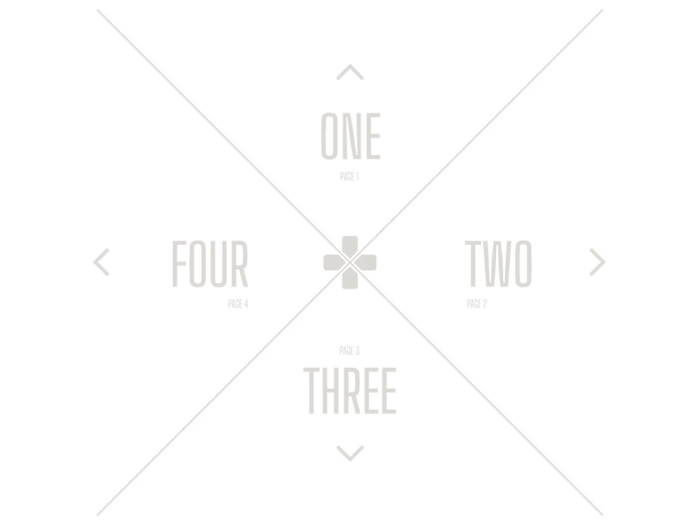
This study explores the menu navigation from Days Gone, not as a one-to-one recreation, but as a design and engineering study.
The objective was to understand both the visual language and the technical implementation behind the interface, then rebuild it inside Unreal Engine using original assets, modular Blueprints, and reusable systems.
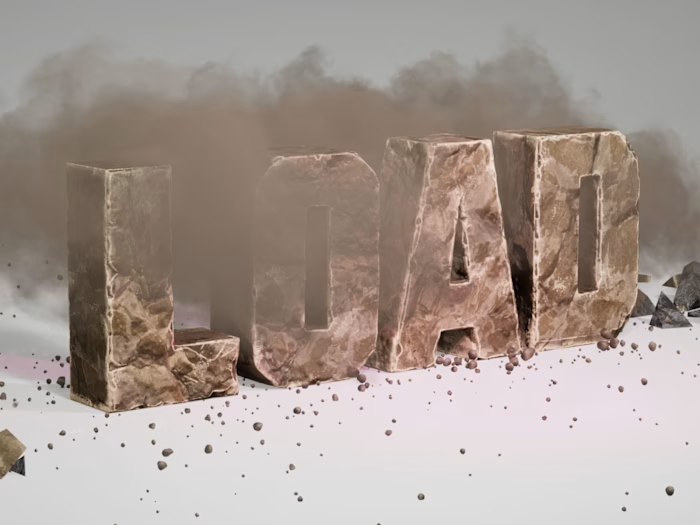
Rather than reproducing the original assets, every visual element was recreated using original artwork and freely available resources while preserving the overall atmosphere, composition, and motion language.
Design Analysis
A successful interface is more than functionality.
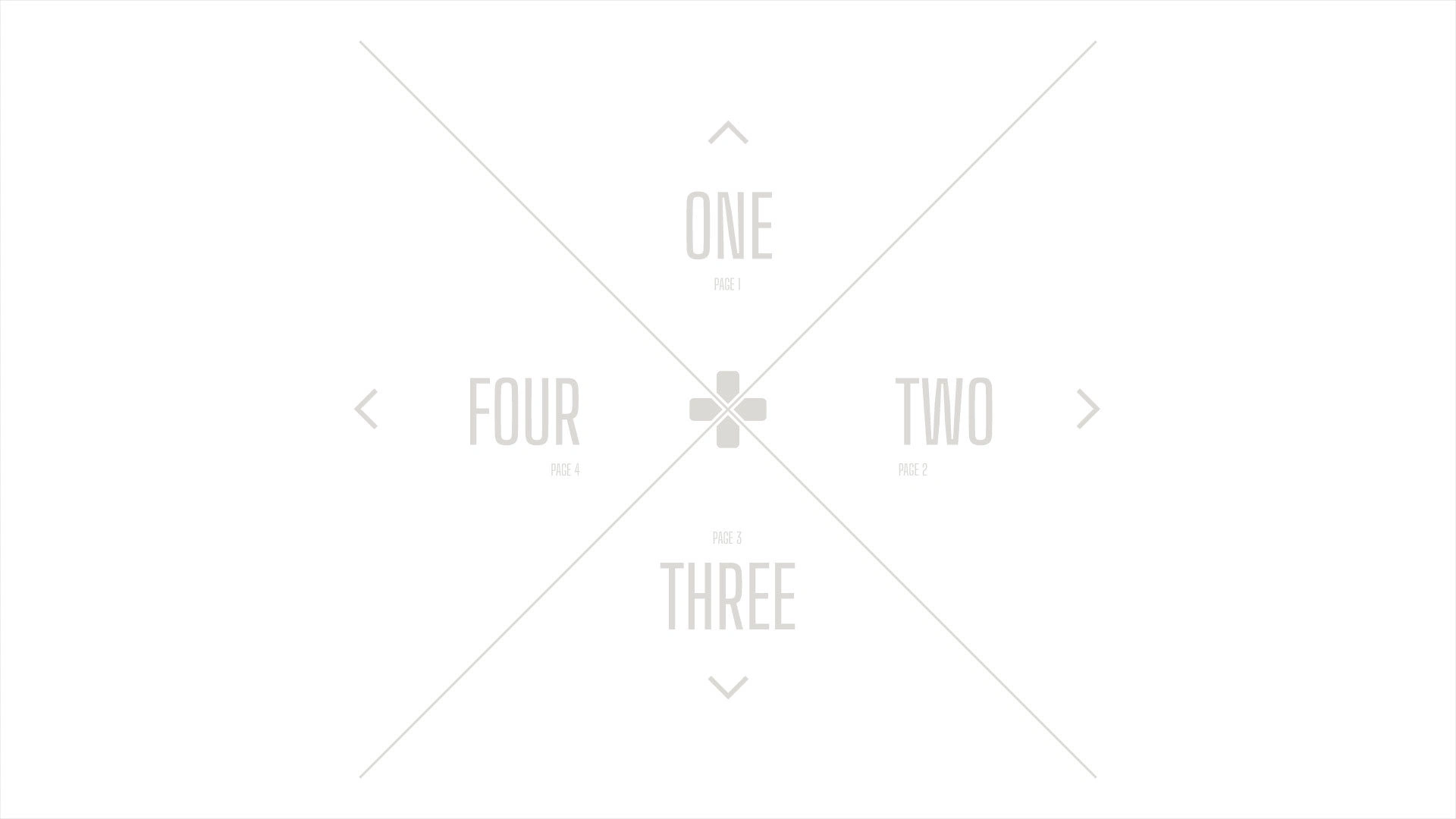
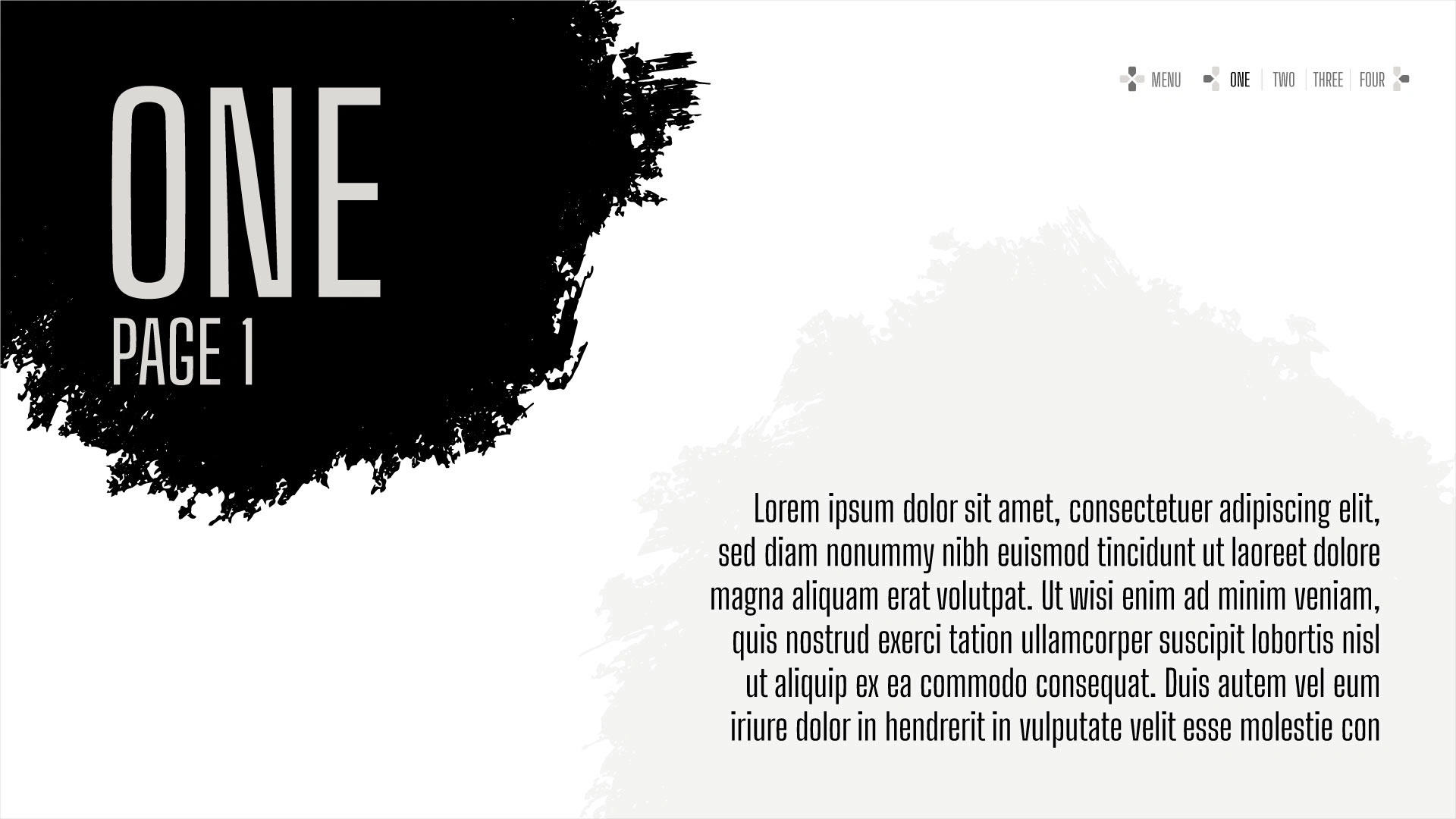
Before writing a single Blueprint, I analyzed the interface from a design perspective:
- Visual hierarchy
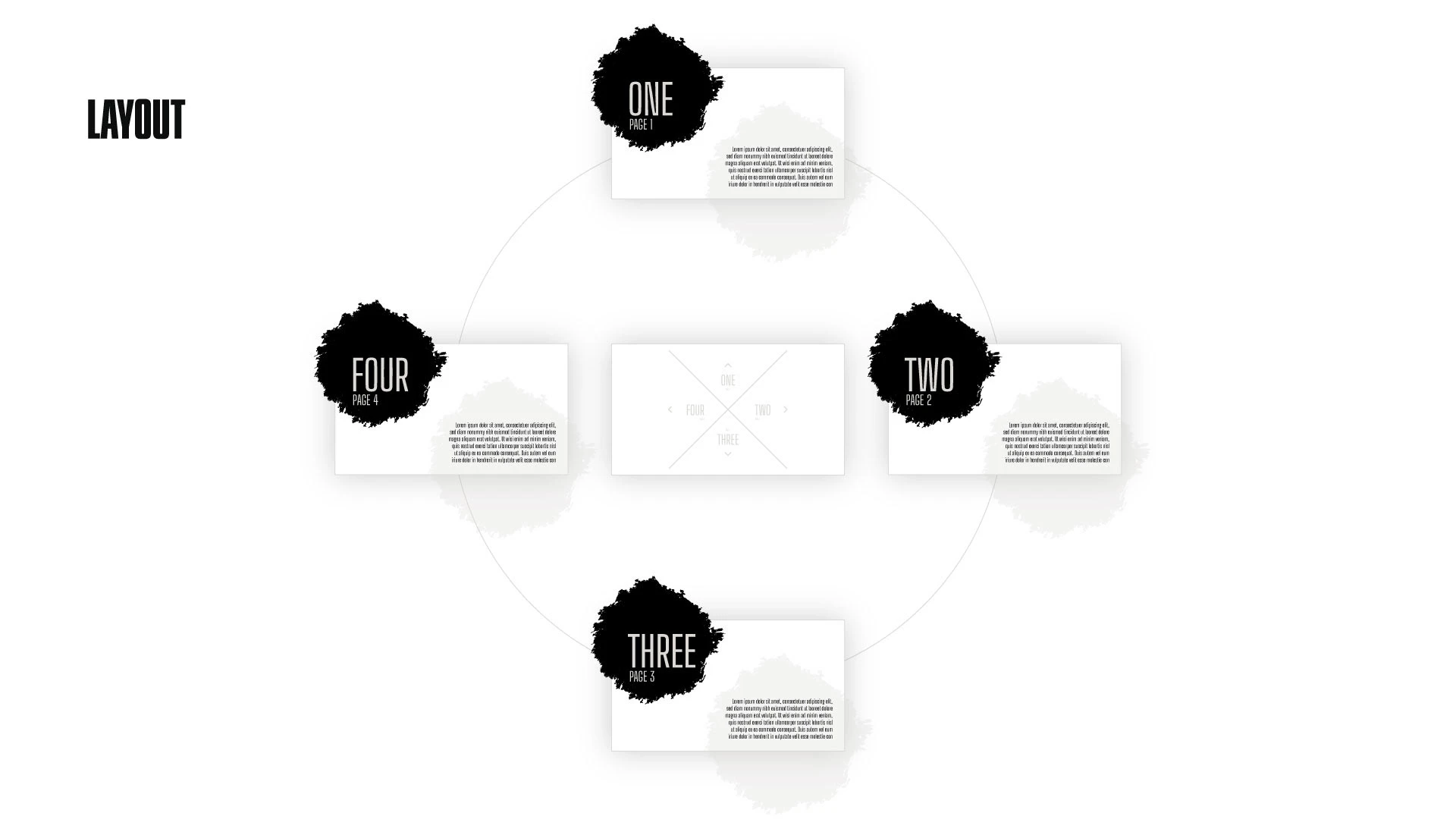
- Layout and composition
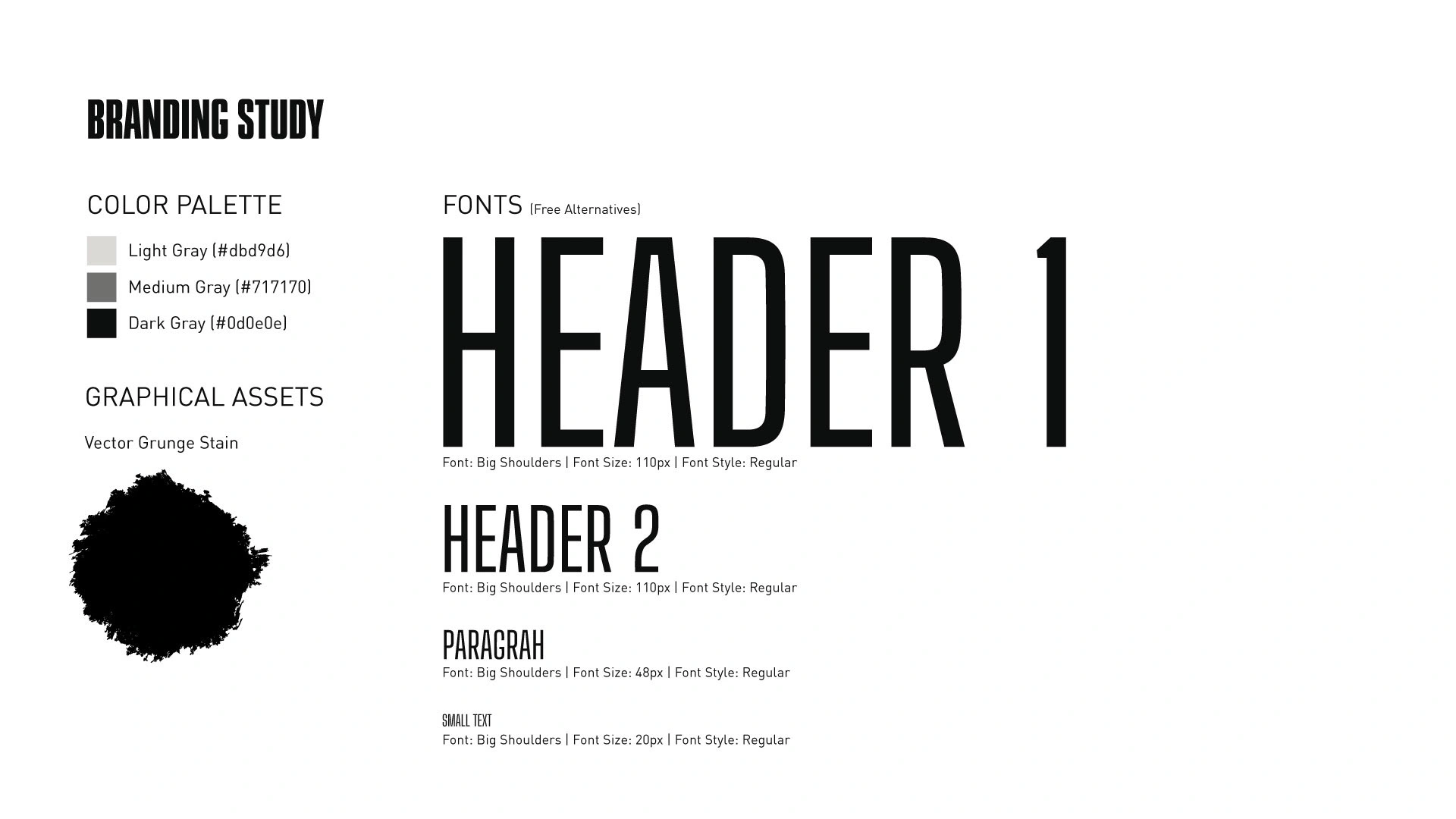
- Typography
- Motion language
- Color palette
- Graphic language
- Atmosphere
The objective wasn't to copy the visuals, but to understand the design decisions behind them and recreate the same experience using completely original resources.
Technical Analysis
Once the visual language was established, the project shifted toward implementation.
Instead of reproducing individual interactions, the navigation was rebuilt as a modular system inside Unreal Engine.
Technical Highlights
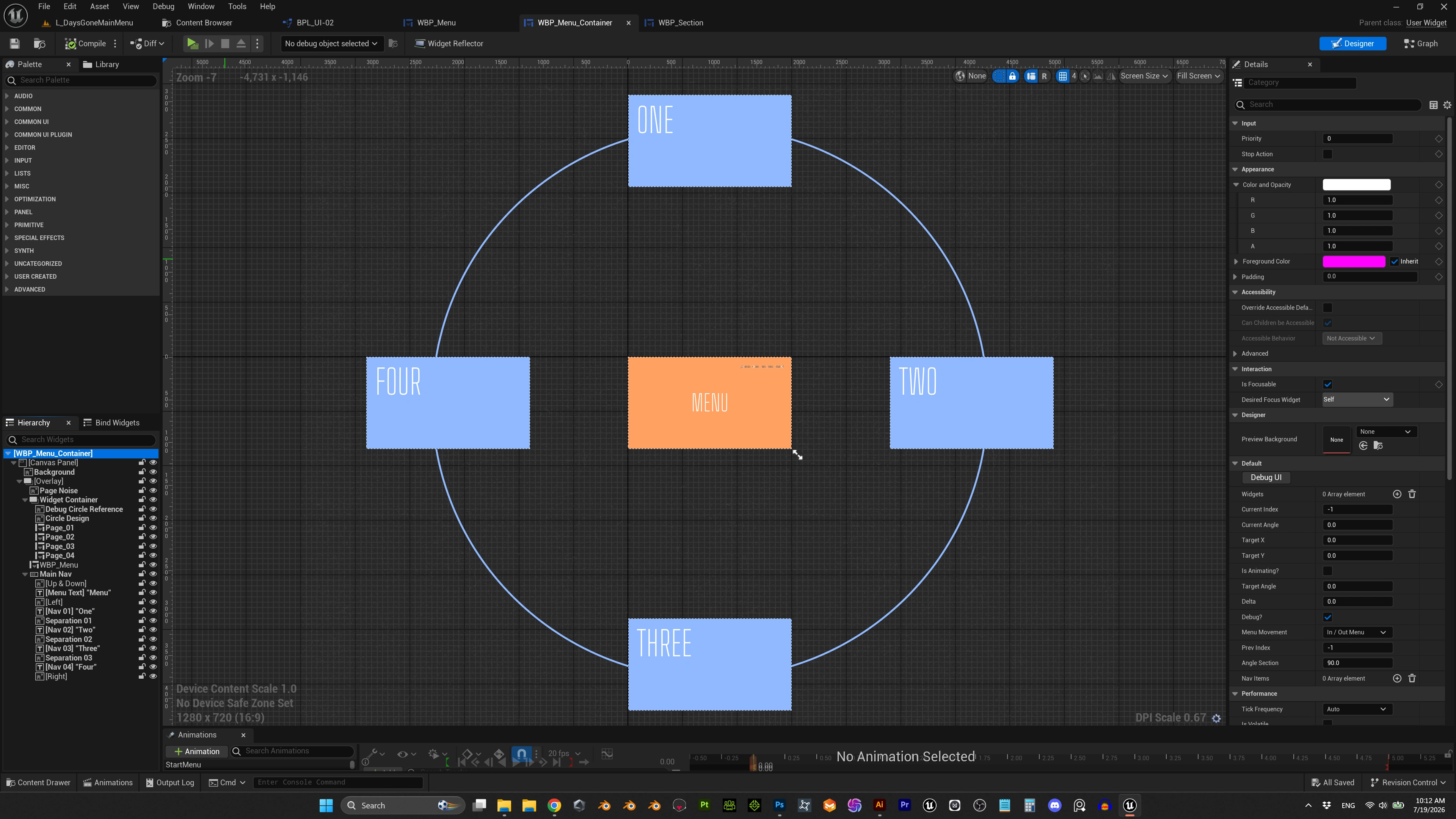
- Modular widget architecture
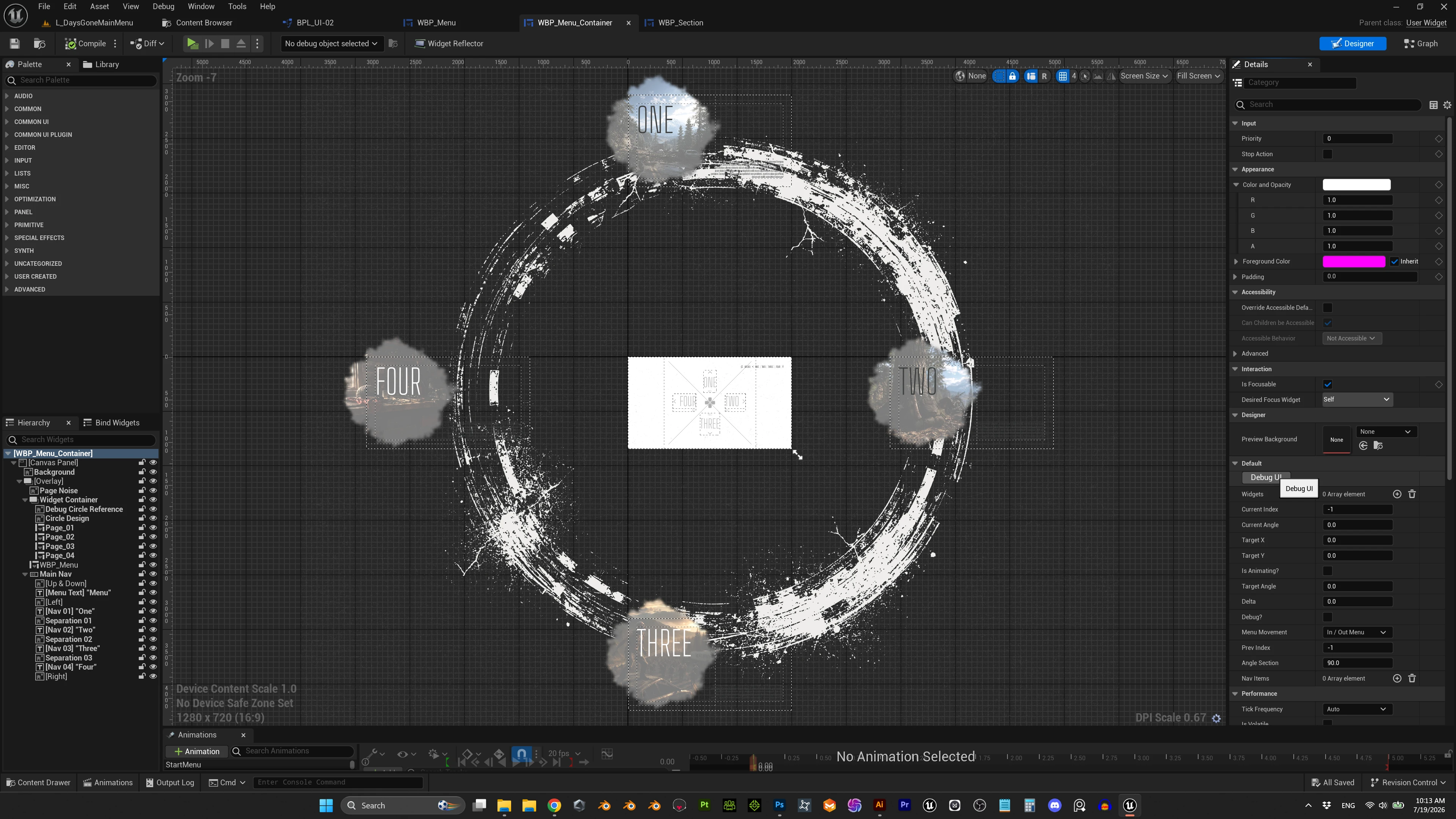
- Radial navigation using trigonometry
- Shortest-path page rotation
- Dynamic Material Instances
- Parameter-driven UI materials
- Fake parallax background
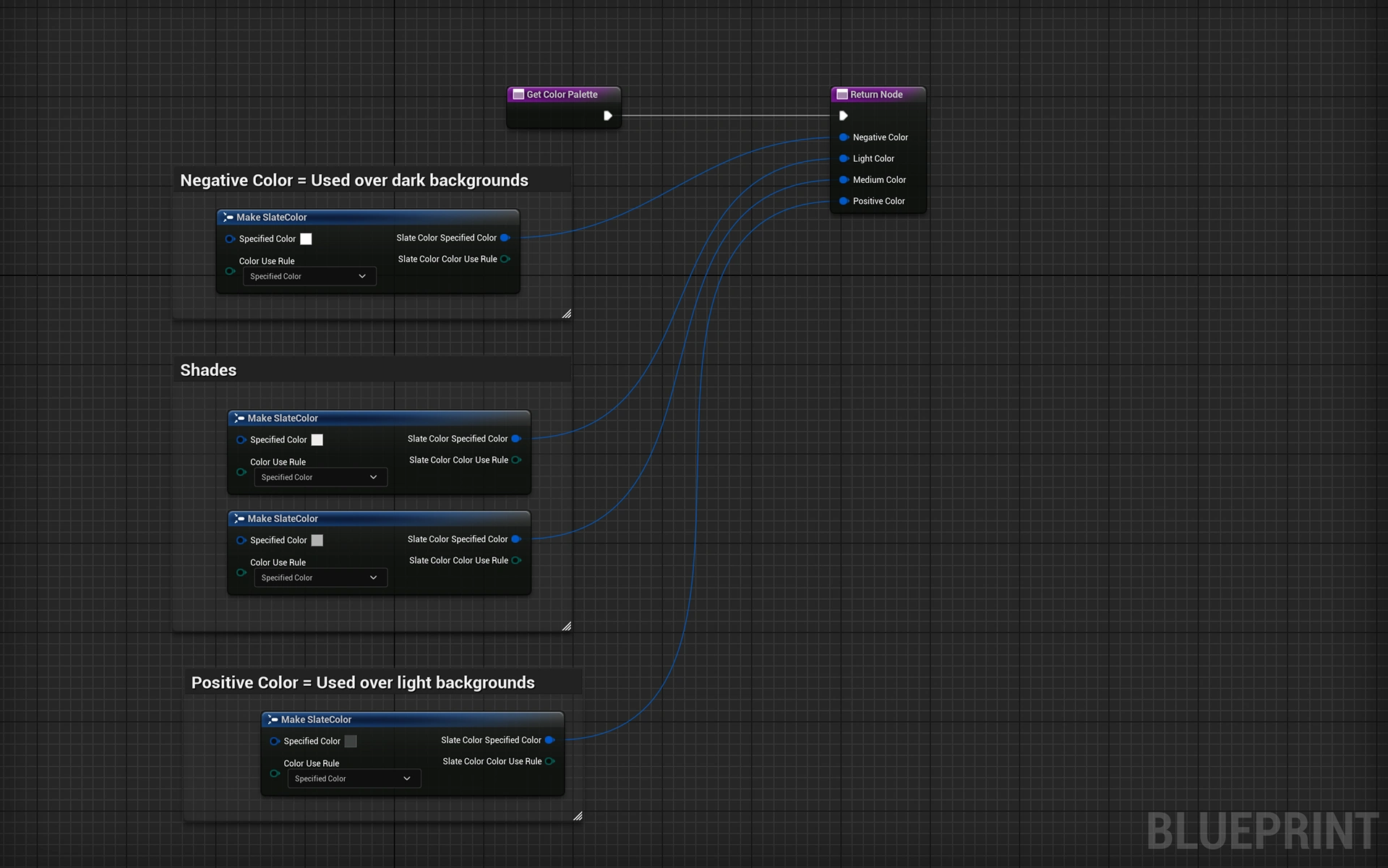
- Blueprint Function Library for centralized color management
- Clean architecture, naming conventions, and documented Blueprints
Design Decisions
Several implementation choices were driven by maintainability rather than visual accuracy.
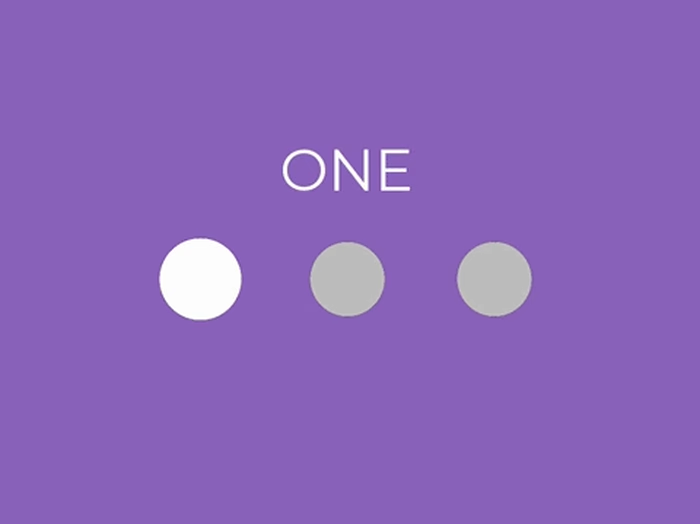
The navigation was built from only three reusable widgets, allowing every section to share the same logic while remaining independently customizable.
Transitions between the main menu and the content pages were intentionally separated from the radial navigation system, resulting in simpler logic and smoother visual transitions.
A centralized Blueprint Function Library manages the project's color palette, ensuring visual consistency while allowing the entire interface theme to be updated from a single location.
Development Philosophy
One of the goals behind UI Forge is demonstrating that interface design extends beyond aesthetics.
Every study follows the same methodology:
Functionality is validated before visual polish is applied, making debugging simpler and allowing design decisions to be driven by working systems rather than assumptions.
The result is an implementation that is both visually faithful and technically maintainable.
Conclusion
This study demonstrates two complementary skill sets.
Design
The ability to analyze an existing interface, understand its visual language, and recreate its atmosphere using original assets and freely available resources.
Engineering
The ability to reverse-engineer the underlying interaction, translate it into modular Unreal Engine systems, and build a scalable implementation using production-ready workflows.
For me, successful UI development happens where design thinking and technical implementation meet.
Explore the Complete Study
If you'd like to dive deeper into the implementation, the complete UI Forge #002 study is available on Patreon.
It includes:
- Unreal Engine project
- Fully commented Blueprints
- Modular widgets
- UI materials
- Animations
- Branding Study (PDF)
- Adobe Illustrator source files
- Graphic assets, textures, and images
Whether you're interested in the design process or the technical implementation, the complete project is intended as a learning resource for Unreal Engine developers and UI designers.
Like this project
Posted Oct 1, 2026
Redesigned Days Gone menu navigation in Unreal Engine with original assets and modular systems.
Likes
0
Views
3
Clients
Personal Project