Dementia Care Co-design Project

Ishwarya Suresh


Me & You
Co-designing a dementia care app that moved beyond reminiscence - validated with real users and domain experts from Discovery to Alpha.
Client
Nebula Labs, Newcastle
Role
User Research Intern
Timeline
Feb · Apr 2023
Tools
Paper prototypes, Miro, Figma
Collaborators
Solo researcher & designer
Industry
Healthcare / Social Care
⏸Discovery to Alpha complete. Development paused pending council funding.
Background & inspiration
Understanding the Challenge
Dementia affects over 900,000 people in the UK, with numbers expected to reach 1.6 million by 2040. People living with dementia (PwD) experience progressive cognitive decline that affects memory, communication, and daily orientation. Existing digital tools in this space overwhelmingly focus on reminiscence - prompting memory of the past - but research suggests that forward-orientation (thinking about what comes next) can meaningfully reduce disorientation and anxiety. There was a clear gap: almost no tools were designed to support future thinking for PwD.
"My interest in this space grew from exploring how creative and sensory interventions - such as immersive theatre and group storytelling - were already being used in care homes to positive effect. I shadowed workshops by Woven Nest Theatre at a local care home and conducted a focus group with HCI and dementia specialists at Northumbria and Newcastle Universities. A recurring theme emerged: practitioners wanted a tool that could extend creative engagement beyond in-person sessions and into everyday routines - something lightweight, non-clinical, and genuinely enjoyable to use."
Embracing Innovative Methods
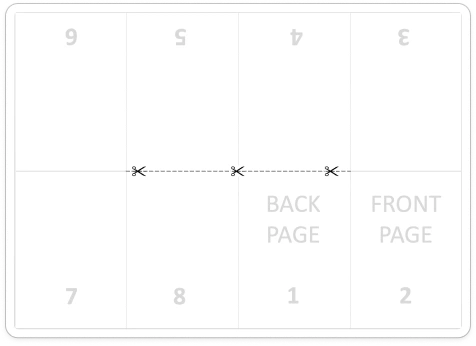
Rather than defaulting to screen-heavy interfaces, I looked at how tactile and creative formats could translate digitally. The 8-fold zine - a physical storytelling format - became a central inspiration. Its non-linear, low-pressure structure aligned well with the cognitive patterns of PwD: open-ended prompts rather than correctness, sensory engagement rather than instruction-following. I used this format to inform the app's interaction model.
Discovery
Before any design work, I reviewed clinical literature, existing dementia technology, and participatory design research to understand what was known - and critically, what was missing. The evidence strongly challenged the industry default of reminiscence-based tools.
900K+
People living with dementia in the UK today
1.6M
Projected UK cases by 2040
~0
Existing tools designed for forward-orientation (present/future thinking)
67%
Of care home residents report low engagement between structured activities
Existing digital tools (Tovertafel, TimeSlips, Reminisce) are almost universally built around memory recall - prompting users to remember the past.
Clinical evidence suggests forward-orientation (engaging with the present and near future) can reduce disorientation and anxiety in PwD - but no commercial product addressed this.
Creative and sensory engagement - particularly through participatory arts - showed strong evidence for improving quality of life and communication in PwD.
Accessibility research flagged consistent failures in existing tools: small touch targets, complex navigation, clinical visual language, and absence of caregiver co-use modes.
The 8-fold zine - a physical, non-linear storytelling format used in art therapy - offered a structural model directly applicable to digital interaction design: open-ended prompts, no correct answers, low cognitive load, and a format PwD could engage with at their own pace.
Research gap identified
No product existed that combined present-moment creative engagement, shared family connection, and accessibility-first design for people living with dementia. That was the design opportunity.
Key reading
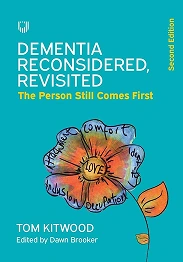
Dementia Reconsidered, Revisited
Tom Kitwood, ed. Dawn Brooker
Foundational text on person-centred dementia care. Kitwood's concept of "personhood" directly shaped the design principle of facilitating making and connecting rather than testing memory.
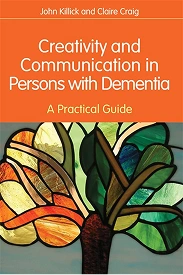
Creativity and Communication in Persons with Dementia
John Killick & Claire Craig
Evidence base for creative engagement as a communication tool for PwD. Informed the decision to use open-ended image prompts rather than text-based interactions.
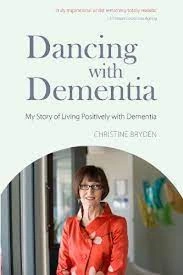
Dancing with Dementia
Christine Bryden
First-person account of living with dementia. Critical for grounding the research in lived experience and challenging assumptions about what PwD can and want to do.
The problem
Digital tools for people with dementia (PwD) are almost universally built around reminiscence - helping users remember the past. This neglects a critical insight: PwD retain more agency and quality of life when supported to engage with the present and future.
How might we design a digital tool that enhances quality of life for people with dementia - by focusing on present engagement and meaningful connection, rather than memory recall alone?
Impact & outcomes
5 (focus groups, ethnography, co-design, prototype testing)
Research methods used
2 with PwD and caregivers
Prototype test rounds
5 evidence-based principles adopted by Nebula Labs
Design principles established
Full Discovery to Alpha
Product lifecycle
Key insight
"The most meaningful moments for PwD were not recall-based - they were present-tense: creating something, sharing it with someone, and seeing a reaction. The app needed to facilitate making and connecting, not just remembering."
User personas

Primary - Person with Dementia
Margaret, 74
Lives in a care home in the North East. Diagnosed with early-to-mid stage Alzheimer's 3 years ago. Enjoys reminiscing about her garden and talking about family.
Needs
✓Low-effort ways to stay mentally engaged between structured activities.
✓Prompts that feel like conversation, not tests.
Frustrations
✕Apps that feel clinical or require sustained attention.
✕Touchscreens that are hard to use with arthritic hands.
"Feel a sense of pride and connection through small, creative acts."

Secondary - Carer
Priya, 38
Senior care worker at a residential home. Manages activities for 12 residents.
Needs
✓A tool she can introduce quickly without a training session.
✓Something residents can use independently between visits.
Frustrations
✕Apps that require constant facilitation.
✕Tools residents abandon after 10 minutes.
"Give residents a sense of agency and joy, without adding to her own workload."
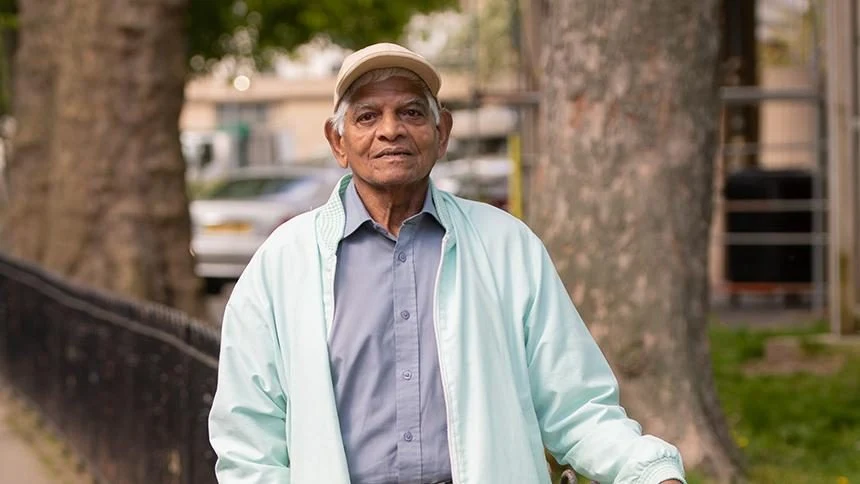
Primary - Person with Dementia
John Smith, 85
A resident at a care home diagnosed with intermediate to advanced-stage dementia. A retired factory worker, John is used to familiar routines and values time with family and friends. His condition makes remembering details and communicating effectively more difficult.
Needs
✓A comfortable, familiar environment with minimal change.
✓Simple interactions that don't require sustained memory or instructions.
✓Ways to spend quality time "with" family even when visits are infrequent.
Frustrations
✕Complex technology that confuses rather than helps.
✕Feeling anxious or disoriented when routines are disrupted.
✕Struggling to express himself when communication is affected.
"Feel safe, socially connected, and part of everyday family life - even from inside a care home."

Tertiary - Community Facilitator
Liv Hunt, 34
Community Engagement Specialist with a background in participatory arts and theatre. Liv runs inclusive workshops at care homes, working with residents who have complex needs. She is passionate about creating meaningful, accessible experiences.
Needs
✓Digital tools that extend engagement beyond in-person sessions.
✓A platform she can introduce to residents without a steep learning curve.
✓A way to document and share creative outputs from workshops.
Frustrations
✕Most apps are too task-oriented to support open-ended creative expression.
✕Managing the logistics of a theatre company while also tracking participant progress.
✕Inclusive digital tools are rare - most assume a level of literacy or motor control that excludes her participants.
"Use technology to amplify the impact of her workshops and keep residents creatively engaged between sessions."
← scroll to see all personas →
Design process
Expert Focus Group
Convened HCI and dementia care specialists from Northumbria and Newcastle Universities to establish the evidence base and identify gaps in existing digital tools.
Ethnographic Observation
Shadowed "Milk, Two Sugars" - a sensory theatre intervention by Woven Nest at a Newcastle care home - observing how PwD responded to sensory, creative, and social stimuli.
Competitive Analysis
Reviewed TimeSlips and similar co-creative tools to understand what engagement mechanisms transferred well to digital formats.
Co-design Workshops
Ran participatory design sessions with PwD, caregivers, and care home staff using artefacts, storytelling prompts, and storyboard-based scenarios.
Prototype Testing
Developed and tested paper prototypes with PwD and caregivers, measuring engagement duration, emotional response, and caregiver usability across 2 rounds.
Digital Iteration
Refined the strongest concept into a digital prototype in Figma, incorporating feedback on navigation simplicity and visual hierarchy.
Prototype testing
What we tested
We tested two paper prototype variants with 10 participants, including 5 people with dementia (supported by carers) and 5 care staff. Sessions lasted approximately 20-30 minutes each.
Participants 5 people with dementia + 5 care staff
Key questions
→Could users understand the prompts without verbal explanation?
→Did the non-linear structure feel freeing or confusing?
→Which interaction patterns felt natural on a touchscreen?
What worked well
✓Open-ended image prompts (rather than text) were consistently engaging and required no explanation.
✓The zine-inspired, non-sequential layout reduced anxiety compared to step-by-step flows.
✓Carers noted that the low-stakes format encouraged participation from residents who typically disengaged from structured activities.
What needed to change
→Touch target sizes needed to increase significantly - initial targets were too small for users with reduced motor control. Final targets set to 48×48px minimum.
→Prompts written as questions ("What does this remind you of?") created more pressure than prompts written as invitations ("Tell me about…").
→The prototype assumed independent navigation; testing revealed that a dedicated carer mode for guided use was also needed.
These findings directly shaped the re-iterated digital prototype - we increased touch targets to 48px minimum, rewrote all prompts in invitation format, and introduced a dual-mode navigation model.
The solution
A digital companion app with daily creative prompts (sensory-rich activities designed for present-moment engagement), a shared memory space between PwD and a designated caregiver, a caregiver dashboard showing recent activity without surveillance framing, and full accessibility throughout (large text, high contrast, voice input).
Physical output - the 8-fold zine
Once a session is complete, the app generates a printed template summarising the PwD's recorded story. The carer prints this and turns it into an activity in itself - folding a single A4 sheet into 8 panels to create a small, personal zine. The result is a tangible keepsake the PwD can take with them: their own creative story, made by their own hands, to be cherished.
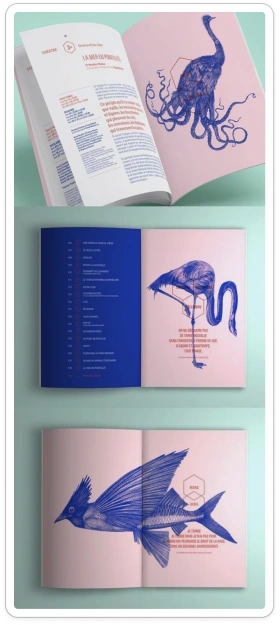
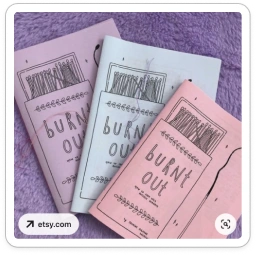
"Burnt Out" zines - handmade zine examples showing the accessible, lo-fi, personal quality of the format that made it a strong inspiration for the app's tone.
Session output templates
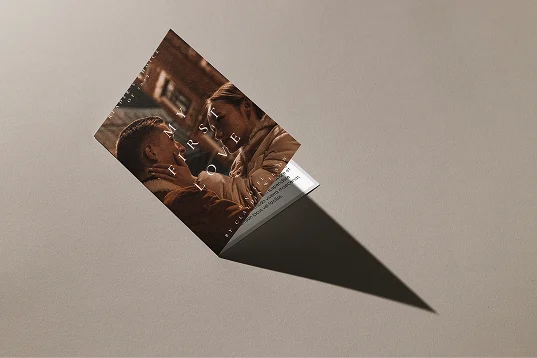
Zine prompt card - warmth and connection theme, translating the physical zine format into a digital card-based prompt for the app
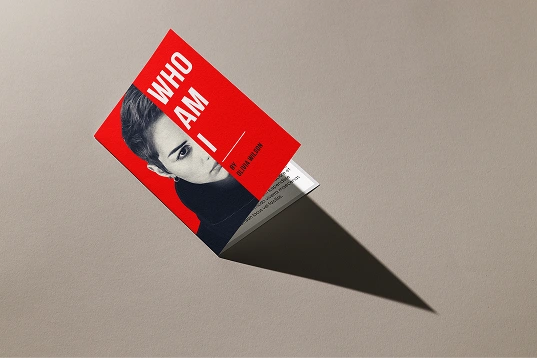
"Who Am I" prompt card - identity and self-expression theme, one of the core open-ended prompts designed for PwD

Zine prompt card - relationships and memory theme, showing how personal connection prompts were visualised in the app

"Light, Shadows & Magic" prompt card - sensory and atmospheric theme, designed to invite present-moment creative response
Ethnographic Study
Images showing participants have been blurred to protect privacy.
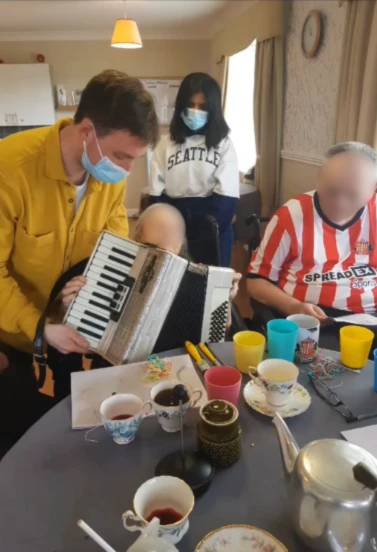
Music and creative expression - resident playing the accordion during a sensory workshop session
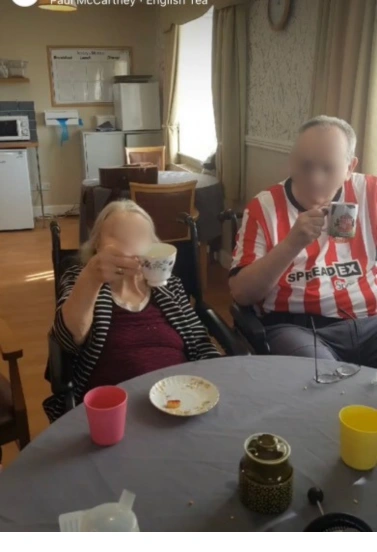
English Tea - residents sharing tea and conversation as a low-pressure social activity
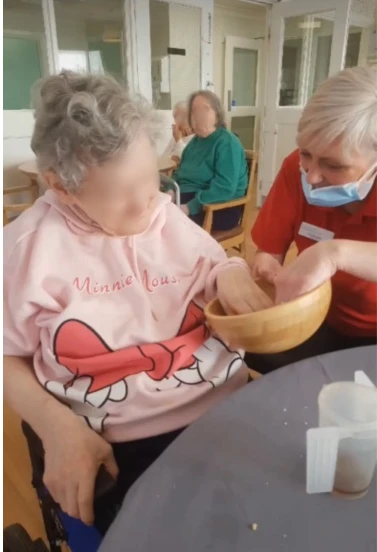
Sensory engagement - resident exploring tactile materials during a co-design session
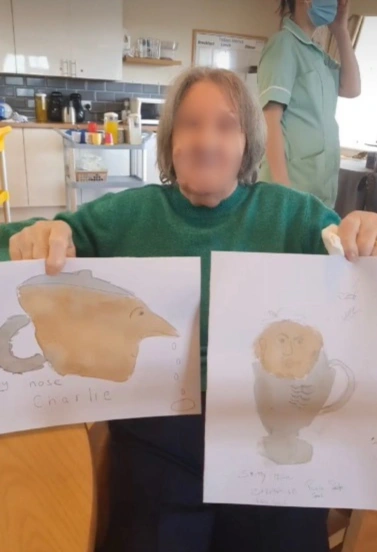
Creative expression - resident proudly displaying watercolour artwork made during the workshop
Prototype & process
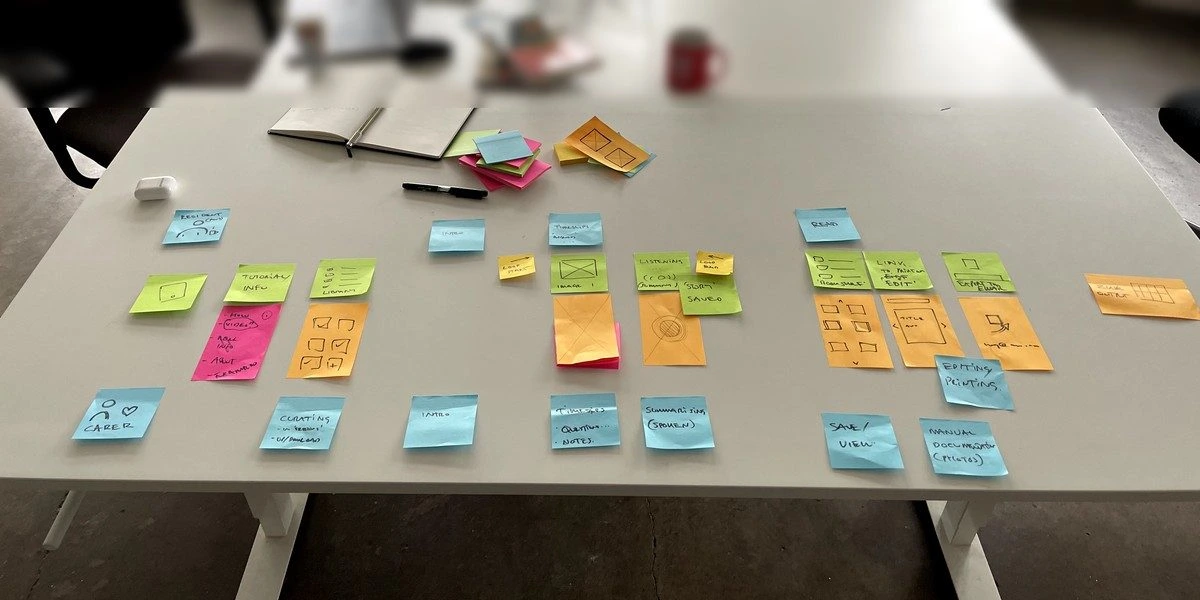
Co-design and ideation session - feature mapping with care staff and HCI researchers using post-it affinity clustering. Participants included carers, a theatre facilitator, and two academic dementia specialists.
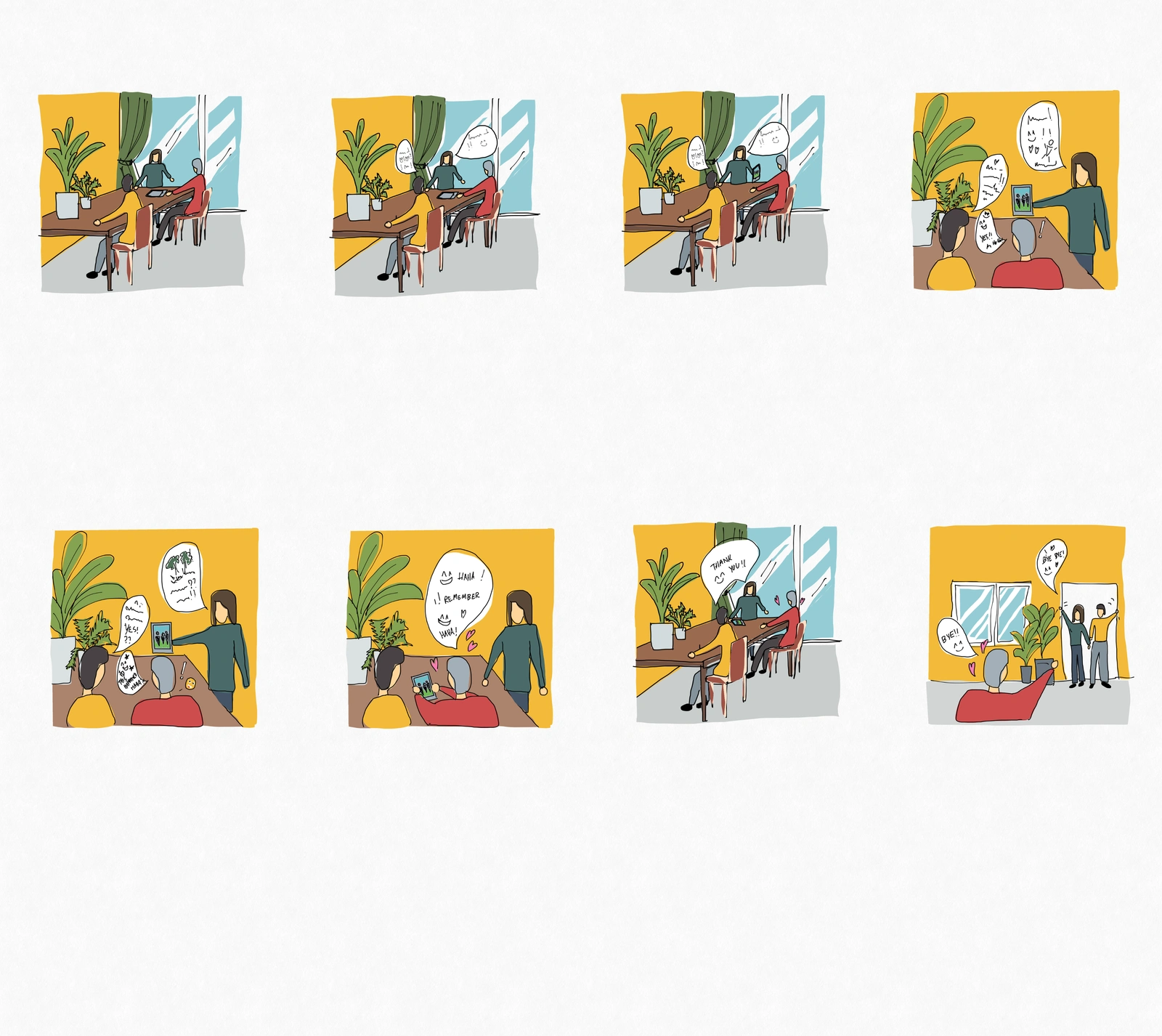
Scenario storyboard A - facilitator-led session in a care home: introducing the app, prompting residents, and sharing outputs with family
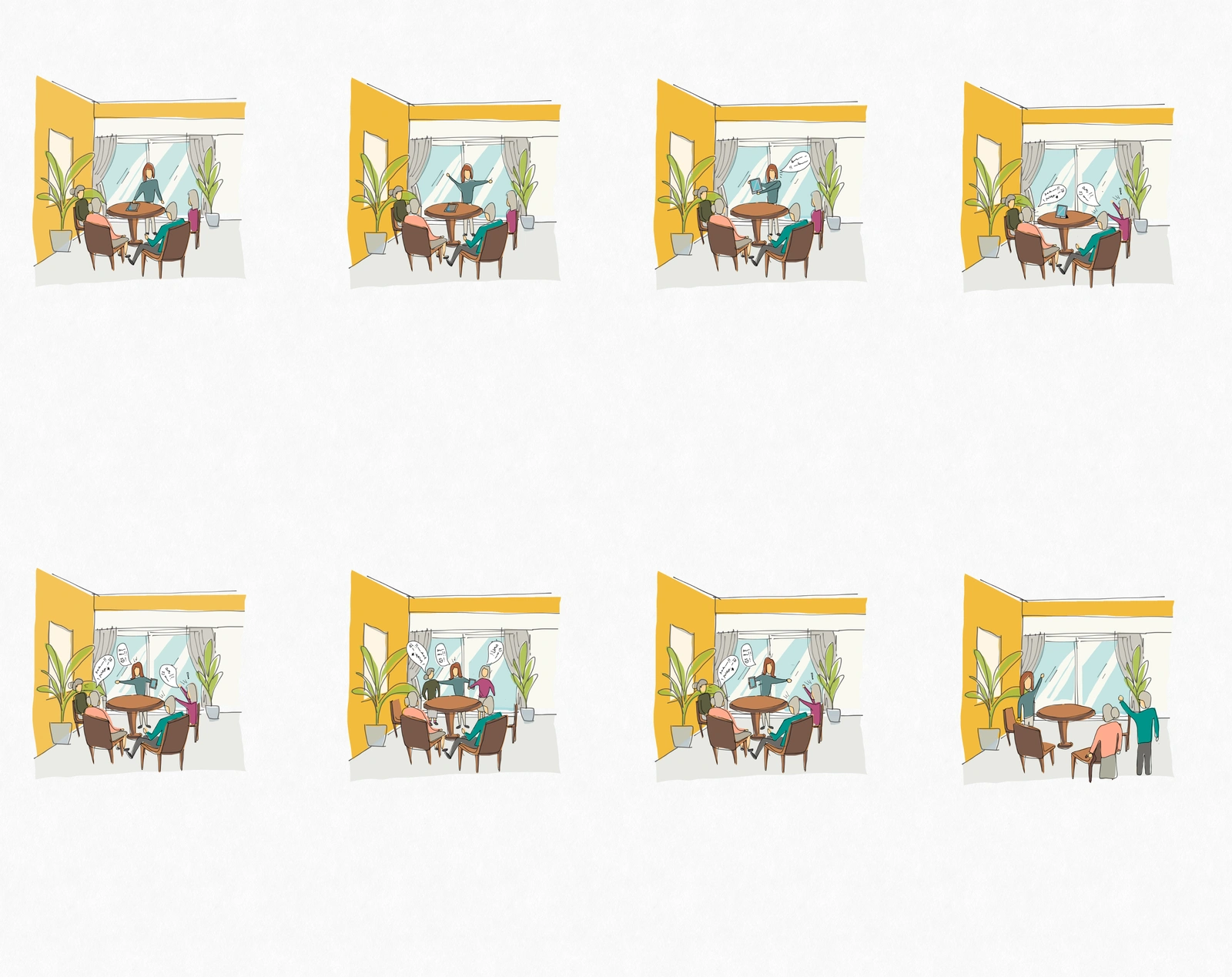
Scenario storyboard B - family member initiated use: family member browsing the archive, engaging with PwD and connecting with each other in person
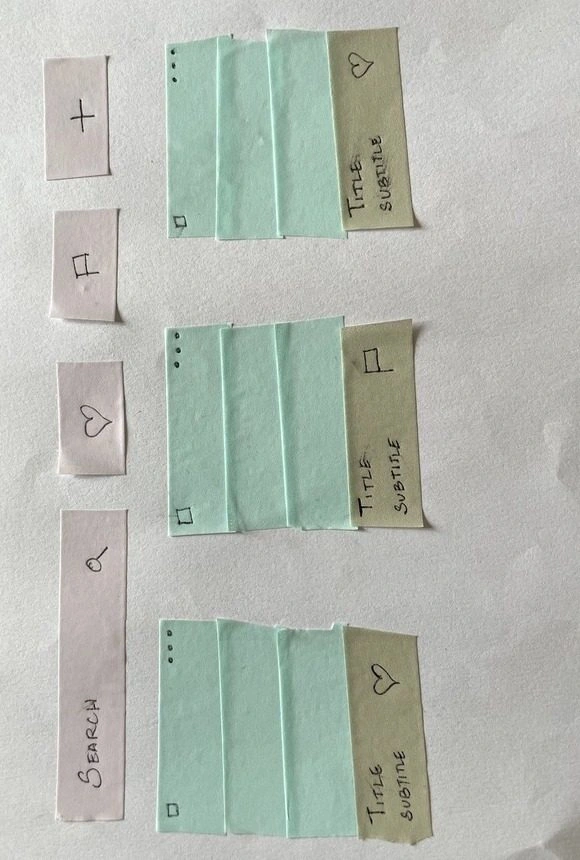
Paper prototype v1 - first lo-fi iteration tested with 5 PwD and 5 care staff at the care home
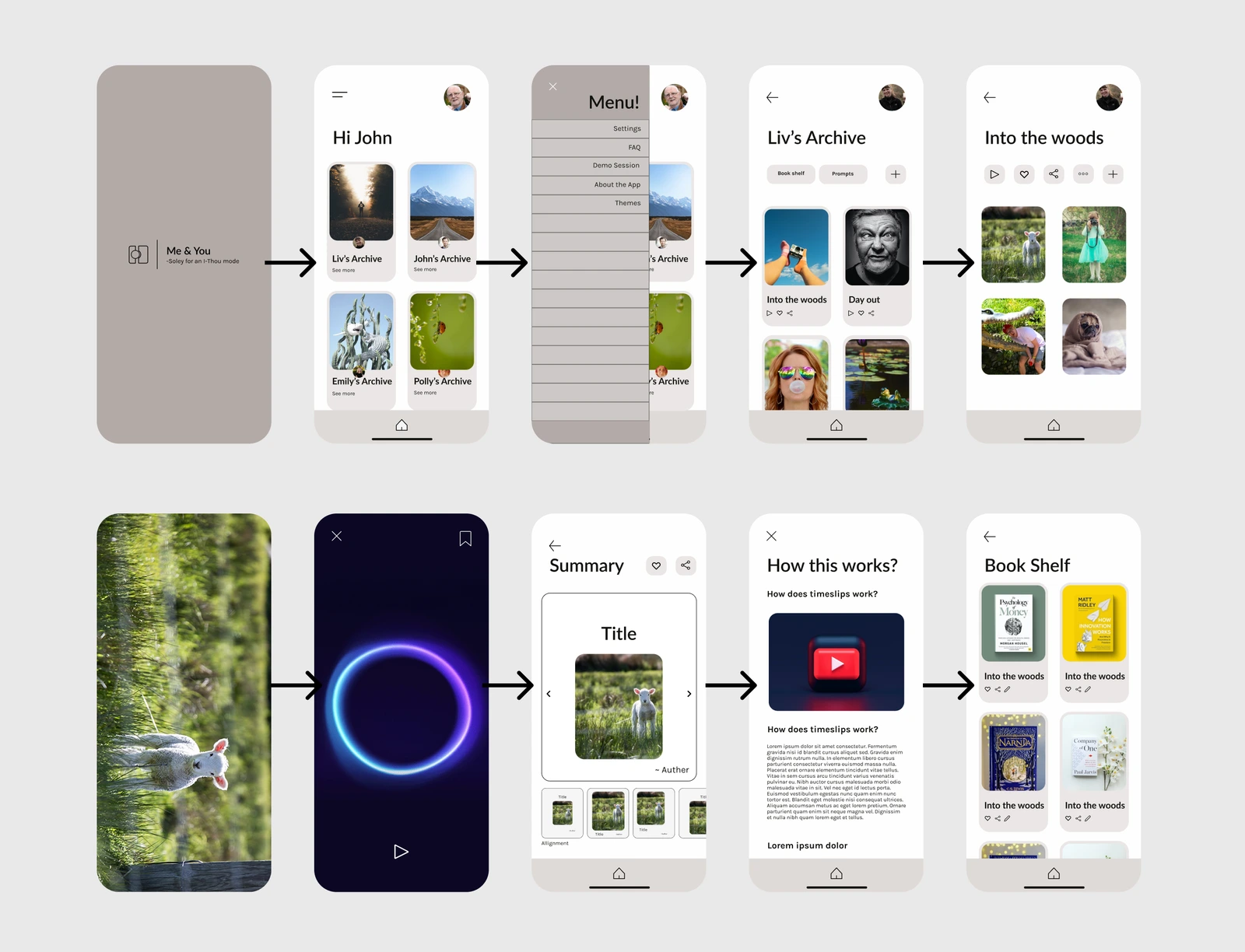
App user flow - end-to-end journey from home screen through menu, archive, and Book Shelf, showing family member, facilitator, and carer pathways
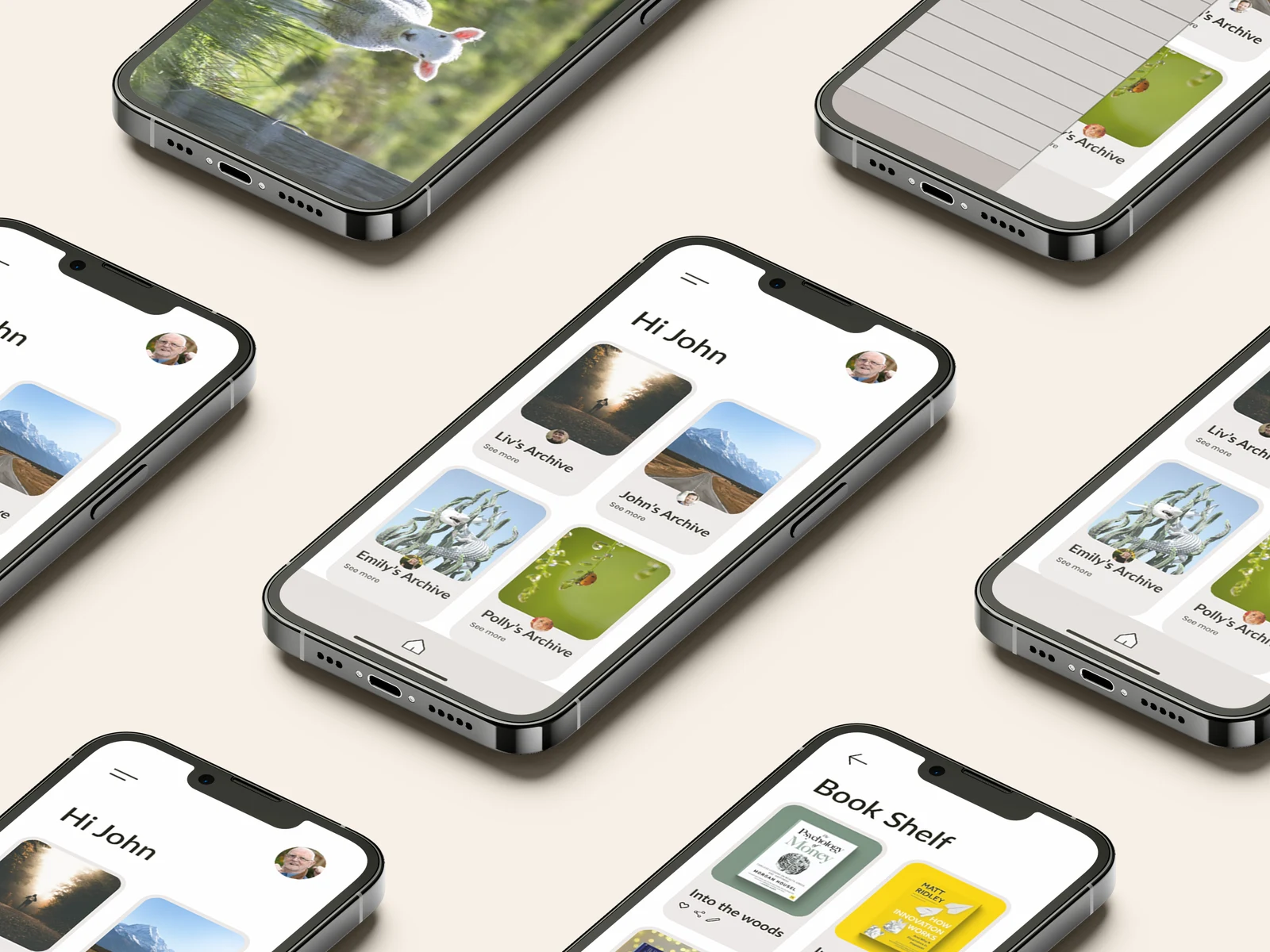
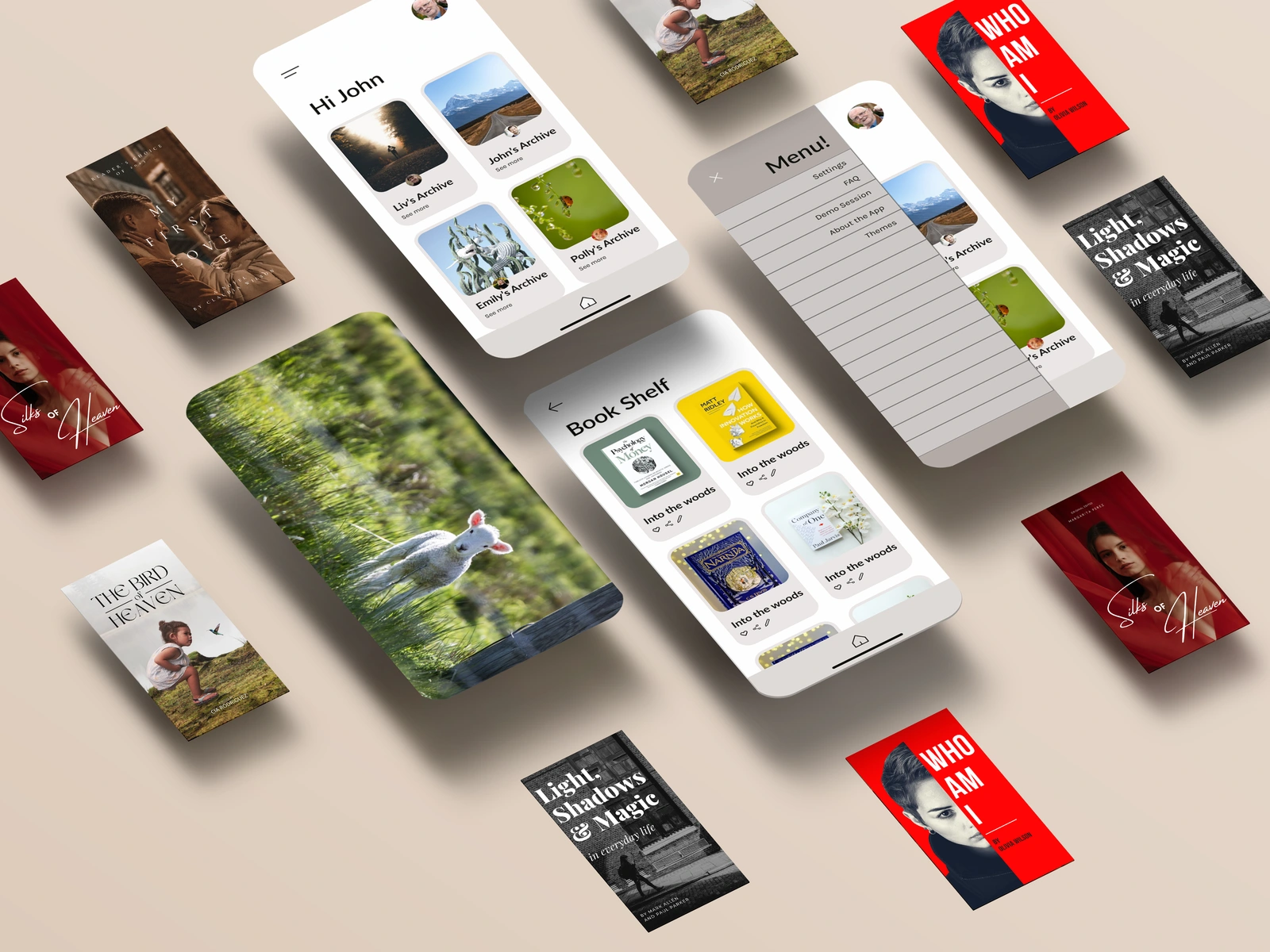
High-fidelity digital prototype - multiple screens showing the personalised archive home, shared family archives, and book shelf
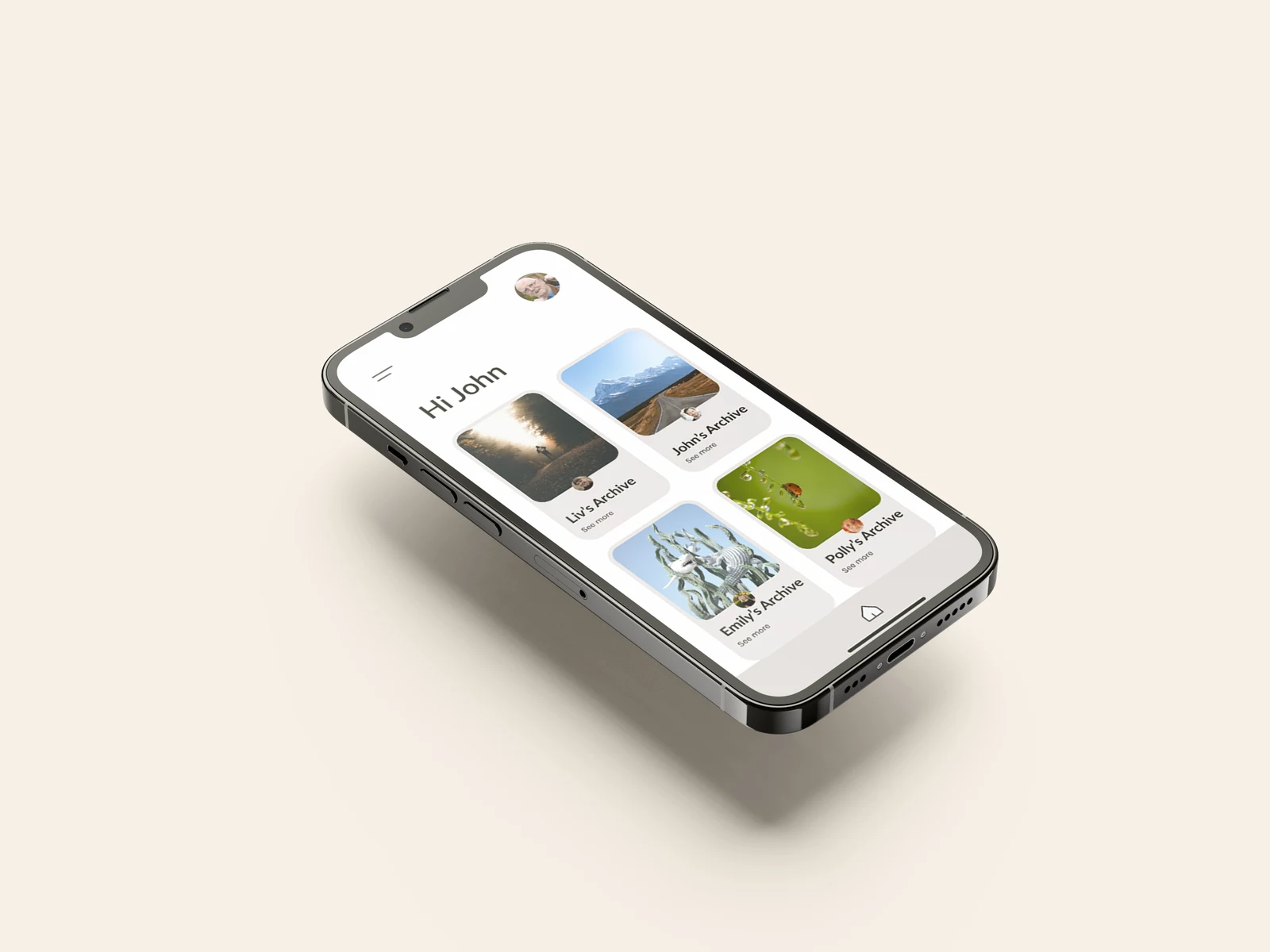
Hi John home screen - shared archives connecting the resident with family members and the care facilitator
Full prototype showcase - home, navigation menu, and Book Shelf screens alongside curated book cover content
Outcomes & impact
The project successfully completed the Discovery to Alpha lifecycle, producing a tested, iterated digital prototype validated with real users and domain experts.
✓10 participants across 2 rounds of usability testing (PwD and care staff)
✓2 design iterations completed based on direct user feedback
✓Positive stakeholder reception from Teesside Council - development earmarked to continue once current funding cycle completes
✓Identified a genuine product gap in forward-orientation tools for dementia care - an area significantly underserved by existing digital solutions.
What I learned
Designing for cognitive accessibility demands a fundamentally different approach to interaction. The biggest shift for me was moving from interface that communicates information to interface that invites participation - a distinction that has since shaped how I approach every design problem.
Key takeaway
"This project is the foundation of how I approach complex human problems. Dementia care taught me that design assumptions are dangerous - the "obvious" solution (reminiscence) was the wrong one. Deep research, co-design, and willingness to challenge the brief led to a validated alpha that Teesside Council have earmarked for continued development."
Like this project
Posted May 31, 2026
Co-designed a dementia care app focusing on future-oriented engagement for users, validated through extensive research.
Likes
0
Views
2