Event Marketing Strategy Revamp for 2026

Veronica Di Polo


Events Marketing Consulting (Latin America + Europe)
Panama-based events organization, bilingual (English + Spanish). They run and promote mostly medical, corporate, and governmental congresses, plus association management events, across Latin America and Europe.
What was happening
In 2026 you can’t promote events the old way and expect people to behave the same. Participants don’t register early just because you post “don’t forget,” sponsors don’t say yes just because you need funding, and committees still want to rinse and repeat what worked five years ago.
Also, I’m not coming at this like “marketing for events” from the outside. I’ve worked in conferences for years, on the actual event side, committees, sponsors, bidding, and the real constraints. So we built strategy that works in the real world, not the ideal version.
Event promotion that isn’t “this is the event, come join us”
Most event marketing is still written like the organizer is the hero. “We’re hosting X, join us, don’t miss it.” That doesn’t make a participant move early, it just sits there until the last minute.
So we rebuilt promotion around the participant, why they would care, what’s in it for them, what they’d miss, and what needs to be true for them to register early. That meant giving each event its own angle, not recycling the same copy and calling it “strategy.” Medical, corporate, and government audiences don’t decide for the same reasons, and in Latin America each country behaves differently, so one template doesn’t cut it.
Early registration + member incentives
The goal wasn’t “more posts.” It was earlier decisions.
We worked on the messaging and the structure behind early registration: what you say when registration opens, what you say when it stalls, and what you say when you need momentum without sounding desperate. We also built member-facing incentives and reasons to share, because associations are not just selling tickets, they’re selling belonging, access, and status. If you don’t make that obvious, members wait, and then everyone panics.
(And yes, this is where committees often get in the way, because they want to keep doing what they’ve always done, even when it’s clearly not working anymore.)
Sponsorship in 2026, not just visibility, access + involvement
Sponsors don’t say yes because an event needs money. They say yes when the sponsorship gives them something they can’t get otherwise, access to the right rooms, involvement that feels real, and a clear reason it’s worth it.
So we shifted the sponsorship story away from “logo placement” and into participation and access. What do they get to be part of, who do they get in front of, what do they get to host, what do they get to own, what’s the experience, what’s the relationship, not just a logo on a banner.
Sponsorship approach + packages (reworked)
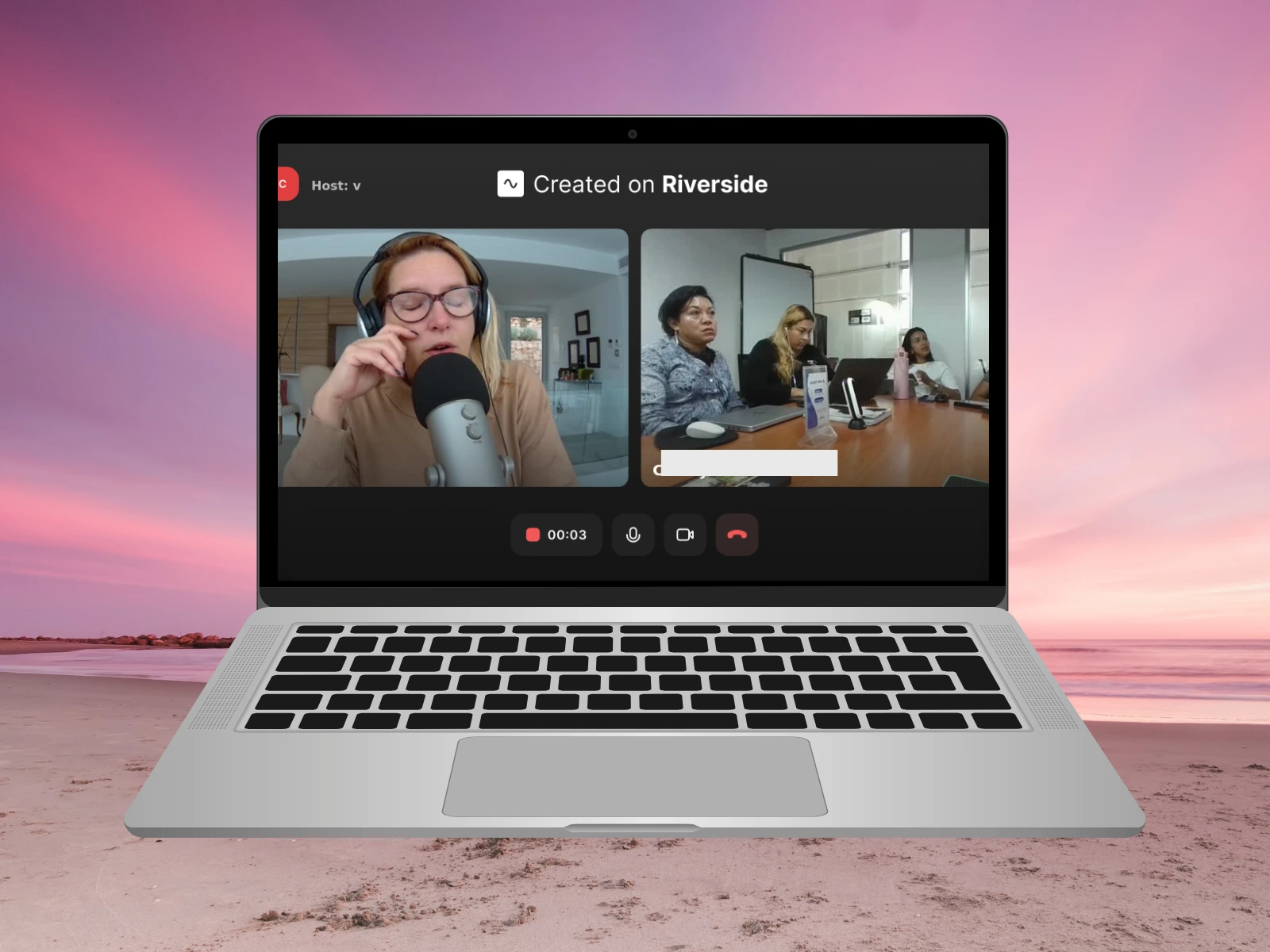
We restructured how packages were presented so it was easier to understand, easier to compare, and easier to approve internally. Clear tiers, clear outcomes, clear boundaries, and less room for the usual negotiation spiral.
This also made it easier for the team to sell sponsorship with confidence, because they weren’t improvising every time a sponsor asked, “what do we actually get?”
Proposals that made sponsorship easier to approve
A lot of sponsorship “no’s” are not real no’s, they’re “this is too unclear to approve.”
We built a proposal framework that did the thinking for the sponsor: what this includes, what it looks like in practice, what the sponsor gets access to, and how it shows up across the event. Less back-and-forth, less custom rewriting, fewer “let me think about it” loops.
Expanding the sponsor scope
We also opened the scope of potential sponsors, because many committees stick to the same industries out of habit, not because it’s the smartest move.
This is where politics shows up. Committees often resist new sponsor categories even when it would make the event more attractive and financially stronger. But that’s the job of an organizer, widen the pool, make the event more relevant, and stop leaving money on the table just because “we’ve never done it that way.”
Membership messaging for association clients
For association management clients, we worked on how to communicate membership so it wasn’t “join our community.”
What does membership actually give you, what access, what advantage, what credibility, what opportunities, and what do you miss if you’re not in? Once that story is clear, it becomes easier to sell membership and easier for members to justify renewing.
Team training (English + Spanish)
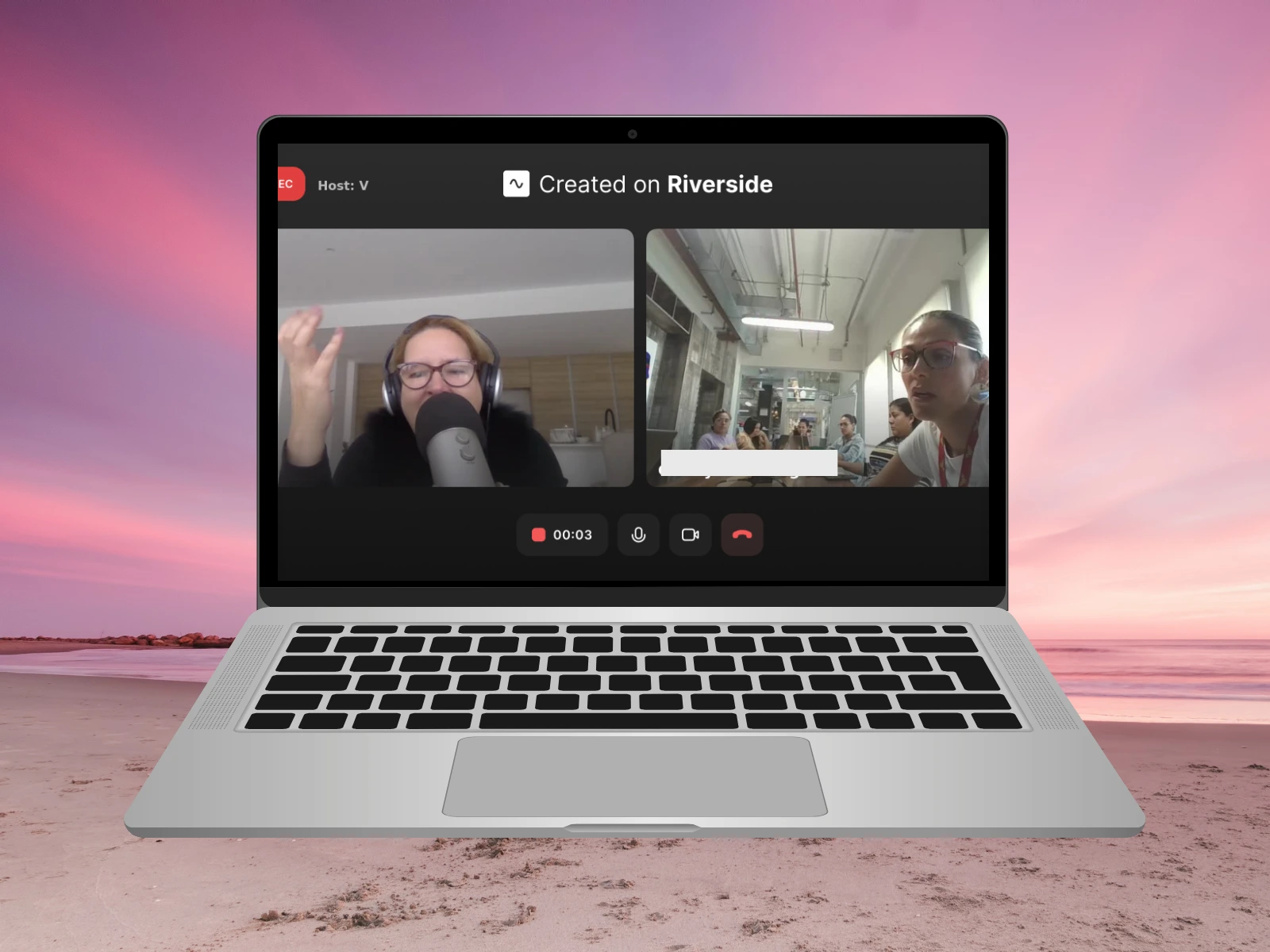
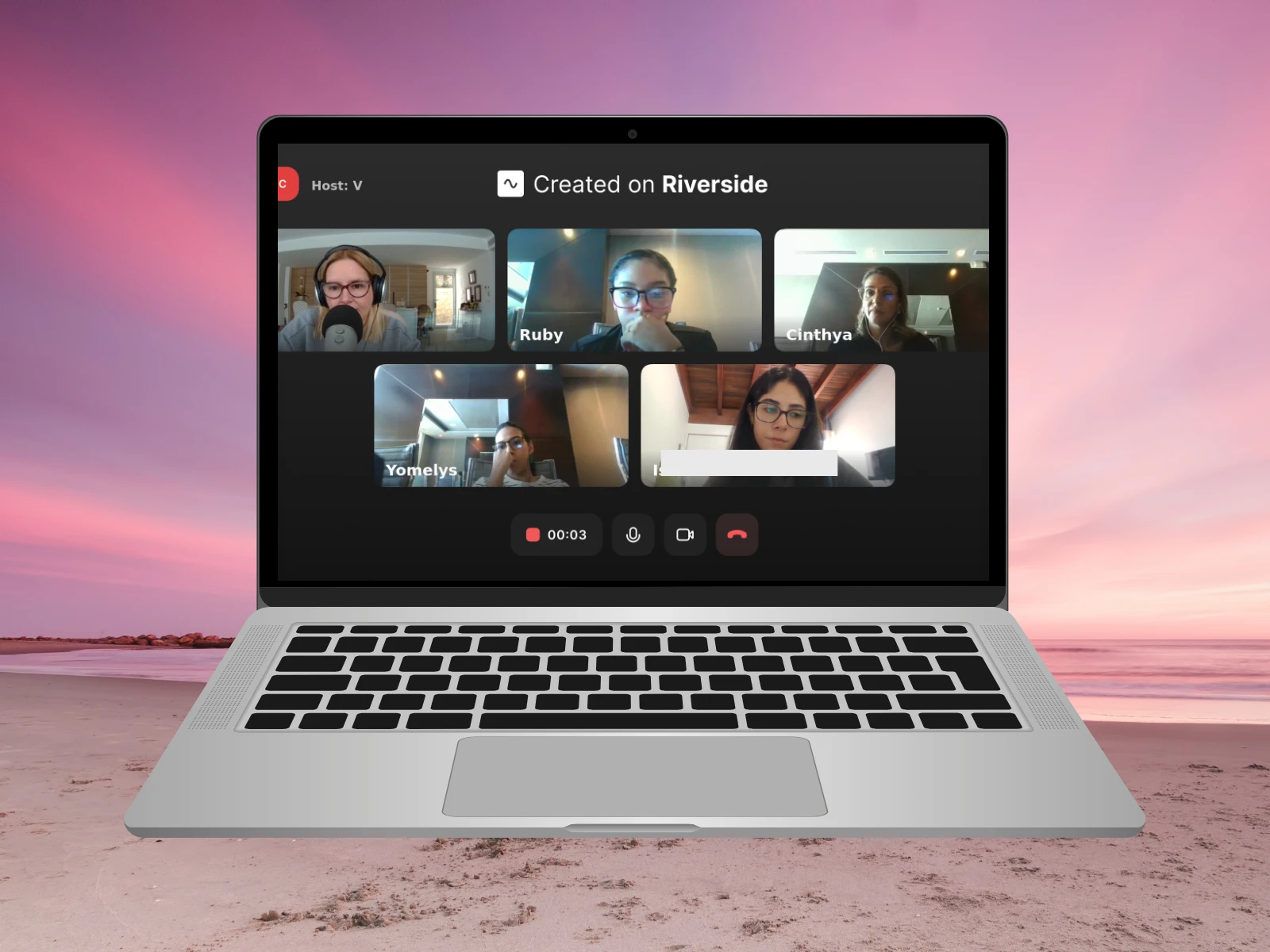
This wasn’t a one-off document handover. We worked with the team in both English and Spanish, so they could run the system again for the next event without starting from scratch.
If you want this kind of work in your business
This was built inside my 90-day marketing consulting. Strategy + structure + the words, applied to the parts of the business that decide revenue.
Read more about my 90-Day Marketing Strategy Consulting
Like this project
Posted Mar 17, 2026
Developed tailored event marketing strategies for early registration and sponsorship.