VH Identity System Design and Development

Guoshuai Zhang


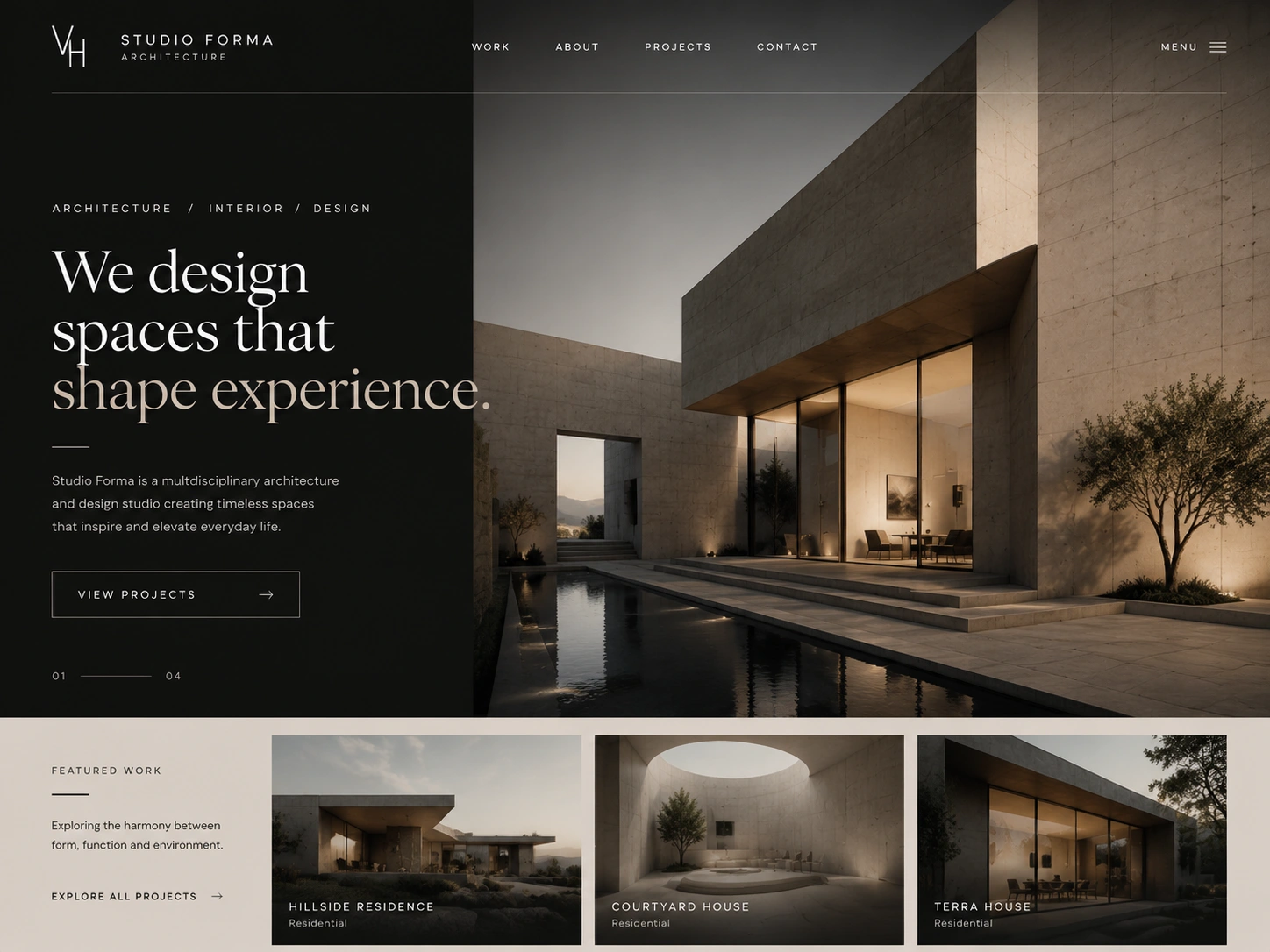
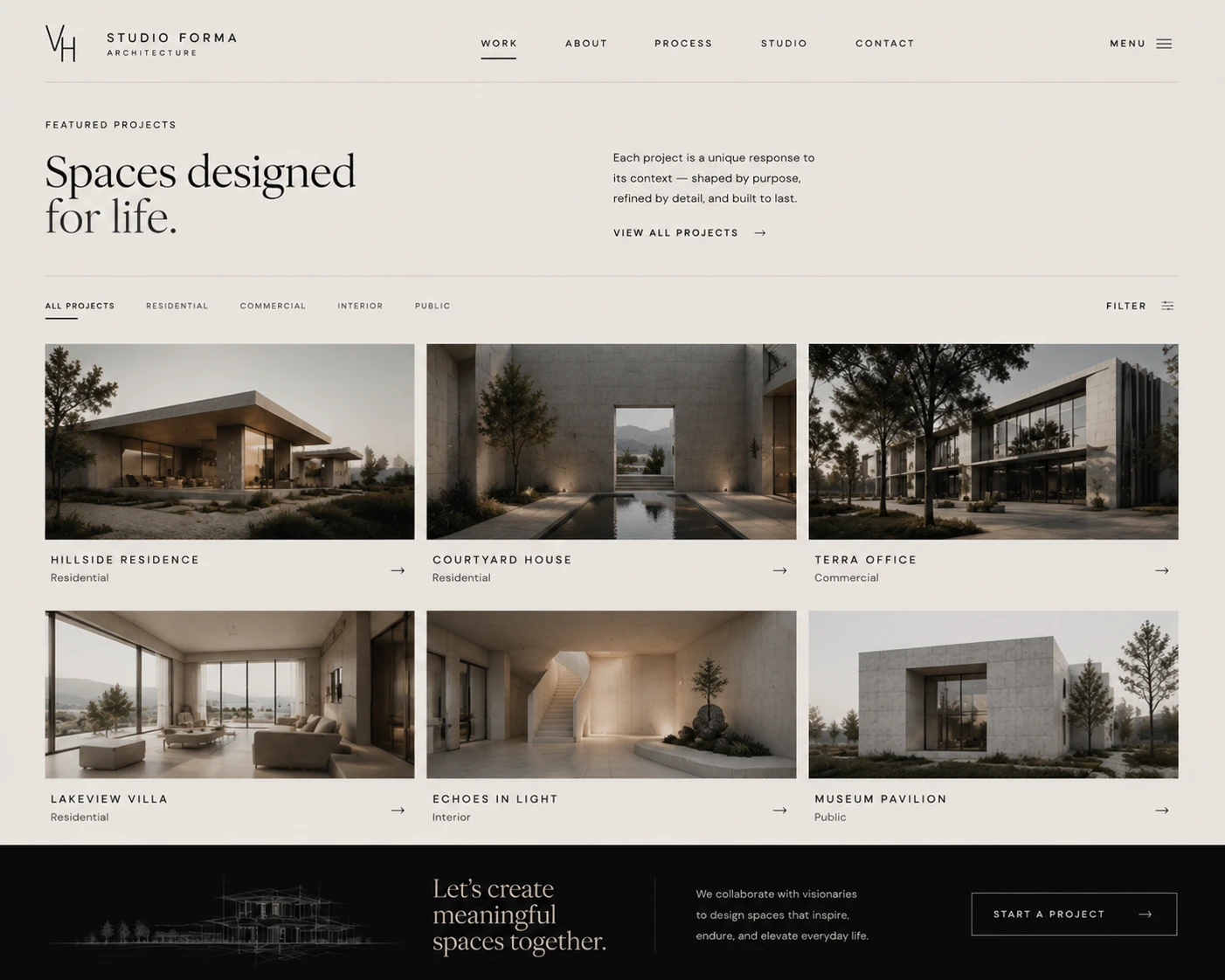
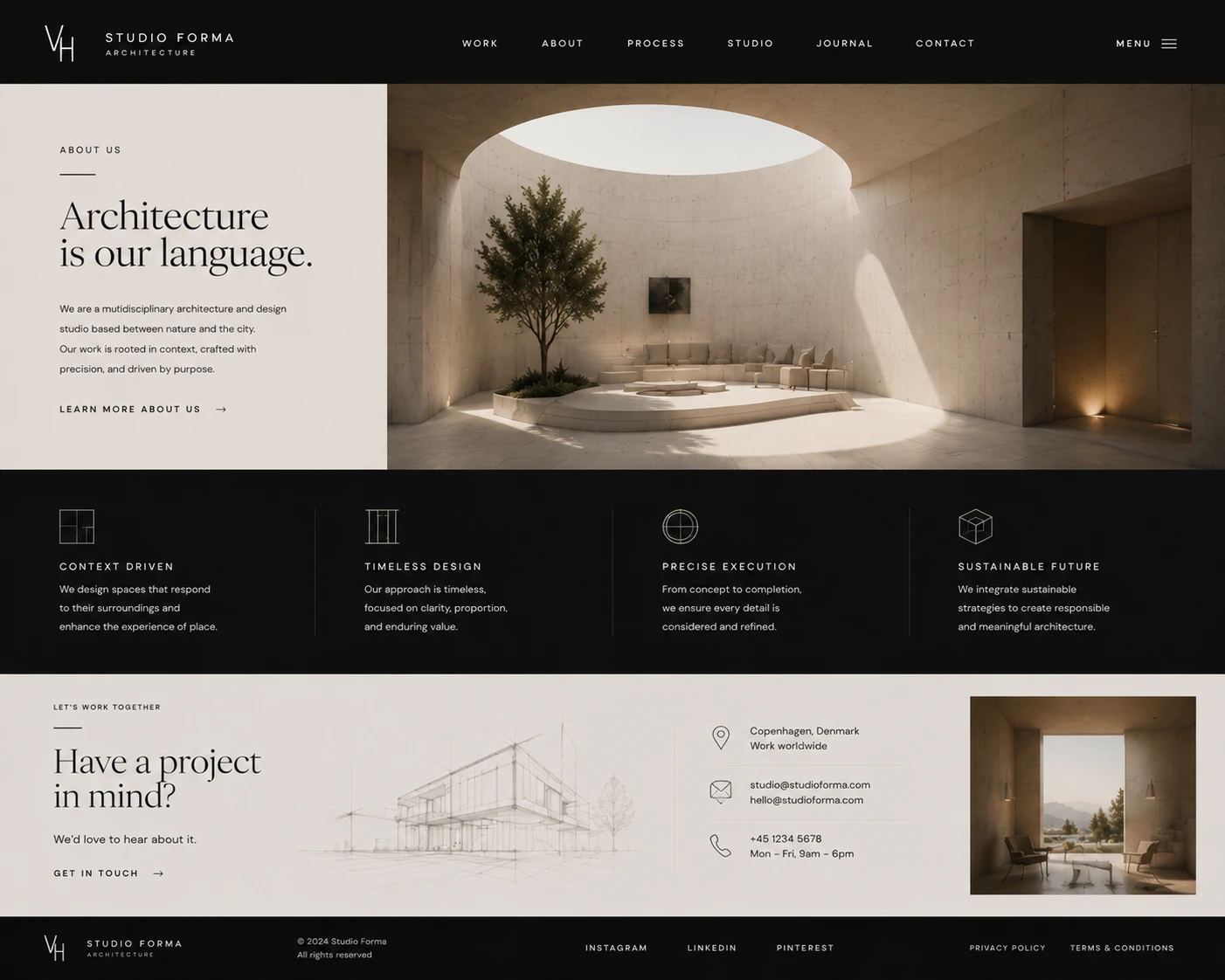
VH — Vertical & Horizontal Identity System (Framer Design & Development)
Overview
This project is a Framer-based design and development case study exploring a dual-direction identity system (Vertical + Horizontal logo system) for an architecture studio brand.
The goal was not only to design a visual identity, but to build a fully structured, responsive, and system-driven Framer experience that demonstrates both design thinking and development capability.
This project showcases my ability to create real-world Framer layouts, responsive systems, and scalable brand components.
Objective
The main objective of this project was to:
Design and implement a dual logo identity system (Vertical + Horizontal)
Build a responsive Framer-based brand presentation
Demonstrate advanced layout structuring in Framer
Create a scalable design system using components and grid logic
Ensure consistency across all screen formats
Concept
The VH system is built around a core idea:
“A brand identity should behave like a responsive architectural system.”
Just like architecture adapts across environments and scales, this identity system adapts across:
horizontal layouts (web, headers, UI systems)
vertical layouts (posters, signage, mobile formats)
The system was designed to feel structured, minimal, and architecturally precise, reflecting real studio-level branding logic.
Framer Design & Development Approach
This project was built using a Framer-first workflow, focusing on both design execution and development structure:
1. Component-Based System
Reusable logo components (horizontal + vertical variants)
Scalable identity blocks for different layouts
Structured spacing system using consistent grid logic
2. Responsive Layout Design
Fully responsive design across desktop, tablet, and mobile
Adaptive logo positioning depending on screen orientation
Fluid typography scaling system
3. Framer Layout Architecture
Clean section-based structure
Grid-driven alignment system
Modular design blocks for easy reuse
Smooth layout transitions between sections
4. Visual System Implementation
Consistent spacing rules across all components
Minimal architectural color palette implementation
Strong typographic hierarchy using Framer text styles
Precise alignment system based on geometric structure
Design Direction
The visual identity follows a high-end architectural aesthetic:
monochrome and neutral tones
black, white, and stone-based palette
geometric typography system
strict grid alignment
editorial spacing and layout discipline
minimal, premium architectural tone
The design reflects precision, structure, and clarity — similar to real architecture studio branding systems.
Framer Features Used
Responsive layout system
Component-based design architecture
Grid and constraint system
Typography styling system
Section-based page structure
Adaptive layout behavior across breakpoints
Outcome
The final result is a Framer-built architectural identity system that demonstrates:
strong Framer design and development skills
ability to build scalable UI systems
advanced layout structuring thinking
real-world responsive design execution
high-end branding system implementation
Key Insight
Modern brand systems are not static designs.
They are responsive digital systems built inside tools like Framer, where identity, layout, and structure adapt dynamically across environments.
Final Note
The VH system demonstrates my ability to combine branding, UI design, and Framer development into a single cohesive system — built for real-world architecture studios and scalable digital applications.
Like this project
Posted Jun 29, 2026
VH needed an identity system that works everywhere, from screen to signage. I built a flexible design language rooted in clarity and craft.
Likes
3
Views
15
Timeline
Apr 10, 2026 - Jun 24, 2026