
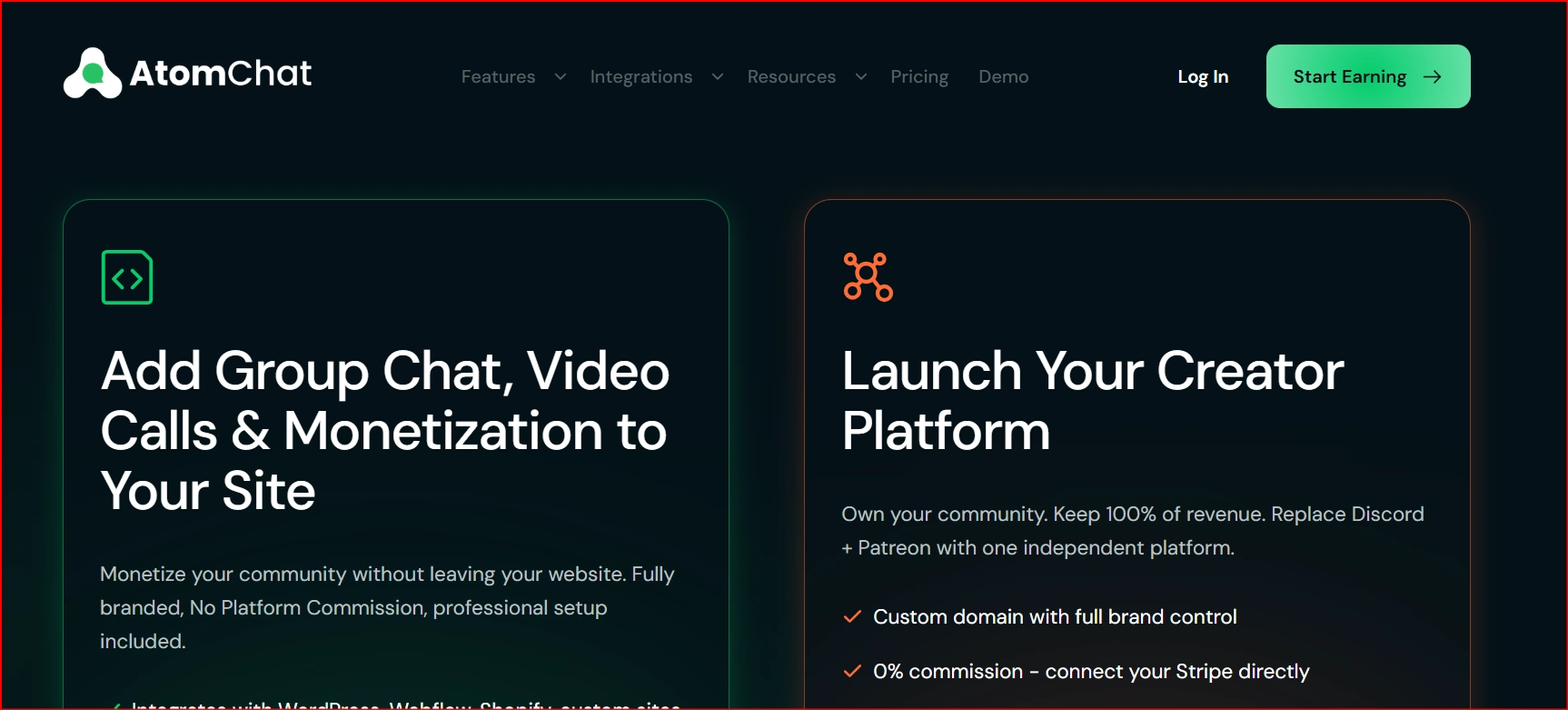
AtomChat – Building a Scalable Real-Time Communication Platform
Overview
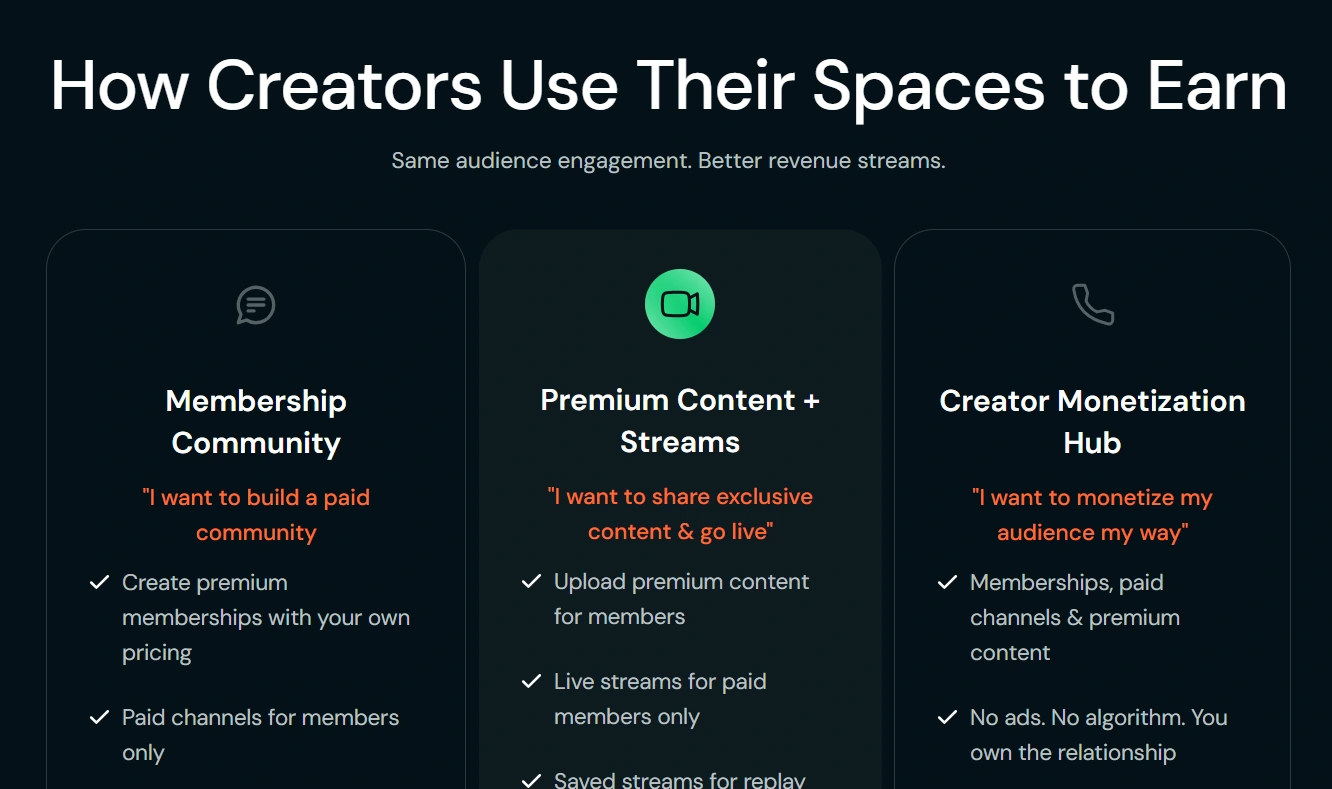
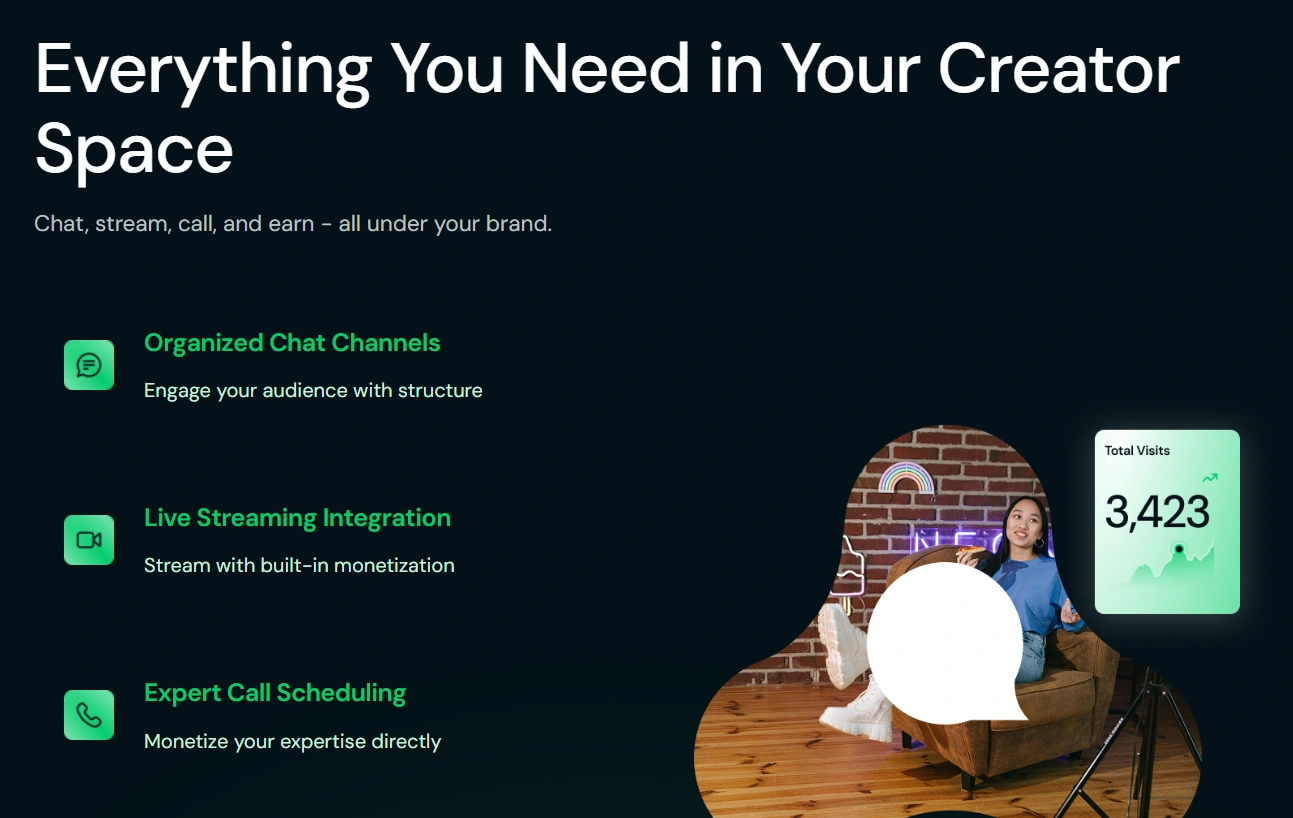
AtomChat is a real-time communication platform that enables websites and online communities to offer instant messaging, voice and video calling, group conversations, live streaming, screen sharing, and collaboration features directly within their products. It integrates with platforms such as Shopify, WordPress, Webflow, and custom web applications while supporting branded, white-label experiences.
As a Full Stack Engineer, I worked on delivering reliable, scalable, and user-friendly features across both the frontend and backend, ensuring seamless communication experiences for thousands of concurrent users.
The Challenge
Building a communication platform goes beyond sending messages. The application needed to provide low-latency messaging, reliable real-time synchronization, secure authentication, rich media support, and a responsive interface that performs consistently across devices.
The platform also required seamless integration with existing websites while maintaining high availability and scalability as customer communities grew.
My Role
As a Full Stack Engineer, I contributed across the entire development lifecycle, including:
Developing responsive frontend interfaces
Building and maintaining backend services and APIs
Integrating third-party services
Optimizing application performance
Fixing production issues and improving reliability
Collaborating closely with designers, product managers, and QA teams
Replace this section with your exact responsibilities if needed.
Technical Approach
The platform was designed around modern web technologies with a strong emphasis on performance, modularity, and scalability.
Key engineering priorities included:
Designing reusable frontend components
Building secure REST APIs
Managing authentication and user sessions
Optimizing database operations
Implementing real-time communication workflows
Maintaining clean, scalable architecture
Frontend Development
My frontend work focused on creating responsive and intuitive user experiences, including:
Interactive chat interfaces
Real-time UI updates
Mobile-friendly responsive layouts
Optimized rendering for large conversations
State management for messaging and user presence
Performance optimization for smooth user interactions
Backend Development
On the backend, I worked on services responsible for application logic and data processing, including:
API development
Authentication and authorization
Database design and optimization
Business logic implementation
Third-party integrations
Performance improvements and debugging
Features I Worked On
Depending on your actual contribution, this section can include items such as:
Real-time messaging
User authentication
Group chat functionality
Media and file sharing
Notifications
User management
Admin features
Payment integrations
Role-based permissions
Analytics
API integrations
Engineering Challenges
Some of the engineering challenges involved in building a communication platform included:
Maintaining real-time synchronization between connected users
Optimizing performance for active conversations
Handling asynchronous operations efficiently
Building reusable and maintainable code
Improving application responsiveness across devices
Outcome
The result was a scalable communication platform that enables businesses and creators to add messaging, collaboration, and engagement features to their websites while delivering a reliable user experience across desktop and mobile devices. The platform supports capabilities such as messaging, voice/video calls, screen sharing, collaborative tools, and website integrations.
Tech Stack
React / Next.js (replace with what you used)
Node.js
Express.js
MongoDB / MySQL (replace accordingly)
REST APIs
WebSockets / Socket.IO (if applicable)
Authentication (JWT/OAuth)
Cloud deployment
Git & GitHub
Key Takeaways
Working on AtomChat strengthened my experience in building production-grade full-stack applications where real-time communication, scalability, performance, and user experience are equally important. It reinforced best practices around clean architecture, API design, frontend optimization, and developing reliable software for high-traffic environments.
0 likes · 8 views · Jul 25, 2026
Built and enhanced a scalable real-time communication platform, delivering full-stack features, APIs, integrations, and responsive user experiences


