Built with Webflow

Building a global employment brand through hypergrowth
Omnipresent helps companies hire and employ people around the world without having to establish local entities themselves.
I joined as the company was entering a period of rapid growth. A new brand was already underway, the website needed to launch around an upcoming funding announcement, and marketing was quickly becoming a much larger operation. What started as brand and web execution grew into a broader creative role across the company.
Status: Exited, acquired by Deel
Role: Creative Lead
Scope: Creative Direction, Brand Design, UI/UX Design, Website Design, Webflow Development, Creative Operations
Locations: London, UK; New York, NY; Austin, TX; Orlando, FL; Madeira, Portugal; Panama City, Panama; Cape Town, South Africa; Barranquilla, Colombia
Team: Linda Wang (Head of Marketing), Emma Cheung (Brand Manager), Jason Roach (Webflow Developer), Mathew Kerber (Visual Designer), David dos Santos (Lead Designer), Nikoo Sarrafan (SEO Expert), Jo Eyre (Head of Content), Priyanka Hutschenreiter (Writer), Charlotte Darrell (Writer), Laurence Knight (Writer), Michael Sugrue (Video Producer), Jorge Martinez (Motion Designer), Zara Magumyan (Illustrator)
Timeline: May 2021 – Feb 2023
Context: Joining at the right moment
Remote work had moved from an edge case to a global shift. Omnipresent was growing quickly alongside it, helping companies hire internationally while taking care of the employment, payroll, compliance, and operational complexity behind the scenes.
The company had recently raised Series A funding and was preparing for its next stage of growth. Its digital presence needed to catch up.
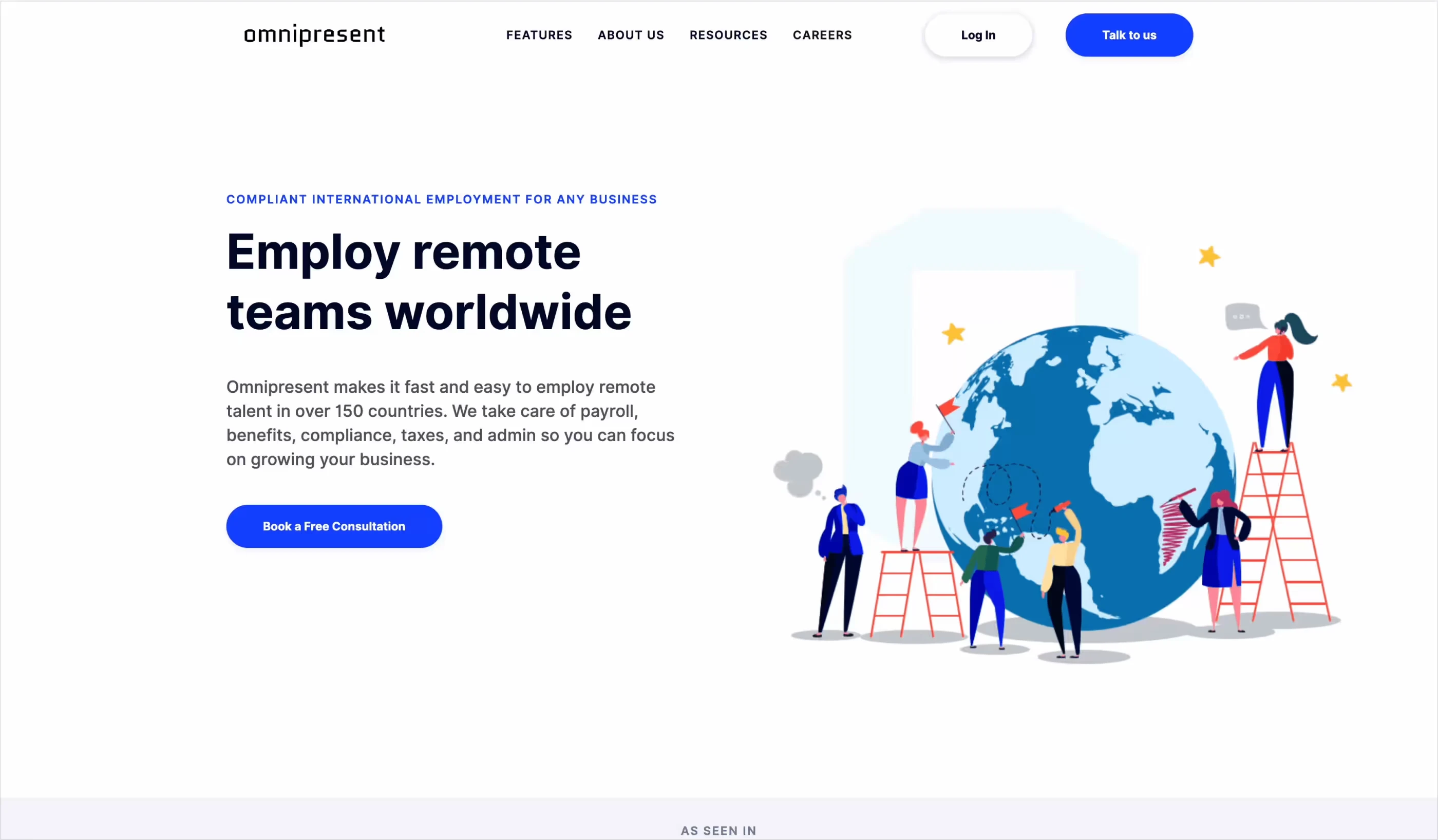
The brand and website before the hypergrowth refresh
The first challenge: Proving value in a few hours
The hiring process started with a practical design exercise: create a paid acquisition landing page from the existing brand with almost no supporting material and only a few hours to work.
The constraints forced the right questions early. What does someone need to understand immediately? What proof reduces uncertainty? What is the clearest action we can ask them to take?
The result focused on a direct value proposition, recognizable customer logos, a substantial testimonial, product and team imagery, and one clear conversion path. That same bias toward clarity and shipping would shape much of the work that followed.
Brand: Making the rebrand work at scale
I joined while Omnipresent was already partway through a full rebrand led by an external agency. The strategic direction and core identity were strong, but the system still needed to become practical enough for a fast-growing internal team to use every day. Rather than restarting the work, we focused on making it coherent, flexible, and operational.
The identity centered on a simple geometric mark, bold black and white foundations, and a distinctive fusion pink that brought energy to an otherwise restrained system. Typography, illustration, iconography, photography, lockups, and guidelines were developed into a toolkit that could scale across marketing, sales, product communication, campaigns, and internal culture.
A simple geometric identity built around global reach and clarity

Extending the logo geometry into a distinctive icon system
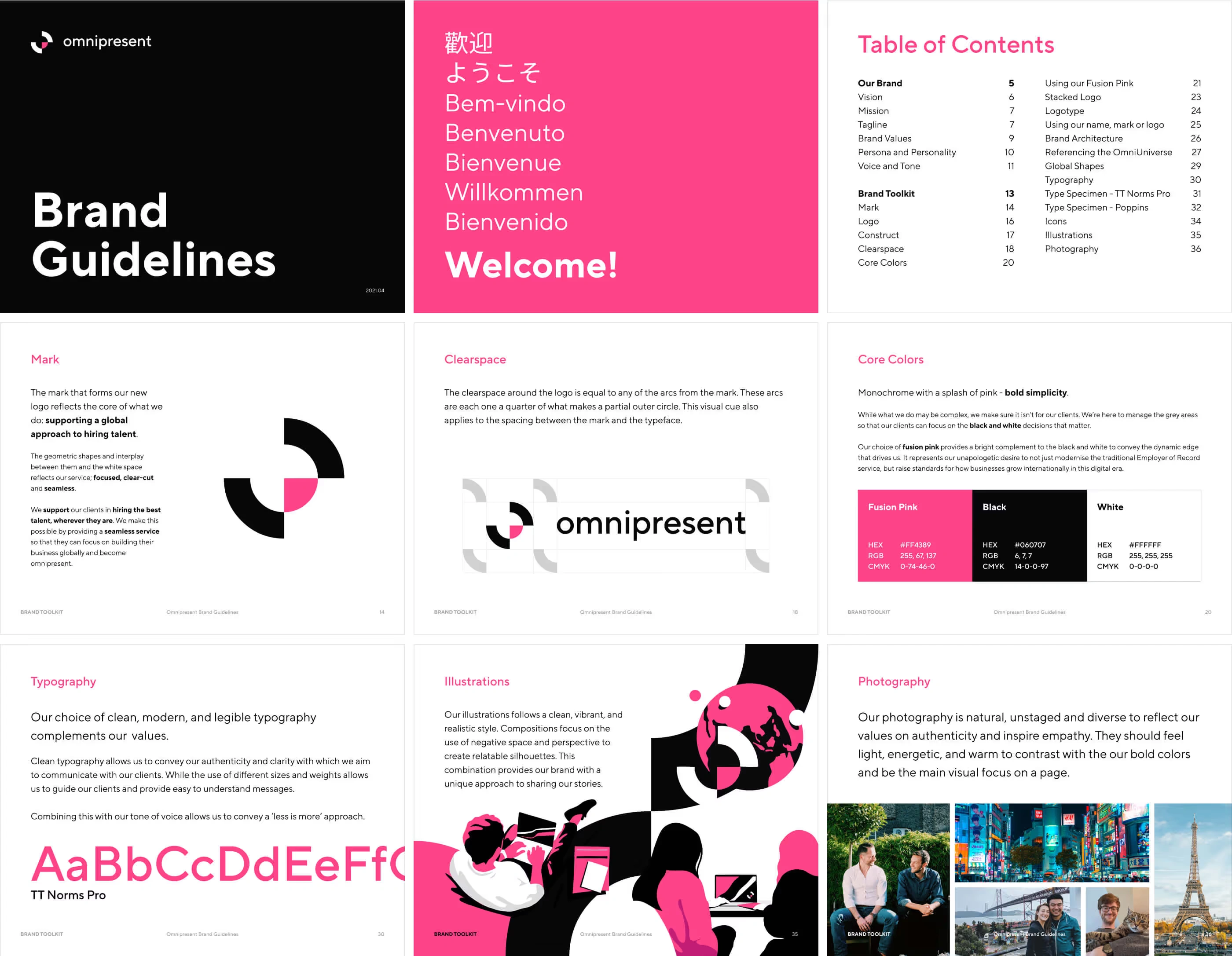
Turning the new identity into a practical system for a growing team
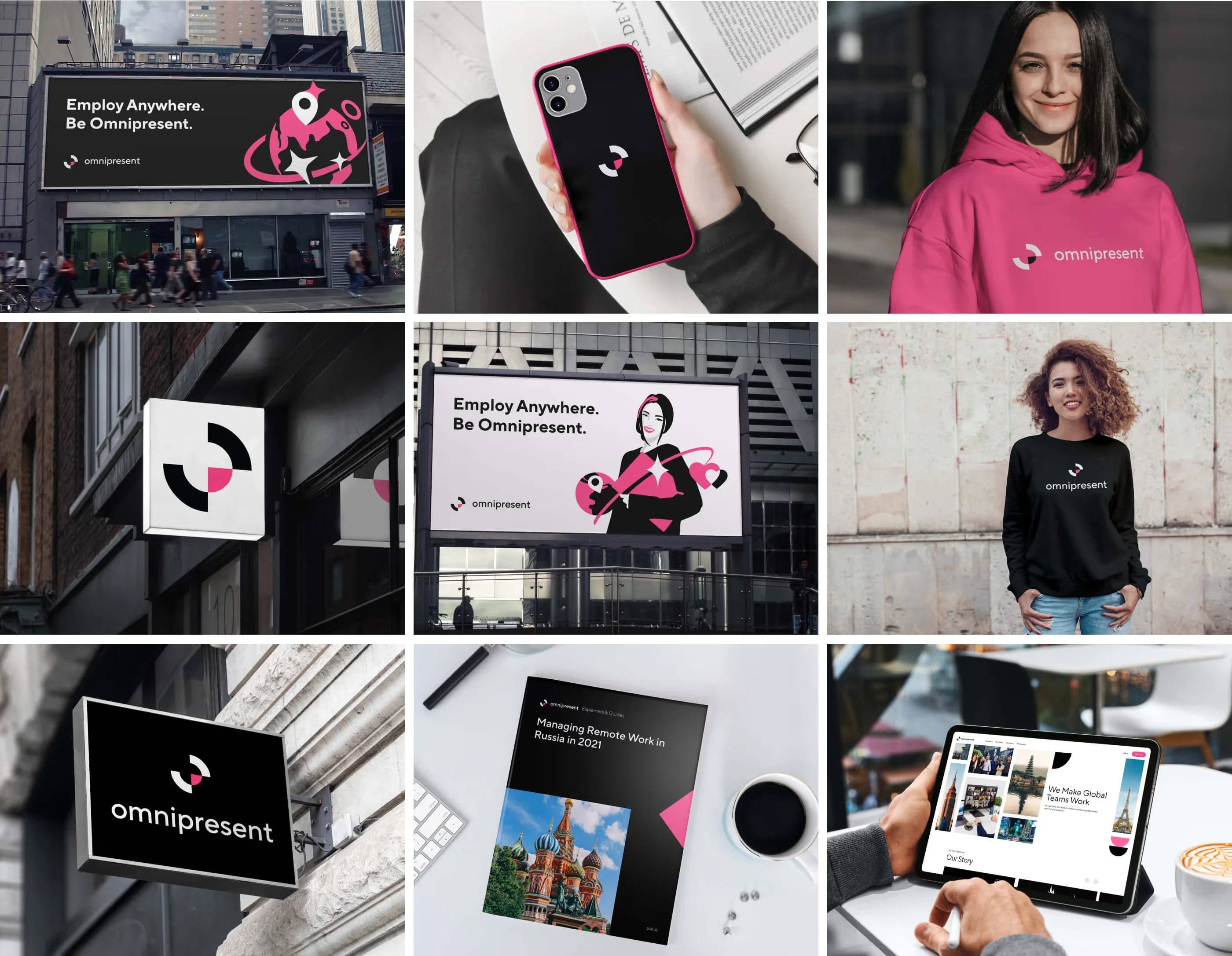
Testing how the brand could live beyond guidelines and into the real world
Website: Shipping faster by removing a design handoff
The new website was initially being designed and developed externally. As the funding deadline approached, the revision cycle between high-fidelity mockups and implementation became a bottleneck. We changed the workflow.
With the information architecture, copy direction, brand system, and initial visual language already defined, I moved directly into Webflow and continued designing in the browser. That eliminated a major handoff and allowed us to iterate on layout, responsive behavior, content, and implementation at the same time.
The website became one of the first major expressions of the new brand—and the foundation for a much larger content operation.
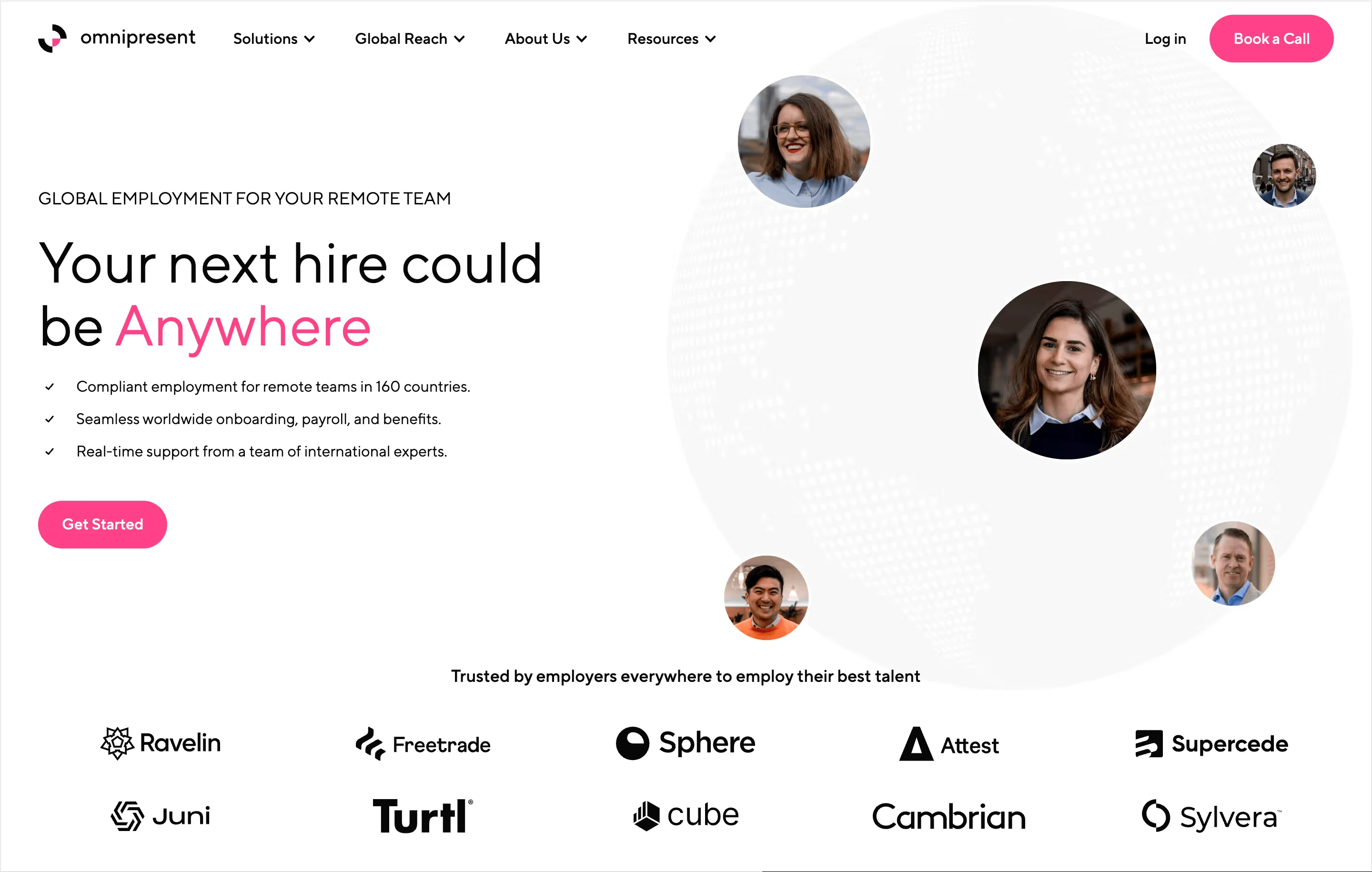
Leading with real people, global teams, social proof, and one clear action
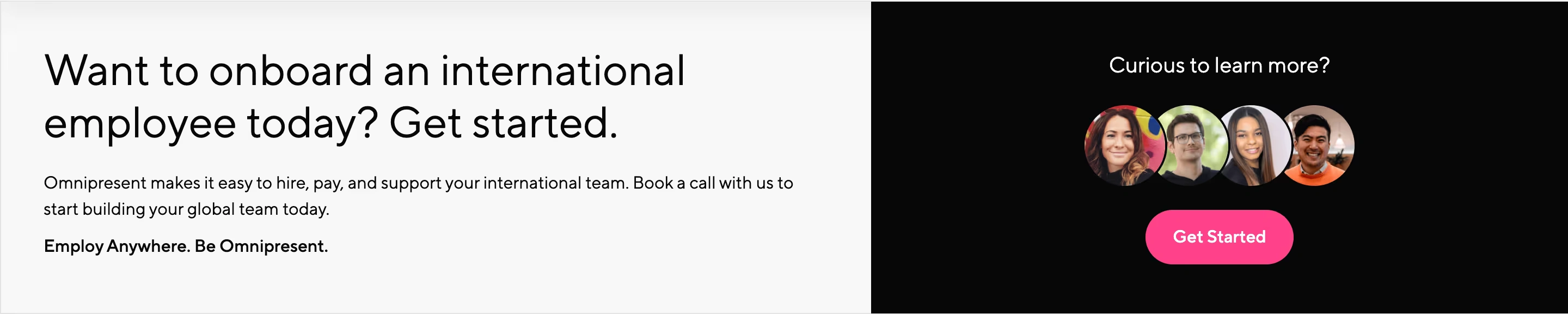
Turning the page outro into an unmistakable booking moment
Website: Making global employment feel truly human
Omnipresent's product handled highly technical employment infrastructure, but the value proposition was ultimately about people. The website led with that idea.
Real members of the team became part of the visual language, while product interfaces, illustrations, and structured content explained the complexity underneath. Social proof appeared throughout the journey through customer logos, reviews, media mentions, and recognizable companies already using the service. One action remained deliberately dominant across the experience: booking a call.
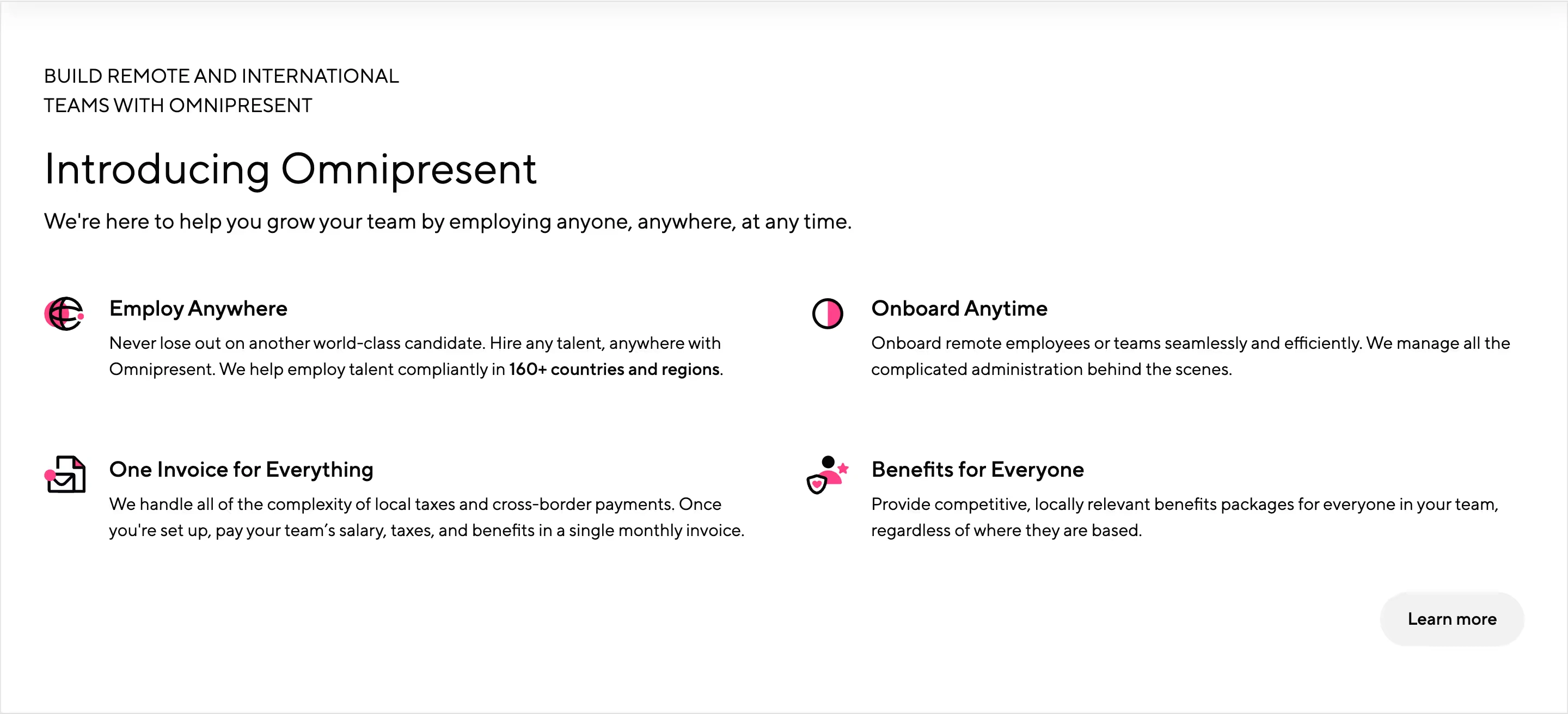
Introducing the core services through a simple, scannable feature system
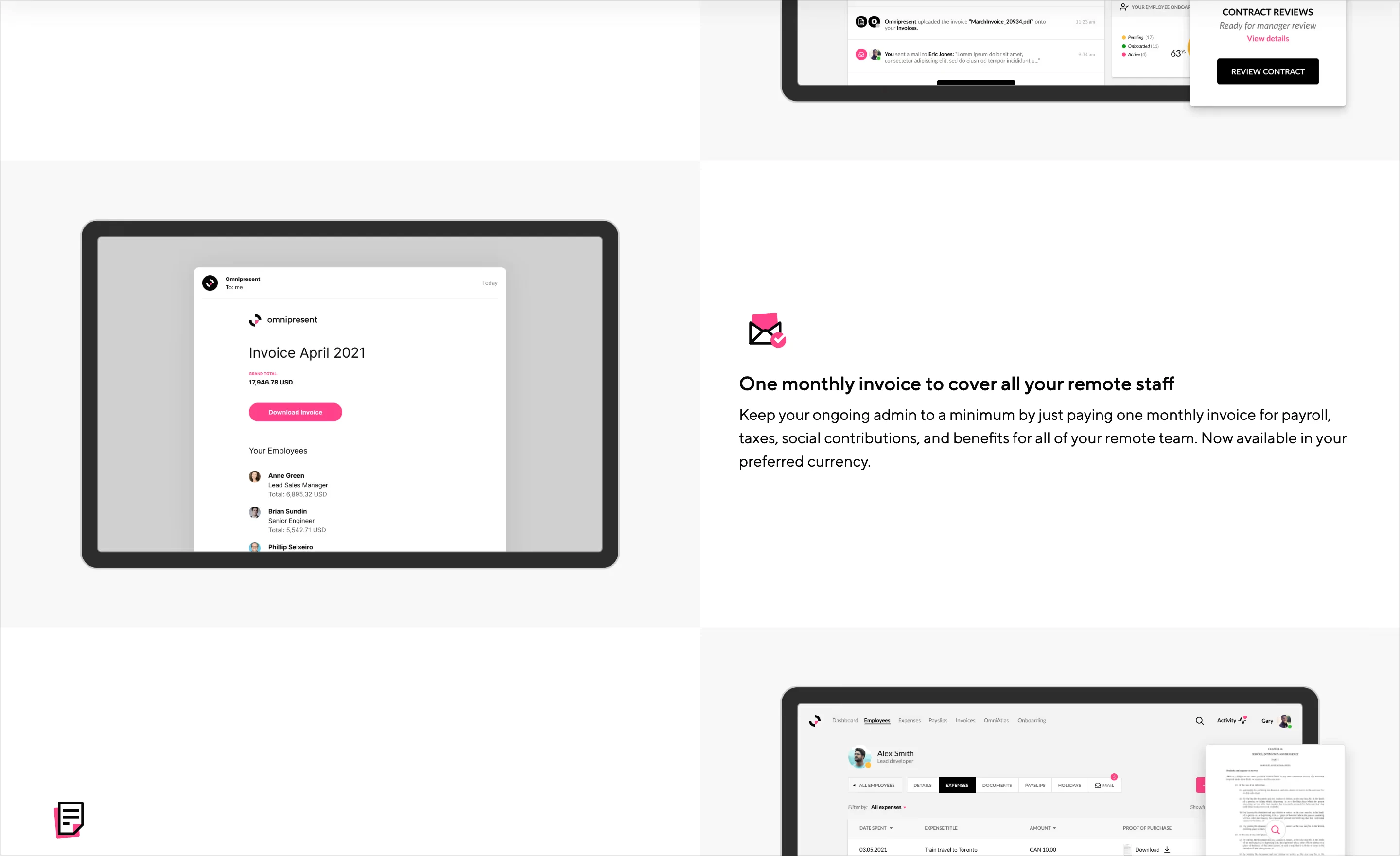
Pairing technical features with product UI to make the offering tangible
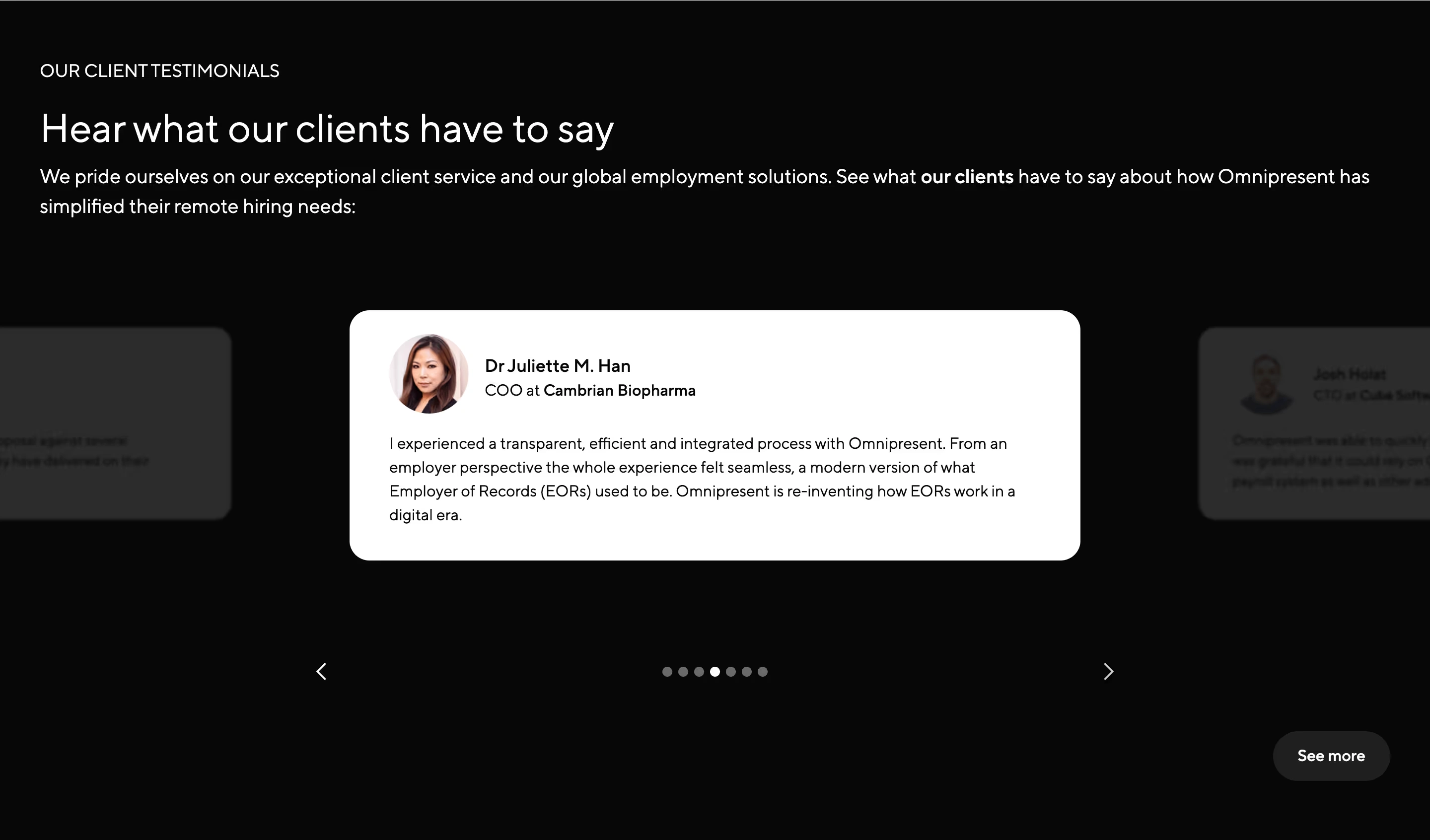
Using third-party reviews to build trust without overwhelming the page
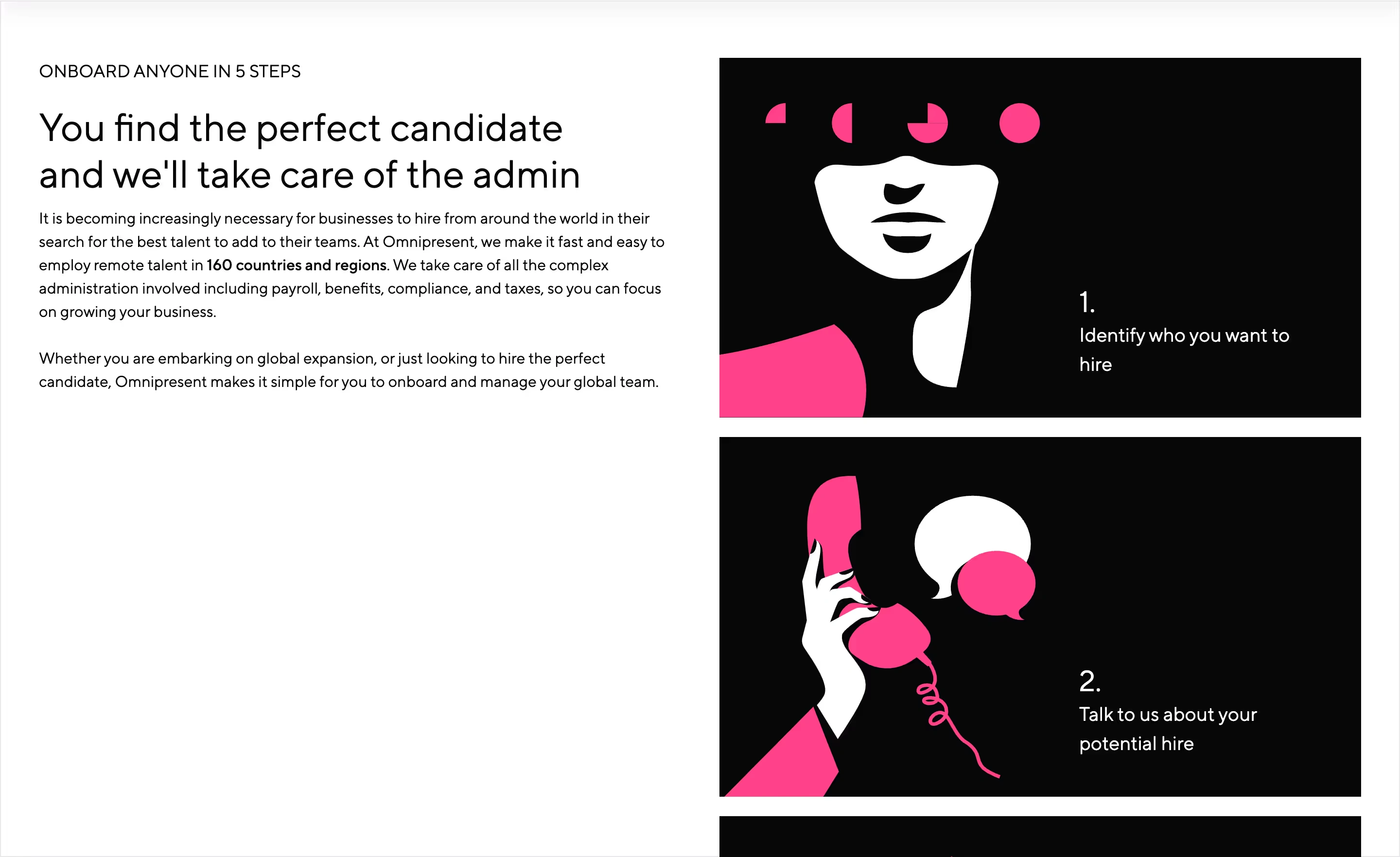
Making a complex employment process feel easier to understand and adopt
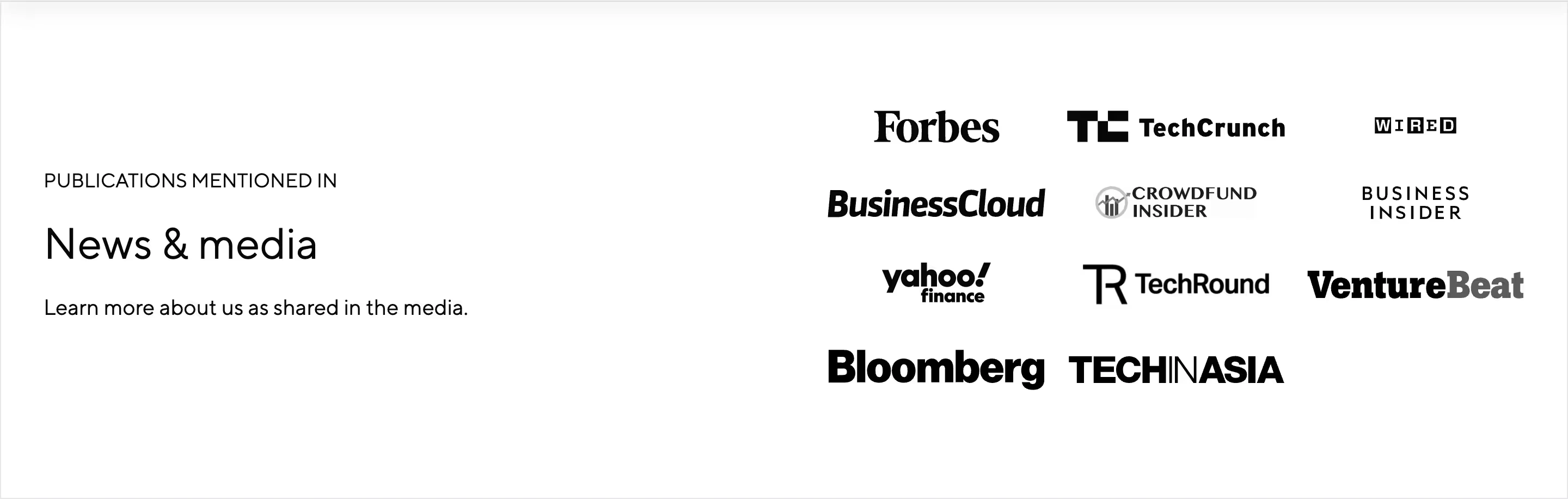
Adding another layer of credibility through recognizable media coverage
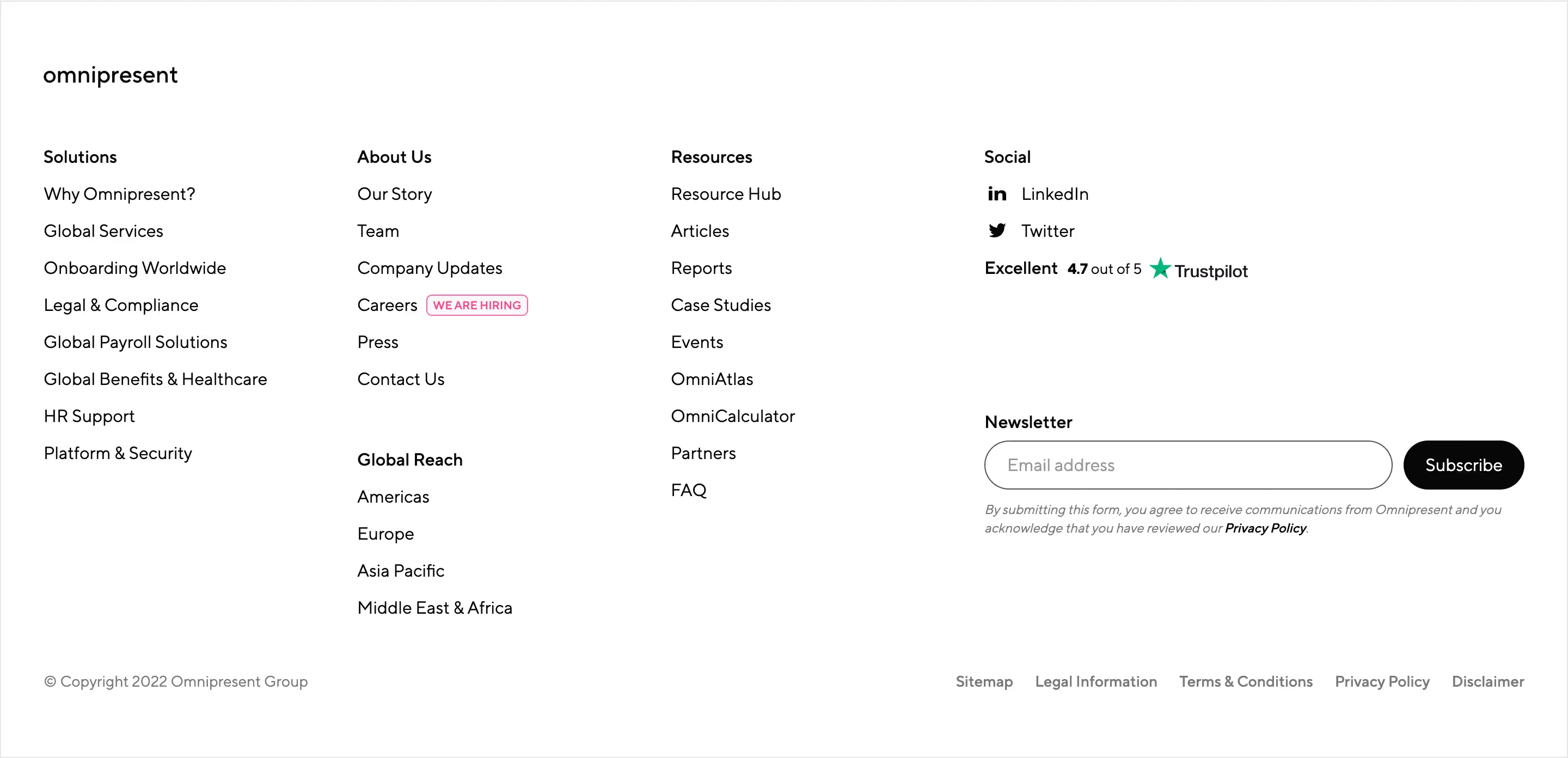
Extending navigation with Trustpilot proof, newsletter signup, and contact paths
A system built to expand: Designing beyond the homepage
The launch was only the beginning. As marketing expanded, the website needed to support increasingly different kinds of content without losing consistency. The same system grew into solution pages, editorial resources, country-specific employment guides, careers, partnerships, interactive tools, and more.
OmniAtlas became a particularly important example: internal knowledge about employment in different countries was transformed into a public resource designed for both usefulness and organic discovery. Reusable components made it possible to keep adding new experiences without redesigning the website from scratch each time.
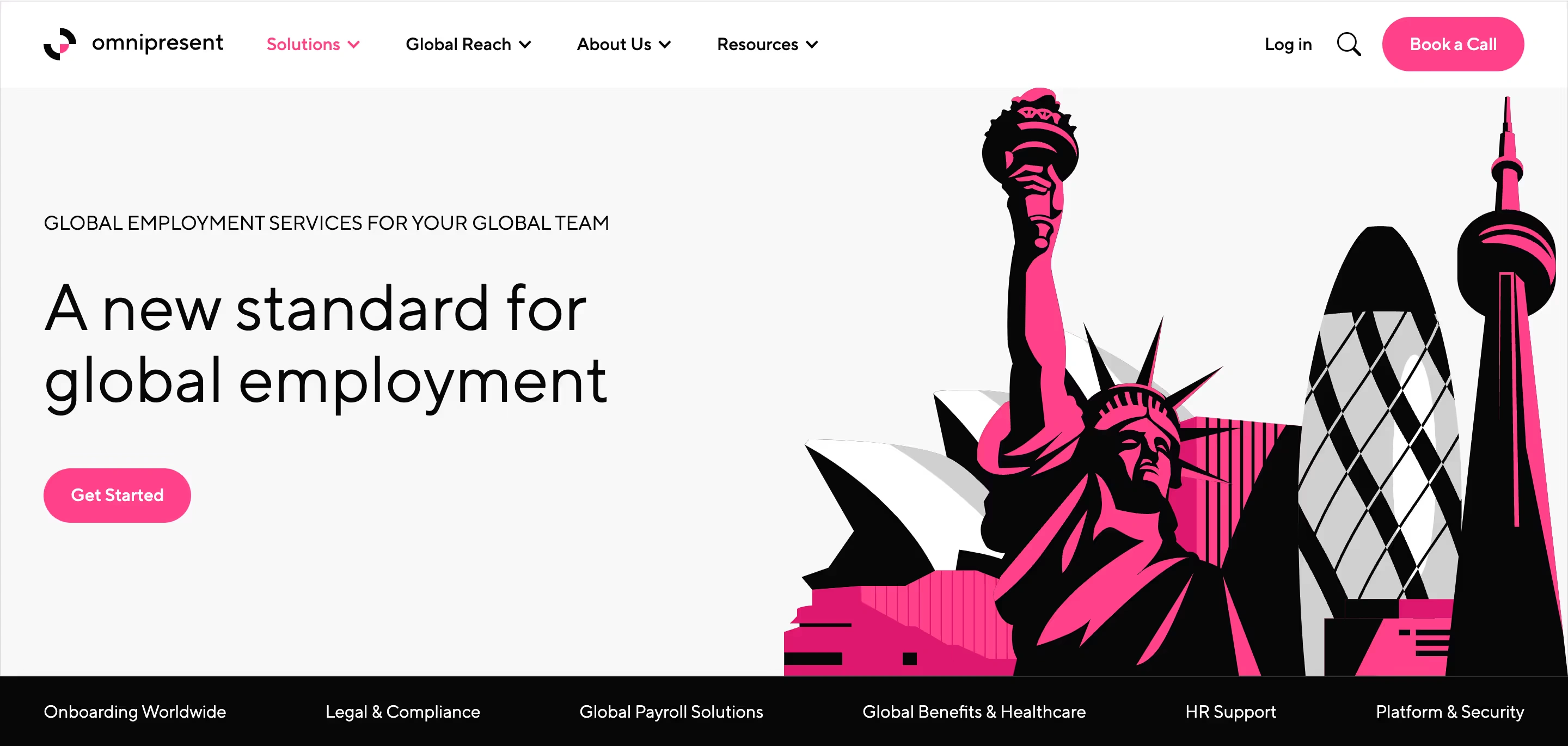
A reusable hero system combining illustration, navigation, and service context
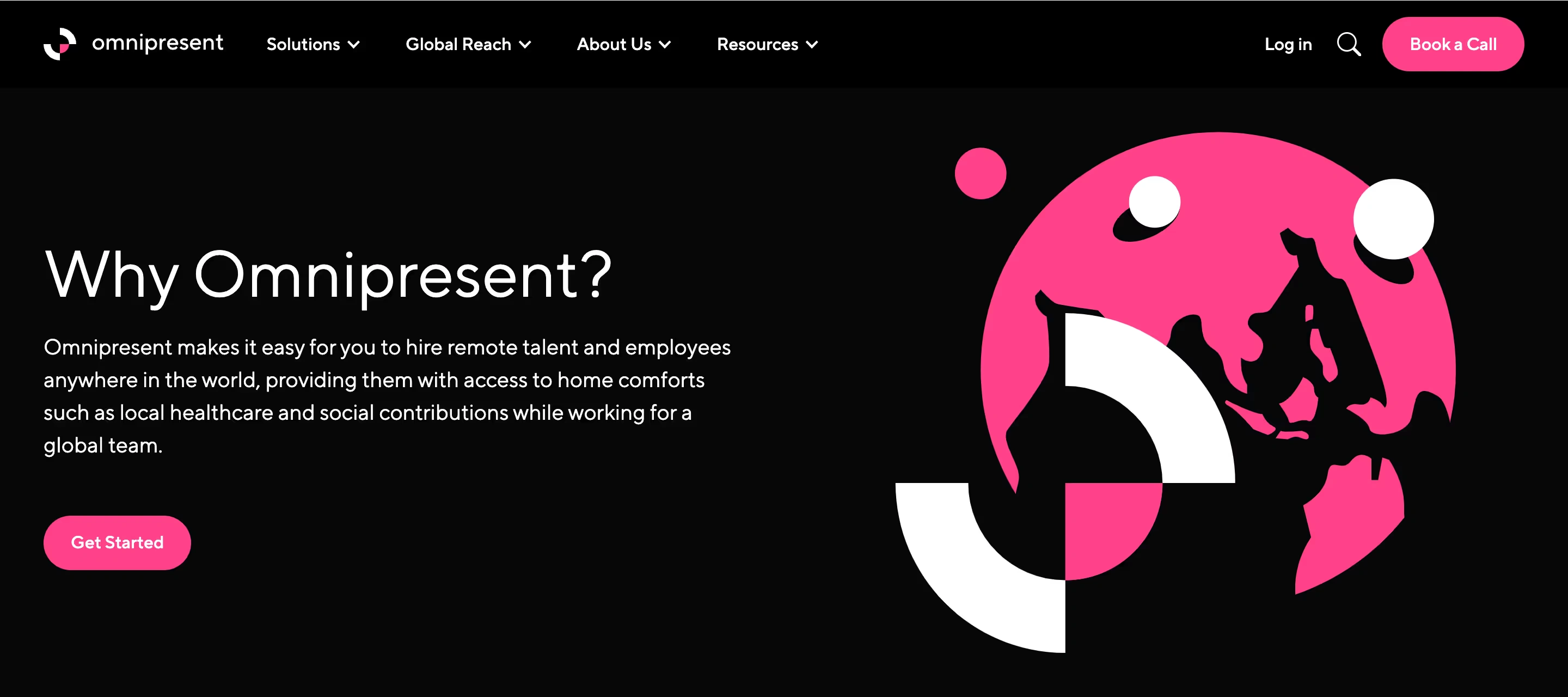
Shifting from product features to the broader value of global employment
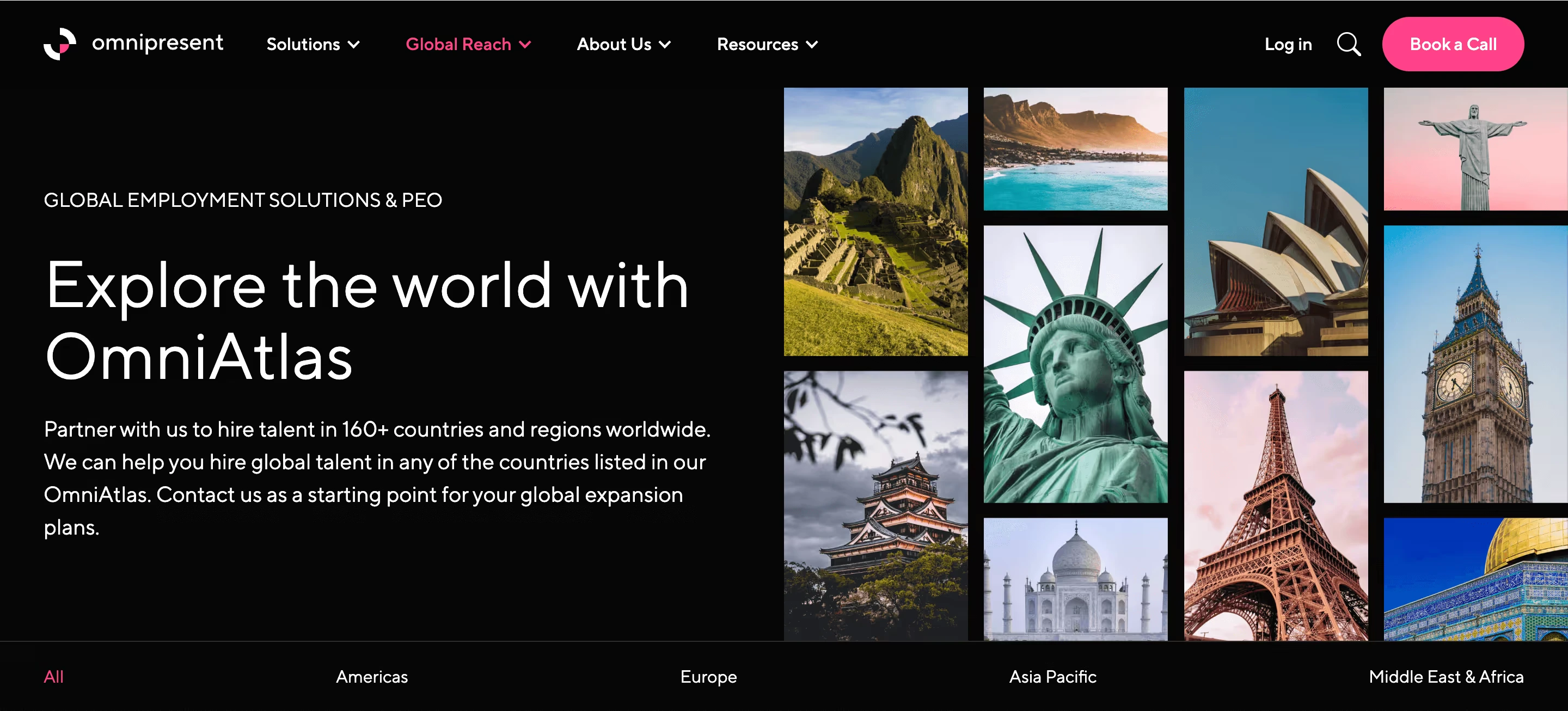
Turning internal employment knowledge into a public, SEO-driven resource
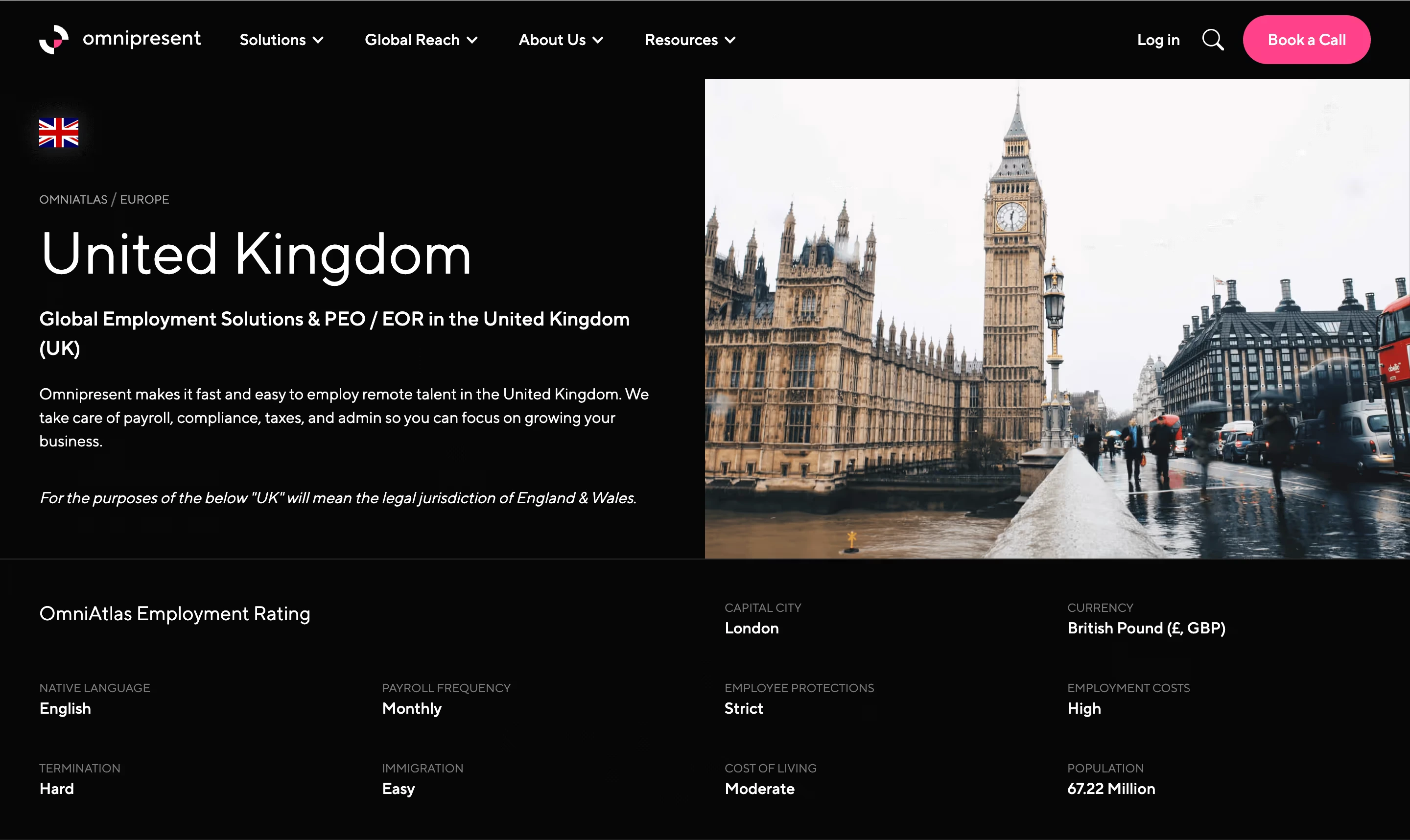
Structuring dense country-specific employment information for quick scanning
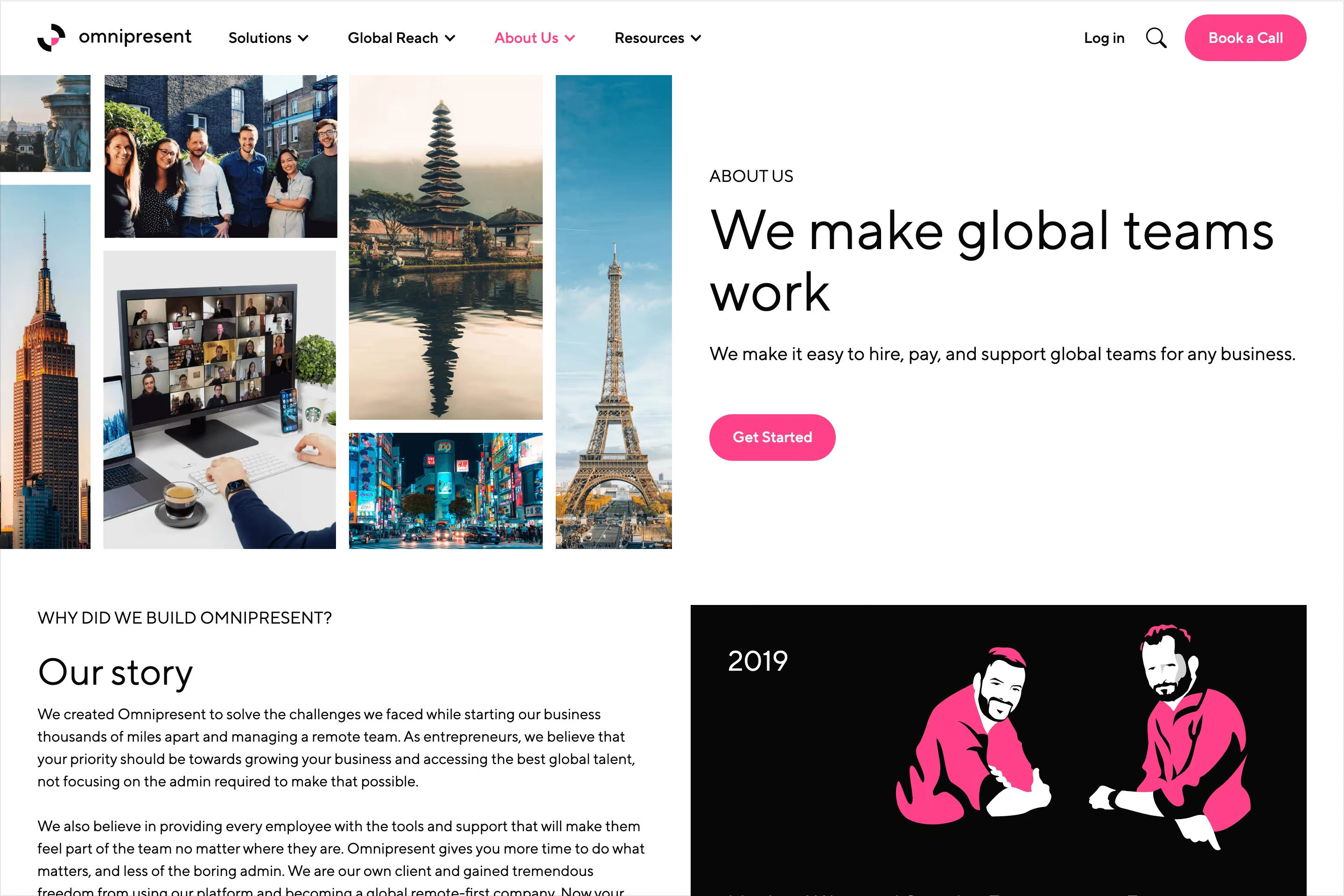
Bringing product, people, and global reach together in one brand moment
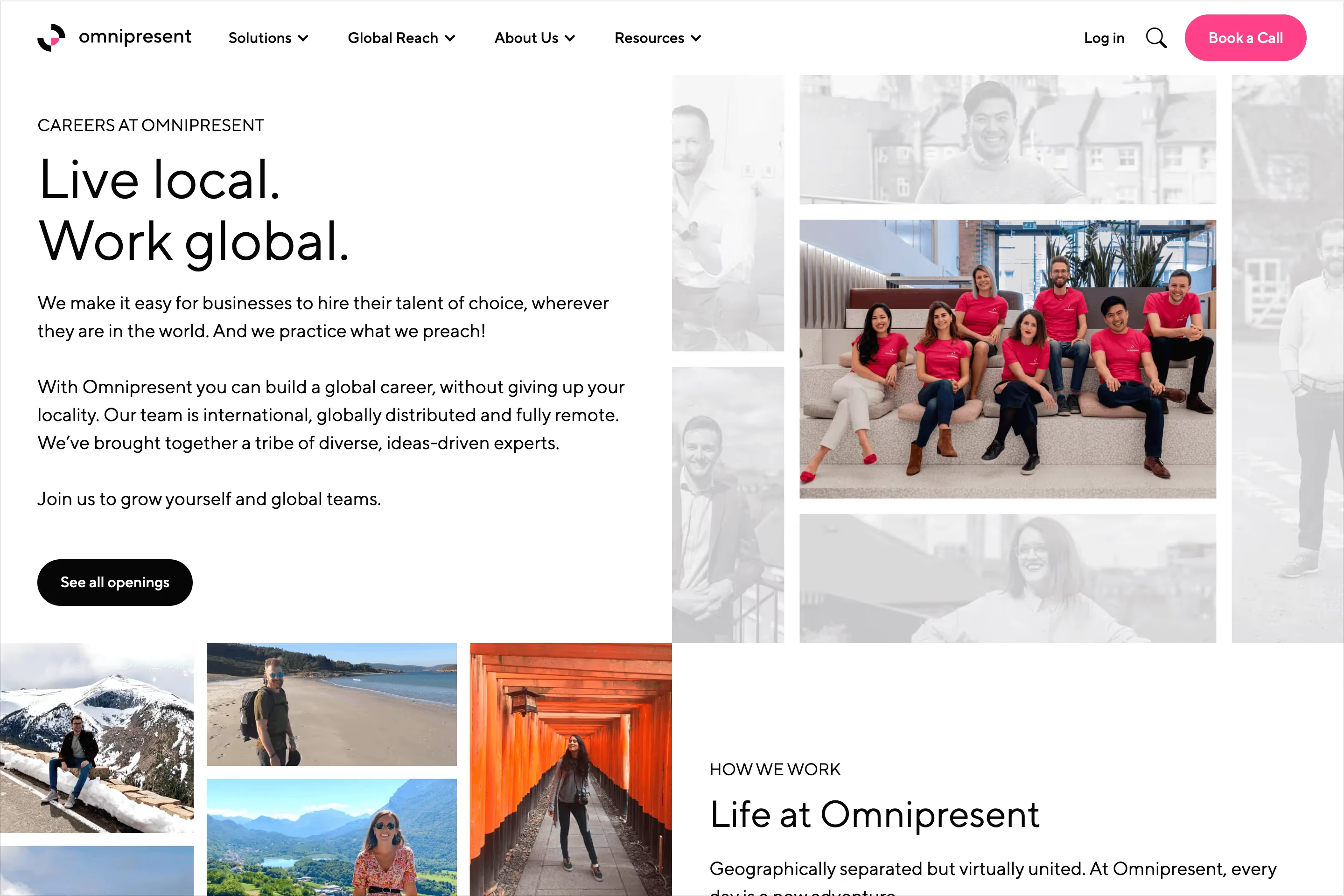
Putting the distributed team at the center of the employer brand
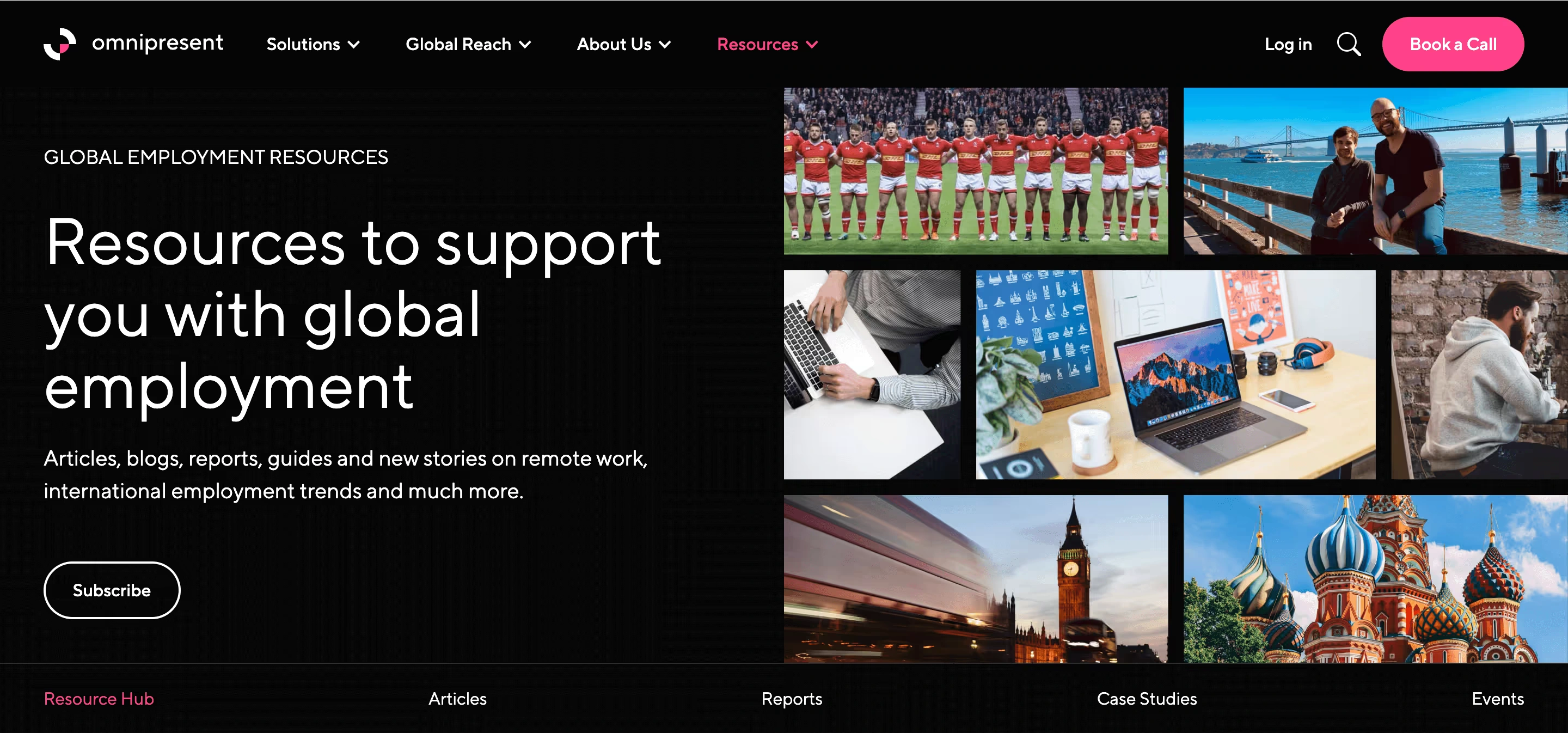
Creating a scalable entry point for an expanding content operation
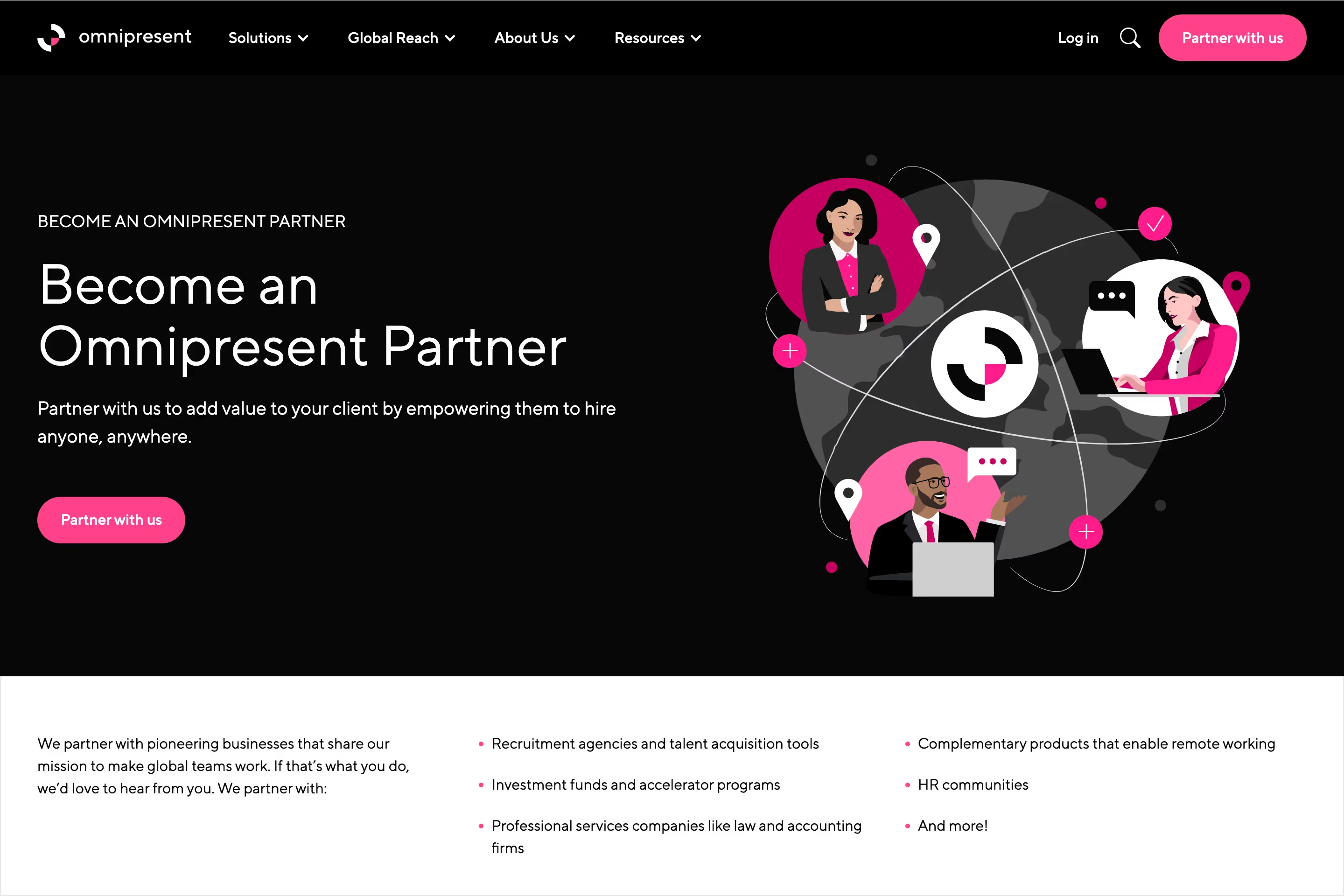
Extending the system to new audiences without redesigning from scratch
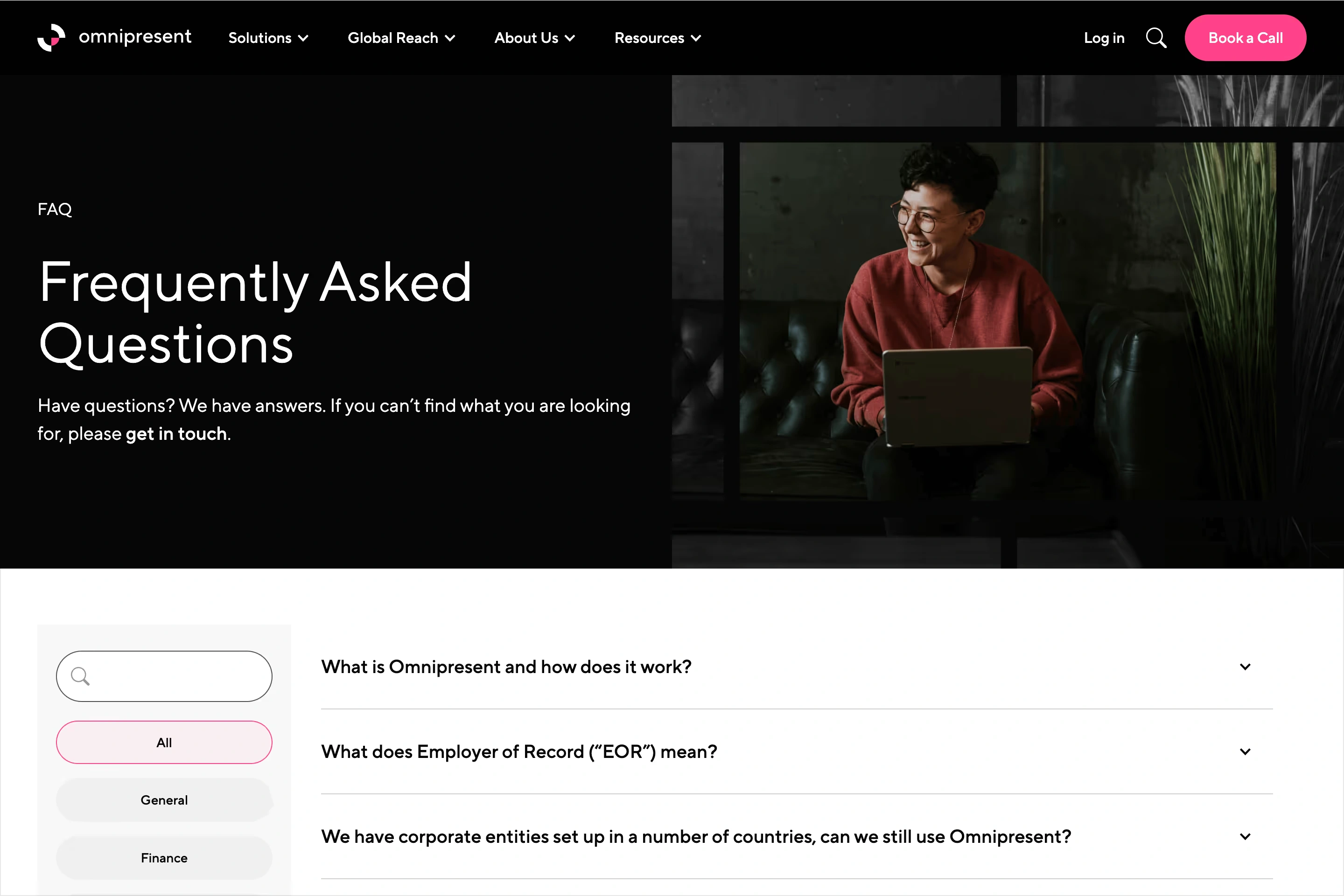
Evolving a long FAQ into a searchable, filterable support experience
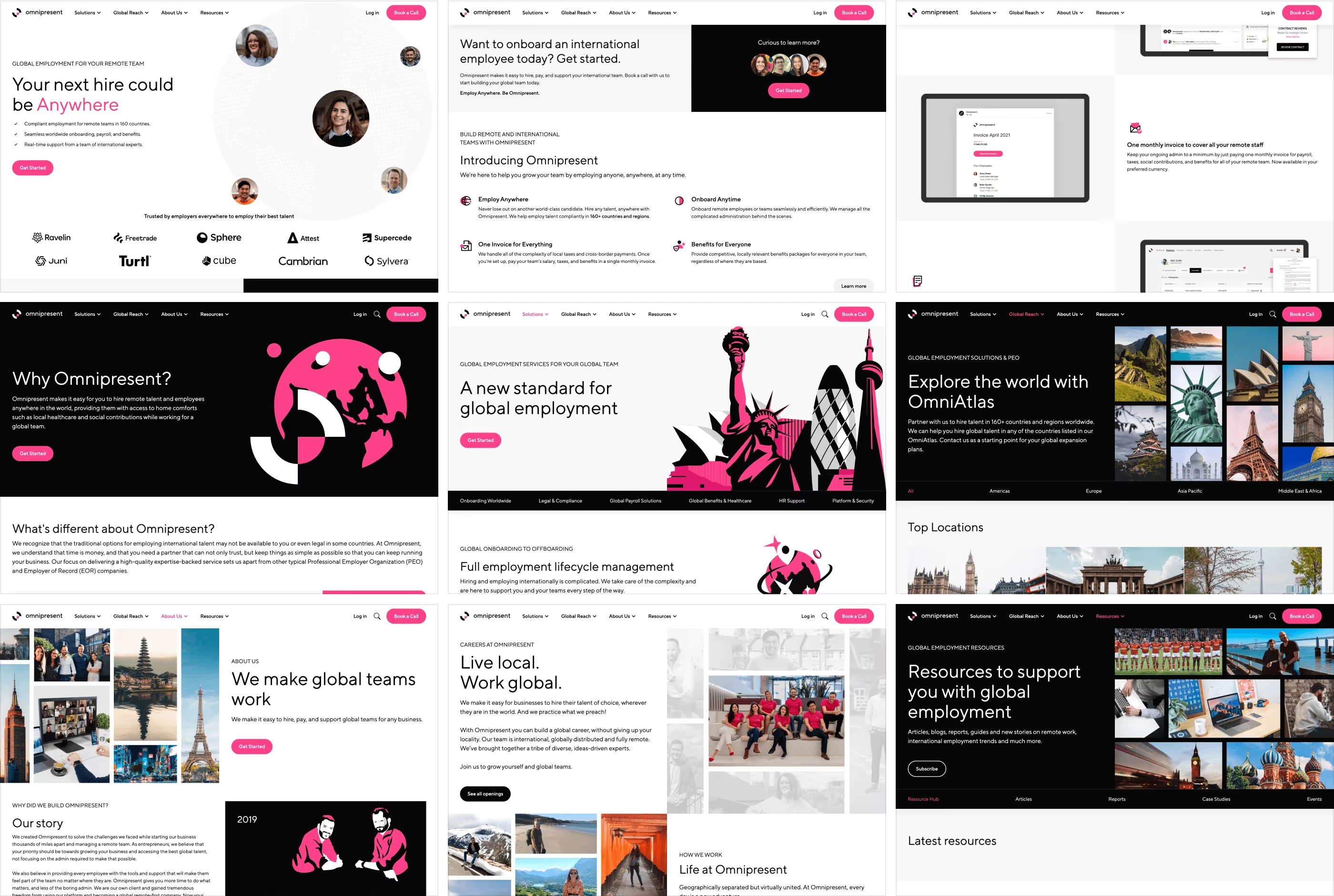
Reusable components designed to keep content consistent and fast to ship
Responsive development: Keeping the design system flexible everywhere
Because design and development happened together, responsive behavior could be considered as part of the system rather than a separate adaptation phase. Collages simplified, rich hero layouts reflowed, navigation collapsed into touch-friendly patterns, and reusable components adjusted naturally across breakpoints.
Performance, semantics, accessibility considerations, SEO fundamentals, and production assets were handled as part of shipping the website.
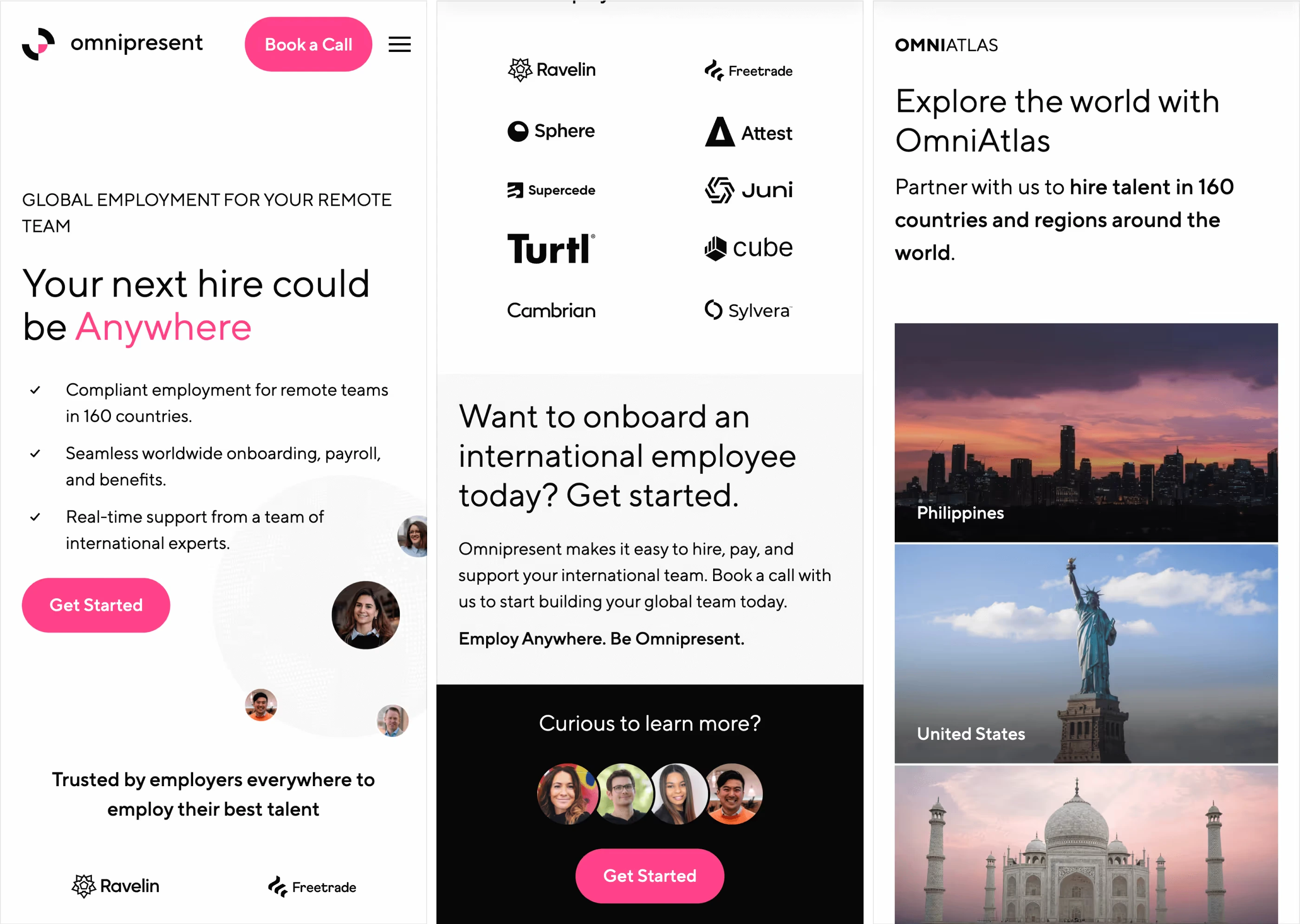
Preserving the homepage hierarchy with minimal responsive adjustment
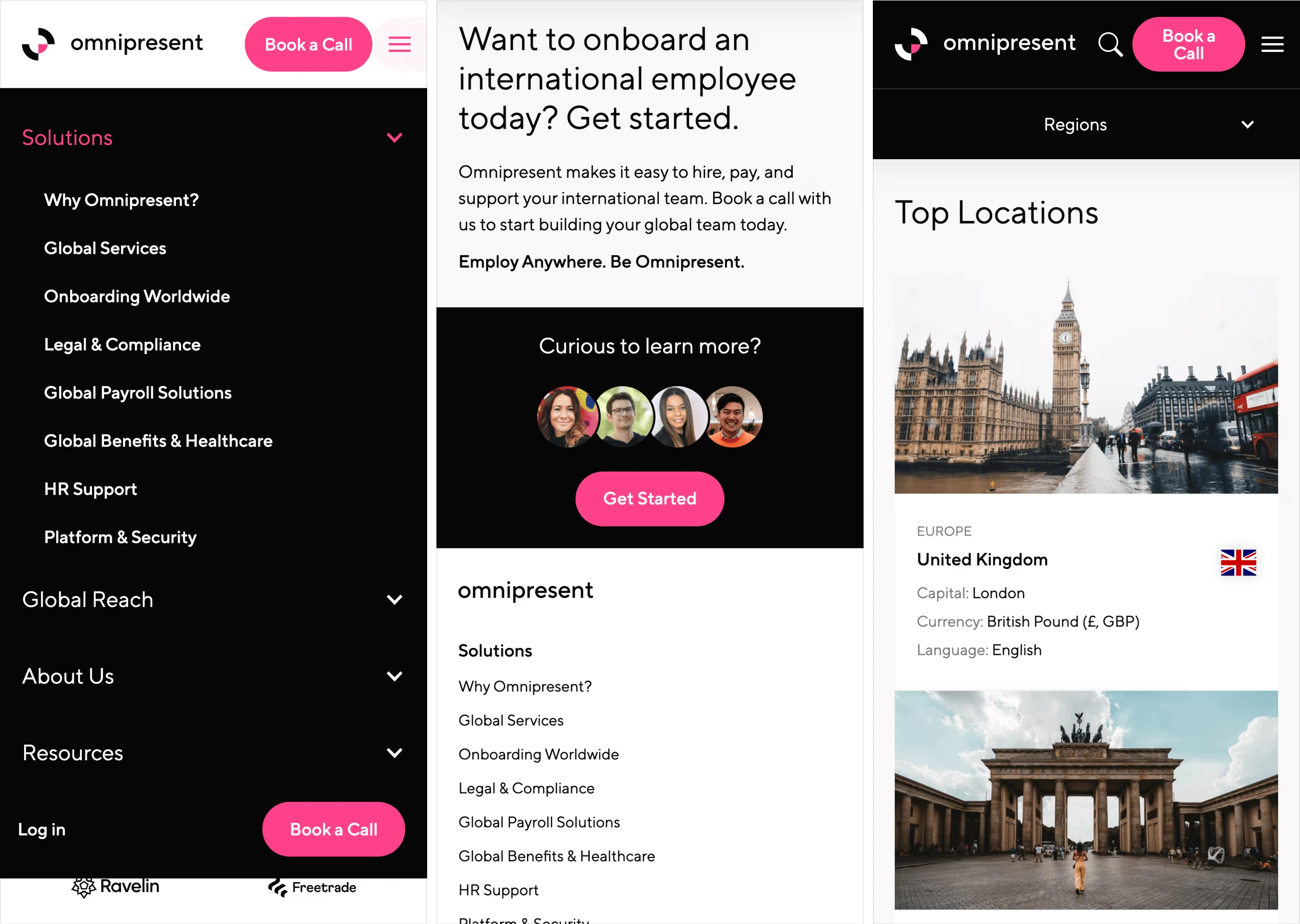
Simplifying a growing navigation system for touch and smaller screens
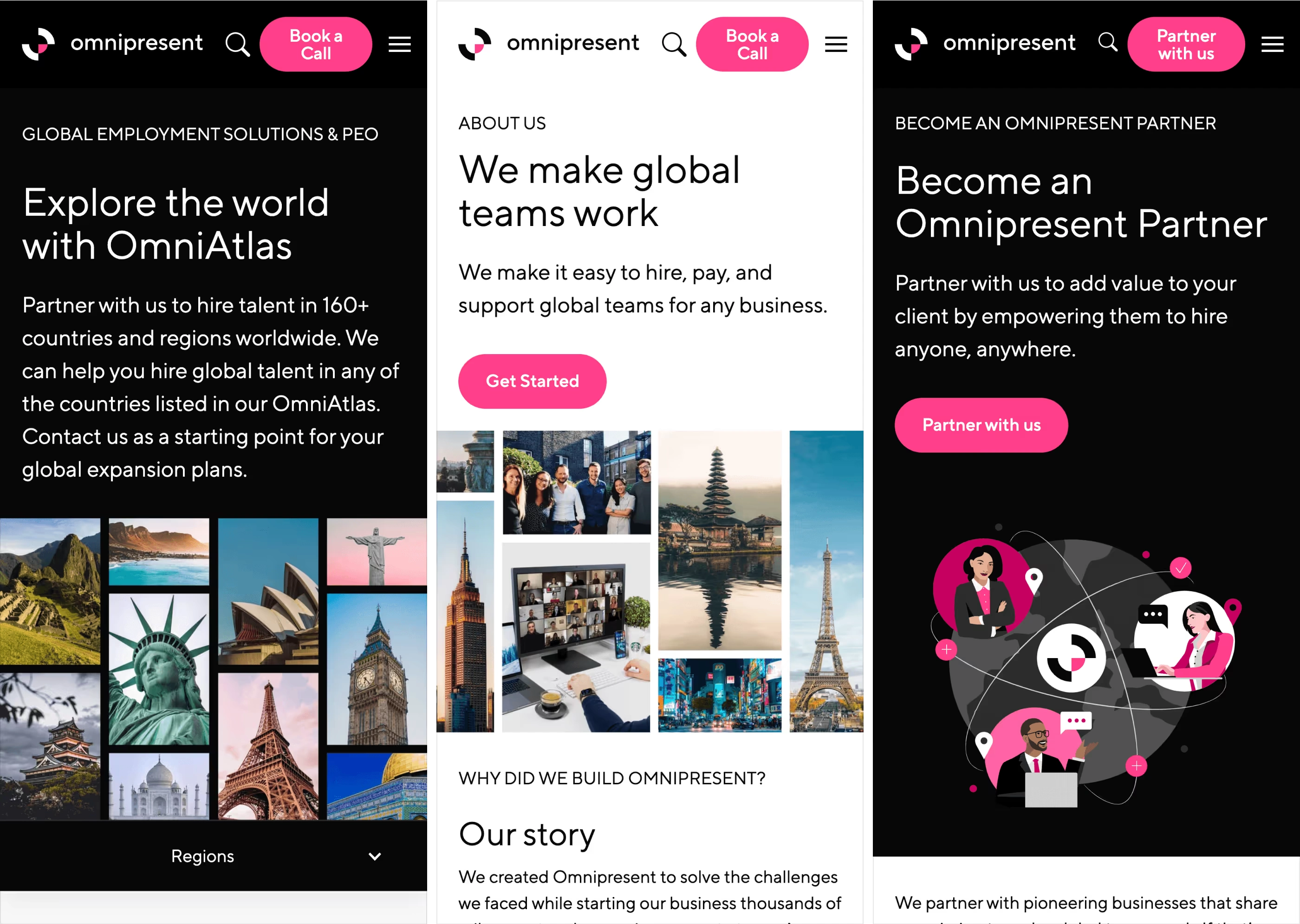
Rebalancing text and imagery while keeping the brand recognizable
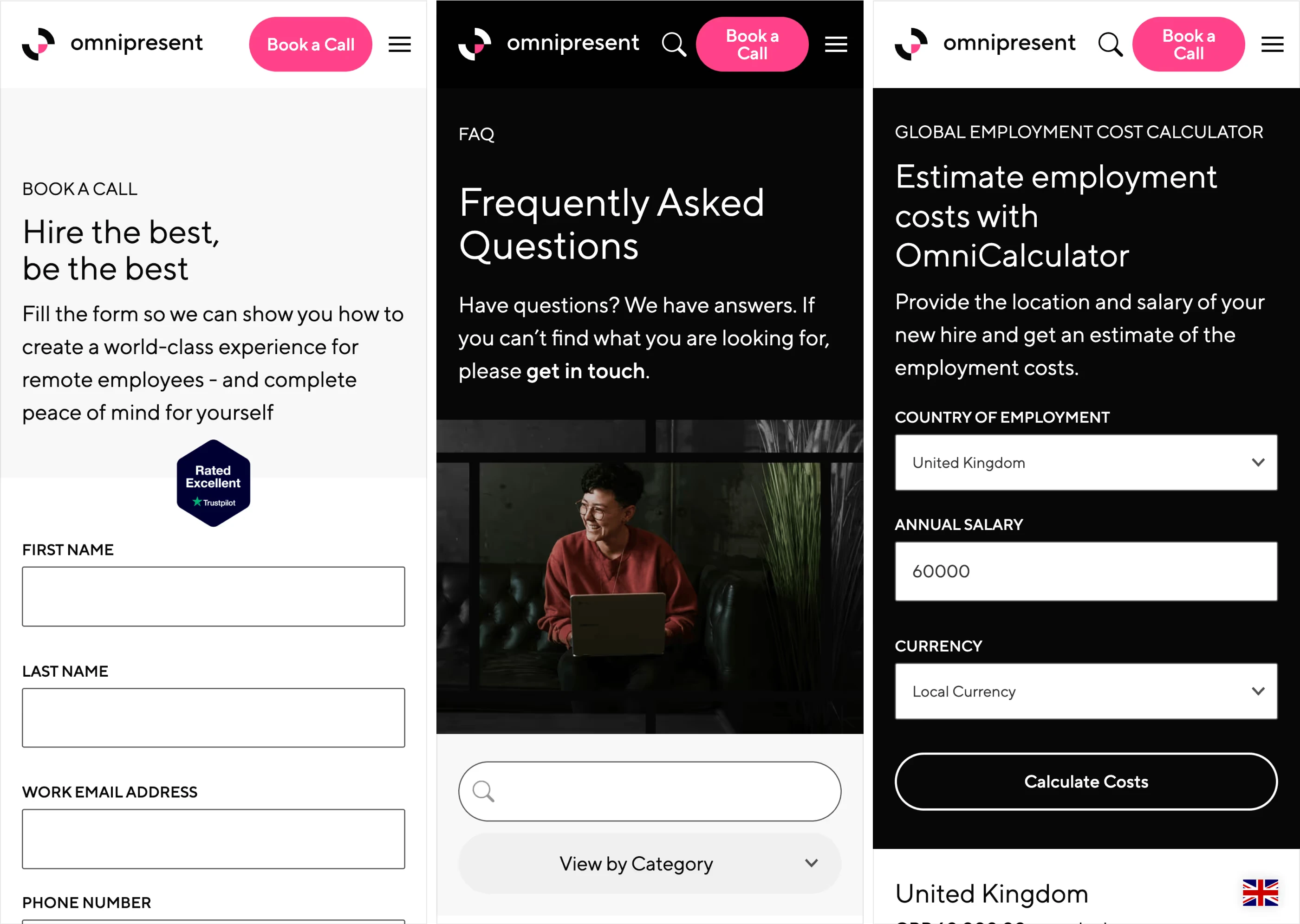
Stacking richer interactions into cleaner mobile conversion flows
Product experiments: Turning internal tools into public product experiences
The brand and website system also created room for more product-oriented work. OmniCalc began as an internal spreadsheet used to estimate the cost of employing people internationally. We redesigned it as a standalone web application that could serve both internal teams and prospective customers.
The public version provided a lightweight estimate and worked as a useful lead-generation tool, while the internal version retained more complete functionality. The prototype helped prove how an operational tool could evolve into a proper digital product.
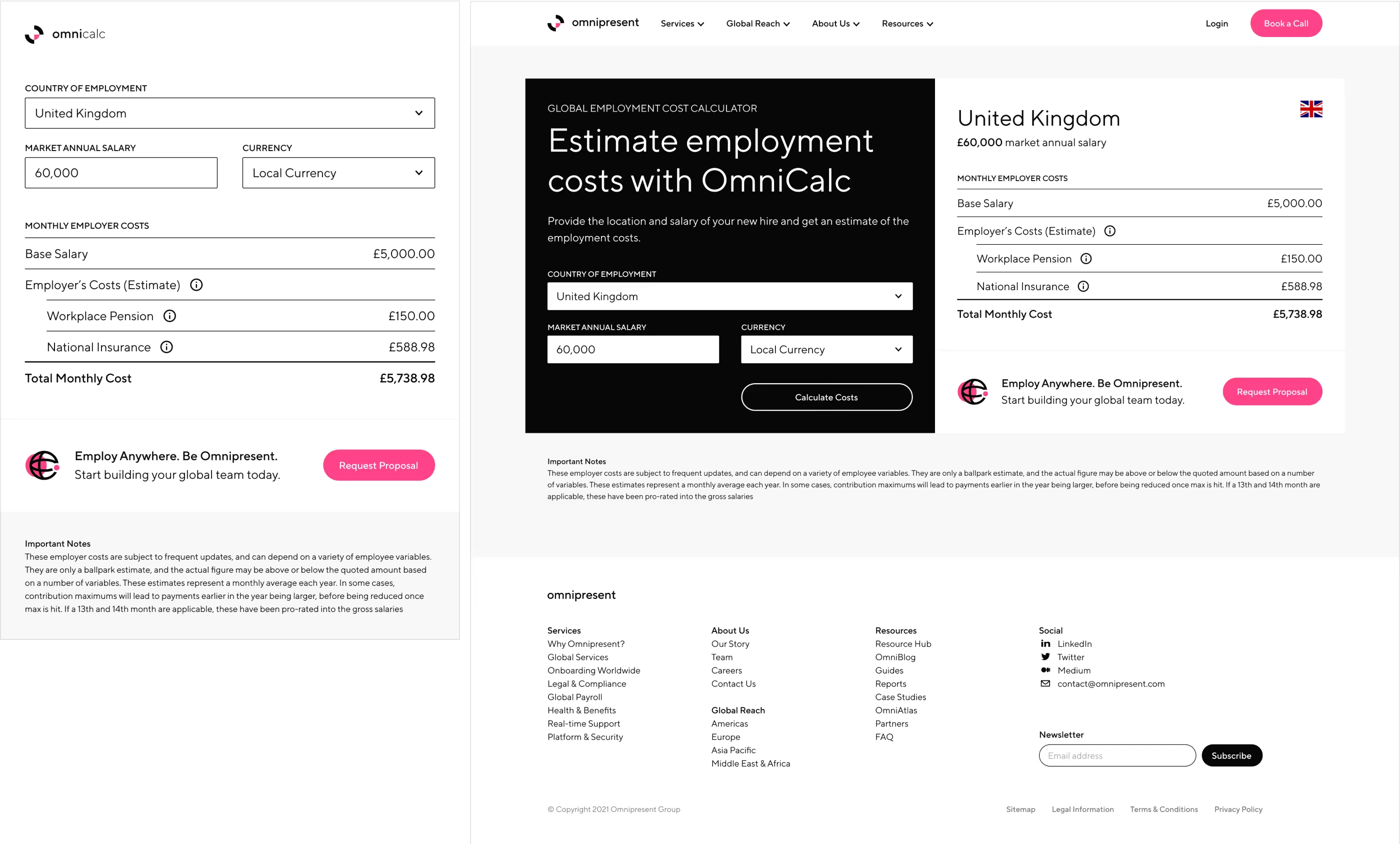
Turning an internal spreadsheet into a standalone global employment calculator
Campaigns and sub-brands: Giving new ideas room to stand out on their own
As the company grew, not every initiative needed to look exactly like the core corporate brand. The Omnis, a global awards program celebrating remote work, became an opportunity to create a more expressive sub-brand.
Working from campaign key art developed with an external agency, we refined the direction, created a portable identity around the trophy motif, expanded the palette, and designed and developed a dedicated microsite. The result felt distinctly more celebratory while remaining recognizably connected to Omnipresent.
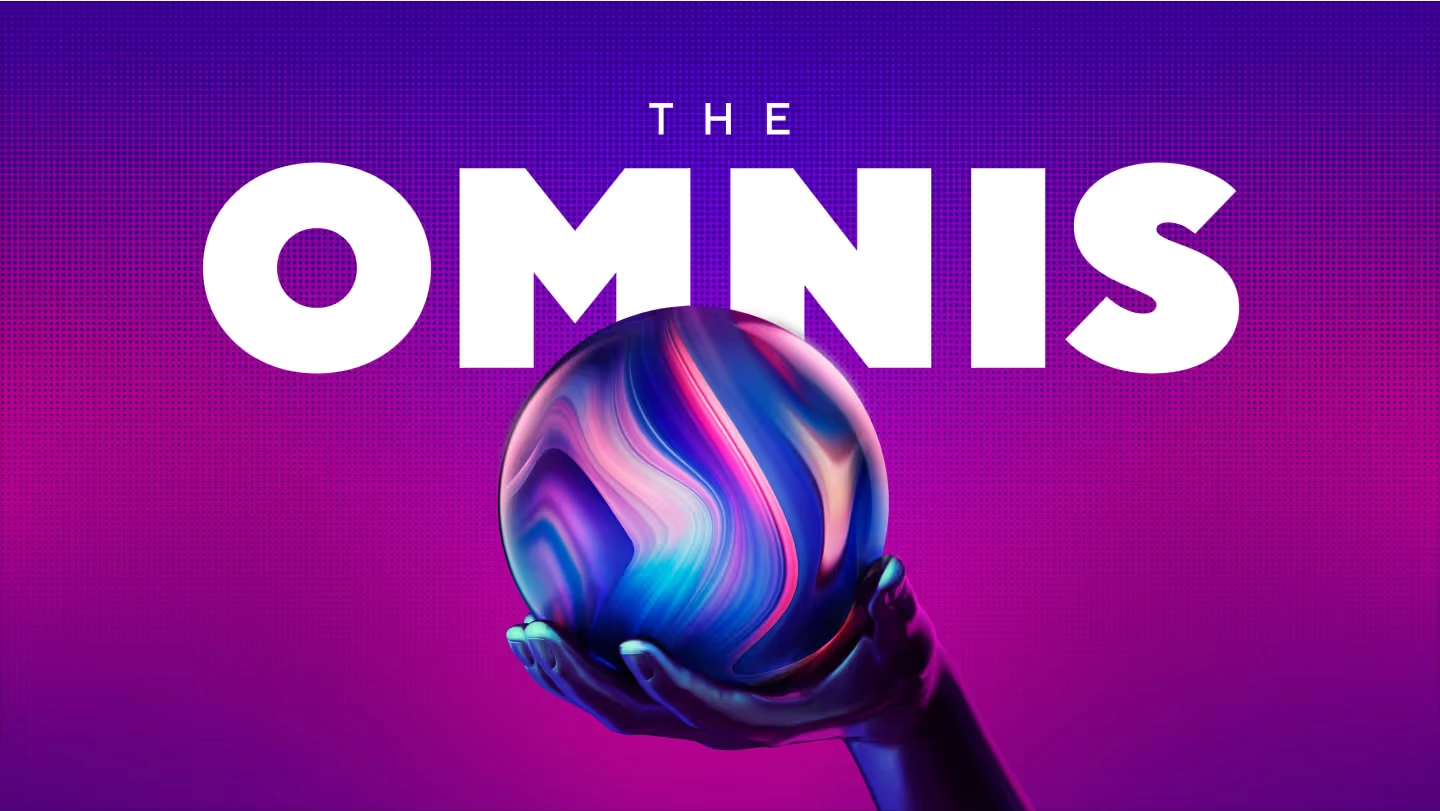
Taking the awards identity in a more cinematic, globally focused direction
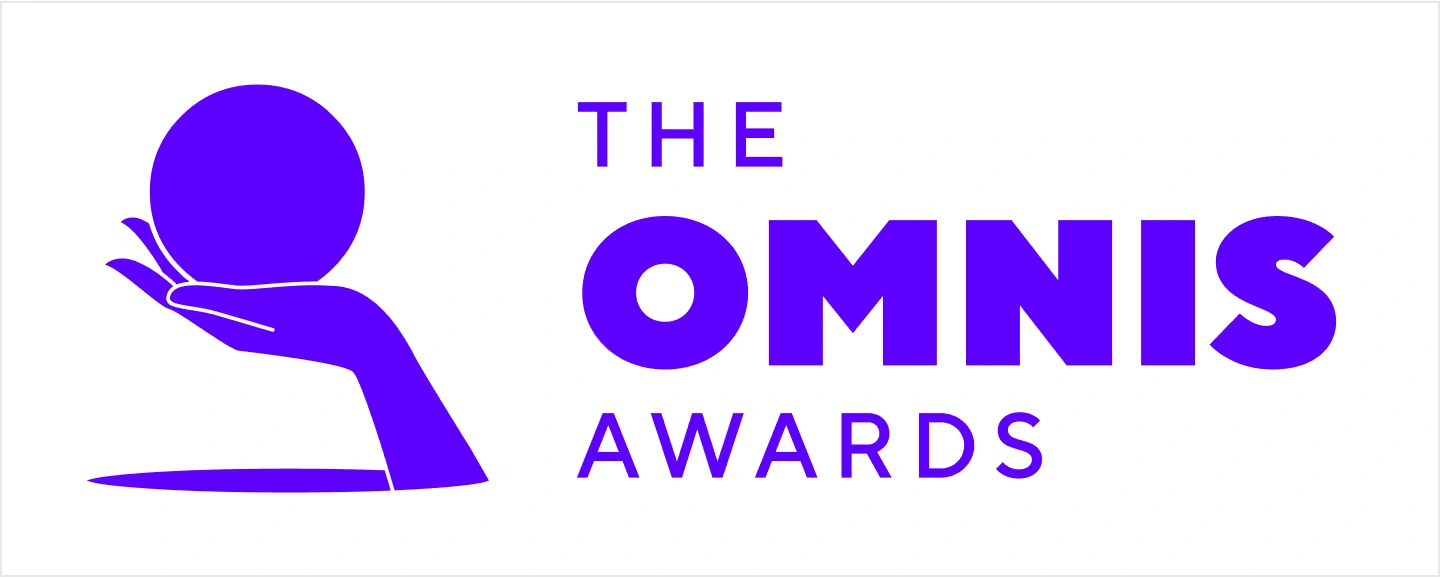
Giving the campaign a distinct identity while staying connected to Omnipresent

Turning a hand-held globe into the campaign's recognizable symbol
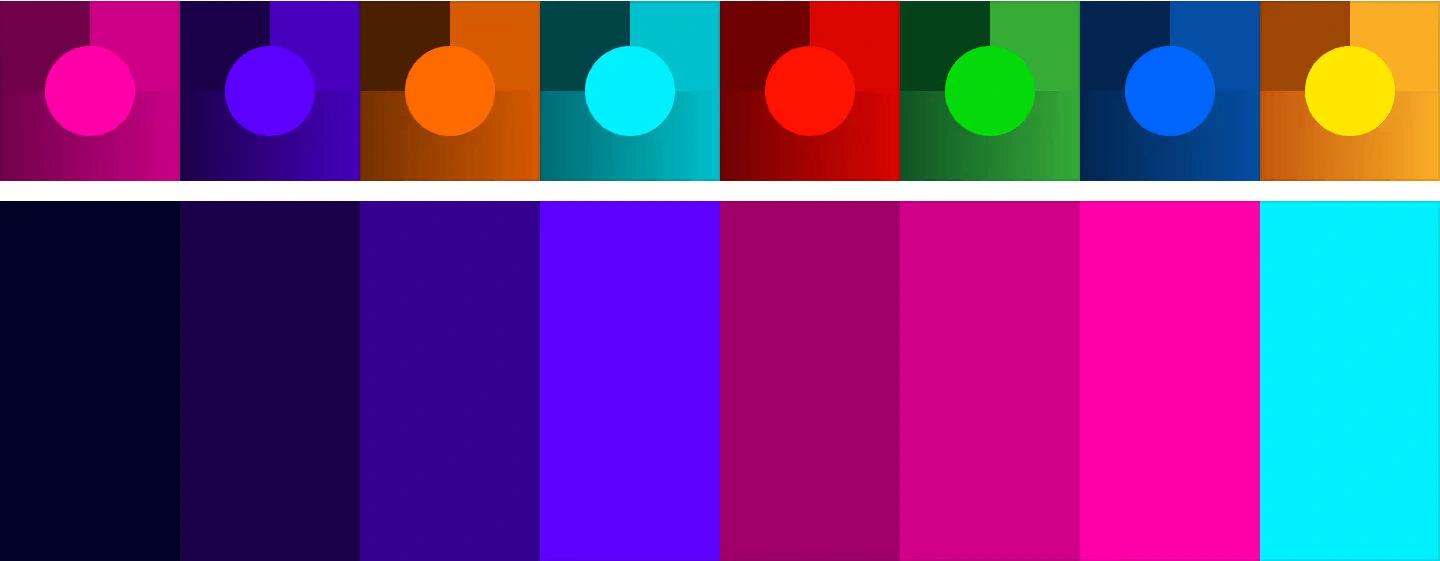
Expanding the core palette for a more celebratory and expressive sub-brand
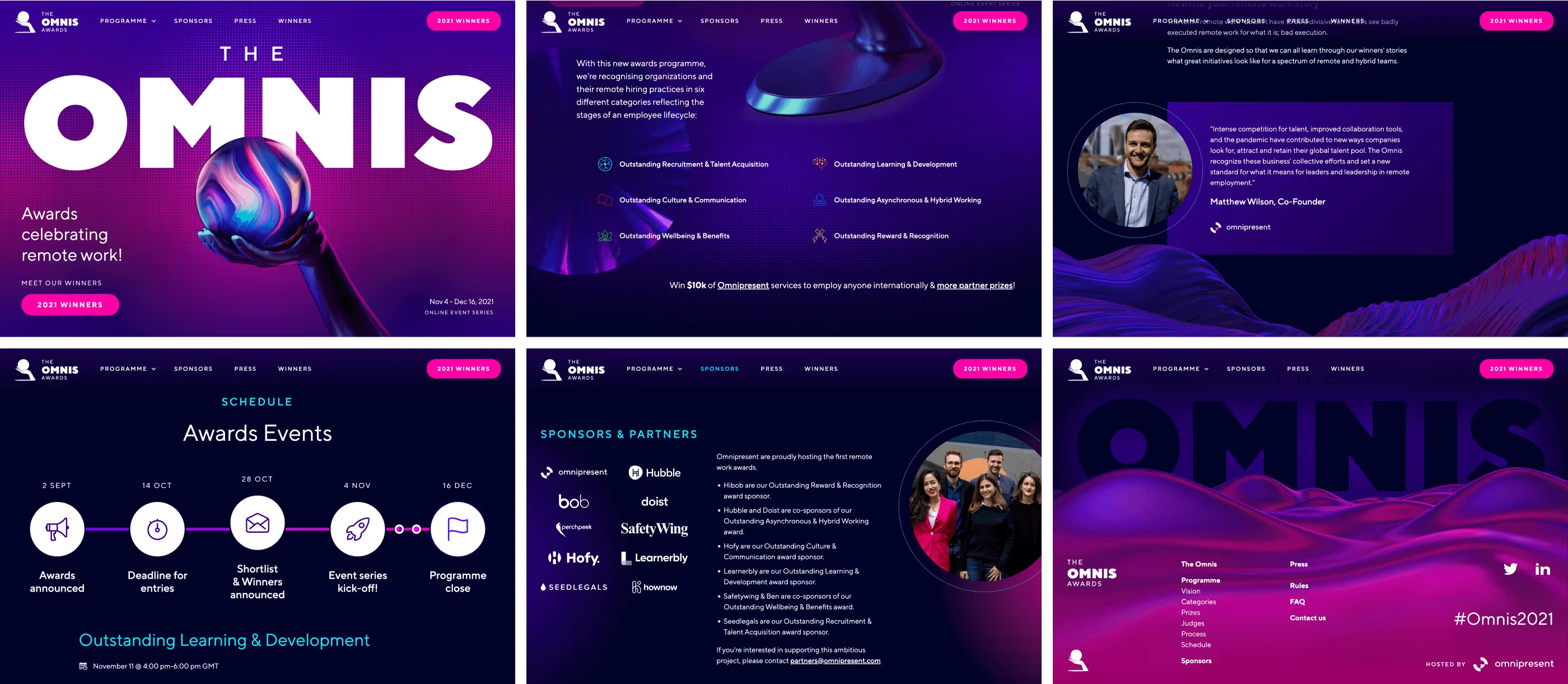
Bringing the campaign identity to life across a dedicated event microsite
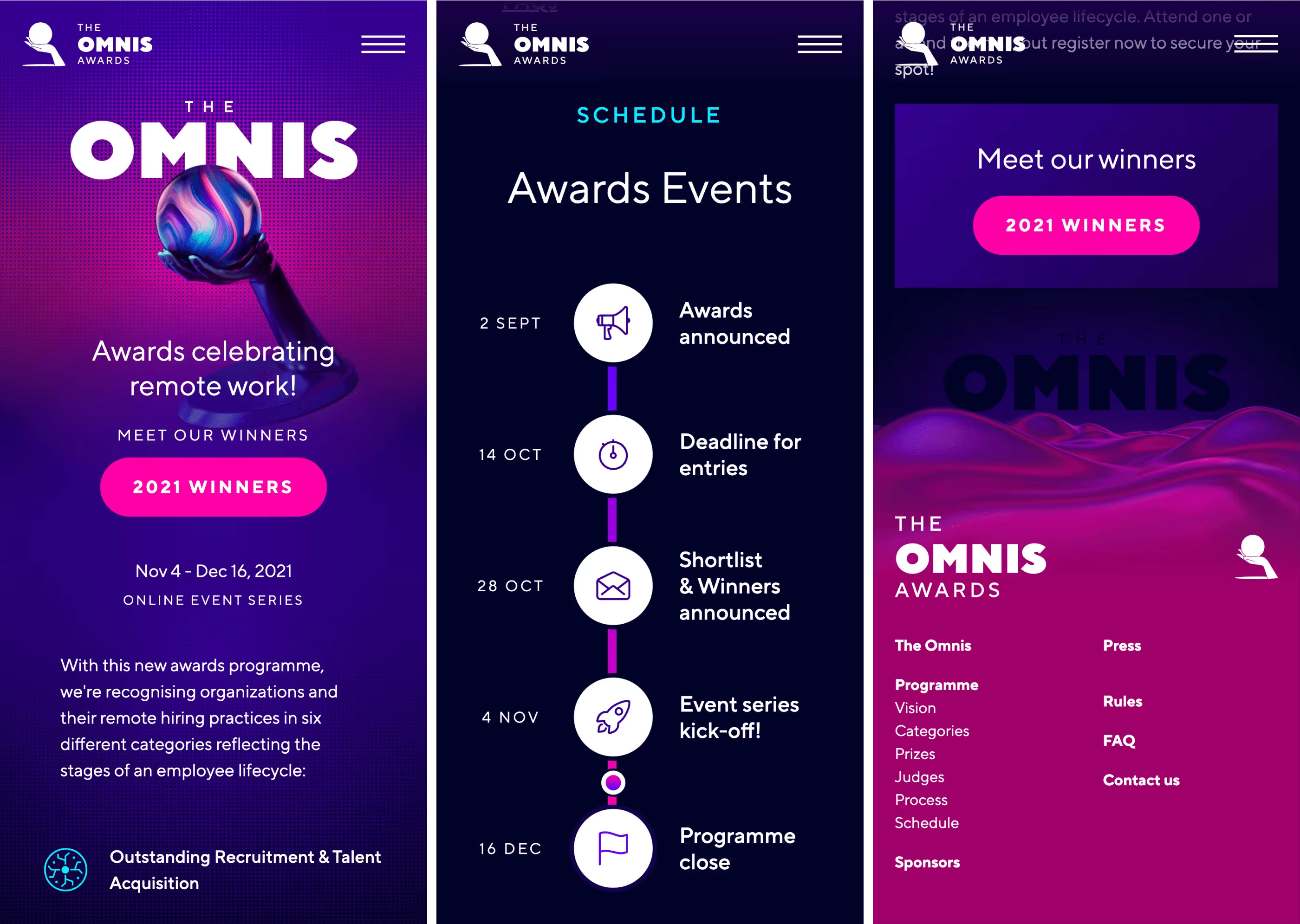
Carrying the more expressive sub-brand into a focused mobile experience
Content experiences: Turning valuable content into digital products
Some of Omnipresent's strongest marketing assets deserved more than a downloadable PDF. A flagship report frequently shared by the sales team was redesigned as an immersive microsite, preserving the editorial feel of the original while using the browser more effectively.
Later, OmniAcademy extended the same thinking into education: a free learning platform combining the marketing website with an LMS and original video production from team members around the world. Both projects expanded the role of the brand beyond marketing pages into useful, self-contained experiences.
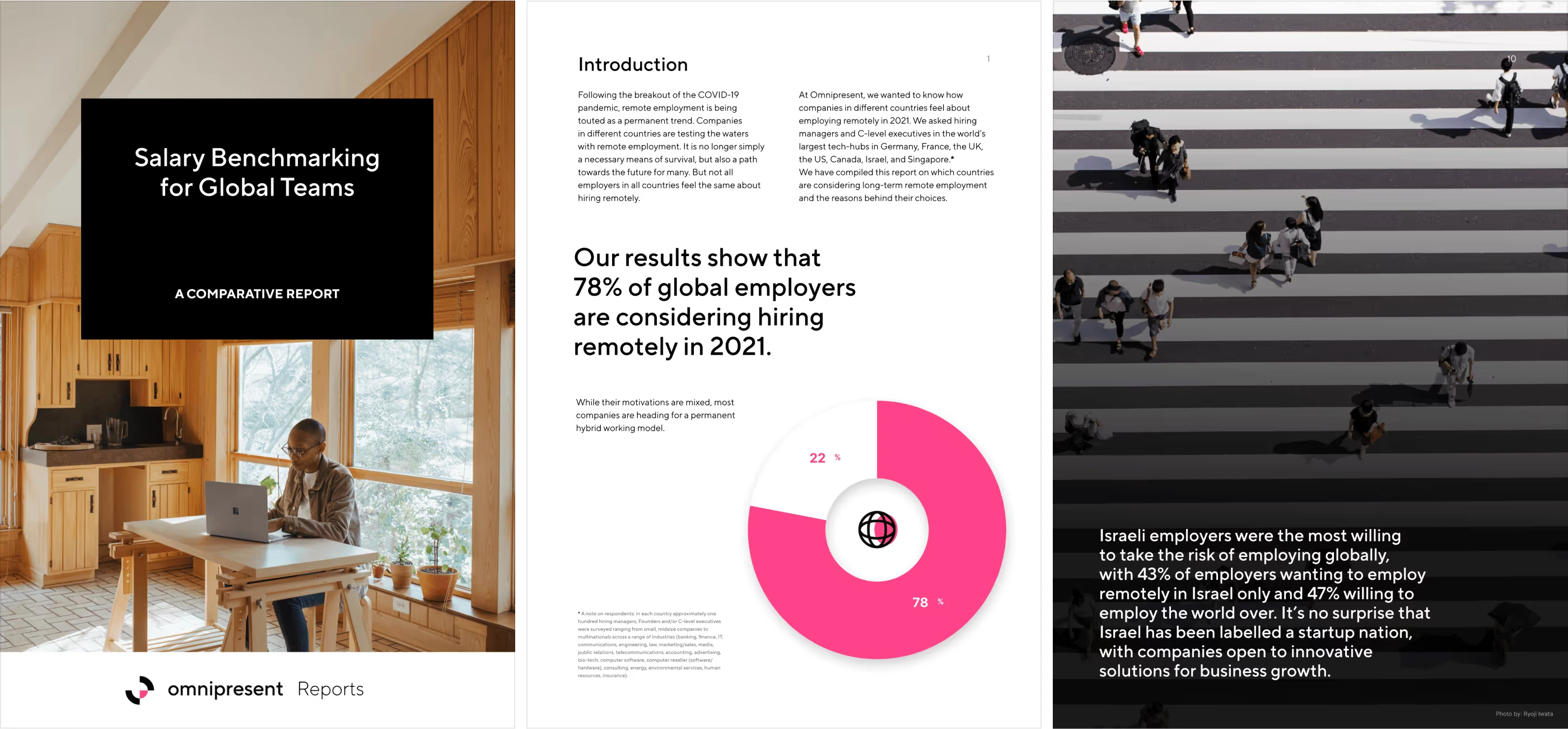
The original editorial report that became the foundation for the microsite
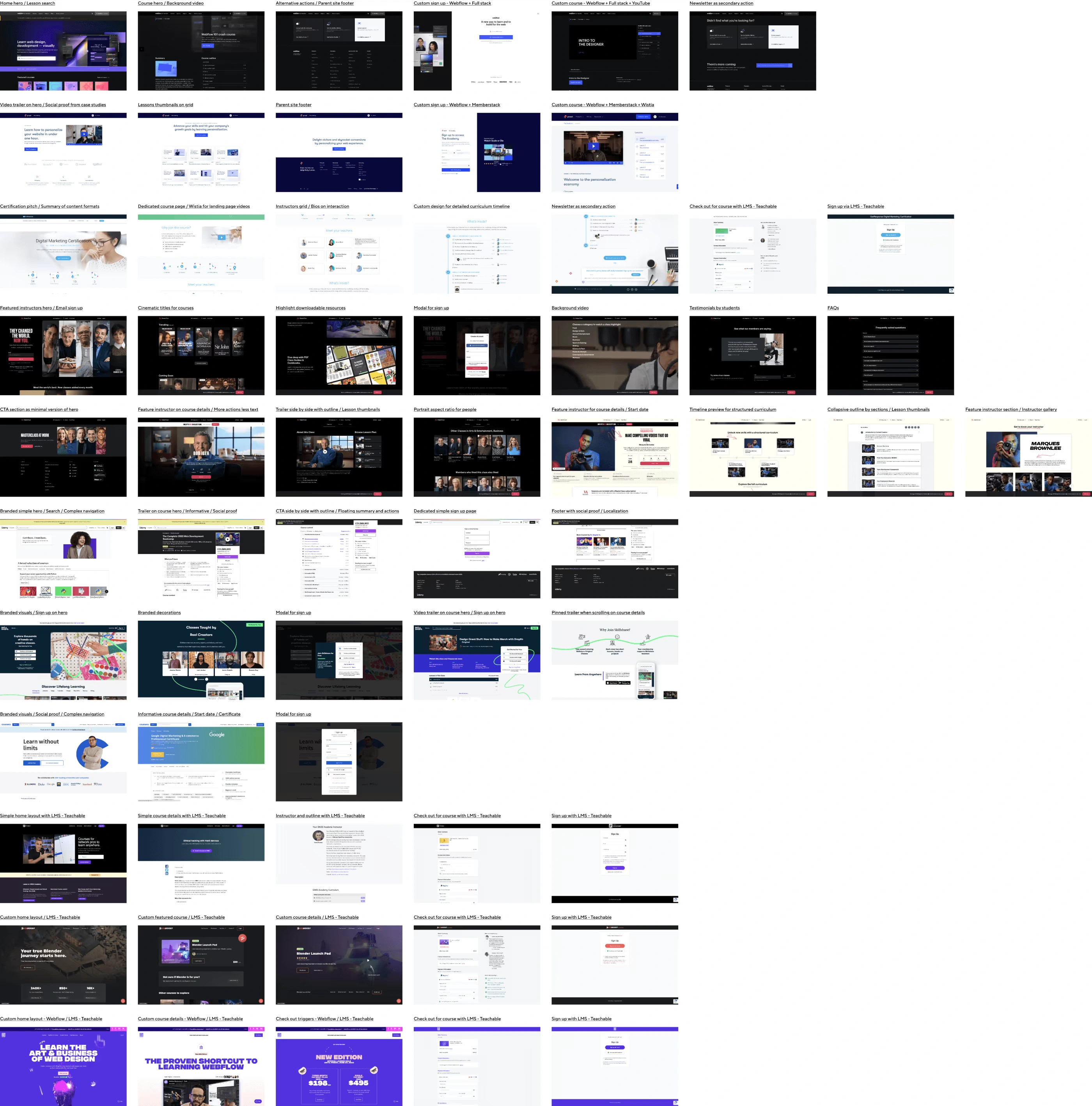
Exploring how education could feel distinct while remaining on brand
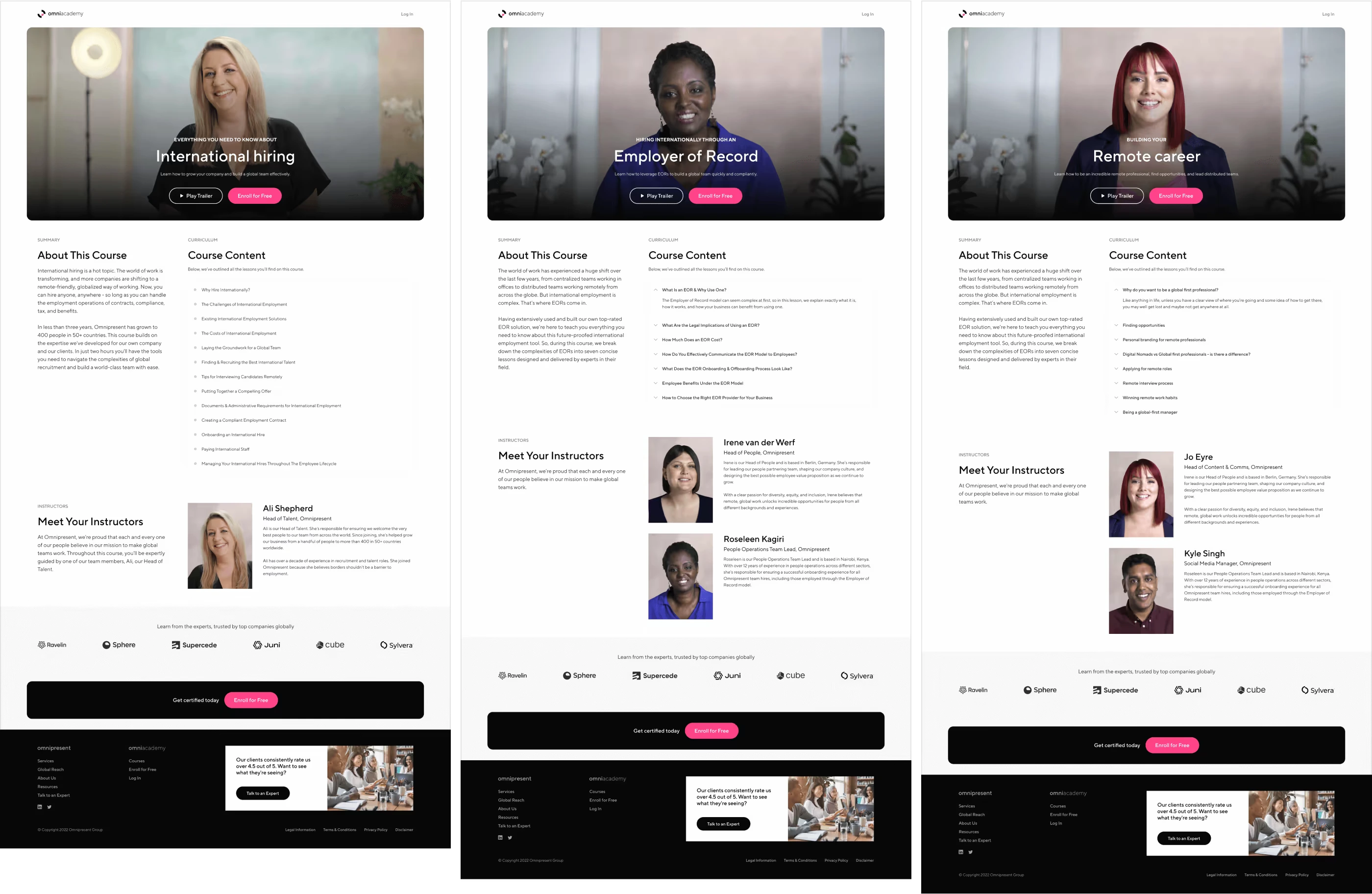
Designing a learning experience around video, courses, and global expertise
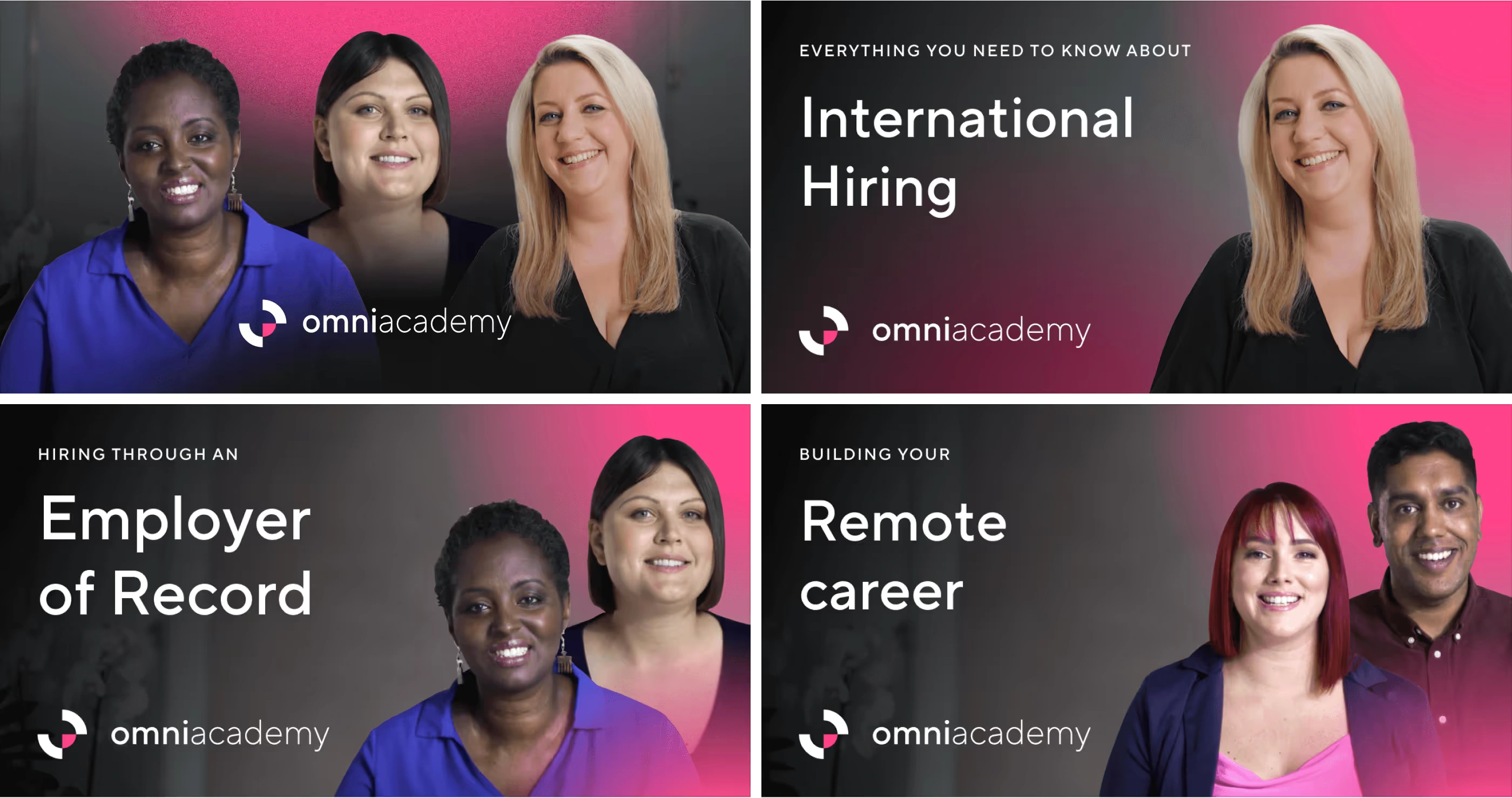
Extending the learning platform into consistent social and shared-link assets
Creative operations: Scaling the brand without scaling the bottlenecks
The marketing team grew roughly tenfold during my time at Omnipresent. Design could not become the team everyone had to wait for. We increasingly operated like an internal creative agency: prioritizing requests, documenting decisions, building reusable systems, and giving other teams enough structure to self-serve.
Webflow allowed marketers to publish and evolve content without relying on engineering. Templates made recurring social, sales, and product marketing work easier to produce consistently. Illustration systems enabled different creatives to contribute without fragmenting the visual identity.
The role of design shifted from producing every artifact to creating the conditions for good work to happen at scale.
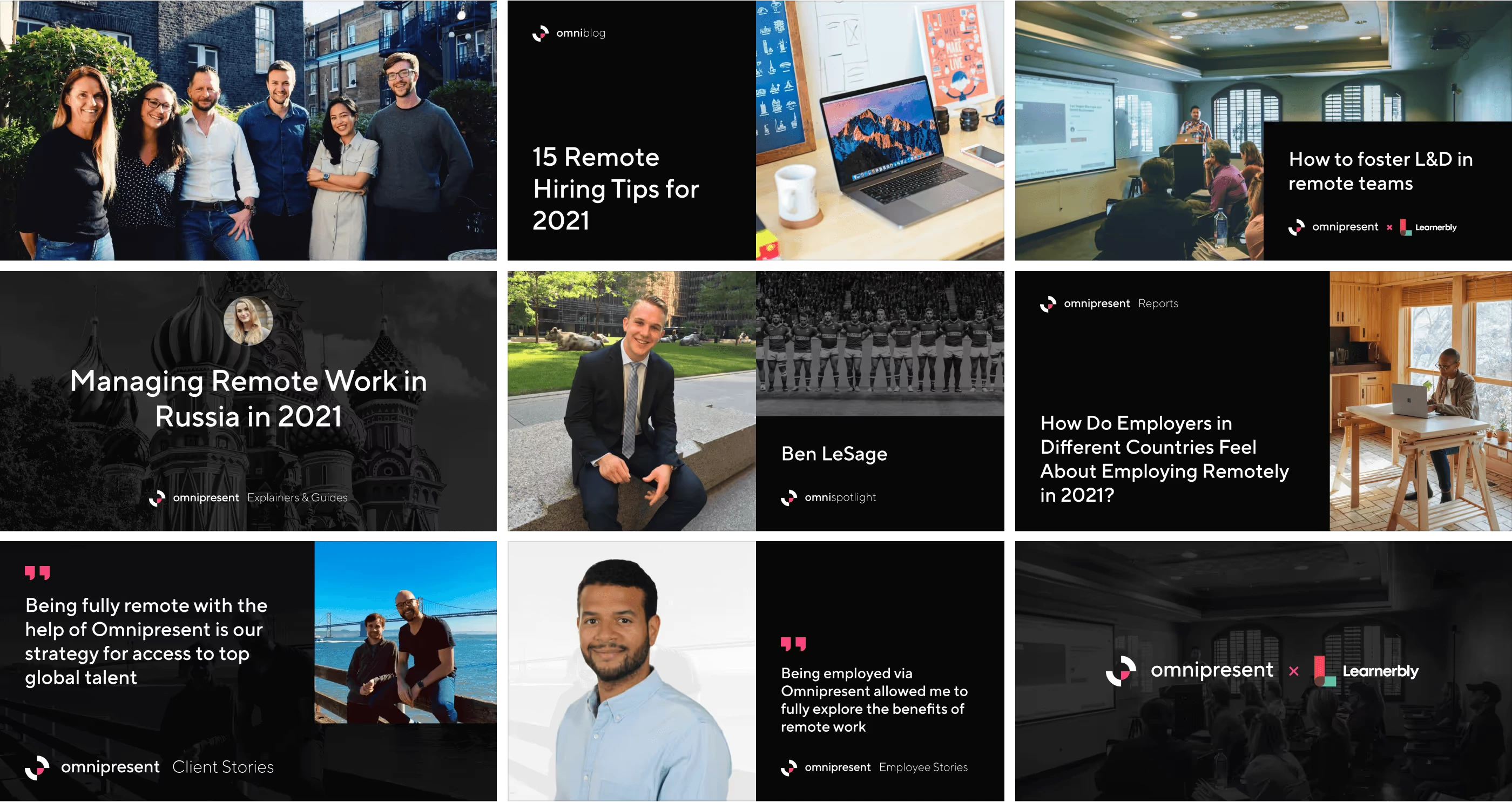
Giving the marketing team reusable tools for faster, more consistent publishing

A flexible illustration system that multiple creatives could extend consistently
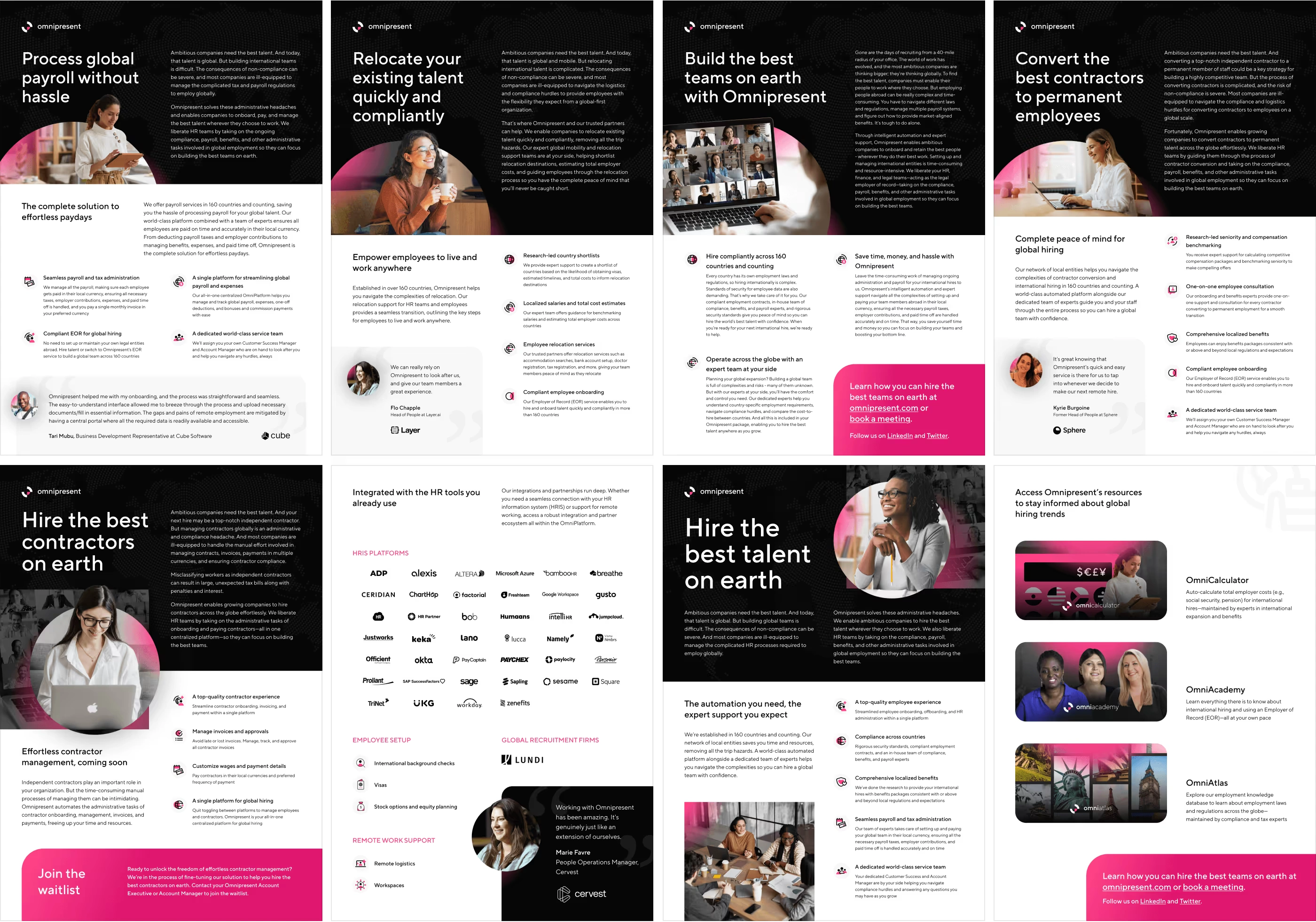
Turning product features into reusable sales and marketing collateral
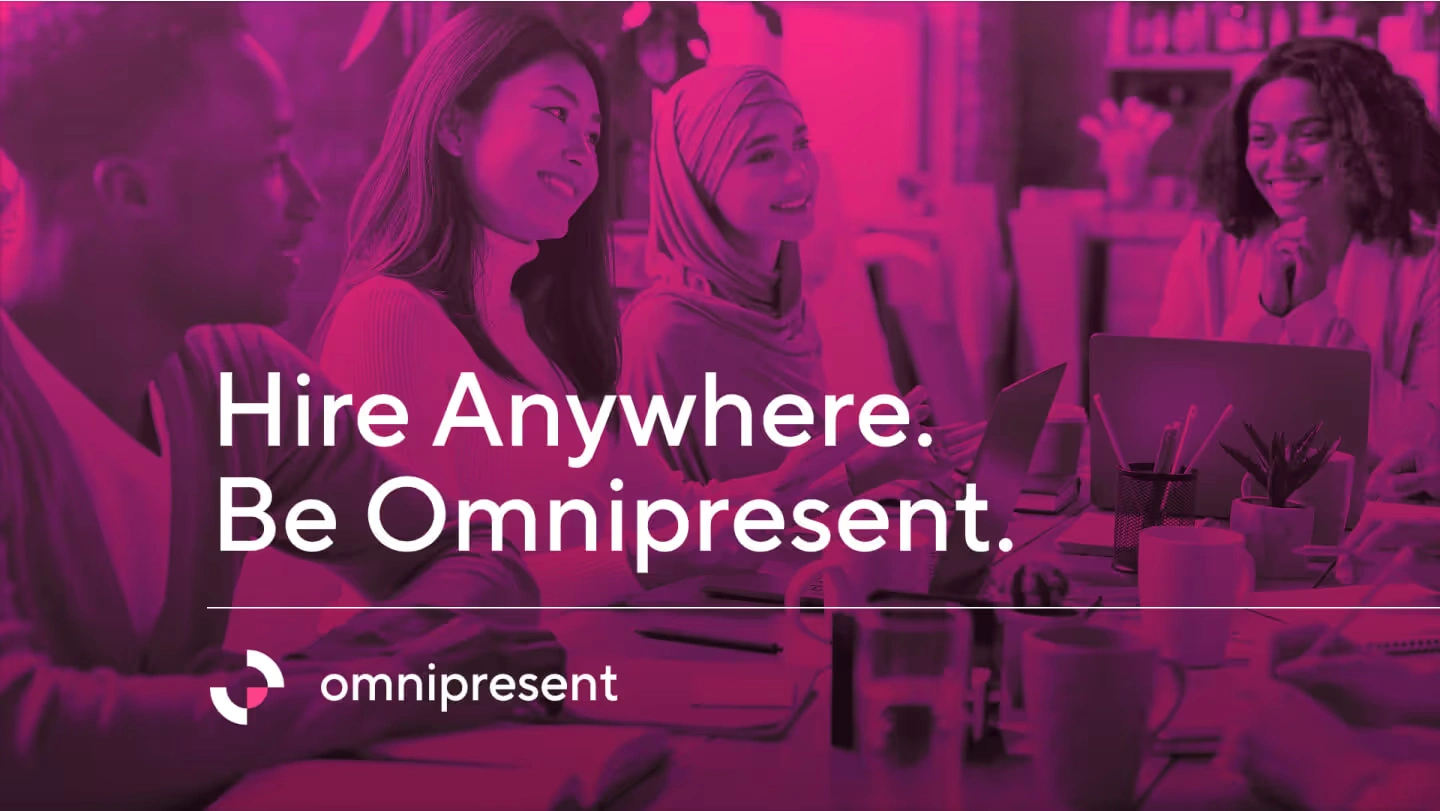
Extending the brand system into everyday sales communication
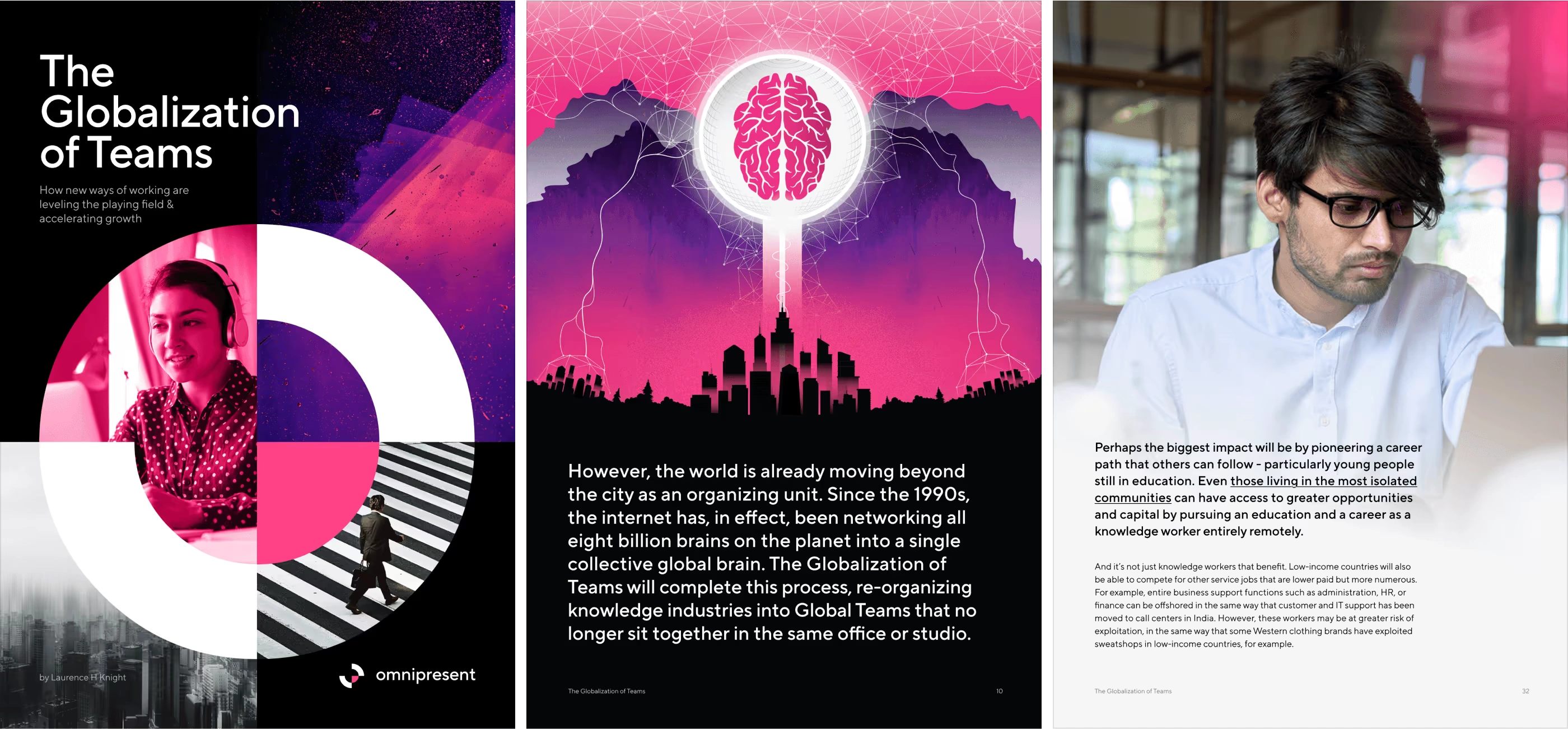
Applying the brand to longer-form thought leadership and research
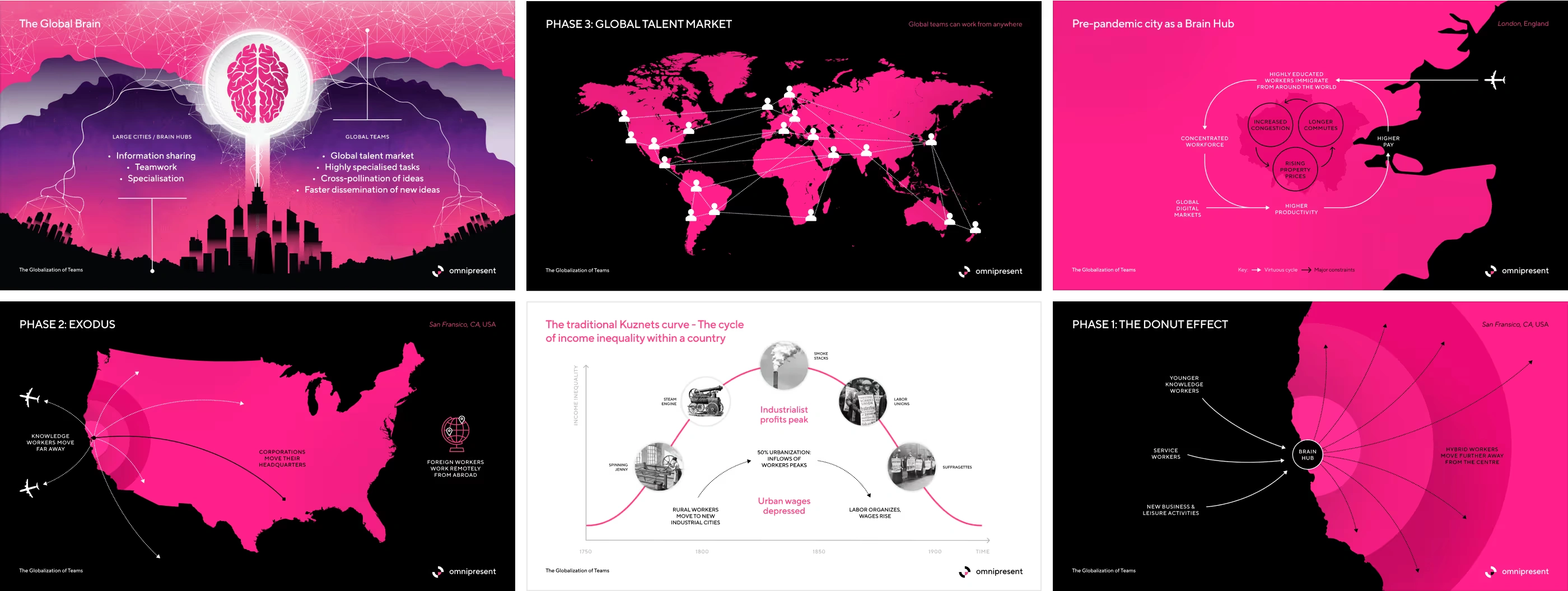
Making data and complex information easier to communicate consistently
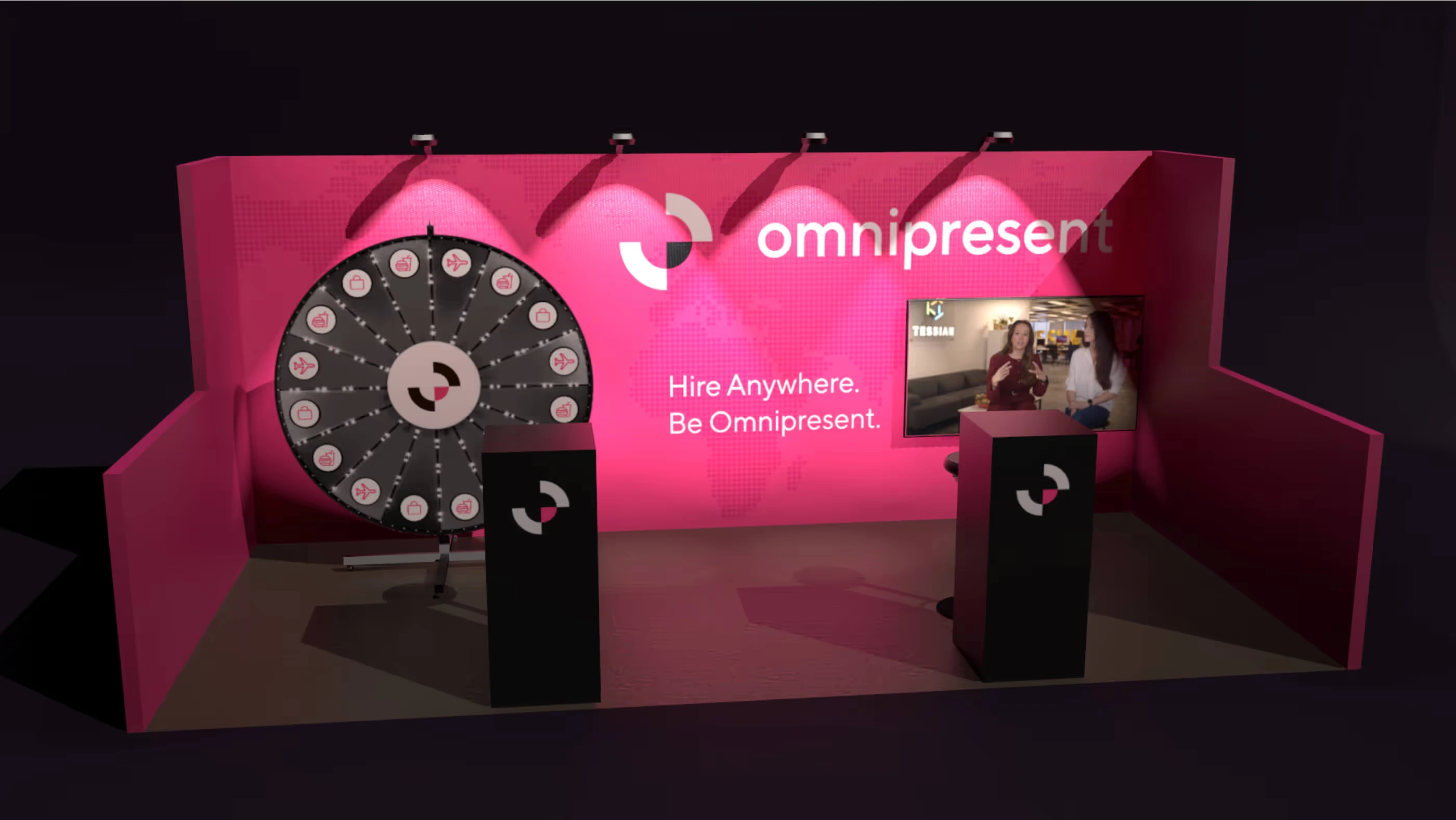
Taking the digital brand into a physical product activation
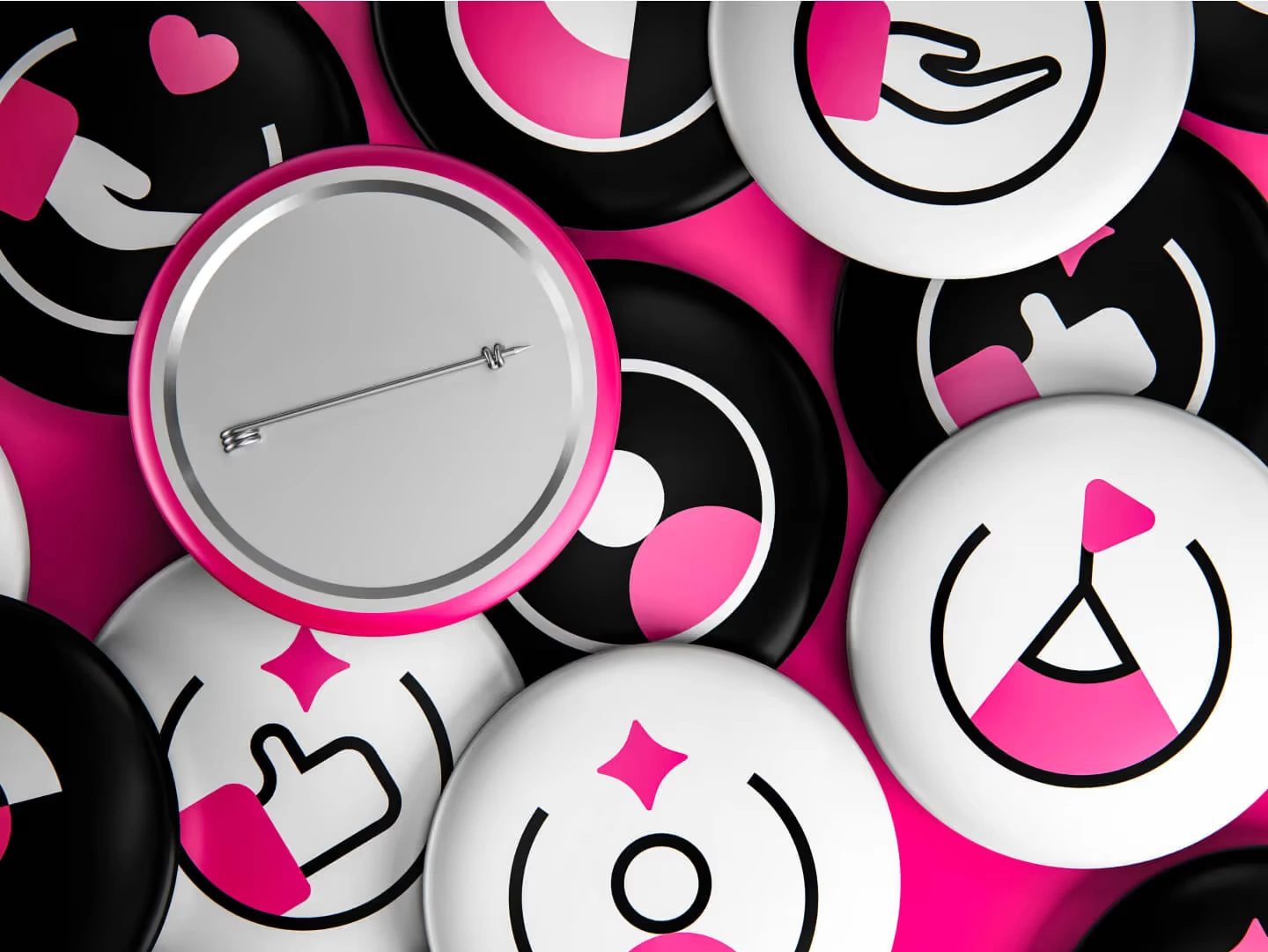
Turning company values into small, tangible pieces of internal culture
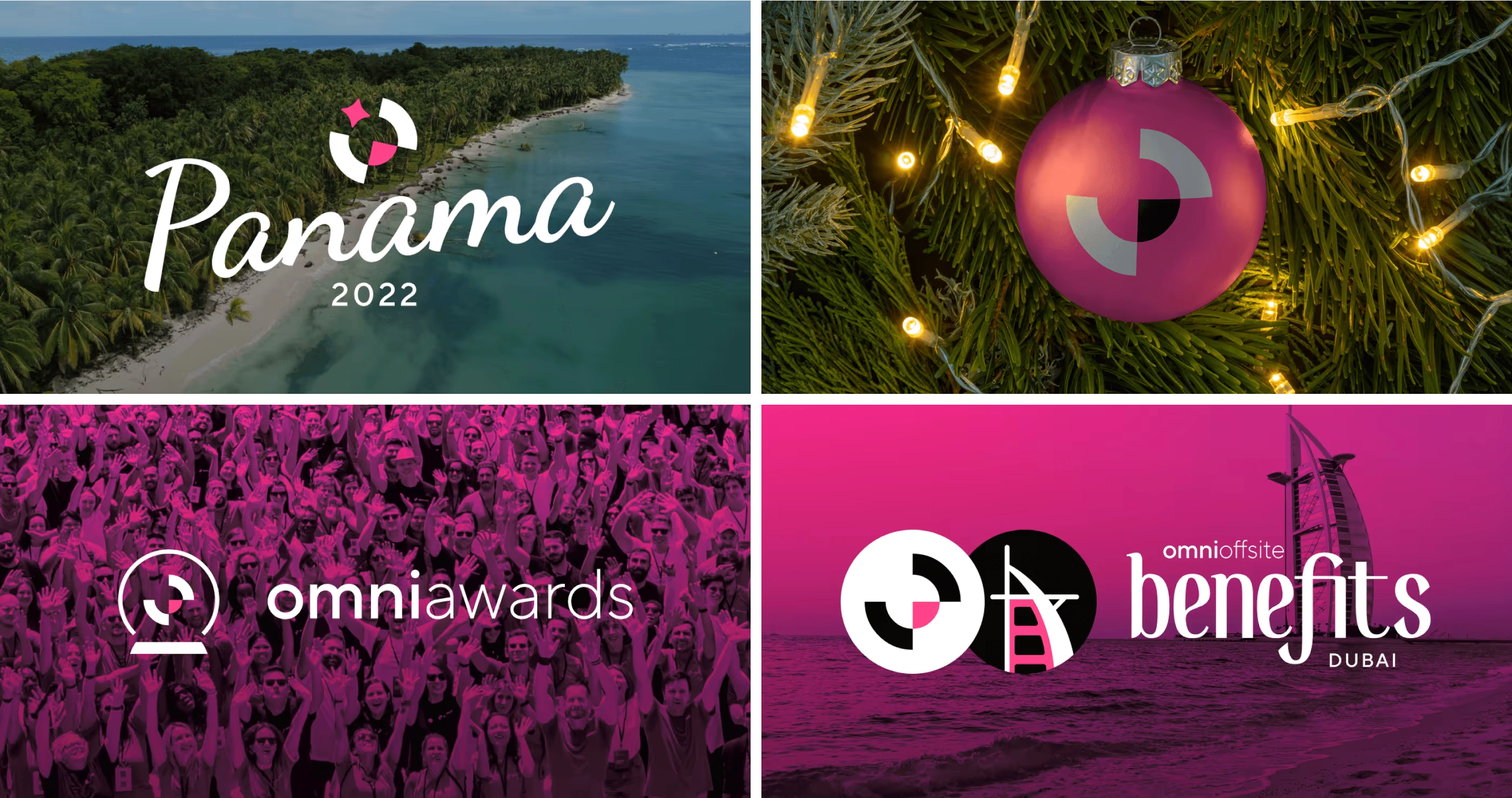
Giving internal events their own energy without fragmenting the brand
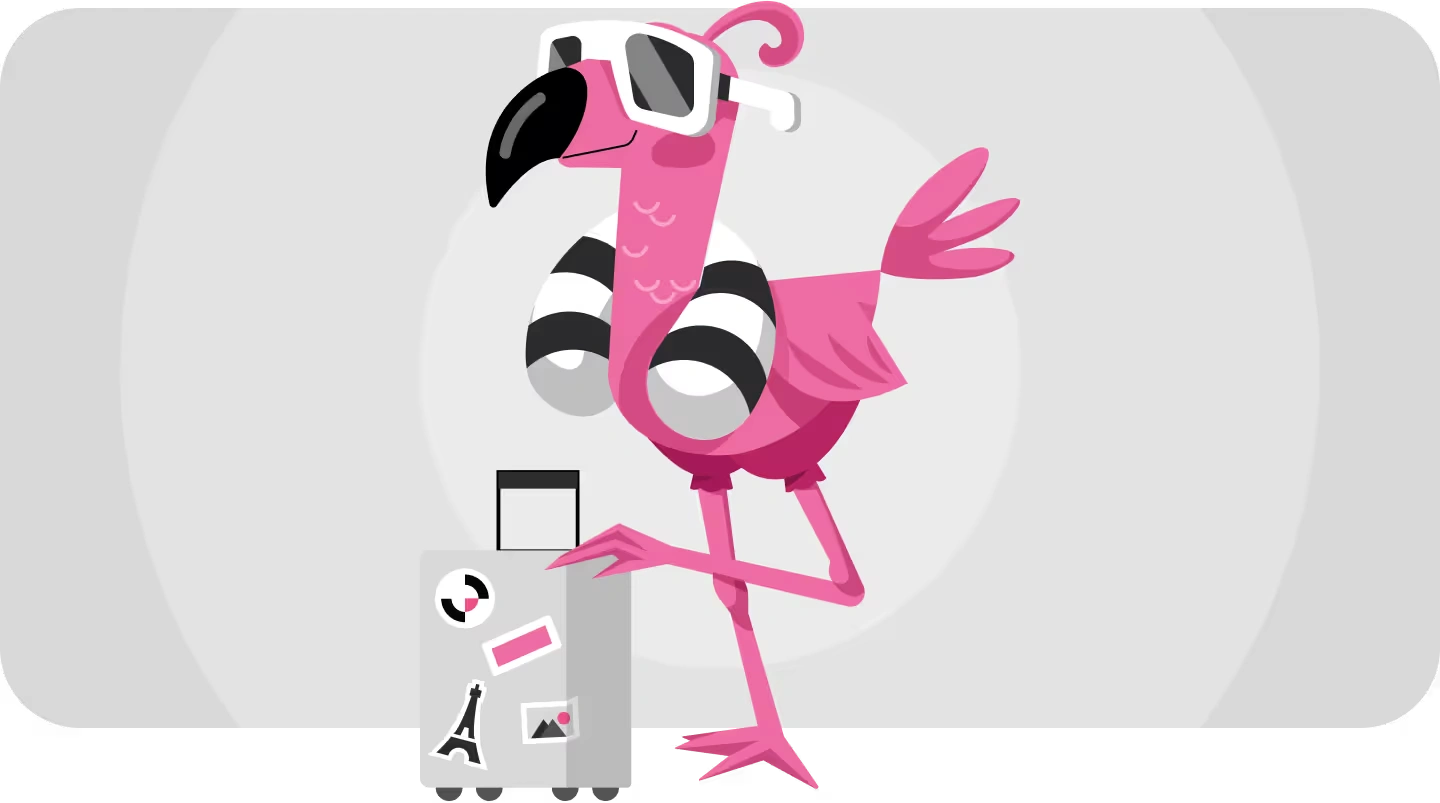
Adding a playful internal mascot to the company culture
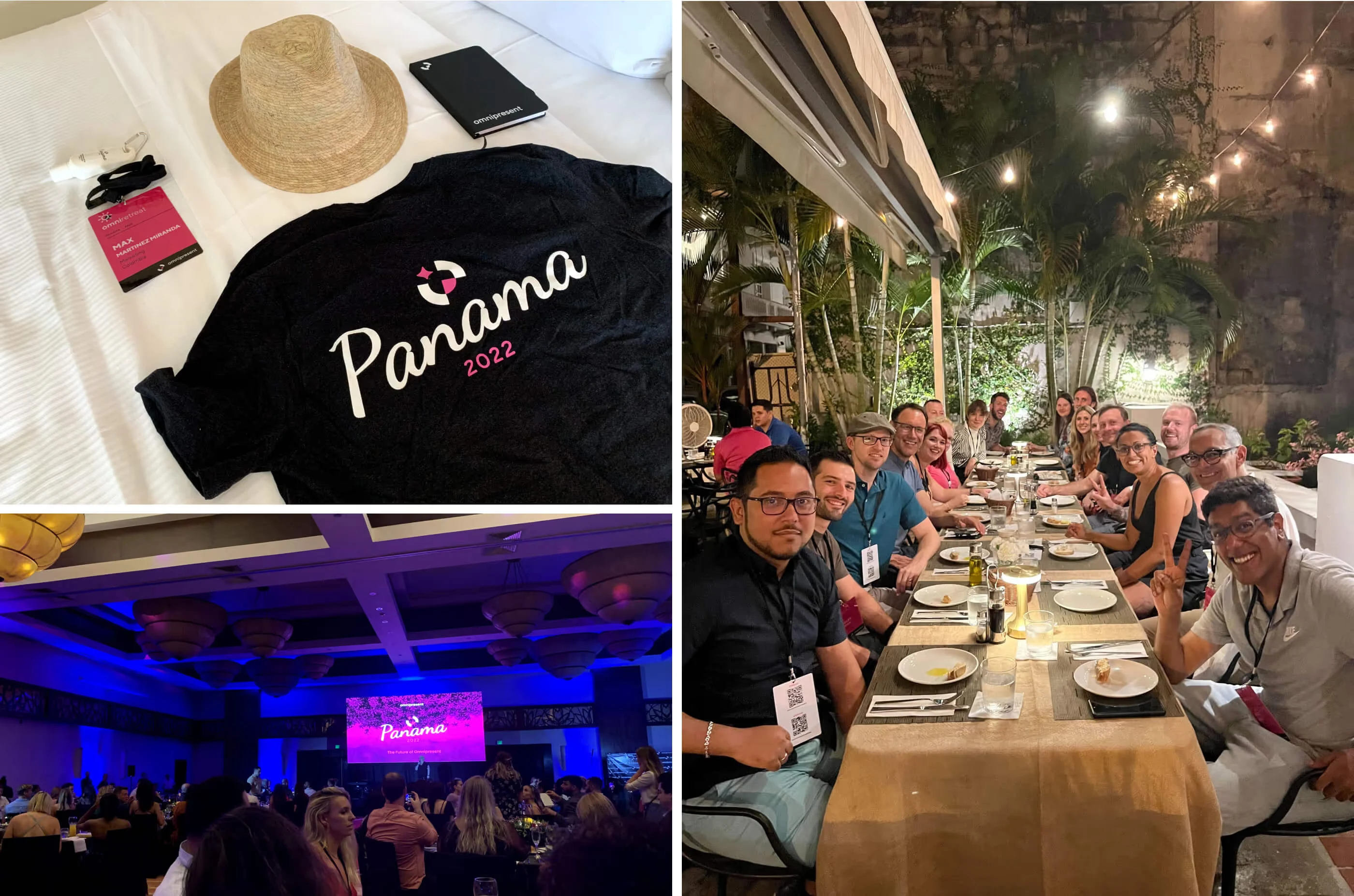
Extending the brand across a global company retreat and physical touchpoints
Outcome: From rebrand to creative system
What began as a website and brand rollout became nearly two years of building the creative infrastructure behind a rapidly growing company.
We launched and continuously expanded the marketing site, introduced new digital products and content experiences, created campaigns and sub-brands, supported an increasingly specialized marketing organization, and gave teams more autonomy to work with the brand themselves.
The strongest outcome was not any single page or campaign. It was a system capable of keeping up with the company. Omnipresent was later acquired by Deel.
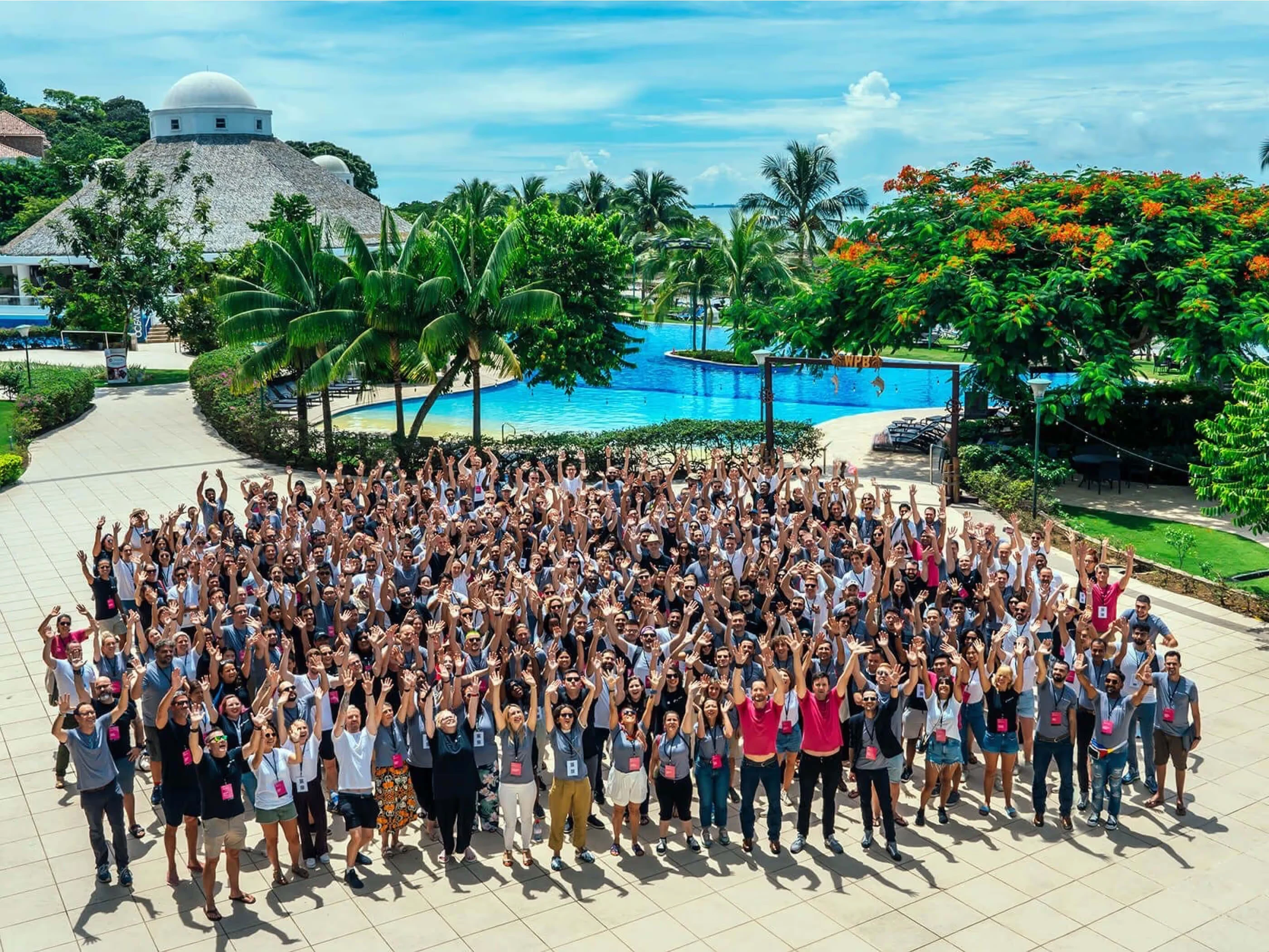
A distributed company brought together after a period of rapid global growth
"Max built a distinctive brand from the ground up and provided great creative direction across brand, product, and project design."
— Linda Wang, Head of Marketing
"Max combines technical expertise with a deep understanding of branding and marketing."
— Jason Roach, Webflow Developer
Full case study (with videos): https://www.maxmartinez.com/work/omnipresent
0 likes · 35 views · Jun 12, 2024
Creative lead for Omnipresent, a global employment platform later acquired by Deel. Over nearly two years of hypergrowth I led the brand rollout, website design and Webflow build, product experiments, campaigns, and creative operations as marketing grew roughly tenfold.

