3 Books for Unhinged Daughters Blog Post

Lundy Hawthorne

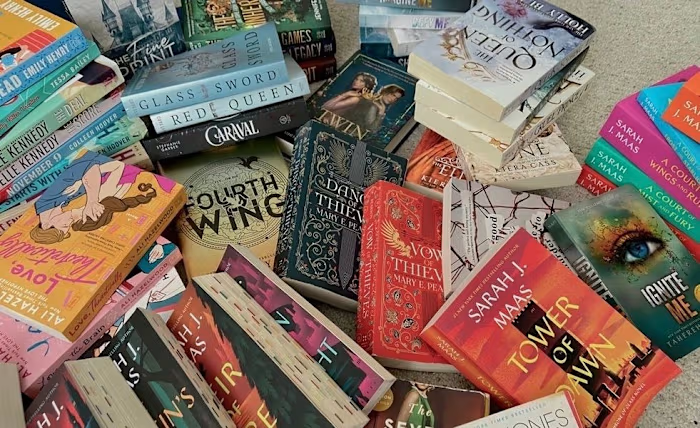
What better day than Mother’s Day to think about all the books I’ve read centered around a tumultuous mother-daughter relationship? Moms are typically our biggest supporters but at times can feel like our harshest critics too. As we get older, it’s inevitable we’ll butt heads with our parents over what we think is best for our lives. We have to make our own mistakes to truly learn from them. What we don’t often understand is that our parents are doing the same thing. They have to learn along the way just like we do. In these specific books, the relationship displayed is strained at best and volatile at worst. However, even the most violent story has its relatable elements.
Now, before we get started, I just want to say I love my mom. She has always been someone I can count on, but as I’ve grown older and came into my own person, our relationship has changed. I don’t depend on her like I once did, and I see her for her own person, not just an extension of myself. She’ll always be my mom, but she’s also a human with her own flaws. Even though I have a healthy relationship with her, I still related to the daughters in these stories. If any of these books are added to your TBR, consider subscribing for more book recommendations!
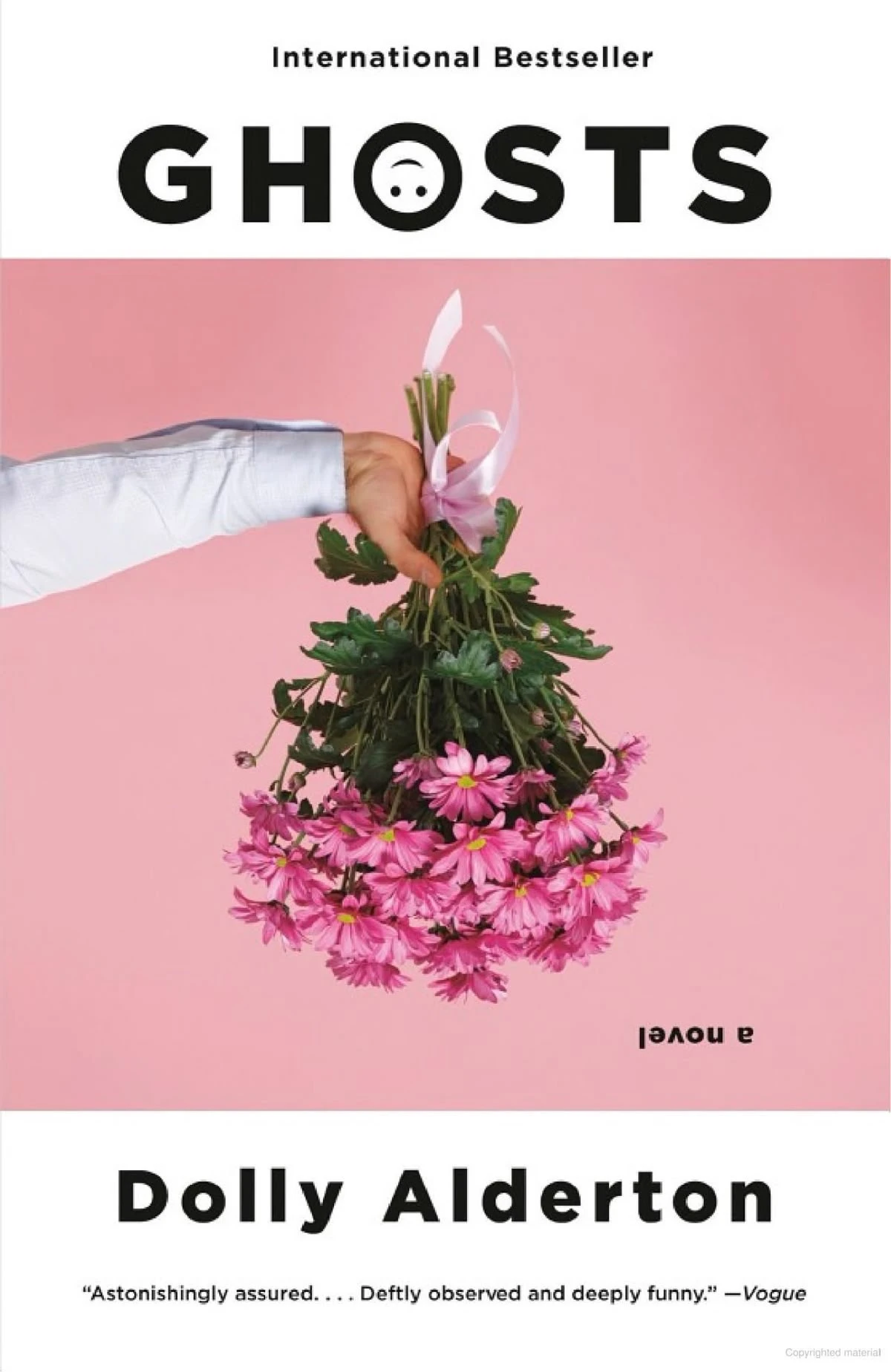
Ghosts by Dolly Alderton
3.9/5 on Goodreads, contemporary romance
“I would make a strong case for the argument that every adult on this earth is sitting on a bench waiting for their parents to pick them up, whether they know it or not. I think we wait until the day we die.”
― Dolly Alderton, Ghosts
Ghosts is centered around Nina Dean, a successful cookbook author, who’s ready to get back into dating after being single for two years. When she’s ghosted by a man she’d been seeing, Nina begins to understand that men and women are operating under different rules and timelines when it comes to love, marriage, and children. These thoughts are brought into stark relief by her parents’ relationship and 20 year age gap.
The main conflict between Nina and her mother is their different ways of dealing with her father’s dementia diagnosis. Nina is critical of her mother changing the name she goes by, the friends she keeps around, and her approach to her husband’s health. In her eyes, her mother is going through a dramatic mid-life crisis, and she’s alone to handle her dad. In the end, Nina realizes that her mother is struggling with her identity because she doesn’t know her adult self without her husband.
Like any typical mother-daughter relationship, Nina had to come to terms that her mother is her own person with a past, and she herself was a victim of the rules women often follow when it comes to love and marriage. She married young and had a child because she felt obligated to, and that kept her from forming her own identity outside of being a homemaker.
Pink Slime by Fernanda Trías (trans. Heather Cleary)
3.6/5 on Goodreads, dystopian fiction
“Not long ago, we could barely spend five minutes together. Her double-edged questions, her benevolent campaigns to control my life. You can’t wish so intensely for someone else’s well-being. It’s monstrous; aggressive, even.”
― Fernanda Trías, PinkSlime
In a costal South American town, a plague has broken out from algae in the water. With every gust of wind, the plague travels farther inland, infecting people, animals, and plants. Food is dwindling, and people are feeling the effects of isolation. Our main character isn’t given a name, which makes it even easier to insert yourself into her situation. As this mysterious plague ravages her city, she does her best to tend to her relationships with her ex-husband, mother, and the child she cares for.
Despite her relationship with her mother always being strained, she feels obligated to visit her. This could be because her mother has always felt entitled to her daughter’s time and love even though she doesn’t give anything back. Our protagonist grapples with her mother depending on her while knowing she will never get the same support. She wants to be free of their toxic relationship but craves companionship and purpose. This book asks the question of what makes someone a mother and if strained relationships are better than none.
The Lamb by Lucy Rose
3.89/5 on Goodreads, horror fiction
“I wondered if we were born with something broken inside us. Maybe it was in the deepest marrow of our bones, some place we couldn't see or touch. Maybe that's why we couldn't love each other the way we were supposed to.”
― Lucy Rose, TheLamb
Content warning: this book contains cannibalism and child neglect.
In this gothic coming of age story, we follow eleven year old Margot, who lives in the forest with her Mama. They wait for people who have strayed too far from the main road to come to their cabin, and after Mama wines and dines them, she cooks them. Margot has never known another way of life. One night, a woman named Eden stumbles across their cabin, and she eventually becomes a part of their family. With the addition of Eden, Margot has to navigate her family dynamic changing and these two mother figures whose own desires often come before hers.
Margot’s learned that to survive she must go along with her mother’s ever changing moods. She’s in a constant state of isolation between her mother’s coldness and the rules she must follow to protect their way of life. Instead of teaching her daughter how best to thrive on her own, Margot’s mother has only taught her how to hide. In this isolating read, you’ll feel the claustrophobia of a world no longer suited for you and the hope that one day you can make your own way.
Closing Thoughts
While our relationships with our mothers may not exactly mirror what is displayed in these novels, we as daughters can still relate. Nina in Ghosts reminded me that my mom has her own history. She is also a daughter who once rebelled and made her own mistakes. Pink Slime reflects on the give and take of relationships, and even a mother can constantly be a taker. It’s not necessarily an inspirational story, but it does inspire you not to waste your time on people who wouldn’t spend a second on you in return. Despite her young age, adult daughters can relate to Margot coming into her own and realizing the way her mother taught her isn’t the only way in The Lamb. If you’ve read any of these books, I’d love to hear your thoughts on them. I’d also like to know what qualities you think makes someone a “mom” versus a “mother”. How do the daughters in these books relate to your lives?
Thanks for reading Lundy’s Reading Corner! Subscribe for free to receive new posts and support my work.
Like this project
Posted May 24, 2025
Reviewed books on mother-daughter relationships for Lundy's Reading Corner.
Likes
0
Views
8