AI Music Platform, Designed to Get Out of the Way

Aparajith Aradhya


Designing Beatoven.ai: an intuitive AI music generator for custom background music
Role: Lead Designer (Brand, Web & Product Design, Art Direction)
Problem
Background music plays a crucial role in elevating content. It must match the mood, theme, and vibe: stock music rarely works. Custom music creation was expensive and accessible only to large production houses.
Creators, marketers, and indie filmmakers wanted custom, royalty-free background music that matched their content's mood, but lacked the resources and technical knowledge to compose it. They also couldn't afford to hire music composers.
Beatoven.ai had created a powerful AI engine capable of generating original, mood-based music. But they needed a clear visual identity, intuitive product experience, and scalable design system to reach a larger audience, make the product popular, and attract investors.
Approach
As Lead Designer, I defined and executed every visual and experiential aspect of Beatoven.ai — from brand identity and website to product interfaces and marketing presence.
I began by interviewing users to understand their challenges and studying competitor products for insights. I defined a unified brand direction—vibrant, creative, and tech-forward—that celebrated music creation as an emotional, intuitive experience. I then established guidelines for the website and both web and mobile products, building a framework for an intuitive workflow familiar to our users. Throughout product development, we iterated extensively on features. Some stayed, others were removed to strengthen the product.
Research & Insights
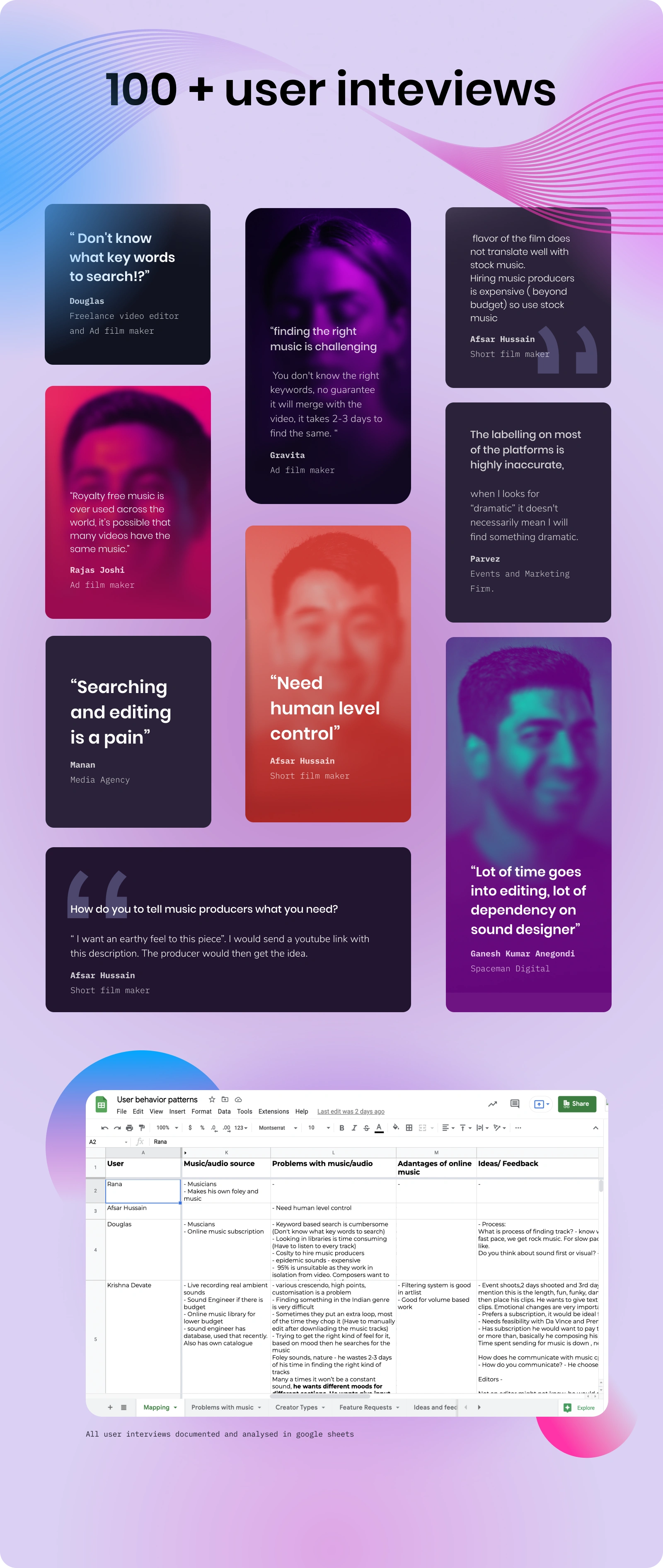
User Interviews
We interviewed 150+ creators — musicians, YouTube creators, filmmakers, and content creators — and discovered key insights:
Users struggled to search for the music they wanted. They wished they could hum it or explain it as they would to a music composer.
Finding music that matched the mood they were looking for took days. Even when they found something, it rarely matched the length they needed.
Content creators constantly faced copyright strikes.
Royalty-free music lacked the quality filmmakers needed.
They primarily worked with professional tools like Adobe Premiere and DaVinci Resolve, which became the inspiration for the product's visual and interaction style.
Music creation needed emotional depth, not just automation. Users wanted to feel in control — they preferred mood-driven inputs like "uplifting," "dreamy," or "intense" rather than technical ones.
The brand needed to feel creative yet credible. Our audience ranged from indie YouTubers to ad agencies — visuals had to balance fun and professionalism.
Solution
I designed a cohesive design ecosystem that powered the brand, website, and product experience. I simplified the product workflow so that even a child could use it to create music. I iterated on features, studied usage patterns, and solidified the core functionality.
"The product is so intuitive, our kindergarten kids could create music without getting stuck anywhere! "
A kindergarten teacher
1. Product Design (Web & Mobile)
(Key features that stayed: text-based prompting to define music preferences, reference tracks, editing controls, create similar, sharing, extend and shorten, music licenses, plugin exploration, and track history, adding video to match music, themes, collaboration, and various editing options.)
Beatoven's product was designed to make AI music creation intuitive and joyful. From the Workspace to track editing screens, the interface guided users through creation with minimal friction.
Understanding the Existing Workflow
Before redesigning, I studied how creators sourced background music. Most relied on royalty-free websites — searching with vague keywords, spending hours filtering, and rarely finding the perfect fit. Once they found a track, their workflow in video editors worked well, as they could trim, loop, and sync it easily.
Their process followed three broad steps:
1. Search & Describe: Find music through keyword-based searches.
2. Explore & Select: Compare options and save potential matches.
3. Customize & Sync: Manually edit and sync tracks in video editors.
The workflow was familiar but fragmented — finding, licensing, and organizing music was slow and interrupted creative flow.
After — Redesigning the Experience
Instead of reinventing the process, I refined it — keeping the familiar flow but removing friction and adding intelligence.
The redesigned workflow became:
1. Create Track: Describe the mood or upload a reference audio or video — no keywords needed.
2. Explore & Iterate: Instantly review and refine AI-generated tracks, saving favorites.
3. Edit Track: Adjust energy, duration, and structure directly in the workspace.
4. Share & Export: Share with collaborators and export ready-to-use, licensed tracks.
This new flow preserved what users already knew while solving their biggest pain points — finding the right music, managing licenses, and staying in creative flow.
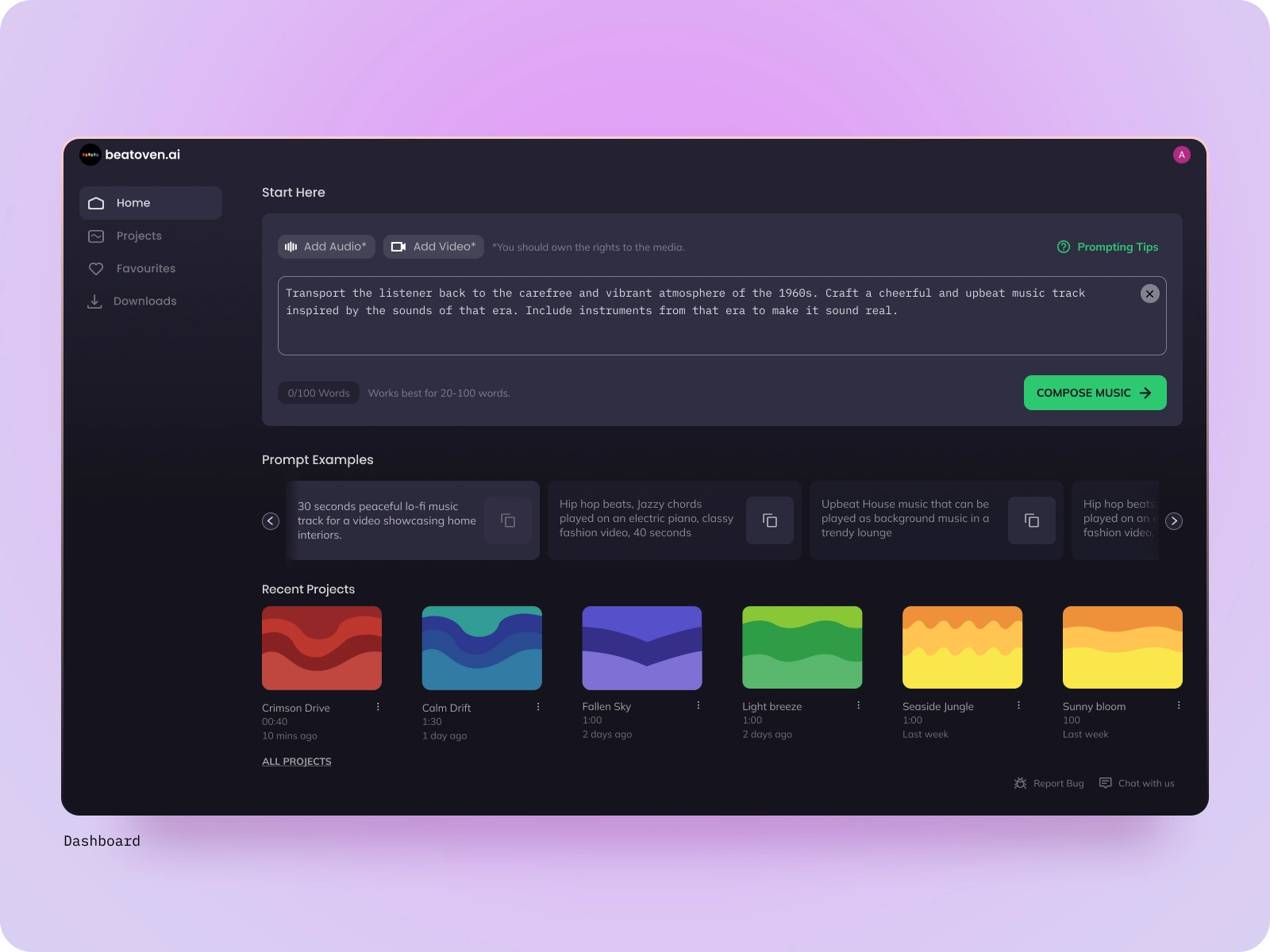
Dashboard
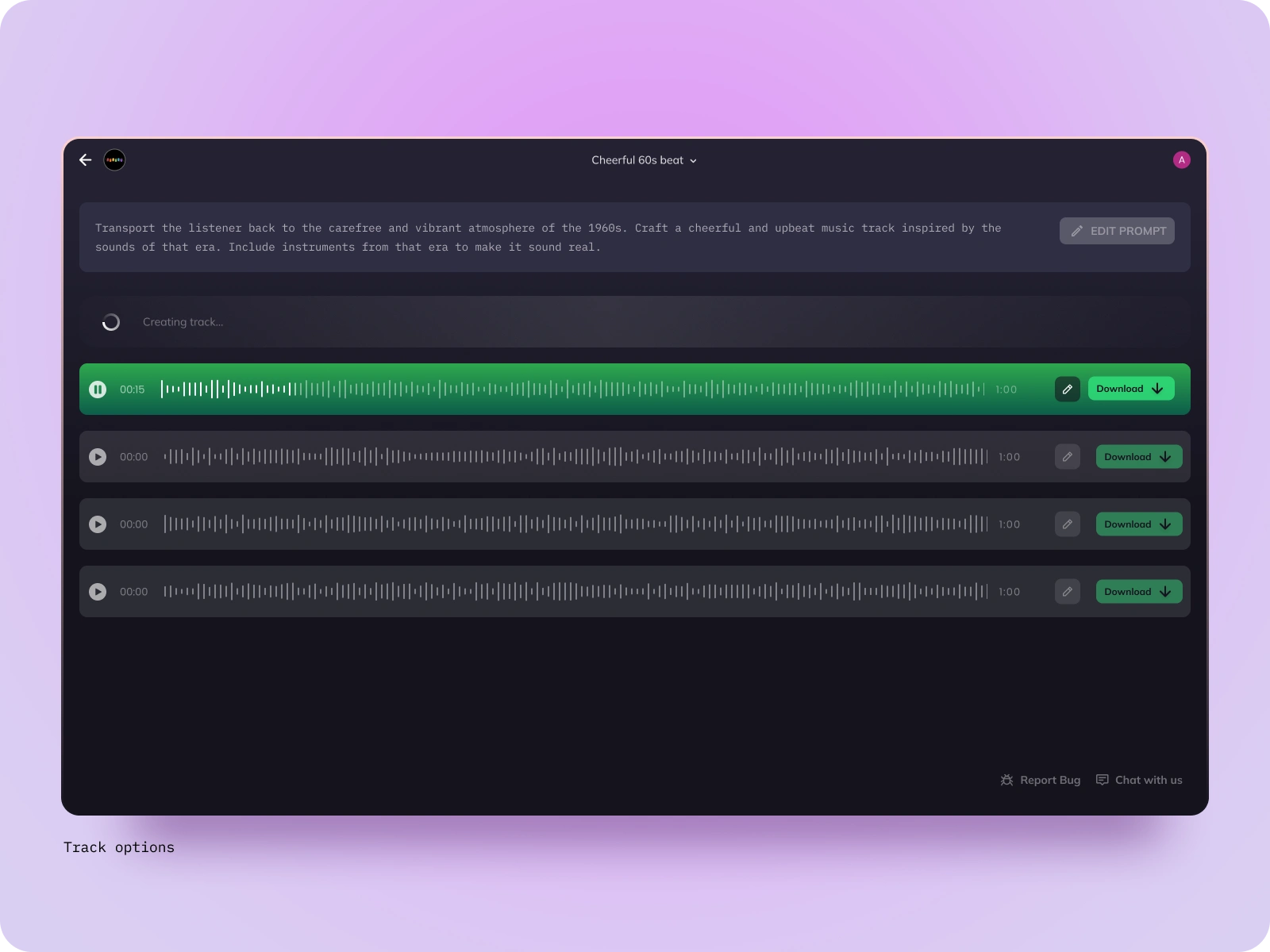
Track options

Track editor
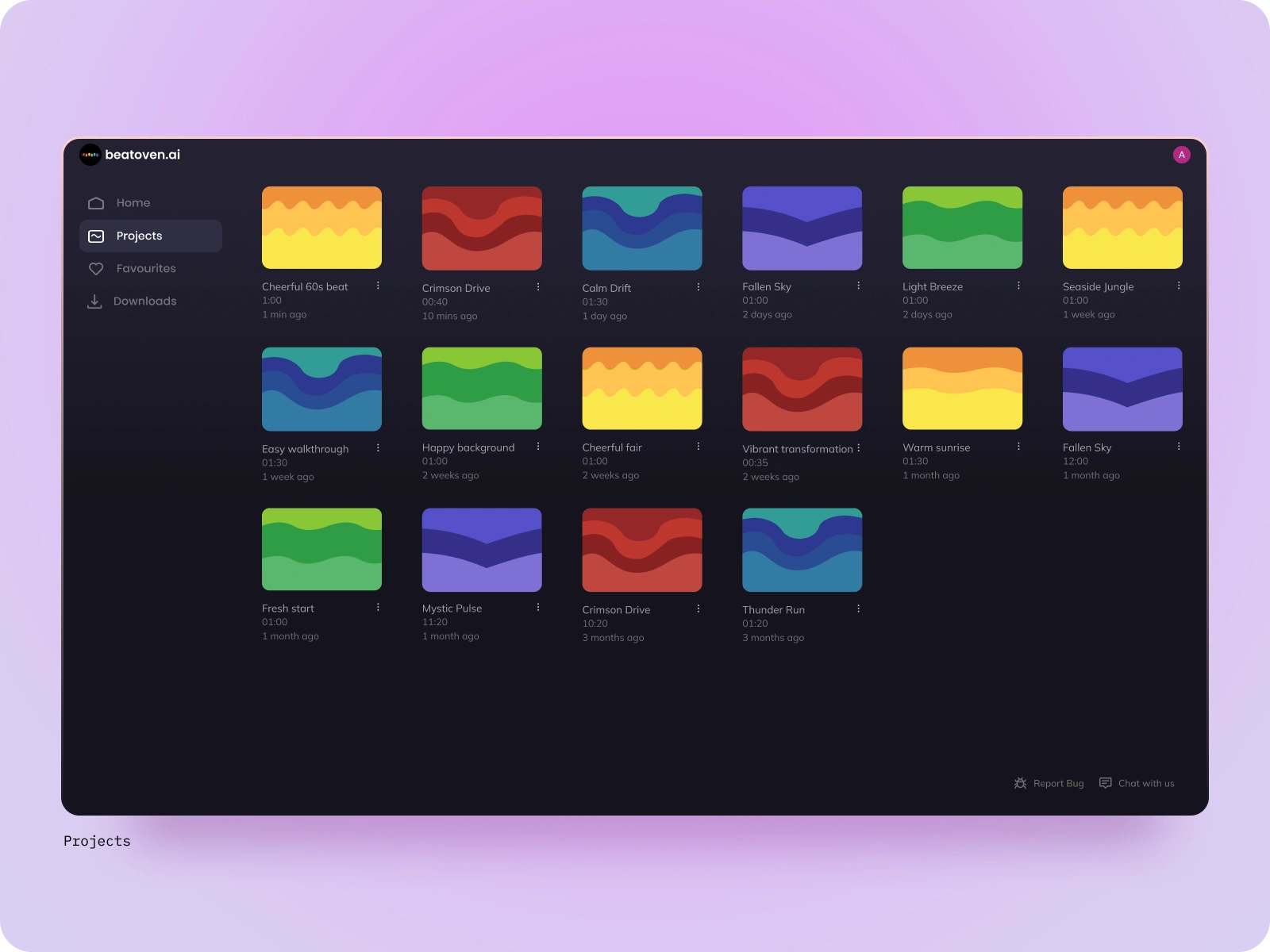
Projects
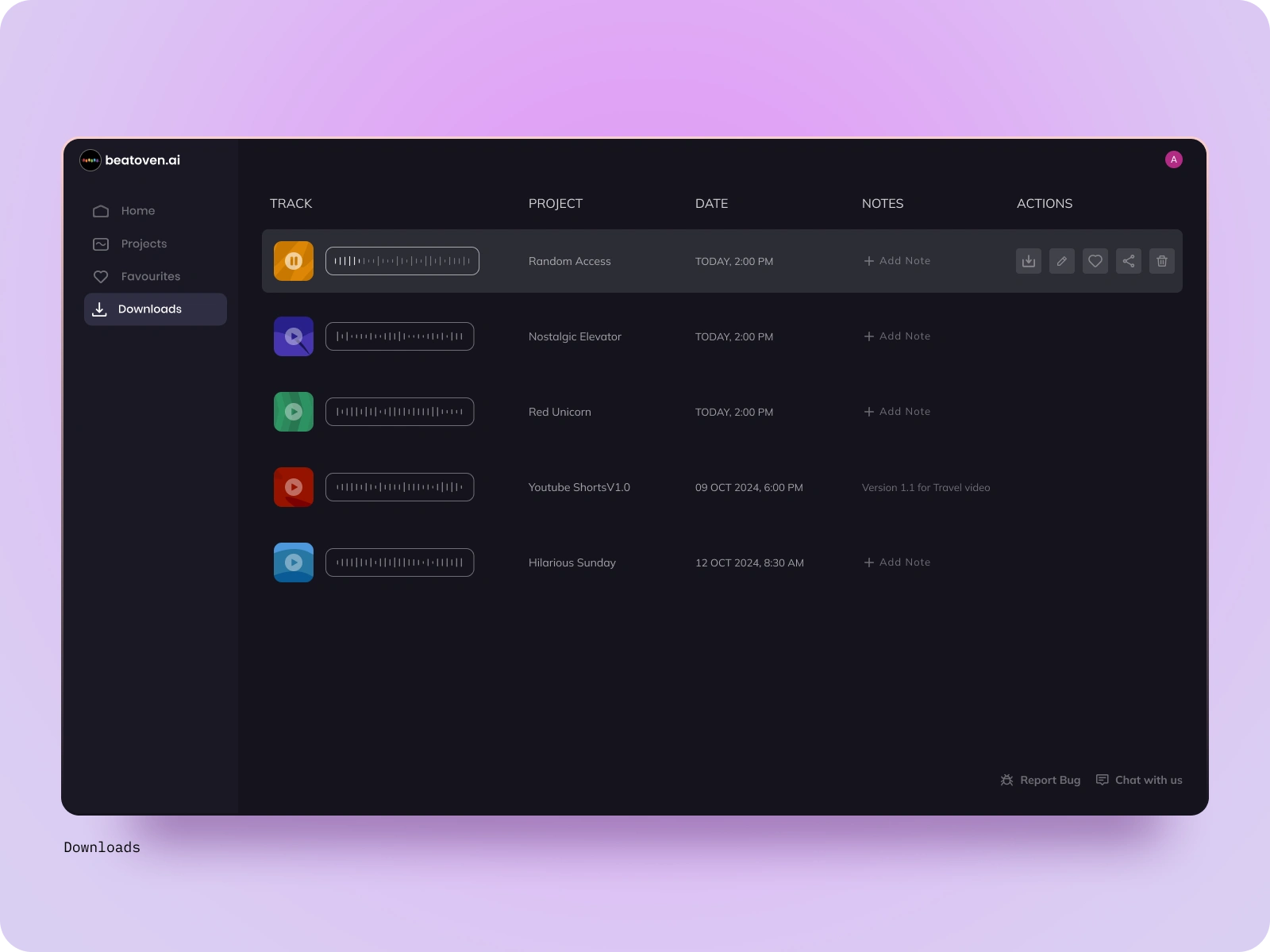
Downloads
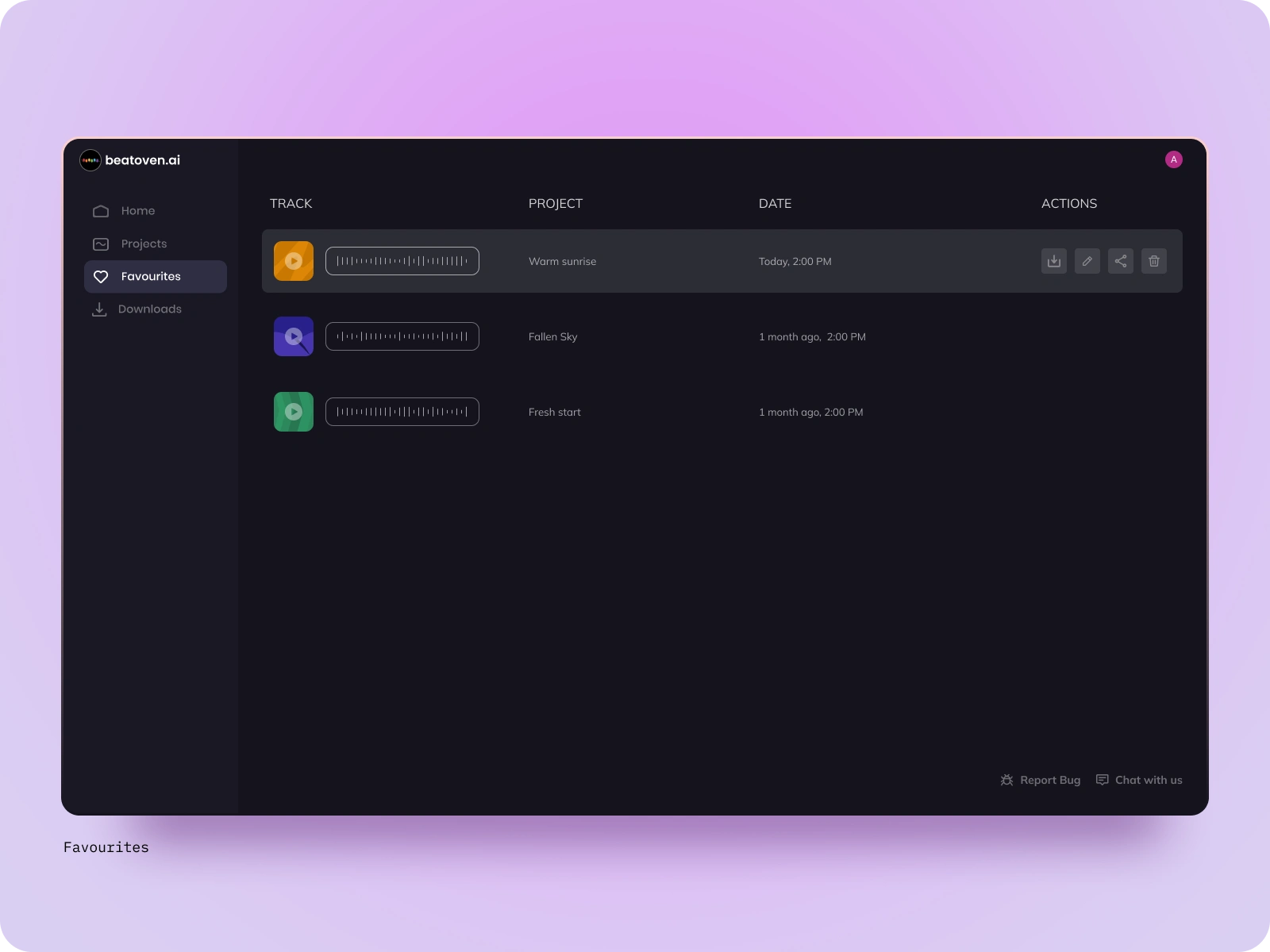
Favourites

Shared track

Mobile UIs
2. Brand & Visual Language
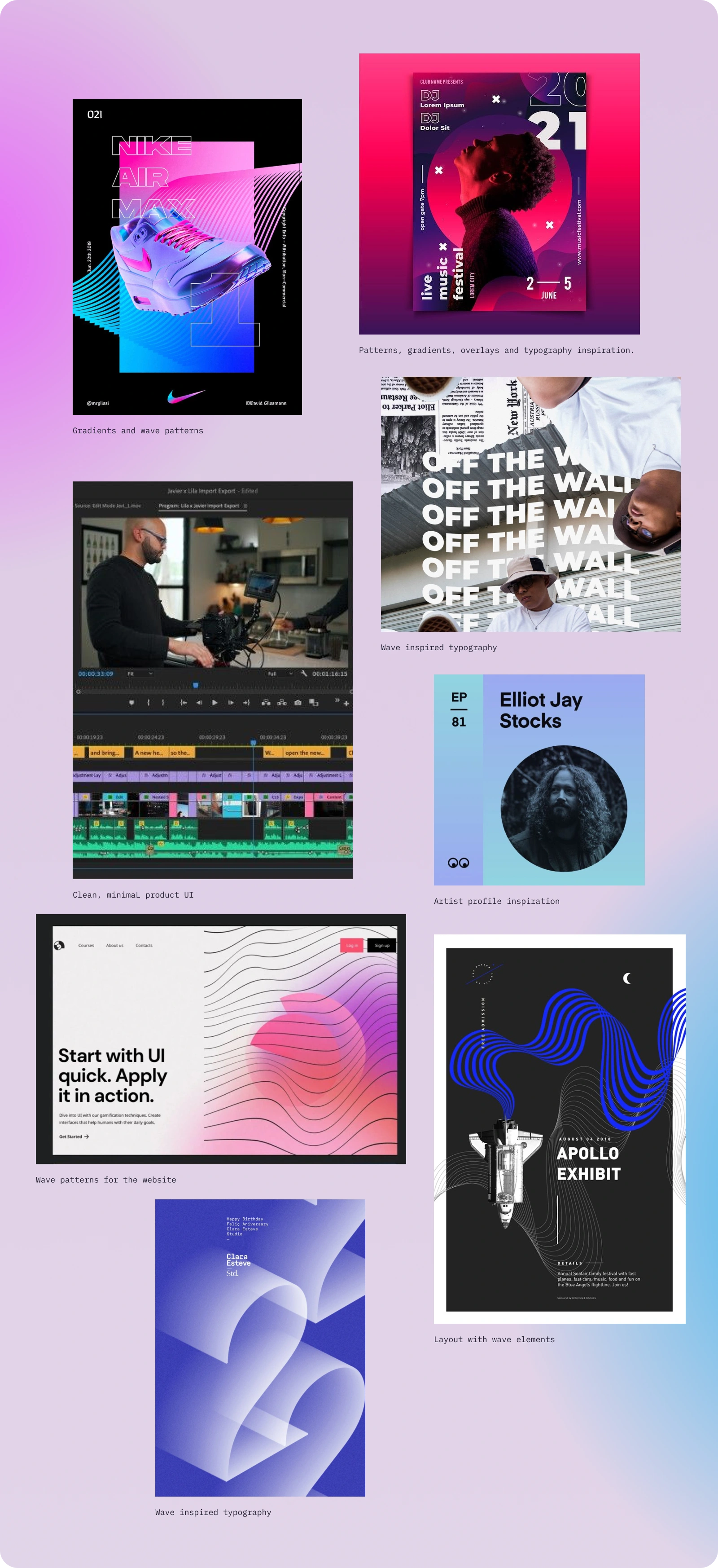
Moodboard
The visual identity reflected creativity and technology — gradients inspired by sound waves, clean typography, and expressive motion. I chose a dark mode so that neon and bright colors could pop. The product was simple and intuitive, while social media and the website were energetic and vibrant.
I built a reference style guide and design system that could scale across multiple products — including the main app, landing pages, and marketing campaigns.

Style References
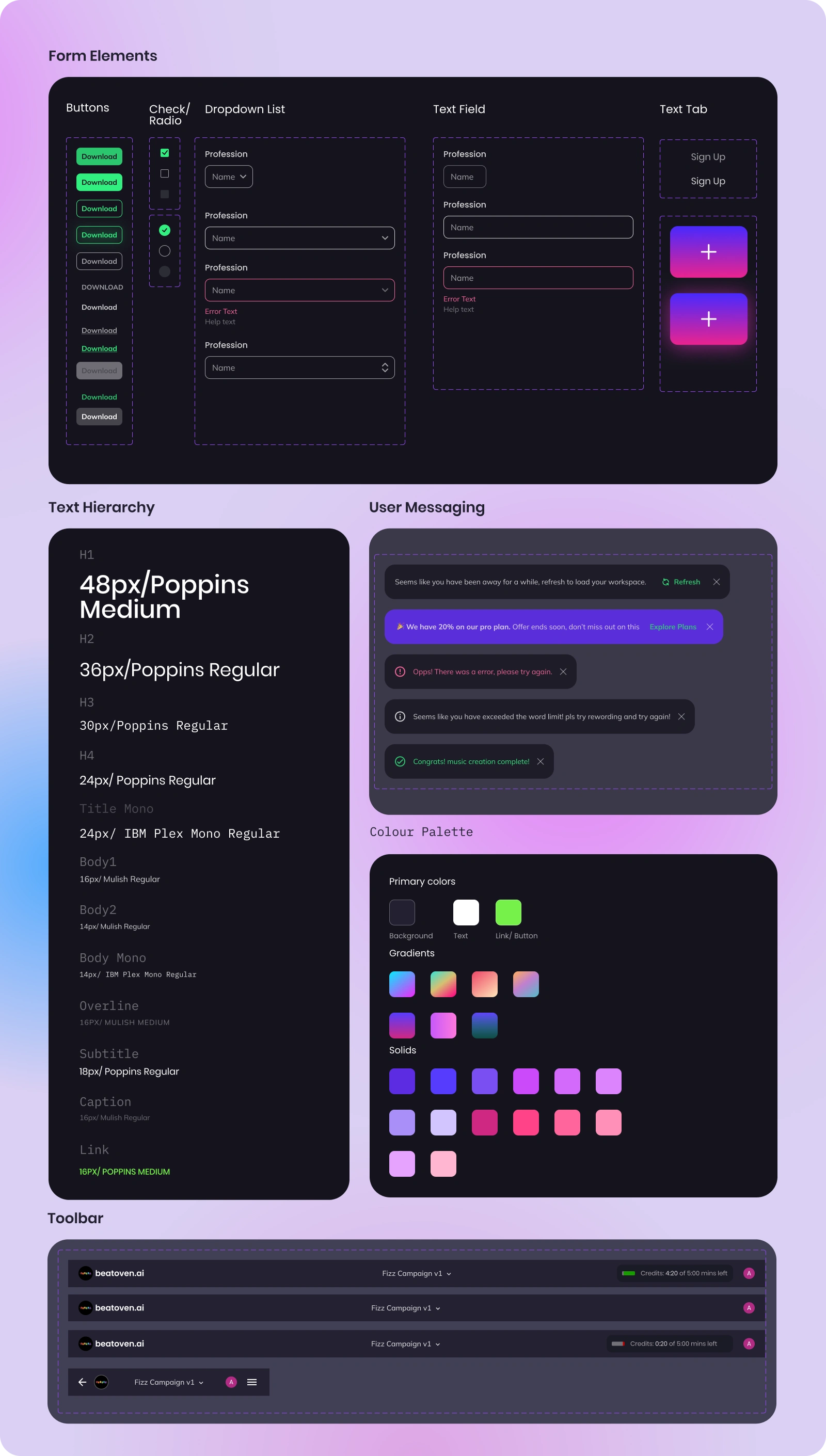
UI component library
3. Web Experience
The marketing website was designed to reflect the product’s clarity and creativity — but with added vibrancy and energy. Each section highlighted how simple it was to create original music while keeping the brand’s playful and approachable tone. We also spotlighted artist contributions to reinforce Beatoven.ai’s position as one of the few ethical AI music companies. I proposed a hands-on approach where users could start creating a track right from the homepage, allowing them to experience the product’s capability firsthand.

4. Merchandise & Brand Collateral
To strengthen the identity, I extended the visual language into merchandise and social media — ensuring every touchpoint felt consistent and expressive. The t-shirts were a big hit! Musicians and students kept asking for more. Beatoven became a popular name in the community.
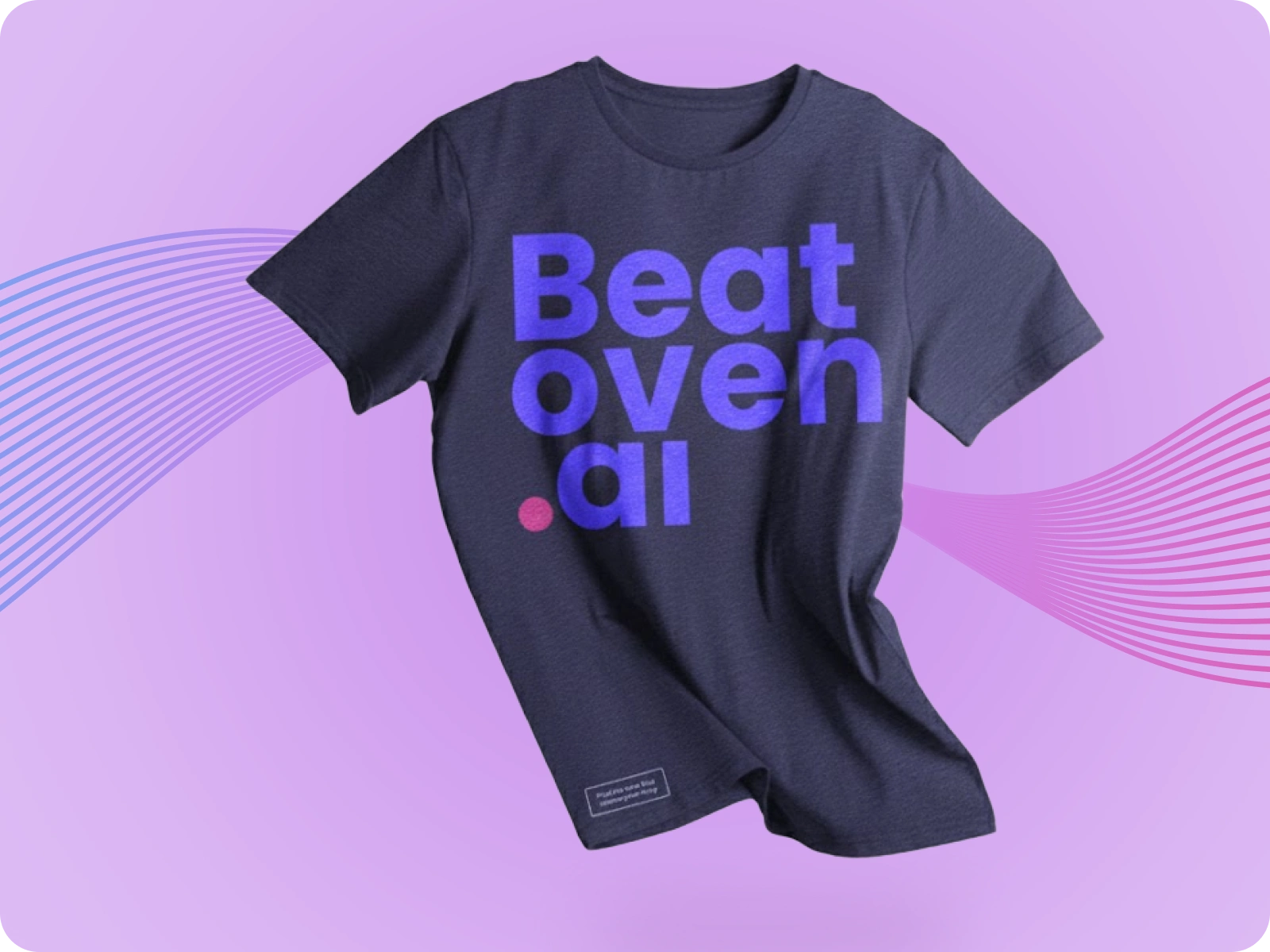
t-shirts
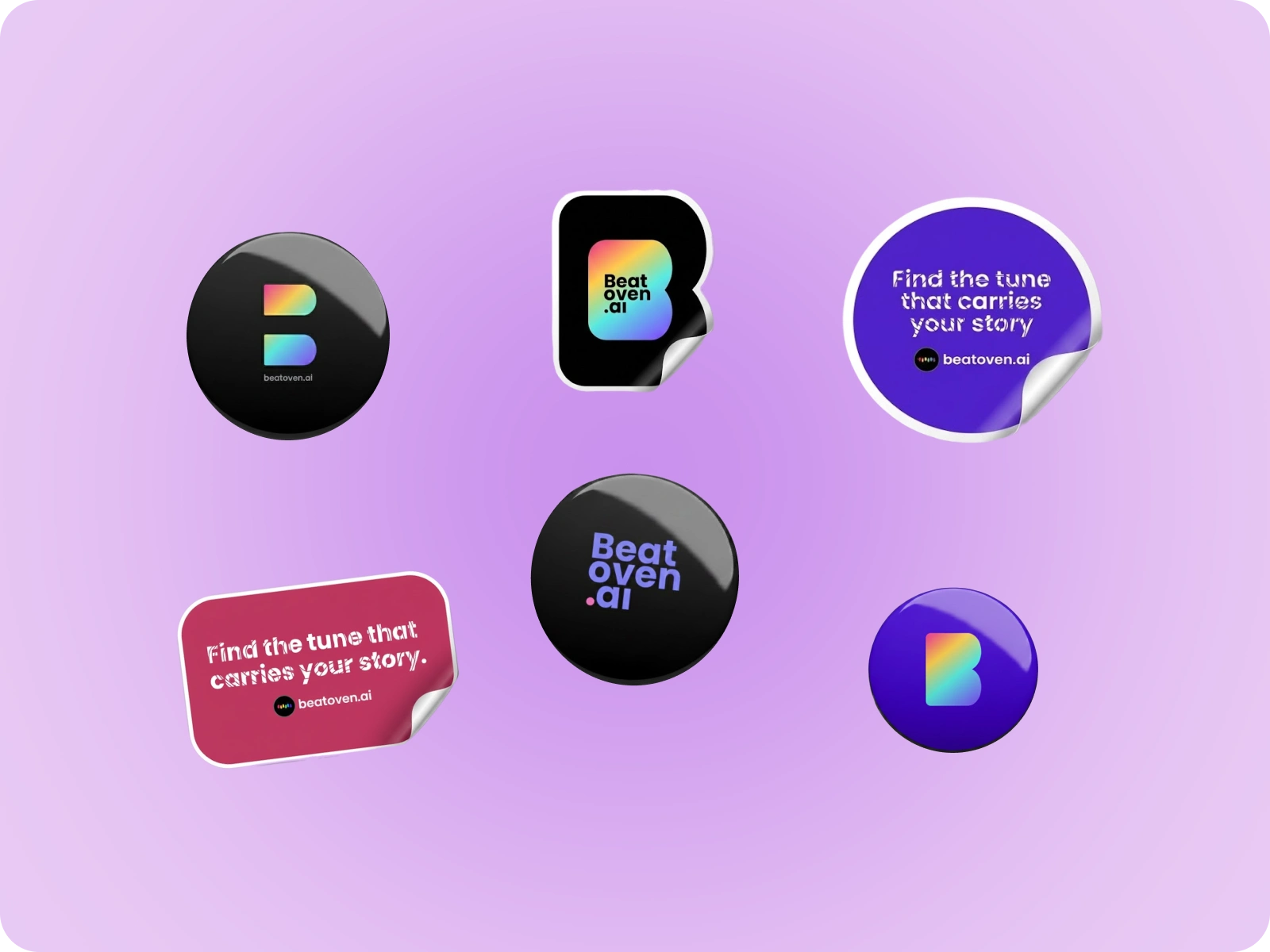
Stickers and buttons
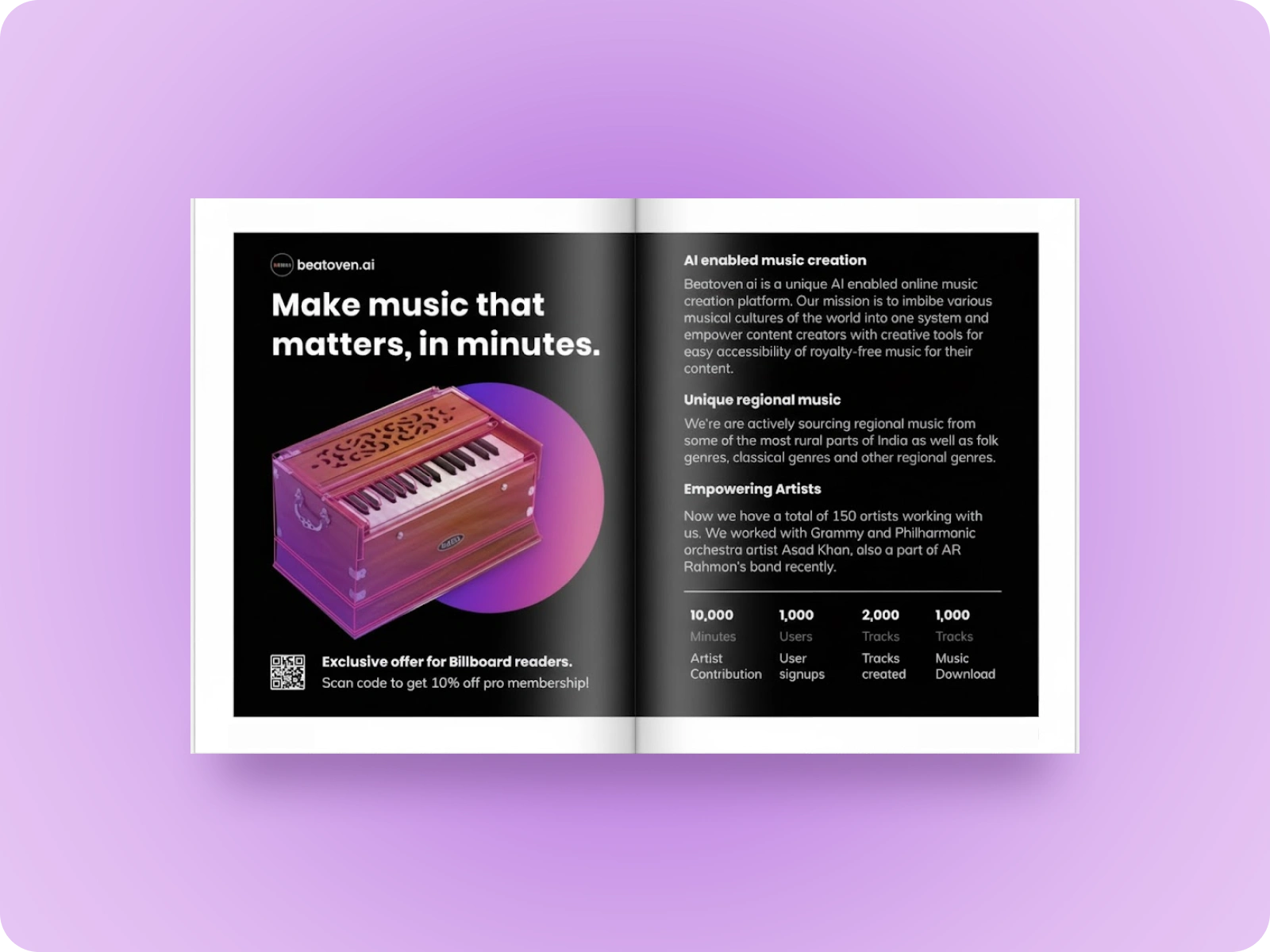
Magazine advertorial layout for Billboard
I also set motion and video guidelines for brand films, defining rhythm, typography movement, and visual pacing.

Storyboard for a promotional instagram reel
Outcome
Beatoven.ai launched with a bold identity and user-friendly product that resonated with creators and professionals alike. The platform saw significant growth in engagement, and the brand became synonymous with AI music that feels human.
My Learning
A scalable design system builds creative freedom, not restriction.
Music interfaces must translate emotion into usability — minimal friction, maximum delight.
Aligning brand, product, and marketing under one unified design language creates a strong, memorable impression.
Like this project
Posted Dec 23, 2025
I led design, defining the brand, product experience, and design systems while setting the visual and creative direction across web, mobile, and marketing.