Transforming AWS Management with Terraform for a Startup

Olawale Tofade


Case Study: Transforming AWS Management: A Startup's Journey with Terraform as IaC
Background
This study focuses on a startup struggling with managing its AWS-based infrastructure due to predominantly manual configurations. The infrastructure includes databases, servers, Amazon ECS services, Kafka, Lambda, Secret Manager, SQS, VPN, S3, Datadog, and other networking components. The manual approach was prone to human error, time-consuming, and inefficient, necessitating a more reliable and efficient infrastructure management solution.
Solution
To address these issues, we decided to adopt Infrastructure as Code (IaC) and evaluated various IaC tools. Terraform was selected for its flexibility, support for multi-cloud environments, versioning capabilities, and simplification of infrastructure management and orchestration.
A Terraform repository was created and hosted on GitLab CI, serving as the single source of truth for infrastructure creation and maintenance. This repository was organized into different modules specific to various components and services within the infrastructure:
VPC Module: Manages subnets and other networking components.
Aurora Module: Manages databases.
Kafka Module: Manages Kafka and its components.
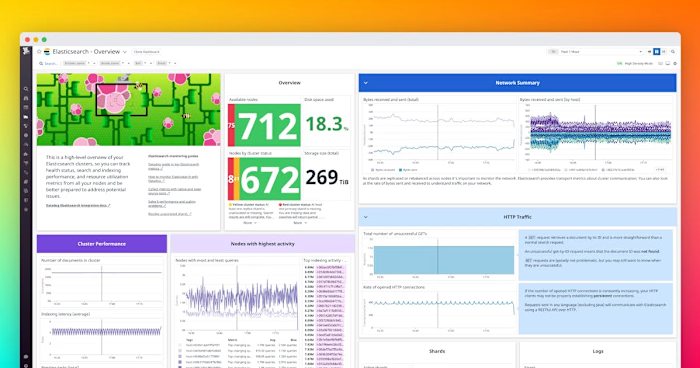
Datadog Module: Manages creation of Datadog alerts, dashboards, and integrations.
Other Modules: Includes API Gateway, ECR, WAF, etc.
A CI/CD pipeline was established for the repository to automate the application of Terraform modules on AWS, eliminating human error. Any change in the codebase triggers the pipeline, applying the changes to the infrastructure automatically. Modules were versioned to track changes and manage rollbacks effectively.
To maintain the desired state of the infrastructure, the state file was hosted in an S3 bucket, and DynamoDB was used to lock the state file, preventing concurrent modifications that could lead to conflicts or data corruption.
Benefits
Disaster Recovery: Terraform enables the team to restore infrastructure to its previous state swiftly in case of incidents. The entire infrastructure can be recreated within minutes, mitigating issues during recovery.
Documentation: The well-structured Terraform code serves as documentation, helping the team understand the infrastructure topology and interconnections of components.
Reduction of Human Error: Automating infrastructure management with Terraform reduces human error, providing consistent and reliable infrastructure management.
Developer Focus: Using Terraform allows developers to focus on application development rather than infrastructure management, enhancing productivity.
Lessons
Tool Selection: Choosing the right IaC tool is crucial. Terraform's support for multi-cloud environments and its flexibility proved invaluable.
Automation: Automating infrastructure management eliminates human errors and ensures consistency, leading to more reliable operations.
Version Control: Maintaining versioned modules allows for easy tracking of changes and efficient rollback mechanisms, crucial for managing infrastructure at scale.
State Management: Proper state management using S3 and DynamoDB locks is essential to prevent conflicts and ensure data integrity.
Documentation: Well-written IaC code doubles as documentation, aiding in team understanding and onboarding.
Conclusion
Adopting Terraform for infrastructure management transformed the startup's approach to handling its AWS-based environment. The automation and consistency provided by Terraform significantly improved reliability, efficiency, and scalability. The ability to version control infrastructure changes and good disaster recovery mechanisms further enhanced operational resilience.
Like this project
Posted Apr 14, 2025
Transformed AWS management using Terraform for a startup, enhancing efficiency and reliability.
Likes
1
Views
0
Timeline
May 5, 2023 - May 30, 2023