The Cost of War and the Value of Peace

Crimson Writes


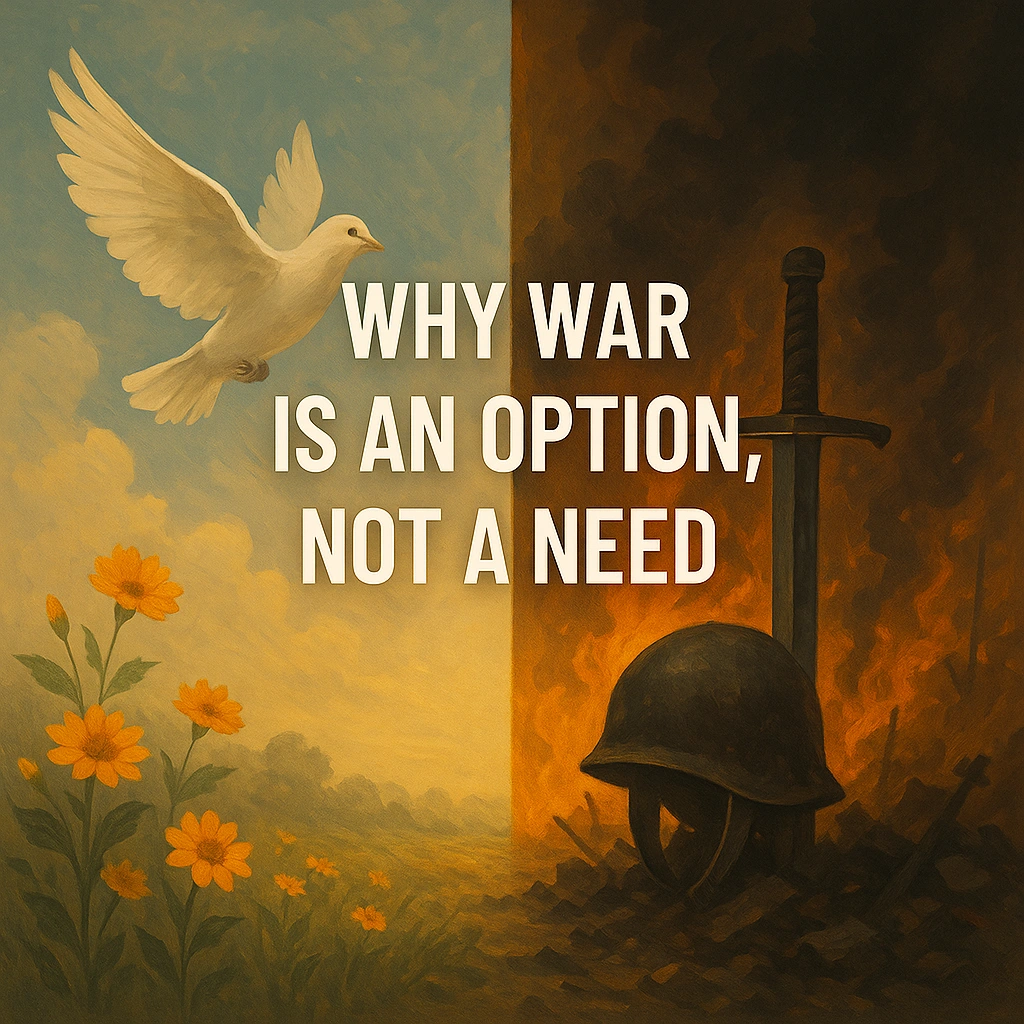
War has been seen both as a necessity and an inevitability throughout history. This view needs careful scrutiny. War is not a basic requirement of civilization; it is a choice made when diplomacy fails, when greed takes over, or when extreme ideologies prevail. Celebrating war as a means of change ignores the human, economic, environmental, and psychological harm it causes. The immediate effect of war is human suffering. Armed conflicts result in the loss of countless innocent lives, displace millions, and leave survivors traumatized. Civilians bear the impact of modern warfare, not just soldiers. From Syria to Ukraine, war illustrates that no strategic gain can justify the lives lost or the homes destroyed. Families are broken apart, communities suffer, and children grow up in fear. War also acts like a black hole for economies. Countries spend billions on weapons, maintaining armies, and rebuilding what has been destroyed. These resources could have been used for education, healthcare, innovation, or addressing climate change. The aftermath of war often drags nations into recession, high debt, and a long-term need for foreign aid. Economies falter, trade is disrupted, and poverty rises. The environmental toll of war is another serious issue. Explosions, deforestation, chemical spills, and resource depletion leave ecosystems damaged. Conflict zones can become barren wastelands, with recovery taking decades or longer. Climate goals are jeopardized when national priorities shift from sustainability to mere survival. Furthermore, war promotes political extremism. It fuels nationalism, radical thinking, and distrust between nations. Instead of encouraging cooperation, it deepens divides and extends hostility. While post-war agreements may stop the fighting, they often do not mend the psychological scars and ideological splits that last for generations. War does not solve conflict; it postpones and often intensifies it. The psychological impacts of war on individuals can be lasting. Soldiers may face PTSD, depression, and thoughts of suicide. Civilians may develop ongoing anxiety and distrust in institutions. Children raised in war zones lose educational opportunities and can suffer mental trauma that affects their futures. Society becomes more desensitized to violence, and a culture of fear overtakes a culture of peace. War also manipulates media and information. Governments shape narratives, justify violence, and foster a twisted sense of patriotism. Propaganda replaces the truth, silencing dissent and legitimizing horrors in the name of national interest. This decline of democracy and free speech is another significant cost. Many wars in history could have been avoided. The Cold War remained intense but never turned into direct conflict because of diplomacy and deterrence. The Cuban Missile Crisis demonstrated that negotiation, rather than warfare, is crucial for survival. Peace treaties, economic collaborations, and international bodies like the UN aim to resolve disputes peacefully. In summary, war is a choice, not a necessary reality. It reveals a failure of communication, the triumph of ego over empathy, and the victory of destruction over creation. Today, our interconnected world needs teamwork, compassion, and smart solutions to address its challenges. War, with its irreversible consequences, should not be seen as a solution but rather as a last, undesirable option. Instead of gearing up for war, nations should focus on building peace. Instead of creating weapons, we should foster connections. Ultimately, the true strength of a civilization lies not in its ability to destroy but in its power to maintain, protect, and progress without violence. The Hidden Psychological Warfare Beyond bullets and bombs, modern conflicts often include psychological warfare. Nations use fear, misinformation, and cyber influence to manipulate people without firing a single shot. This invisible conflict blurs the lines between war and peace, leaving societies divided and distrustful. In such environments, suspicion thrives while diplomacy fades. Civilians become pawns, and truth becomes fragmented. When trust collapses, rebuilding nations becomes harder than defeating enemies. Economic Incentives Behind Wars War sometimes continues not out of necessity, but for profit. The military-industrial complex in many developed countries benefits from conflict. Arms manufacturers, defense contractors, and lobbying groups push for aggressive policies under the pretext of national security. These organizations profit while soldiers die and civilians suffer. When war turns into business, morality is the first casualty. This shows a systemic failure, where capitalism creates chaos instead of reducing it. The Globalization of Conflict In today’s connected world, no war stays isolated. Refugee crises spill across borders, global markets shake, and international relations worsen. A civil war in one nation influences fuel prices in another. Technology enhances this effect, making every conflict visible, politicized, and shared worldwide. The international community becomes a reluctant participant, either helping to rebuild or getting drawn into the conflict. This globalization of war means peace is no longer just a local issue; it’s a shared global responsibility. Education as a Weapon for Peace The solution to war isn’t silence; it’s understanding. Societies that teach their people about history, empathy, and diplomacy are less likely to fall into militarism. Education encourages critical thinking, tolerance, and cultural respect. Instead of glorifying heroic battles, schools should highlight the cost of war and the value of peace. Leaders shaped by knowledge instead of ego make decisions that benefit generations, not just elections. The Way Forward To make real progress, humanity must redefine power. True power lies not in control, but in restraint. It’s easy to pull the trigger; it takes strength to negotiate. Global treaties must develop, not just to prevent war, but to actively promote peace. Sanctions, dialogues, and peacebuilding missions should be the standard response to conflict. Investing in humanitarian aid, renewable resources, and technological cooperation can create alliances stronger than any army. Why Peace Matters More
Peace is not just the absence of war—it’s a way of living where people respect each other and solve problems through understanding. When there is peace, families feel safe, children go to school without fear, and people can work to build better lives. Countries can grow together and share ideas, technology, and culture. War stops all of this. It holds the world back and creates hate that lasts for generations.
How War Hurts Children and Future Generations
One of the saddest parts of war is how it hurts the youngest and most innocent—children. In war zones, schools are destroyed, and kids are forced to leave their homes. Many lose their parents. Some are even forced to fight. These children grow up with fear and anger, which can affect their whole lives. A generation born in war finds it harder to build peace because they have never seen it.
War Does Not Solve the Real Problems
People often believe war will solve big issues. But in reality, war only creates new problems. It doesn’t fix hunger, poverty, climate change, or inequality. These are the real struggles the world faces, and war wastes time and money that could be used to solve them. While governments build weapons, millions of people don’t have food, clean water, or a home. This shows how wrong the priorities are. Small Actions Can Prevent Big Wars Peace doesn’t just come from leaders—it starts with people. When people talk, listen, and respect each other, it’s harder for hate to grow. When young people learn kindness and open-mindedness, they help build a future where war is not needed. Every peaceful conversation, every kind act, and every smart decision helps prevent future conflict. If more people believed in peace, fewer wars would begin.
Final Words
War is not natural. It is a decision—one that should never be taken lightly. With the tools we have today—technology, communication, and global connections—we can choose peace. We can listen more, help more, and fight less. The future depends on this choice. War may sometimes feel like the easy way, but peace is always the right one.
Like this project
Posted Jun 19, 2025
A critique on war's impact and the importance of peace.
Likes
1
Views
2
Timeline
Jun 15, 2025 - Jun 17, 2025