The Black Death

Mohammad Malik
A Historical Overview
Introduction
The Black Death, one of the deadliest pandemics in human history, swept across Europe and parts of Asia during the mid-14th century. It left an indelible mark on society, reshaping demographics, economics, and culture. This article explores the origins, spread, impact, and legacy of the Black Death.
Origins and Spread
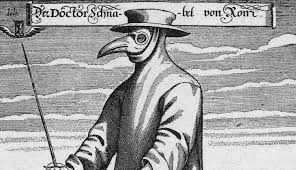
The Black Death is believed to have originated in Central Asia, likely in the region of the Gobi Desert. The bacterium Yersinia pestis, responsible for the plague, was transmitted via fleas that infested rats. As trade routes expanded, particularly the Silk Road, the disease spread rapidly.
In 1347, the plague reached Europe through merchants and their ships. The first significant outbreak occurred in Messina, Sicily, where authorities found ships arriving from the East laden with corpses and sick crew members. The disease then moved swiftly through Italy, France, Spain, and eventually into England and beyond, reaching nearly every corner of Europe by 1351.
The Plague's Toll
The impact of the Black Death was catastrophic. It is estimated that between 75 million and 200 million people died, with some estimates suggesting that up to 60% of Europe’s population perished. Cities became eerily quiet as families succumbed to the disease, and entire villages were abandoned.
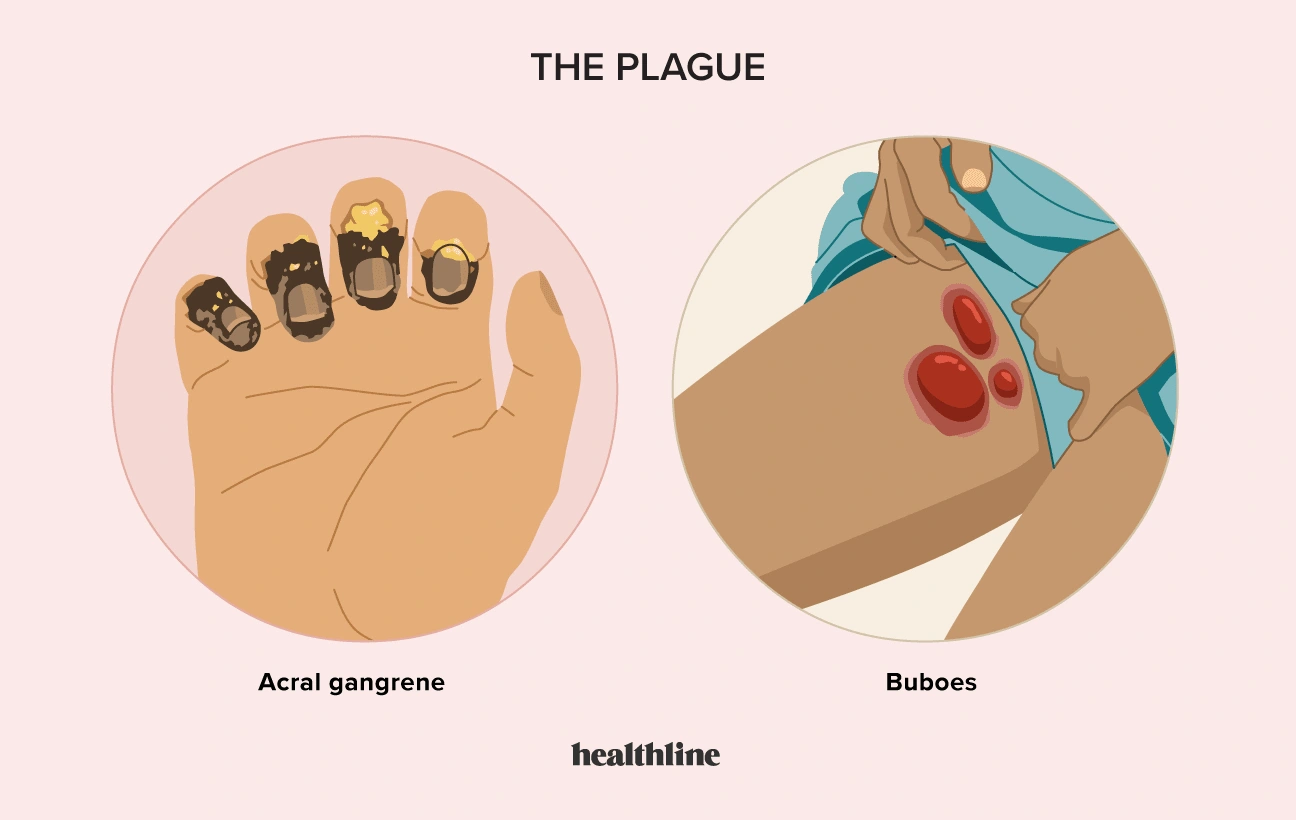
Symptoms of the plague varied, but the most common included fever, chills, weakness, and swollen lymph nodes, often resulting in death within days. The rapid spread and high mortality rate fueled fear and panic, leading to social unrest and widespread superstition.
Social and Economic Consequences
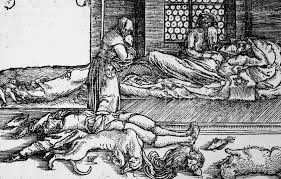
The Black Death had profound effects on European society. With a significant portion of the workforce wiped out, there was a drastic labor shortage. This shift empowered surviving workers, leading to demands for higher wages and better working conditions. The feudal system began to decline as serfs and peasants sought to improve their lot, contributing to the rise of a more modern economy.
Additionally, the loss of life prompted changes in social structures. Families were often torn apart, and the traditional community bonds weakened. Religious fervor intensified, with some believing the plague was a punishment from God. This period saw the rise of flagellant movements, where groups would publicly whip themselves in penance.
Cultural Impact
The Black Death also influenced art and literature, ushering in themes of death and despair. Artists began to explore the macabre, depicting mortality in their works. This period gave rise to the "Danse Macabre" motif, illustrating the universality of death, transcending class and status.
In literature, the plague became a backdrop for many works, including Giovanni Boccaccio’s "The Decameron," where a group of young people narrate stories while escaping the ravages of the disease. These cultural shifts reflected the deep psychological scars left by the pandemic.
Legacy
The legacy of the Black Death is multifaceted. It marked a pivotal turning point in European history, accelerating the decline of feudalism and paving the way for the Renaissance. The labor shortage encouraged innovations and changes in agriculture, leading to improved standards of living for some.
In public health, the pandemic underscored the importance of sanitation and hygiene, laying groundwork for future medical advancements. The horrific experience of the Black Death prompted governments to take more active roles in managing public health crises.
Conclusion
The Black Death was a defining moment in history, not just for its staggering death toll, but for its profound societal changes. Its effects were felt for generations, reshaping the course of European history and influencing the cultural and economic landscape of the continent. Understanding this pivotal event offers valuable insights into human resilience in the face of adversity and the enduring impact of pandemics on society.
Like this project
Posted Sep 27, 2024
Interesting article about the black death don't miss out on reading.
Likes
1
Views
10
Tags