AI Revolution in Longevity Science

imthiyaz k


At the IIT Bombay e-Summit, Anupam Mittal declared, "The next big revolution is AI in longevity." This thought-provoking statement, coupled with Bryan Johnson’s dramatic exit from Nikhil Kamath's podcast due to environmental health concerns, signals a shift in the conversation about aging. The journey toward extended health isn't just about biohacks or lifestyle changes anymore—it's about technology transforming the very fabric of longevity science.
But the real questions are WHY are people increasingly obsessed with longevity, and HOW can AI revolutionize this pursuit?
WHY Is Longevity Gaining Attention?
The pursuit of longevity has always intrigued humanity. But today's surge in interest stems from:
Aging Populations: Life expectancy has increased dramatically over the past century, from an average of 31 years in 1900 to over 72 years globally today, with developed nations surpassing 80 years.
Chronic Disease Epidemic: Rising cases of age-related illnesses, such as Alzheimer’s affecting around 55 million people globally and cardiovascular diseases being the leading cause of death worldwide, are prompting preventive solutions.
Biohacking & Wellness Trends: Influencers and tech entrepreneurs are popularizing anti-aging protocols, contributing to a wellness market expected to reach $7 trillion by 2025.
Technological Advancements: Cutting-edge research in fields like genomics, cellular biology, and AI is providing new hope for extending the human healthspan.
Environmental Concerns: Incidents like Bryan Johnson's departure highlight how external factors such as air quality (with air pollution responsible for 7 million premature deaths annually) are becoming critical for health longevity discussions.
Recommended by LinkedIn
HOW AI Is Revolutionizing Longevity Science
AI’s role in longevity is more than just theoretical—it’s actively reshaping how we approach health and aging:
Personalized Health Insights: AI algorithms analyze vast data from wearables, genetic tests, and medical records to provide tailored health recommendations. This precision medicine approach helps individuals optimize their daily routines for long-term health benefits.
Faster Drug Discovery: AI models are identifying and testing compounds that combat cellular aging far more efficiently than traditional methods. Companies like Insilico Medicine are already developing potential therapies in record time, reducing drug discovery timelines by up to 70%.
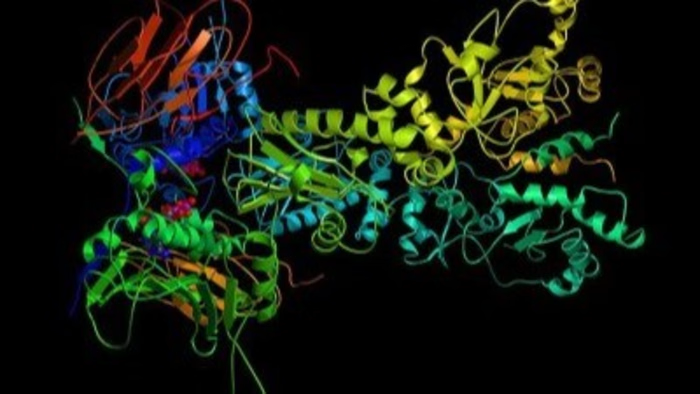
Early Disease Detection: By analyzing complex datasets, AI can predict the onset of age-related diseases before symptoms appear, enabling timely interventions. For instance, Google's DeepMind AI has made breakthroughs in protein structure prediction, crucial for disease understanding.
Diet and Lifestyle Optimization: AI-driven platforms like ZOE and Viome offer customized nutritional advice by analyzing microbiome and metabolic data, helping users manage inflammation and maintain metabolic health. Viome claims to improve metabolic markers by up to 30% through personalized dietary recommendations.
Mental and Cognitive Health Monitoring: AI tools are being used to detect early signs of cognitive decline and design personalized brain training programs. The global market for brain health supplements and cognitive enhancers is projected to reach $11.6 billion by 2030.
Senescence Targeting: AI is helping discover and optimize senolytic drugs that eliminate "zombie cells," reducing inflammation and promoting tissue rejuvenation.
Real-Time Health Monitoring: AI-powered wearables, such as Oura rings and Apple Watches, continuously analyze data streams to provide actionable insights. These wearables are part of a market expected to reach $92 billion by 2028.
Conclusion: The Dawn of AI-Driven Longevity
While debates between biohackers and traditional health experts continue, the real transformation is happening in data-driven labs and AI research hubs. AI isn't just a tool—it’s becoming the architect of a future where longevity means thriving, not just surviving.
Anupam Mittal's bold prediction and Bryan Johnson’s environmental concerns might seem like separate events, but they converge on a critical truth: The next revolution in longevity will be driven by technology. With AI at the helm, we may finally unlock the secrets to living longer, healthier, and more fulfilling lives.
Like this project
Posted May 23, 2025
AI is revolutionizing longevity science, transforming health and aging.
Likes
0
Views
11