Built with Framer
Framerfy: A Headless E-commerce Solution

Design MVP


Product Origin (Internal Initiative)
Framerfy is an in-house product by The Design MVP, built to solve a problem we repeatedly encountered while working with founders and e-commerce brands:
“How do we combine Shopify’s powerful backend with Framer’s design flexibility?”
Instead of relying on rigid themes or heavy custom builds, we decided to create a public-facing plugin that enables anyone to connect Shopify as a backend with Framer as a frontend — seamlessly.
Overview
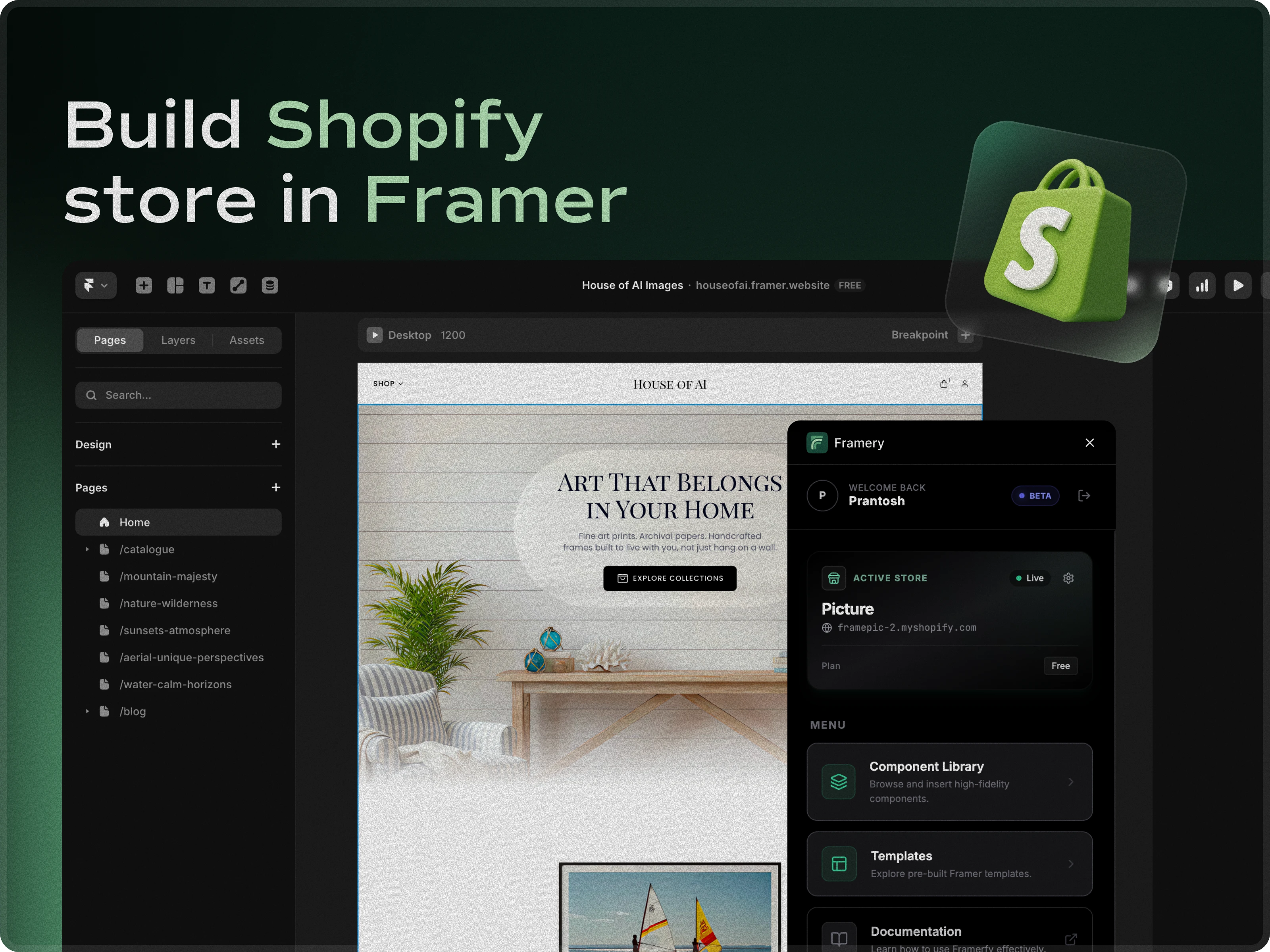
Framerfy is a plugin and template ecosystem that allows creators, designers, and brands to build high-performance e-commerce websites using:
Shopify for products, inventory, and checkout
Framer for a fast, flexible, and visually stunning frontend
The product empowers teams to move faster without compromising on design quality or scalability.
About the Product
Framerfy bridges the gap between commerce infrastructure and modern design.
Using Framerfy, users can:
Connect Shopify as a headless backend
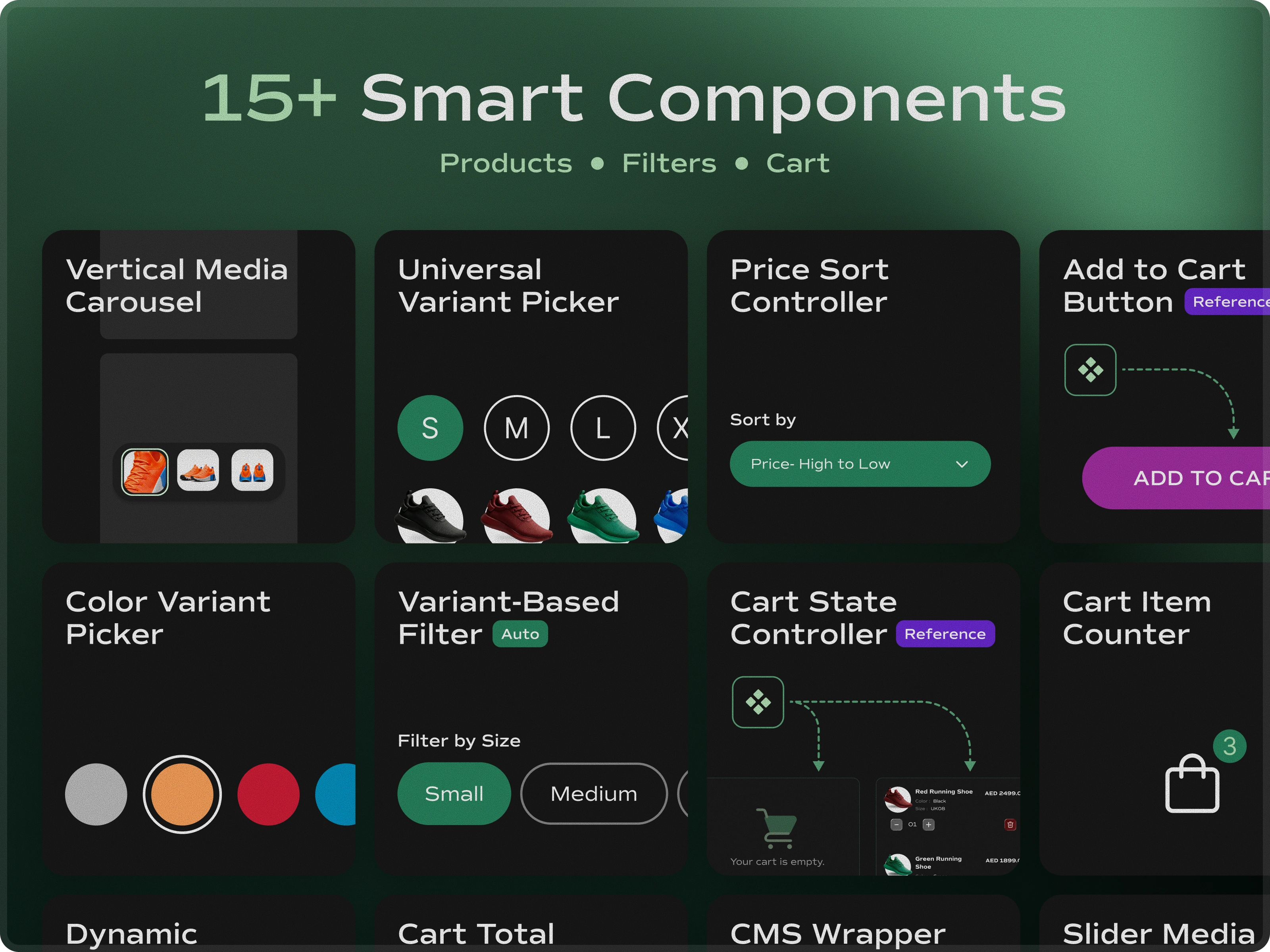
Display products dynamically inside Framer
Use beautifully crafted ready-to-use e-commerce templates
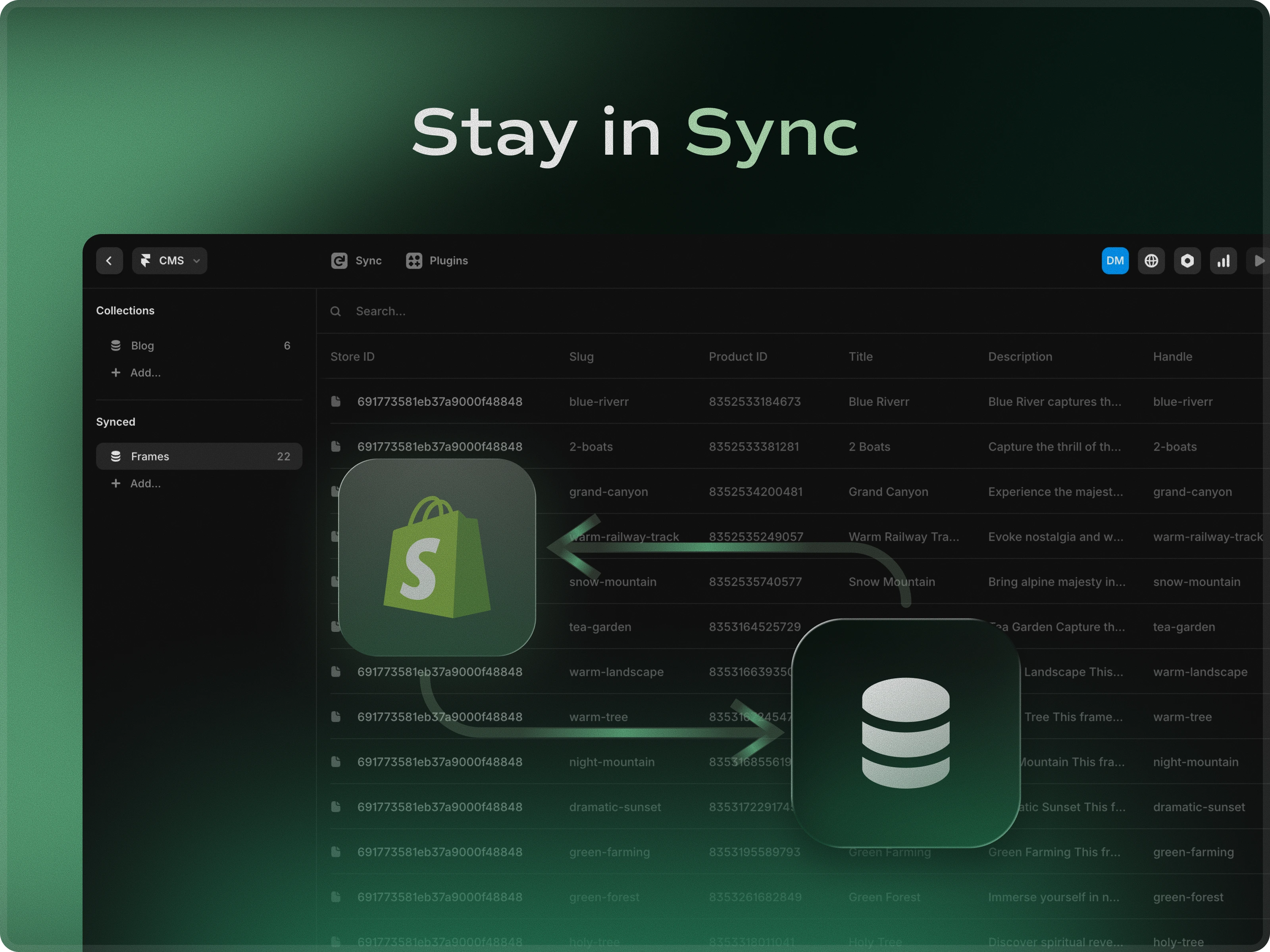
Manage products, pricing, and inventory directly from Shopify
Build custom storefronts without traditional theme limitations
Framerfy makes it possible to launch design-first e-commerce experiences without heavy engineering effort.
Our Role
As an internal product, The Design MVP handled everything end-to-end:
Product Strategy & Validation
UX & UI Design
Plugin Architecture
Shopify Integration
Framer Template Design
Testing & Public Launch
The Process
1. Problem Discovery
As a design and development agency, we noticed recurring friction points:
Shopify themes limiting creative freedom
Headless commerce setups being too complex for most teams
Designers wanting Framer’s speed, animations, and flexibility
Founders needing a simpler way to go headless
This insight led us to define Framerfy as a plug-and-play headless commerce solution.
2. Product & Experience Design
We approached Framerfy as both a developer tool and a designer-friendly product.
Design efforts included:
Defining a simple connection flow between Shopify and Framer
Designing scalable product components
Creating modular Framer templates optimised for e-commerce
Ensuring non-technical users could set up stores with minimal friction
Every interaction was designed to feel simple, fast, and visual-first.
3. Development & Integration
During development:
Shopify was implemented as the core backend
Framer handled the frontend rendering and interactions
Dynamic product syncing was enabled via the Framerfy plugin
Performance and SEO considerations were baked into templates
Extensive testing ensured smooth data flow and stability
The result was a robust integration that works seamlessly for real-world e-commerce use cases.
Outcome & Impact
Framerfy launched as a public product that:
Enables modern, headless e-commerce without complexity
Empowers designers to build stores visually
Helps founders launch faster with scalable infrastructure
Opens up Framer as a serious platform for e-commerce experiences
Why It Matters
Framerfy showcases our ability to:
Identify real-world problems from client work
Build scalable SaaS-style products
Design developer-friendly yet user-centric solutions
Ship polished tools for public use
Like this project
Posted Jan 31, 2026
Framerfy lets designers build stunning Framer e-commerce sites using Shopify as the backend - no code, full control, and scalable.