Studios | Web development

Jeff Manful


Spaces — Frontend Engineering for a CMS-Driven Studios Platform
Client: Spaces
Project: Spaces Studios
Role: Lead Frontend Engineer
Scope: Frontend Architecture, CMS Integration, Performance Optimisation
Stack: Next.js, Kirby CMS
Overview
Spaces is a curated platform showcasing some of the world’s leading product and creative studios. The Studios section acts as both a directory and an editorial surface—requiring a frontend that feels refined and minimal, while remaining flexible and performant as content evolves.
I was brought in to lead the frontend development, translating design intent into a robust Next.js application and integrating it with a Kirby CMS backend to support structured content and editorial workflows.
The Challenge
The project required balancing three competing needs:
A high-quality, design-forward frontend that reflects the calibre of the studios featured
A CMS-driven architecture allowing content to be updated without frontend changes
Strong performance and scalability, despite media-heavy content and dynamic listings
The solution needed to feel simple on the surface, while being carefully engineered underneath.
My Role & Approach
I owned the frontend from architecture to implementation, working closely with the backend setup to ensure clean data flow between Kirby and Next.js.
Key contributions included:
Building a modular Next.js frontend optimised for maintainability and reuse
Integrating Kirby as a headless CMS, shaping data structures for studios and content
Implementing static and dynamic rendering strategies to balance speed and flexibility
Ensuring responsive layouts and performance optimisation across devices
The frontend was designed to stay out of the way—prioritising clarity, hierarchy, and content rhythm over unnecessary interaction or visual noise.
The Outcome
A fast, scalable frontend that cleanly consumes CMS-driven content
A platform that supports ongoing editorial updates without redeployments
A polished, minimal interface aligned with Spaces’ design sensibility
A technical foundation that can evolve as the Studios platform grows
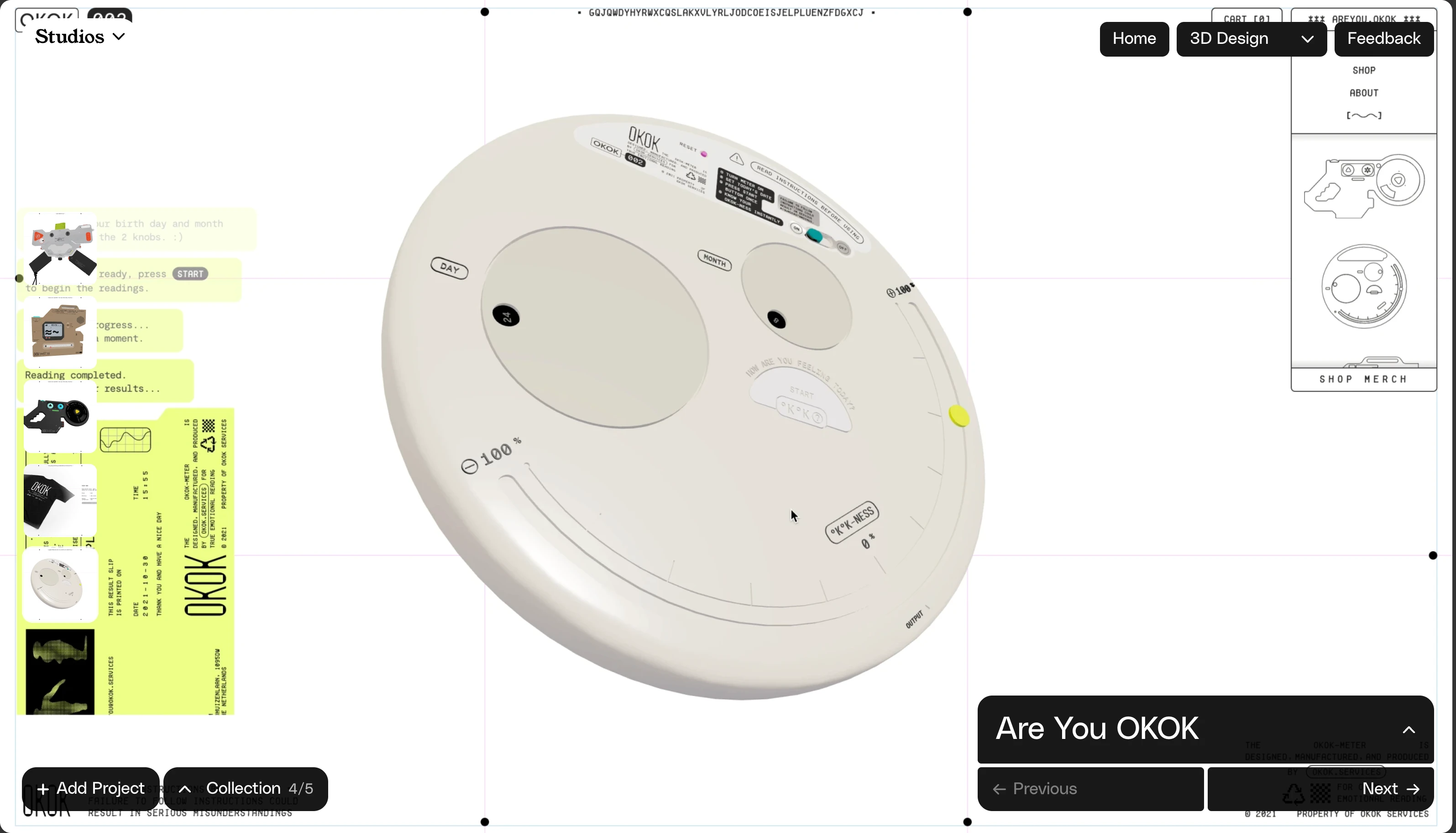
View of the web app
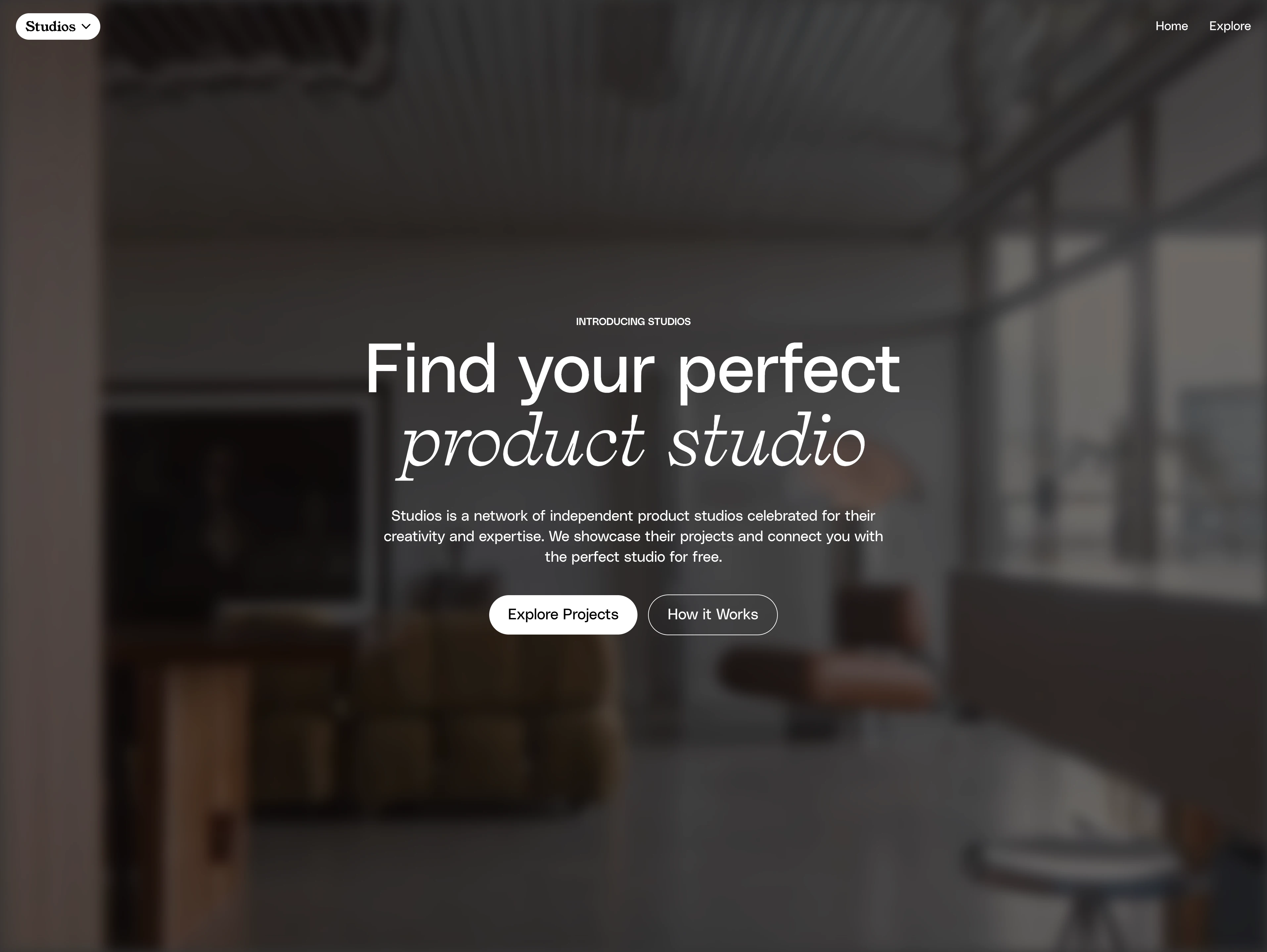
Landing page
Like this project
Posted Feb 1, 2025
Led frontend development in Next.js, integrating a Kirby CMS backend to deliver a fast, scalable, and maintainable studios platform.
Likes
1
Views
11