Strategic Guide to Investing in the Nigerian Stock Market

Oladele Steve


Beyond the Hype: A Strategic Guide to Your First Investment in the Nigerian Stock Market
The buzz is undeniable. From WhatsApp groups to X (formerly Twitter), the Nigerian stock market is the topic of the moment. The NGX All-Share Index’s impressive run in 2025 has created a potent mix of opportunity and anxiety. While stories of gains fuel excitement, the fear of missing out can lead to rushed decisions.
This guide is not about jumping on a bandwagon. It’s about learning to drive it. I will walk you through a strategic framework for entering the market not as a speculator, but as an informed investor. The goal is to equip you with a mindset, not just a set of instructions.
Why Now? Understanding the Nigerian Stock Boom
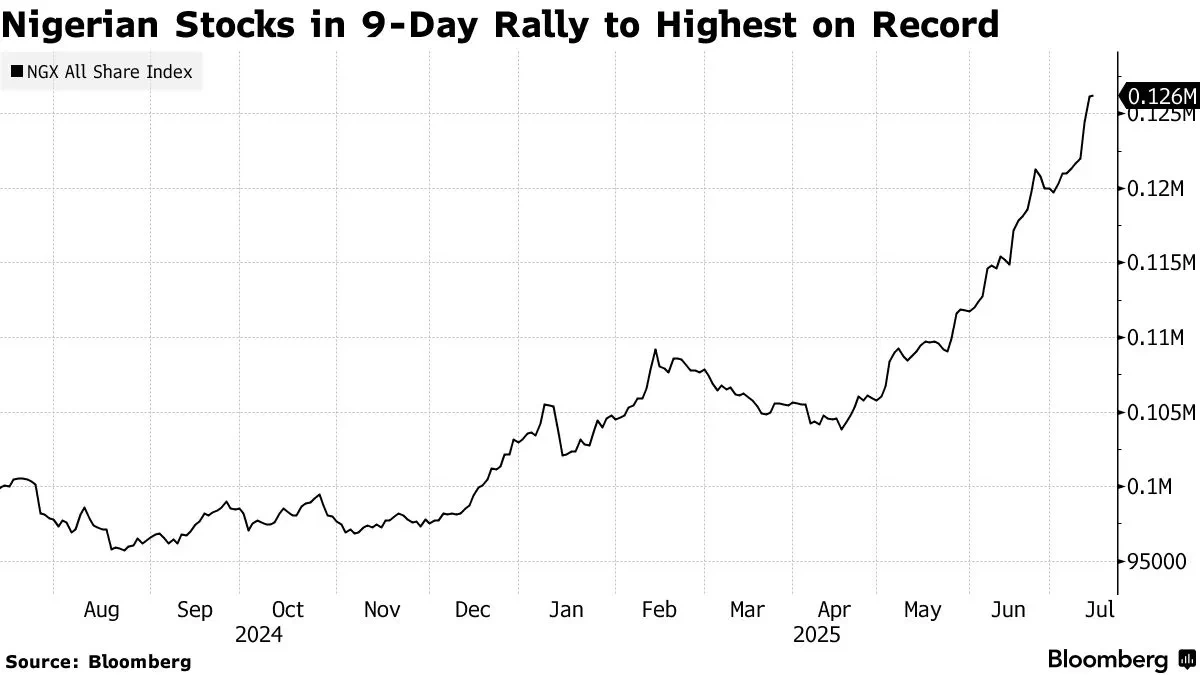
The current market momentum is driven by tangible factors: relative exchange rate stability, economic reforms boosting corporate confidence, and improved foreign investor interest. Coupled with this is a social media revolution that has demystified investing, and fintech apps that have dismantled traditional barriers to entry.
However, a boom can be a double-edged sword. The same conditions that create opportunity can also foster impulsivity. The key to navigating this environment is to replace the noise with a clear, personal strategy.
The Absolute Basics: Shares, Stocks, and the NGX
Before building a strategy, understand the building blocks. A share (or stock) represents a unit of ownership in a company. When you buy a share of a company like MTN Nigeria or Dangote Cement, you become a part-owner. Your investment grows if the company grows, and you may receive a portion of its profits as a dividend.
These shares are traded on the Nigerian Exchange (NGX), the official marketplace. The NGX All-Share Index is the benchmark that tracks the overall performance of the market, giving you a bird’s-eye view of its health.
Your First Crucial Decision: Pilot or Passenger?

This is the most overlooked step for beginners. Before analyzing a single stock, you must choose your investment style. This decision will define your journey.
Path A: The Pilot (Direct Stock Investing). You are in the cockpit. You will research, select, and manage a portfolio of individual companies. This path offers higher potential returns and the satisfaction of direct ownership. It requires significant time, a willingness to learn, and the emotional fortitude to handle volatility.
Path B: The Passenger (Investing via Funds). You take a seat on a professionally managed vehicle. Mutual Funds or Exchange-Traded Funds (ETFs) pool money from many investors to buy a diversified basket of stocks or other assets. This offers instant diversification, reducing your risk if one company fails. It is a hands-off, lower-effort approach, ideal for those who prefer to leave the driving to experts.
There is no right or wrong answer — only the right answer for you. Most successful portfolios eventually contain a mix of both.
The Analyst’s Mindset: How to Select a Winning Stock

If you choose the “Pilot” path, your next step is learning how to navigate. Selecting a stock is not about tips; it’s about analysis. Before buying, you must develop a “buy thesis” — a clear reason for your investment based on evidence.
Ask these critical questions:
The Story: What does the company actually do? Do you understand and believe in its business model for the long term? (e.g., “MTN provides essential telecom services with a growing subscriber base.”).
Financial Health: Is the company built to last? Look at its annual report for:
Revenue & Profit Growth: Are sales and earnings increasing year-over-year?
Debt Level: Is the company overloaded with debt, or is it manageable?
Price-to-Earnings (P/E) Ratio: This compares the share price to the company’s earnings. A very high P/E might mean the stock is overvalued compared to its history or competitors.
Your goal is to find a great company, not just a hot stock.
Executing Your Strategy: How to Buy Your First Investment
Once your research is done, the process of buying is straightforward.
Choose a Licensed Broker: You need a SEC-licensed intermediary to access the NGX. Digital brokers like Bamboo or Chaka offer user-friendly apps ideal for beginners. Traditional brokers are often bank-affiliated and may provide more advisory services.
Open and Fund Your Account: The process is online. You’ll need your BVN, a valid ID, and proof of address. Fund your account with an amount you are prepared to risk — start small.
Place Your Order: On your broker’s platform, search for the company or fund, enter the amount, and confirm the trade.
The Real Work Begins After You Buy: Monitoring and Strategy
An investment is not a “set-and-forget” item. The true discipline of investing lies in ongoing management. This does not mean watching the price daily, but rather monitoring the company’s health periodically.
Monitor the “Buy Thesis”: The most important question to ask every quarter is: “Have the fundamental reasons why I bought this investment changed?” Review the company’s earnings reports and news.
Ignore the Noise: Short-term market fluctuations are normal. Do not make decisions based on daily headlines or social media sentiment. Trust your research.
When to Hold, When to Sell: Rules Over Emotions

This ongoing monitoring leads to the ultimate decisions: hold or sell. Let rules, not emotions, guide you.
When to HOLD: If your original “buy thesis” remains intact and the company’s fundamentals are strong, hold firm. Market downturns are often opportunities to buy more at a lower price, not reasons to panic-sell. Investing is a marathon.
When to SELL: Consider selling only for rational reasons:
The Thesis is Broken: The company’s fundamentals have permanently deteriorated.
You Need the Cash: For a planned, important life goal.
A Better Opportunity Arises: You have found a significantly undervalued asset and need to reallocate funds.
Conclusion: Your Journey to Strategic Investing
The Nigerian stock market offers a powerful path to wealth creation, but it rewards the strategic and punishes the impulsive. By choosing your path, committing to research, and adhering to a disciplined strategy, you transform from a spectator of the boom into a confident participant.
Your greatest asset in this journey is not your capital, but your knowledge. Continue to learn, stay patient, and let strategy be your guide.
Like this project
Posted Sep 29, 2025
Created a strategic guide for first-time investors in the Nigerian stock market.