Full-Stack E-Commerce App: React & ASP.NET Core

Yaroslav Kuzmin


The Problem
An online store needs both a customer-facing interface and reliable server-side logic for products, orders, warehouses, and user accounts. I built a full-stack e-commerce application with a React and TypeScript frontend connected to an ASP.NET Core API.
What I Built
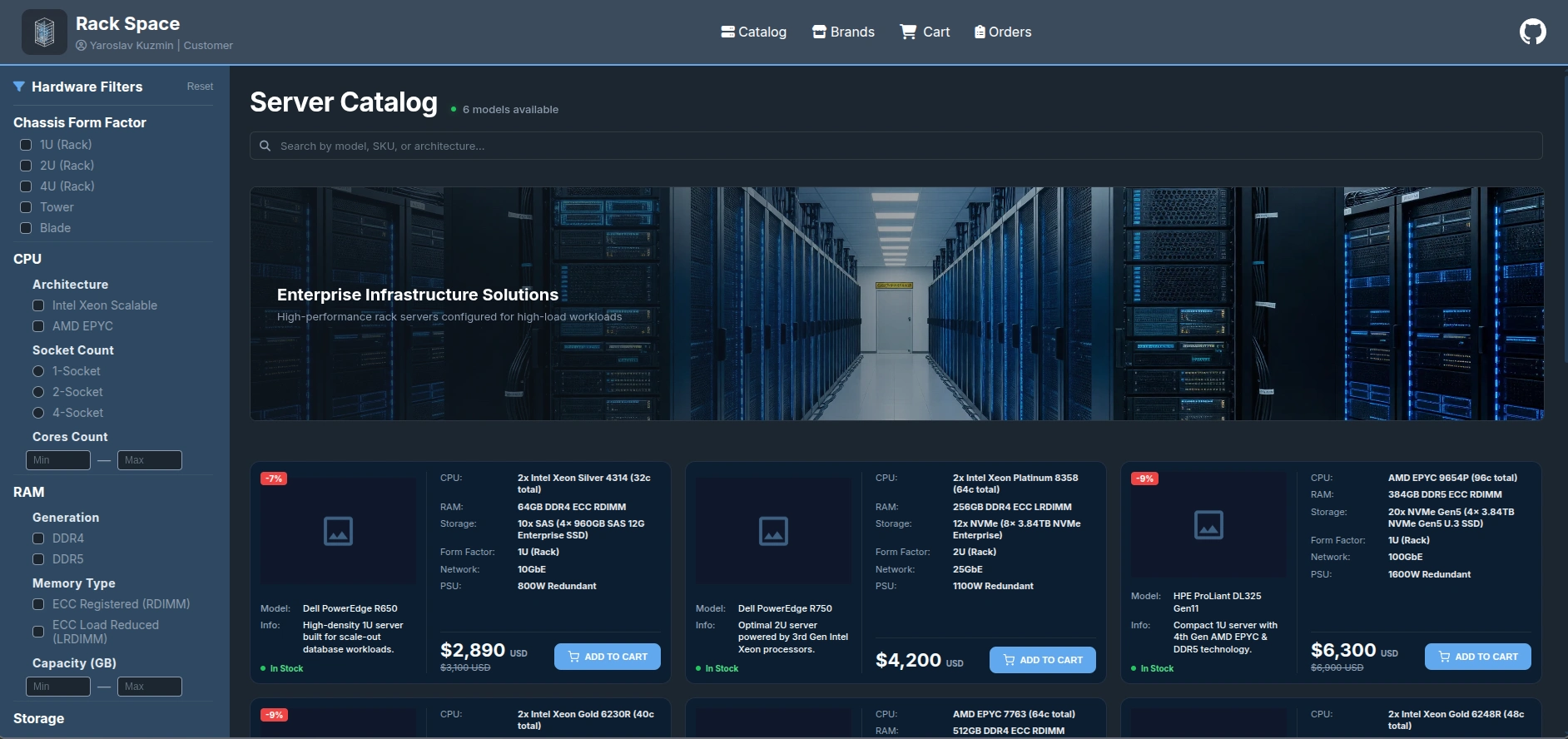
Storefront interface: A responsive React interface for browsing products and working with the store.
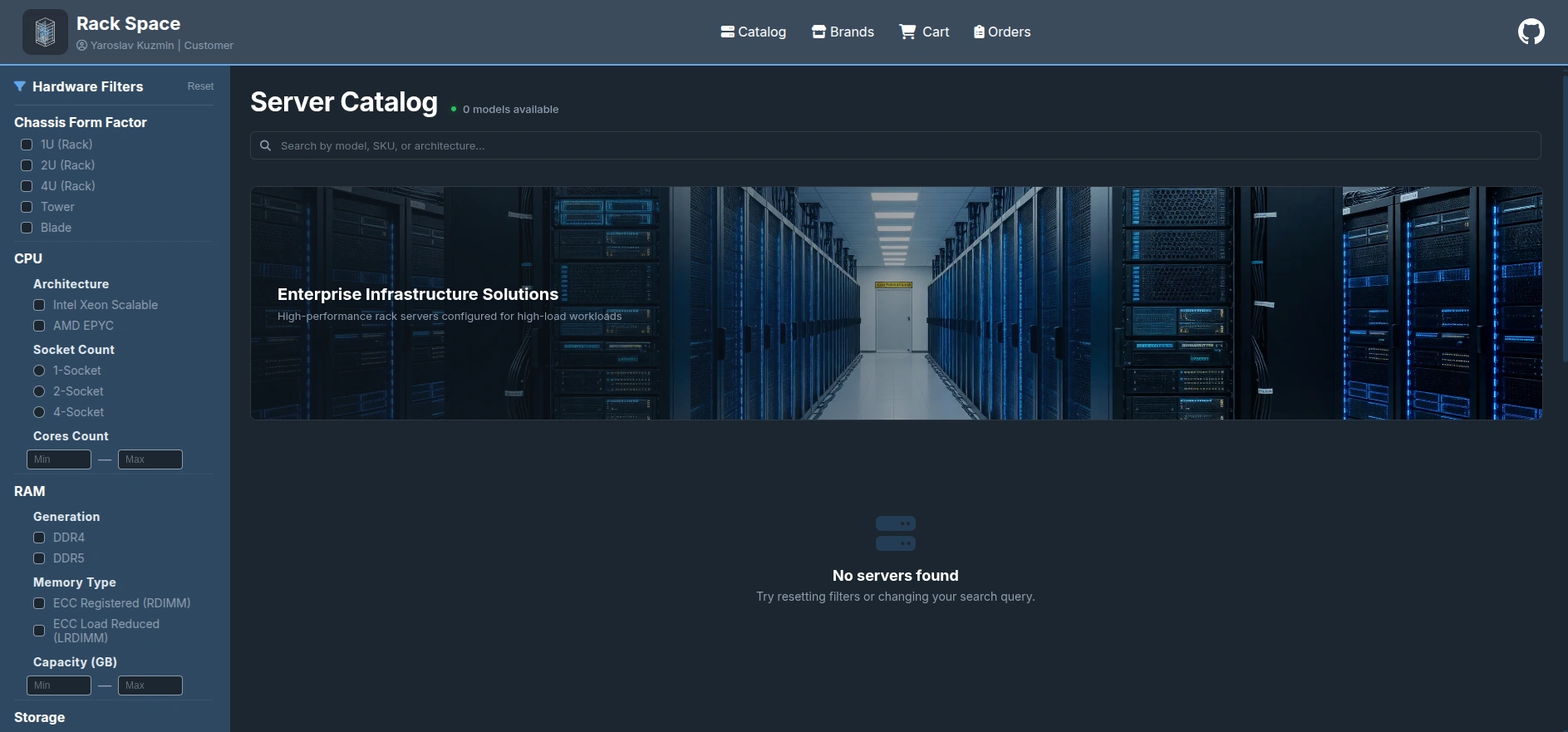
Main storefront screen
Product catalog: Full create/read/update/delete operations with image management, categories, pagination, and filtering.
Shopping cart: Add items, update quantities, remove products, and clear the cart. Inventory is synchronized so customers cannot order unavailable items.
Order lifecycle: Order flow from purchase through payment confirmation, packing, delivery, pickup, and completion. Cancellation is handled at every stage with status rollback.
Warehouse system: Multiple warehouses with product binding and delivery cost calculation. The API selects an optimal warehouse based on availability and location.
Authentication: Registration, login, secure token and refresh flow, and role-based access. Admins manage the store; customers manage their orders.
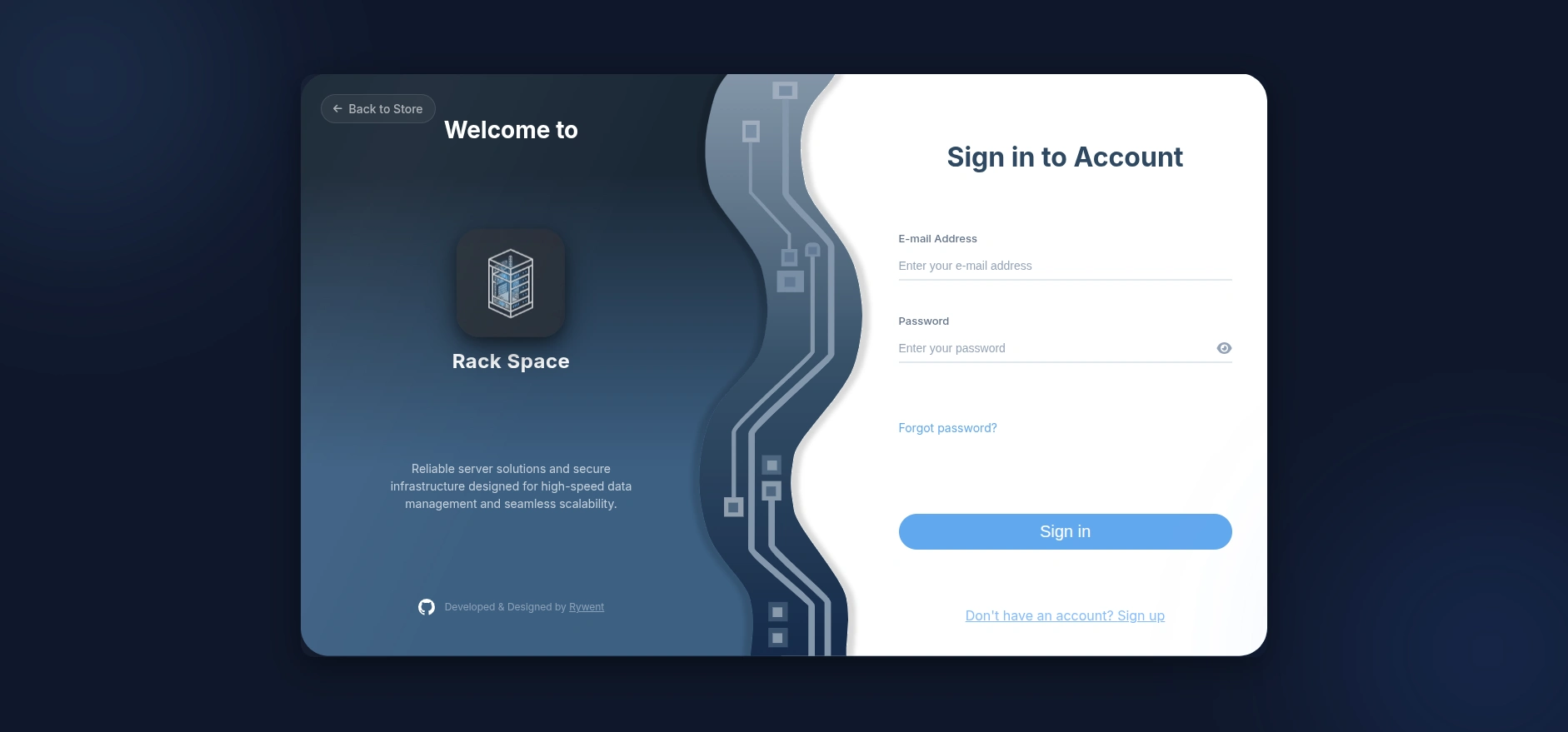
Login screen
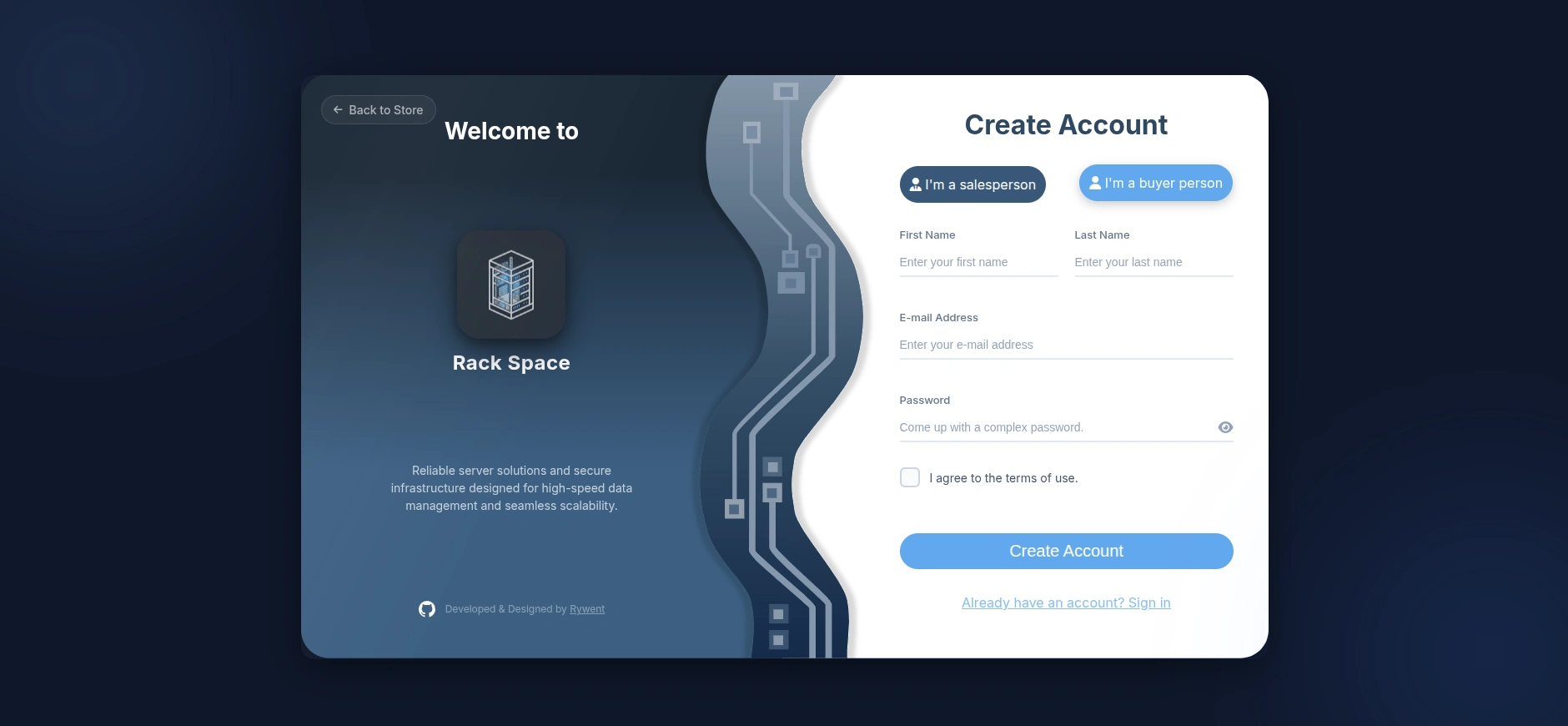
Account creation screen
How It's Built
The frontend uses React and TypeScript. The backend is an ASP.NET Core API with a layered, modular architecture and PostgreSQL for data storage. Features are isolated so new modules, such as reviews, promotions, or analytics, can be added without breaking existing functionality.
The API includes interactive documentation, input validation, structured logging, and rate limiting.
Result
A full-stack e-commerce application with a React frontend and an ASP.NET Core backend. It covers core storefront flows and provides a modular foundation for future features.
Personal project, open-source.
Like this project
Posted Aug 6, 2026
Full-stack e-commerce app with a React and TypeScript frontend, backed by ASP.NET Core and PostgreSQL. Includes storefront UI, authentication, product catalog, cart, orders, and warehouse logic.