Innovative Digital Marketing Campaign for Start-Up

Isabella De la hoz
Remodeling a multi-purpose building requires a comprehensive, thoughtful approach, as the space must serve a variety of functions while optimizing both form and function. The process typically unfolds in several stages:
1. Initial Consultation and Needs Assessment
The first step in any multi-purpose building remodel is meeting with the client to understand their vision, goals, and specific needs. This phase often involves:
Defining the building’s intended purposes: Whether the space needs to function as an office, event space, retail area, or residential unit, the remodel must cater to each distinct function.
Space analysis: Reviewing how the current layout supports or inhibits the intended functions, including traffic flow, accessibility, and zoning requirements.
2. Site Analysis and Building Evaluation
Before diving into design, a thorough evaluation of the existing structure is crucial:
Structural Integrity: Assessing the current building’s framework, foundation, and load-bearing elements to ensure they can support new design requirements.
Building Code Compliance: Verifying the existing structure’s compliance with local zoning laws, building codes, and safety standards.
Energy Efficiency: Identifying areas where improvements can be made to enhance the building's sustainability, such as insulation, HVAC systems, lighting, and water efficiency.
3. Concept Development and Design
This is the stage where the vision begins to take shape. The design process involves:
Space Planning: Developing a layout that effectively maximizes usable square footage for the multiple functions the building will serve. For example, a building that is used for both office space and community events may require flexible, open spaces that can be adapted based on use, as well as designated areas for privacy and focus.
Functionality vs. Aesthetics: Balancing aesthetic design elements with functionality is crucial. The design must not only look appealing but also be practical, ensuring that each section of the building can be easily adapted for different uses.
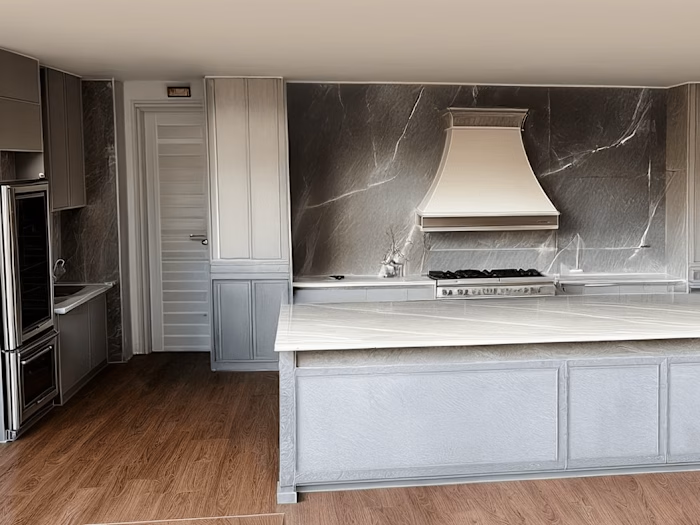
Materials and Finishes: Selecting materials that align with both the functional needs of the space and the desired aesthetic. For example, durable, easy-to-maintain finishes may be preferred for high-traffic areas, while more luxurious materials might be chosen for client-facing or lounge spaces.
Lighting and Acoustics: Careful consideration of lighting and acoustics to ensure the building is comfortable and conducive to a variety of uses. For instance, ambient lighting may work well for events, while task lighting is ideal for office areas. Similarly, soundproofing may be necessary for spaces that require privacy, like meeting rooms.
4. 3D Visualization and Renderings
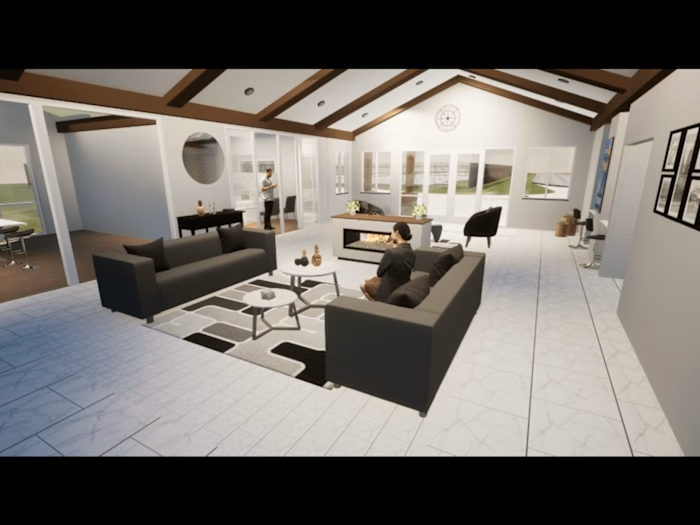
Once the conceptual design is approved, 3D renderings and models are often created to provide the client with a realistic visual representation of the final outcome. This allows for adjustments before the construction phase begins and gives the client an opportunity to better understand the spatial relationships and design elements.
5. Permitting and Approvals
Before construction can begin, the design must be submitted for approval from local authorities. This often involves:
Building Permits: Ensuring that all aspects of the design comply with local codes, zoning regulations, and fire safety standards.
Construction Drawings: Finalizing detailed architectural drawings, including plans for electrical, plumbing, and HVAC systems.
Sustainability Approvals: If sustainability or eco-friendly features are incorporated (such as green roofing or solar panels), they may require additional certifications.
6. Construction and Implementation
With approvals in hand, construction begins. During this phase:
Demolition and Prep Work: Any existing elements that need to be removed or modified are addressed first. This could include removing outdated fixtures, walls, or other non-functional components.
Structural Work: Any necessary structural changes are made, such as reinforcing beams, adding partitions, or adjusting load-bearing walls to create the required layout.
Systems Integration: Installing updated plumbing, electrical, HVAC, and fire protection systems, ensuring they meet the latest code requirements and the building’s new design needs.
Finishes and Custom Features: As the building structure takes shape, custom features such as cabinetry, flooring, and wall treatments are completed.
7. Final Inspections and Adjustments
After the major construction is completed, a series of final inspections are performed to ensure everything meets the required standards. This includes:
Quality Control: Ensuring that finishes, systems, and overall construction quality adhere to the initial design intent.
Client Walkthrough: A walkthrough with the client to address any last-minute changes or concerns, ensuring that the final product aligns with their expectations.
8. Handover and Post-Completion Support
Once the remodel is complete, the building is handed over to the client for use. This stage may involve:
Operational Training: If the remodel included new technologies or systems, the client may be trained on their operation.
Maintenance Plans: Providing the client with a detailed maintenance schedule, especially if the remodel includes high-tech or sustainable features that require upkeep.
Post-Completion Follow-up: Some firms provide follow-up services to ensure that the remodel continues to meet the client's needs as the space is utilized over time.
This process of remodeling a multi-purpose building ensures that each aspect of the space is carefully considered to meet the varied demands of the client while creating a functional, comfortable, and visually appealing environment. Each stage requires collaboration between designers, engineers, contractors, and the client to achieve a seamless transformation.
Like this project
Posted Jan 11, 2025
I had the privilege of working with Wright group on the design of a multi-purpose building tailored to meet the diverse needs of their client.
Likes
0
Views
4