Development of Oropouche Virus Test

DONNA CAMPISANO

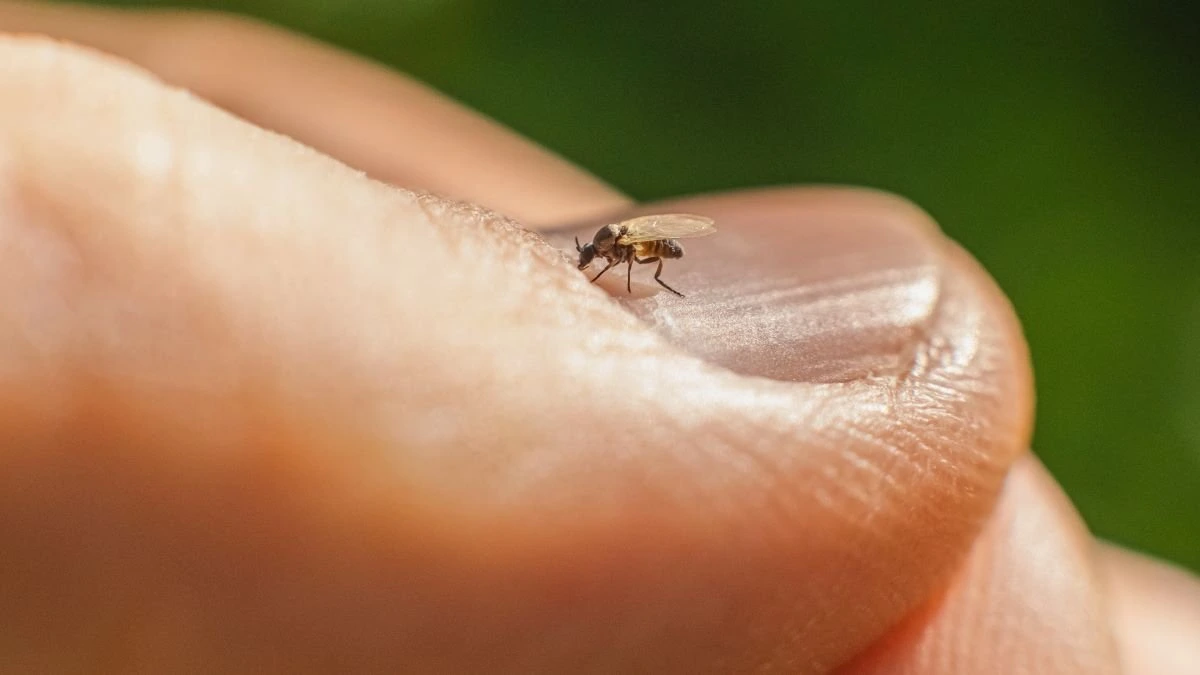
Oropouche is an emerging virus most often transmitted by the bite of an infected midge—a tiny fly also known as a no-see-um. The virus can also be spread by certain types of mosquitoes, although that’s less common.
The disease is endemic in South America and the Caribbean and is particularly prevalent in the Amazon Basin countries of Brazil, Colombia and Peru.
And it’s spreading.
Since 2023, the US Centers for Disease Control and Prevention (CDC) has reported cases of Oropouche in areas where it wasn’t previously seen. For example, in 2024 Barbados, Cuba and Guyana all saw their first cases of the disease.
What’s more, 109 cases of Oropouche have been reported in the US since 2024, imported into the country by travelers returning from elsewhere; the vast majority of these cases have been seen in Florida. While there have been no reported cases of local transmission, the species of biting midges and mosquitoes that carry the virus are found in this country. It’s possible that a midge, for example, could bite a person currently infected with Oropouche on US soil and then take a blood meal from another person, thus starting the infection’s spread in this country.
Oropouche basics
Oropouche symptoms are similar to those of other tropical, vector-borne infections, including dengue, Zika and malaria.
It typically begins with the abrupt onset of fever, chills, headache and muscle/joint pain. Other symptoms can include nausea, vomiting and dizziness. Symptoms usually resolve within a few days, but they can recur, sometimes weeks later. This recurrence tends to be more common with Oropouche than with other vector-borne diseases.
Most cases of Oropouche are non-life-threatening and the majority of people fully recover. But several deaths have been reported and roughly one in 20 people will develop serious complications from the disease, including meningitis and encephalitis. People at risk for severe illness include those over 65 and those with underlying health conditions, such as high blood pressure or diabetes.
While a lot is still unknown about Oropouche’s effect on an unborn fetus, there have been a few cases where pregnant women infected with the virus have experienced miscarriages and stillbirths or given birth to babies with birth defects. Pregnant women (and, really, anyone) traveling to areas with Oropuche should take steps to prevent insect bites.
There are no drugs that treat Oropouche specifically. Healthcare providers recommend treating the symptoms and seeking care as needed.
The birth of a test
There currently is no Food and Drug Administration (FDA)-approved test for Oropouche, which has prompted some states, with guidance from APHL, to develop their own. These tests—known as laboratory developed tests (LDTs)—are tests that are manufactured, used and validated by one specific laboratory.
One state investing time and energy into developing Oropouche testing is New York, which receives millions of international visitors every year. Scientists at the New York State Department of Health, Wadsworth Center, have developed what’s known as a Plaque Reduction Neutralization Test (PRNT), which measures the amount of neutralizing antibody present in a person’s serum.
“To perform the assay [test], we serially dilute the patients’ serum and challenge those dilutions with a known amount of Oropouche virus,” explained Alan P. Dupuis II, a research scientist at the Wadsworth Center. “Any specific antibody to Oropouche virus is indicative of infection.”
Another test being developed in New York, but which is not yet in use, is a real-time PCR test for the detection of Oropouche viral RNA in a person’s serum or cerebrospinal fluid, said Wadsworth’s Amy Dean, PhD, director of the Viral Encephalitis Laboratory. The test is currently undergoing New York State’s evaluation process for diagnostic test approval.
To date, the Wadsworth Center has tested samples from six symptomatic individuals with travel history to an Oropouche virus endemic region, and New York State has reported one positive case.
CDC also has Oropouche testing capabilities, and testing may become available at more public health laboratories in the future.
How much of a concern is Oropouche?
CDC says the likelihood of Oropouche spreading throughout the US is low. That’s largely due to climate differences and the more prevalent use of air-conditioning in this country.
Still, public health officials remain vigilant.
“We anticipate that the need for testing will continue but will likely depend on Oropouche transmission activity in endemic regions,” Dupuis added. “Some arboviruses tend to appear for a period of time and then disappear once herd immunity becomes established in the vertebrate host population.”
Public health officials say the best way to protect yourself from Oropouche is to prevent bug bites. CDC advises the following:
Wear an insect repellent that’s registered with the Environmental Protection Agency when you’re outside. Wash treated skin with soap and water when returning inside.
Wear loose-fitting, long-sleeved shirts and pants when outdoors. Tuck pants into socks or shoes.
Keep windows and doors closed; use air-conditioning if heat and humidity are uncomfortable. If that’s not possible, consider replacing your screens with fine mesh (holes should measure less than 1 mm in size; the screens on most windows and doors have holes big enough for midges to get through).
Use a fan when outdoors to help prevent insects from landing on you.
Use condoms during sex. While there have been no reported cases of sexually transmitted Oropouche, the virus has been found in semen.
Like this project
Posted Jun 9, 2025
Developed a test for Oropouche virus at Wadsworth Center.