The Psychology of Having Boundaries

AYESHA HAQ


The Psychology of Having Boundaries: Why It Matters and How to Set Them
Follow
4 min read
1
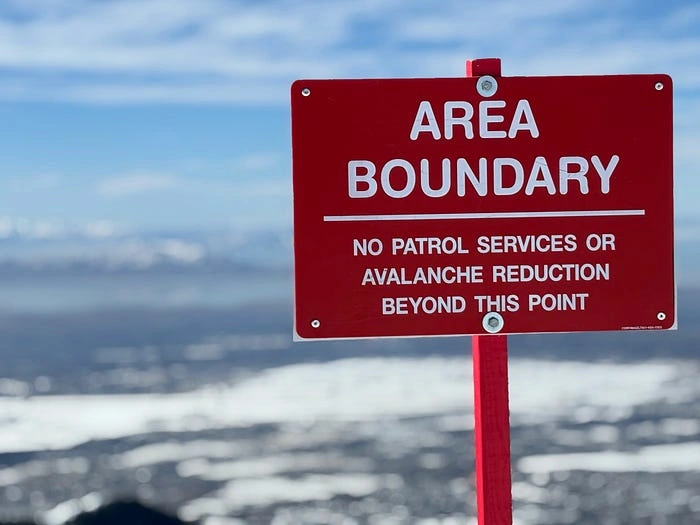
Whenever you are in a market, an educational place, or a travel destination, you always see a sign that says “Do Not Enter.” That sign may be crucial for any purpose, but it has a clear statement: you are not allowed to enter. It creates a barrier that requires permission to cross. Every house has a clear distinction from another house, and that is a boundary that tells us “this place is yours” or “this place is mine.” So why is it that the most important thing in our lives is to protect our house with a boundary wall, yet the same cannot be implemented in our daily lives?
Creating a boundary in daily life is a laborious task. In ancient times, you could have counted how many spoons of food your neighbours had, but in modern times, with advanced technology and the concept of privacy, the notion of boundaries has also developed. Creating a boundary doesn’t mean that you are not letting anyone into your life. It simply means that you cannot enter my personal space without my permission. Boundaries are a healthy investment. They impact great areas of our lives and allow us to function freely within our own rules and norms.
Why Do Boundaries Matter?
One can argue that knowing what your neighbour has, knowing what others are doing in their lives, or giving them unsolicited opinions which they clearly didn’t ask for, will create harmonious and loving relations with them. In couple relationships, especially in South Asia, it is often argued that advising a couple will help them grow faster and avoid unnecessary arguments that are part of any relationship. However, it creates uncomfortable situations, and things only worsen for them.
Some people confuse boundaries with ego. The idea of self-identity is a great and necessary first step to creating healthy boundaries; however, it creates the problem of drawing a line between “ego” and “non-ego.”
The concept of ego itself is a confused term. However, Petrovski, in his paper Boundary Motive: Sign-Oriented Nature of Thinking (Psychology World, p. 10), said that the ego is exactly where the non-ego begins, and that a stable and flexible ego boundary is one of the main functions in establishing healthy relationships with the object of non-ego. According to research, low self-evaluation, self-acceptance, self-regard, and personal identity characterise a person with disturbed boundaries, all of which eventually influence their lives (The Phenomenon of Psychological Boundary, 2020).
Why People Struggle to Set Boundaries
Setting boundaries becomes especially difficult when it involves loved ones. It’s often misinterpreted as pushing them away, which isn’t true. In reality, setting boundaries with loved ones protects your mental health and spares you from unnecessary stress. A boundary is a line that clearly says: this is where my limits are, and this is where yours begin.
People who don’t set boundaries often lack a strong sense of self-identity. They struggle to figure out who they are or what they value in life. This creates confusion about their identity and purpose, inviting a cycle of misplaced blame, disappointment, and regret.
Get AYESHA HAQ’s stories in your inbox
People without boundaries also struggle to say no in relationships. They fear that saying no will cause the relationship to collapse. But that’s not true. Someone who genuinely cares about you should respect you and your limits.
When You Know You Need Boundaries
Before setting boundaries, you need to recognize when you need them. Certain situations openly demand it:
People disagree with your personal decisions
It sounds odd, right? It’s your decision to make, and even if people disagree, they don’t have a say because it’s your life. Yet many people still get influenced by others’ opinions, and it affects their daily peace.
Someone disregards your needs
This often happens in relationships, especially when you’re somehow dependent on the other person. They guilt-trip you, manipulate you, and gaslight you out of your needs. This is precisely where you need healthy boundaries the most.
Someone blames you for their actions
The manipulation tactic where everything is always your fault; this is where a boundary isn’t just helpful but necessary.
How to Set Healthy Boundaries
Here are practical steps to establish and maintain boundaries:
Give respect, earn respect. Respect others’ decisions and choices, and make it clear you expect the same in return.
Don’t comment on others’ boundaries. Then you can simply mention that they have no say in yours either.
Realize you can’t always be right. Give advice only when it’s asked for.
Don’t gossip about others’ lives. Don’t backbite and don’t pry into matters that aren’t your business.
If someone fails to respect your boundaries, keep reminding them. Again and again, if necessary.
Say no whenever something feels uncomfortable. You don’t owe anyone an explanation.
Everyone is responsible for their own actions and attitudes. Showing emotions is good, but don’t cross into territory that doesn’t belong to you. Don’t enter anywhere, whether it is someone’s life, relationship, or decision, without permission. You don’t see a “Do Not Enter” sign everywhere, yet you are still expected to respect them.
Like this project
Posted Apr 10, 2026
Wrote article on setting personal boundaries for Medium.