Transforming Government UX with Fractional Leadership

Lorena Maceratesi


From Zero UX to a Scalable Practice
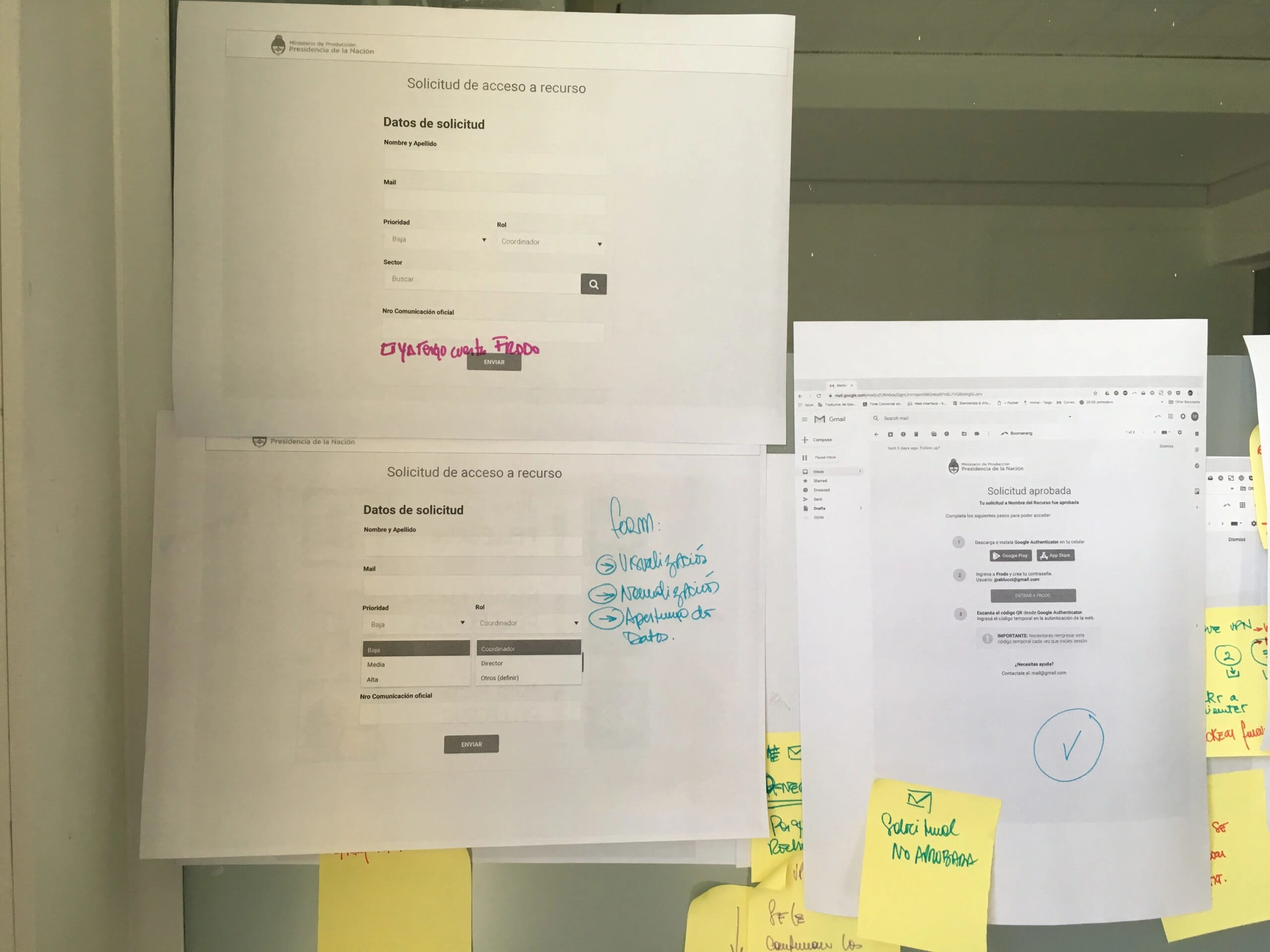
Transforming Government UX with Fractional Leadership: A Ministry Case Study As a Fractional UX Leader, I was brought in to establish a UX structure within a government ministry undergoing a digital transformation. The challenge was to introduce user-centric processes, improve decision-making efficiency, and create a sustainable UX governance model while working with a cross-functional team under legacy workflows and bureaucratic constraints.
The challenge
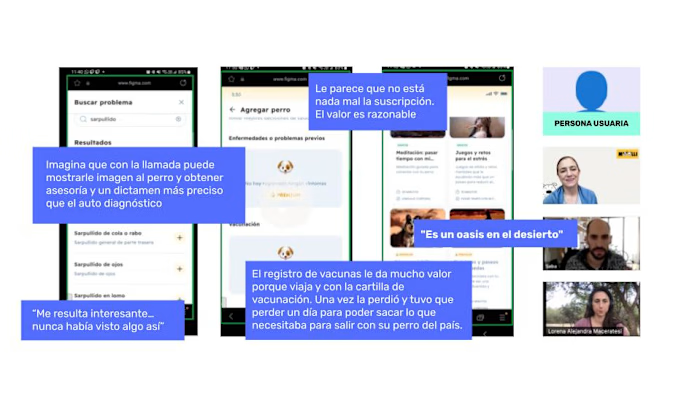
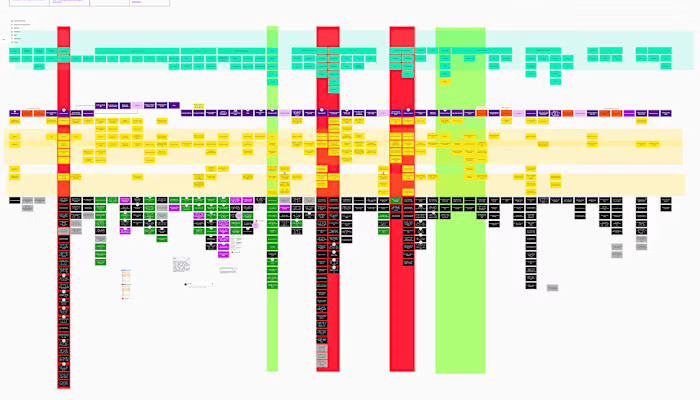
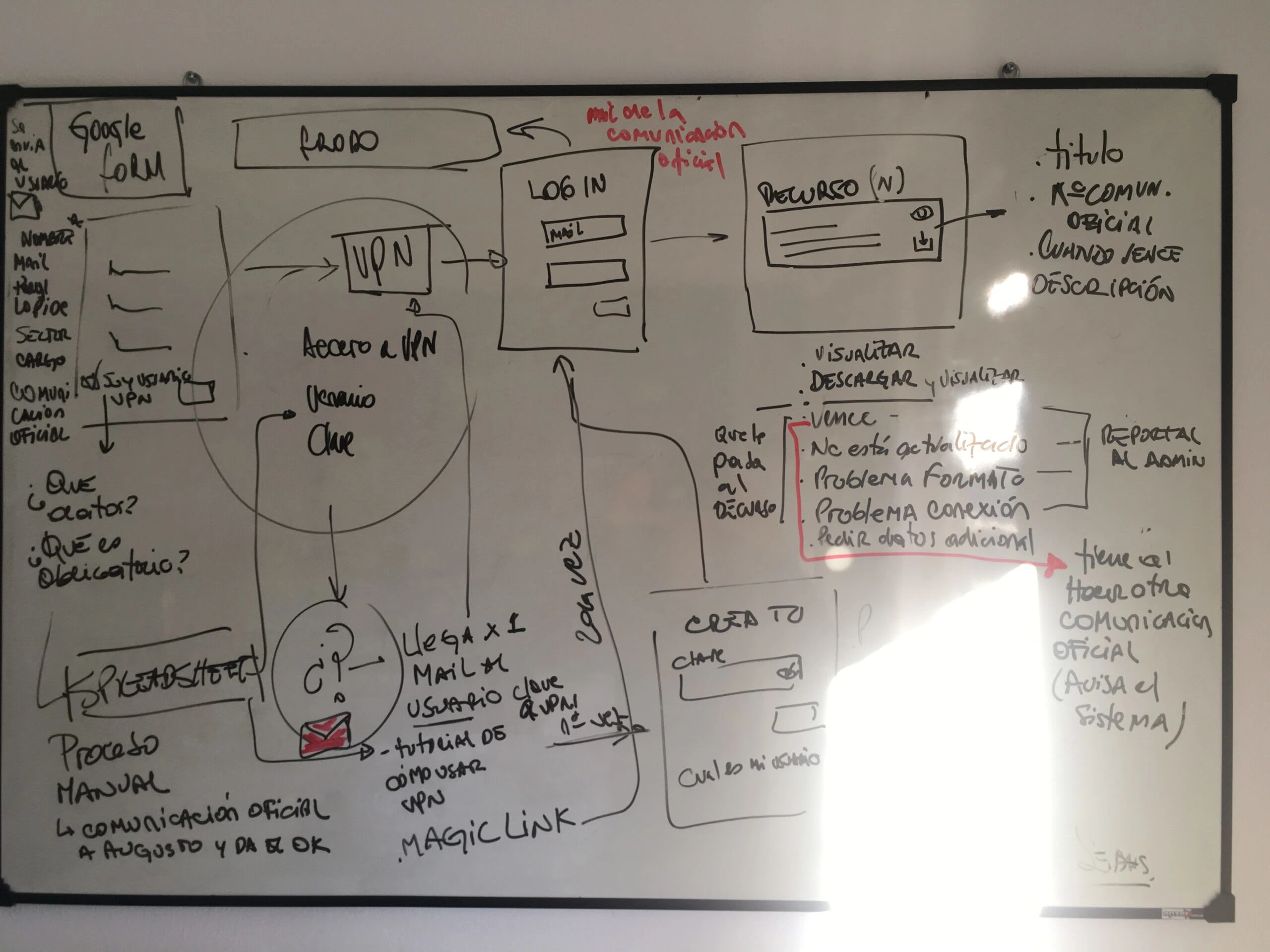
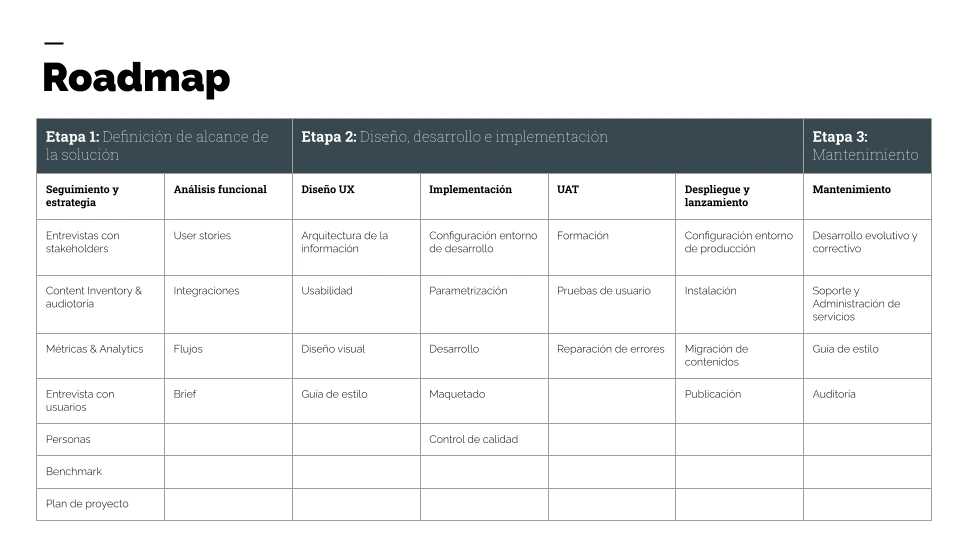
Government agencies often operate with fragmented UX efforts, outdated workflows, and limited cross-team collaboration. The ministry had a lack of UX structure, resulting in: Slow, waterfall-driven processes Inefficient decision-making without user research High investment waste due to misaligned priorities Limited design capabilities within the team Their goal was to create a more agile, user-driven approach to improve digital services while ensuring scalability for long-term impact. My Role as a Fractional UX Leader Rather than hiring a full-time UX executive, the Ministry opted for Fractional Leadership, allowing for high-level UX expertise without the overhead of a permanent role. My key responsibilities included: Establishing a UX practice with lean, scalable frameworks Guiding the transition from execution-driven design to strategy-led UX Coaching and mentoring the internal team to scale efficiently Integrating research into decision-making to shift from assumptions to data-backed strategies Facilitating cross-department alignment to break silos and ensure continuity Results & Impact Reduced execution time for UX projects Cut design validation cycles from months to weeks Increased evidence-based decisions by integrating user research into strategic planning Built a scalable UX practice that remains functional even after project completion Created a framework for continuous learning, reducing dependency on external consultants
Like this project
Posted Jun 10, 2025
Established a scalable UX practice in a government ministry undergoing digital transformation.
Likes
0
Views
10
Timeline
Jan 1, 2018 - Dec 31, 2019