Figma to Shopify - Elior Shopify

Mark Wellington


Figma to Shopify
Project Type: Shopify Ecommerce Development
Industry: DTC / Ecommerce
Platform: Shopify
Services: Figma to Shopify Conversion, Custom Theme Development, Responsive Ecommerce Implementation
Project Overview
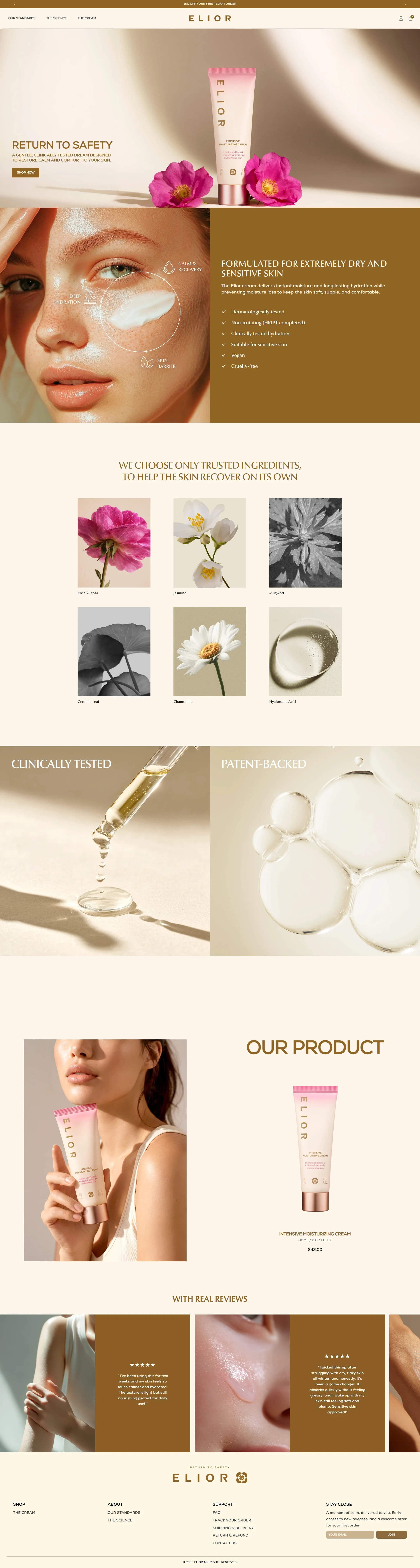
Elior was a Figma-to-Shopify ecommerce development project focused on transforming a custom-designed ecommerce interface into a fully functional, scalable Shopify storefront.
The project involved taking a complete Figma design system and translating it into a high-quality Shopify experience while preserving the original brand identity, visual consistency, and user experience.
The goal was to create a modern ecommerce website that not only matched the approved design but also provided a smooth shopping journey for customers across desktop and mobile devices.
The Challenge
The primary challenge was bridging the gap between a custom Figma design and Shopify's ecommerce ecosystem.
While Shopify provides a powerful foundation for online stores, implementing highly customized designs requires careful planning to ensure flexibility, performance, and maintainability.
Key challenges included:
Translating pixel-perfect Figma designs into Shopify-compatible components
Maintaining the original design vision throughout development
Creating reusable sections that could be managed easily from Shopify's admin panel
Ensuring a consistent experience across different screen sizes
Balancing visual quality with ecommerce functionality and performance
Our Approach
Our development process focused on creating a Shopify store that was visually accurate, user-friendly, and built for long-term scalability.
We began by analyzing the Figma designs, identifying reusable components, understanding the user flow, and planning the Shopify architecture required to bring the experience to life.
The implementation focused on:
Building a structured Shopify theme foundation
Developing custom sections based on the approved designs
Creating flexible content blocks for easy store management
Optimizing layouts for ecommerce usability
Ensuring responsive behavior across all devices
Design to Shopify Development Process
1. Figma Design Analysis
Before development, we carefully reviewed the complete Figma file to understand:
Page structure and hierarchy
Typography and spacing systems
Component patterns
Brand styling
User interaction requirements
This helped us create a development plan that maintained design accuracy while adapting the experience to Shopify's framework.
2. Shopify Theme Development
The approved designs were converted into a custom Shopify storefront with a focus on flexibility and performance.
Development included:
Custom homepage sections
Brand-focused layouts
Ecommerce content structures
Product presentation components
Custom page implementations
Shopify CMS integration
Each section was developed with future content updates in mind, allowing the store owner to manage and update content without relying heavily on developers.
3. Responsive Experience
The storefront was optimized to provide a consistent experience across:
Desktop devices
Tablets
Mobile screens
Layouts, images, typography, and interactive elements were adjusted to ensure usability and visual consistency throughout the customer journey.
4. Quality Assurance & Optimization
Before completion, the website was reviewed across different devices and screen sizes.
The QA process focused on:
Layout accuracy
Responsive behavior
Navigation flow
Shopify functionality
User experience consistency
Key Features Delivered
Custom Shopify Implementation
Converted the custom Figma design into a fully functional Shopify storefront while maintaining the original design direction.
Flexible Content Sections
Created reusable Shopify sections that allow easy updates through Shopify's native editor.
Responsive Ecommerce Design
Implemented layouts optimized for desktop, tablet, and mobile shopping experiences.
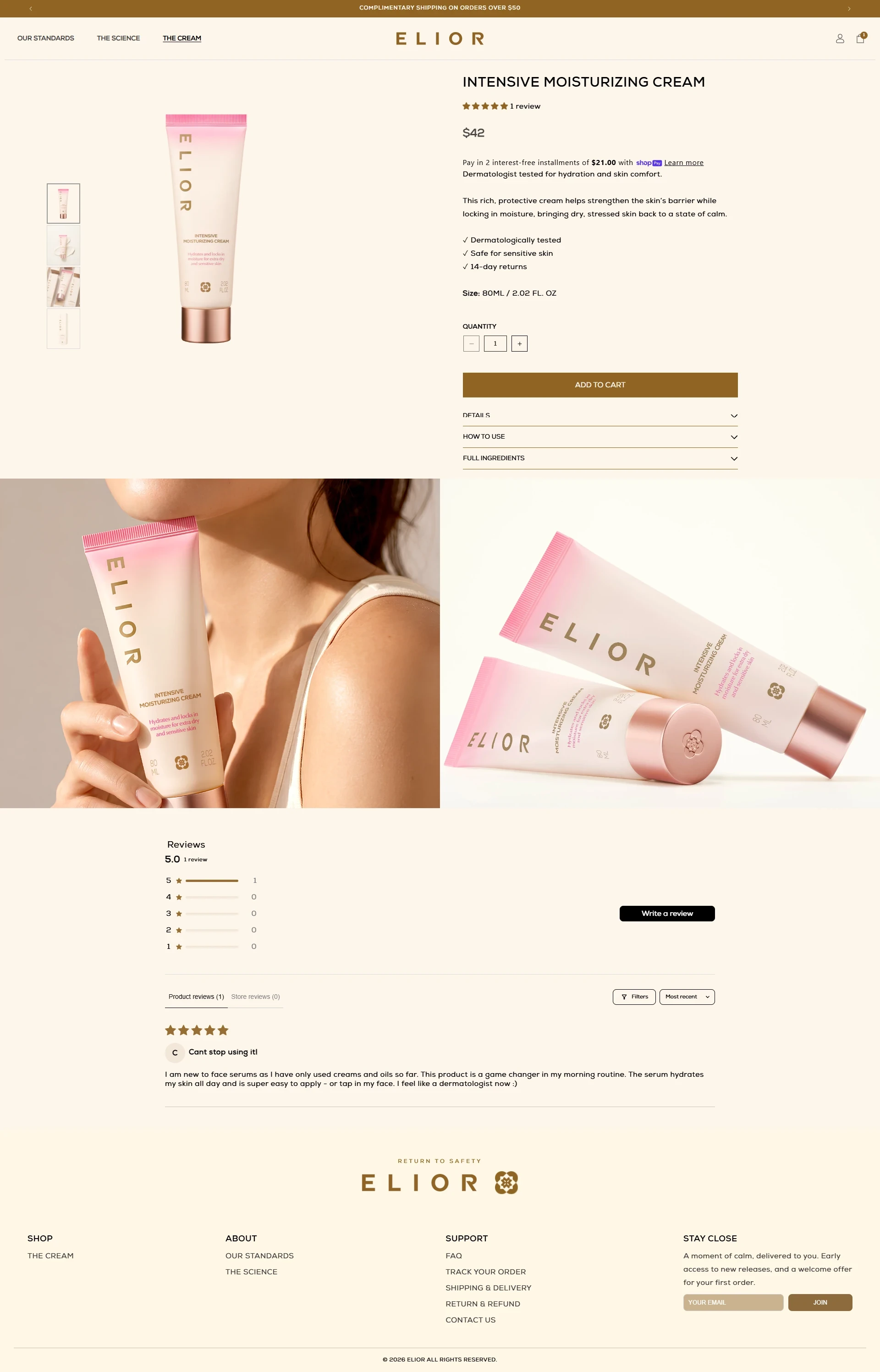
Product-Focused Experience
Structured product pages and ecommerce elements to provide customers with a clear browsing and purchasing journey.
Scalable Shopify Foundation
Built the store architecture with flexibility for future updates, additional products, and new content requirements.
Technology Stack
Design
Figma
Development
Shopify
Shopify Liquid
HTML5
CSS3
JavaScript
Project Outcome
The final Shopify store successfully transformed the original Figma concept into a functional ecommerce experience.
The project delivered a modern, responsive storefront that maintained the brand's visual identity while leveraging Shopify's powerful ecommerce infrastructure.
The result was a scalable Shopify website designed to support ongoing content management, product updates, and future growth.
Deliverables
✓ Figma to Shopify conversion
✓ Custom Shopify theme implementation
✓ Responsive ecommerce development
✓ Custom sections and components
✓ Shopify CMS setup
✓ Cross-device optimization
✓ Final QA and launch support

Like this project
Posted Aug 3, 2026
Elior, a custom Figma to Shopify ecommerce conversion, transforming a premium design into a responsive, scalable, and user-friendly online store.
Likes
0
Views
13