
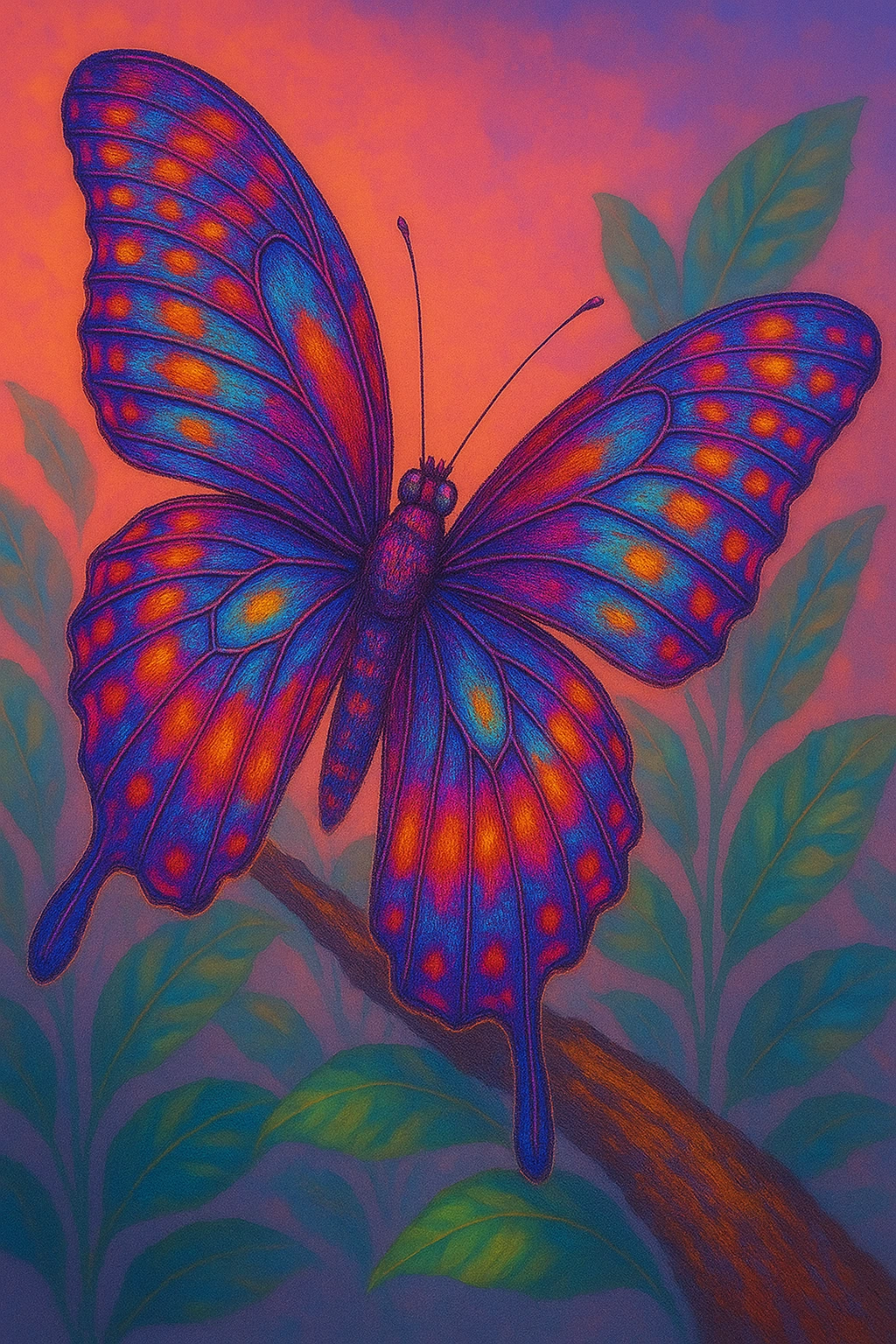
AI Image Generation: Vibrant Wildlife Portrait Collection
Visual Identity Goals
Create emotionally engaging wildlife portraits that transcend traditional nature photography
Develop a signature hyper-saturated artistic style for wildlife content
Establish visual consistency across diverse animal subjects while maintaining species authenticity
Generate scalable wildlife art assets for conservation awareness campaigns
Bridge the gap between scientific accuracy and artistic expression
Create memorable visual content that drives environmental engagement
Support rapid production of species-specific educational materials
Enable seasonal wildlife content with consistent artistic treatment
Prompt Architecture Foundation
Core Platform Parameters
Engine Settings: Advanced AI with hyperrealistic texture rendering capabilities
Resolution: 4K portrait orientation (2:3 aspect ratio) optimized for social media and print
Style Consistency: Unified color theory and lighting approach across all species
Quality Standard: Gallery-ready wildlife art requiring minimal post-processing
Output Volume: Scalable from 20-200 species portraits per campaign cycle
Technical Specifications
Aspect Ratio: 2:3 portrait format for optimal social media performance
Color Depth: 16-bit color channels for maximum gradient smoothness
Texture Detail: Hyperrealistic surface rendering with individual scale/fur/skin detail
Background Treatment: Consistent gradient methodology across all subjects
Core Visual Style Framework
Color Architecture
Primary Palette: Hyper-saturated complementary color schemes
Warm Base: Coral Pink (
#FF7F7F), Sunset Orange (#FF8C42), Golden Yellow (#FFD23F)Cool Accents: Electric Blue (
#1E90FF), Emerald Green (#50C878), Violet Purple (#8A2BE2)Transition Tones: Periwinkle (
#CCCCFF), Lavender (#E6E6FA), Rose Pink (#FF66CC)Lighting Methodology
Primary Lighting: Directional cinematic lighting with soft shadows
Highlight Strategy: Sharp rim lighting to emphasize texture and form
Shadow Treatment: Soft, gradient shadows that enhance three-dimensional depth
Eye Focus: Specialized lighting on eyes as primary focal points with glassy reflections
Composition Standards
Subject Positioning: Centered portrait with strong eye contact engagement
Environmental Integration: Tropical leaf framework as consistent supporting element
Depth Strategy: Shallow depth of field effect with sharp subject focus
Scale Balance: Subject occupies 60-70% of frame for maximum impact
Background Treatment Protocol
Gradient Methodology
Base Layer: Warm coral pink foundation
Transition Zone: Smooth gradient progression through orange and purple tones
Top Layer: Cool periwinkle or lavender finish
Texture: Subtle atmospheric depth without competing with subject focus
Leaf Integration Standards
Style: Large, lush, painterly rendering
Color: Consistent emerald green with subtle gradient variations
Lighting: Rim lighting coordination with subject lighting
Positioning: Strategic placement to frame subject without obstruction
Quality Control Guidelines
Technical Validation
Verify hyper-saturation levels maintain visual appeal without oversaturation artifacts
Ensure gradient smoothness in backgrounds with no banding or compression issues
Validate individual texture detail rendering (scales, fur, skin) meets hyperrealistic standards
Confirm eye reflection quality and focal point effectiveness
Check aspect ratio consistency across all generated images
Artistic Consistency
Maintain complementary color theory application across all species
Ensure lighting direction consistency for cohesive collection appearance
Validate tropical leaf rendering quality and integration
Confirm subject positioning and scale consistency
Assess overall emotional engagement and visual impact
Species Accuracy
Verify anatomical correctness within artistic interpretation boundaries
Ensure species-specific characteristics are properly emphasized
Validate natural pose and expression authenticity
Confirm appropriate scale relationships between subject and environmental elements
Brand Alignment
Assess adherence to hyper-saturated artistic style guidelines
Ensure consistent cinematic lighting application
Validate background gradient execution across all subjects
Confirm overall collection cohesiveness for campaign deployment
Production Optimization
Prompt Template Structure
Variable Customization Points
Species Selection: Adaptable for any wildlife subject
Texture Descriptors: Species-appropriate surface detail terminology
Color Palette Variations: Complementary schemes tailored to subject characteristics
Anatomical Emphasis: Species-specific feature highlighting
Pose Variations: Natural behavior integration while maintaining portrait format
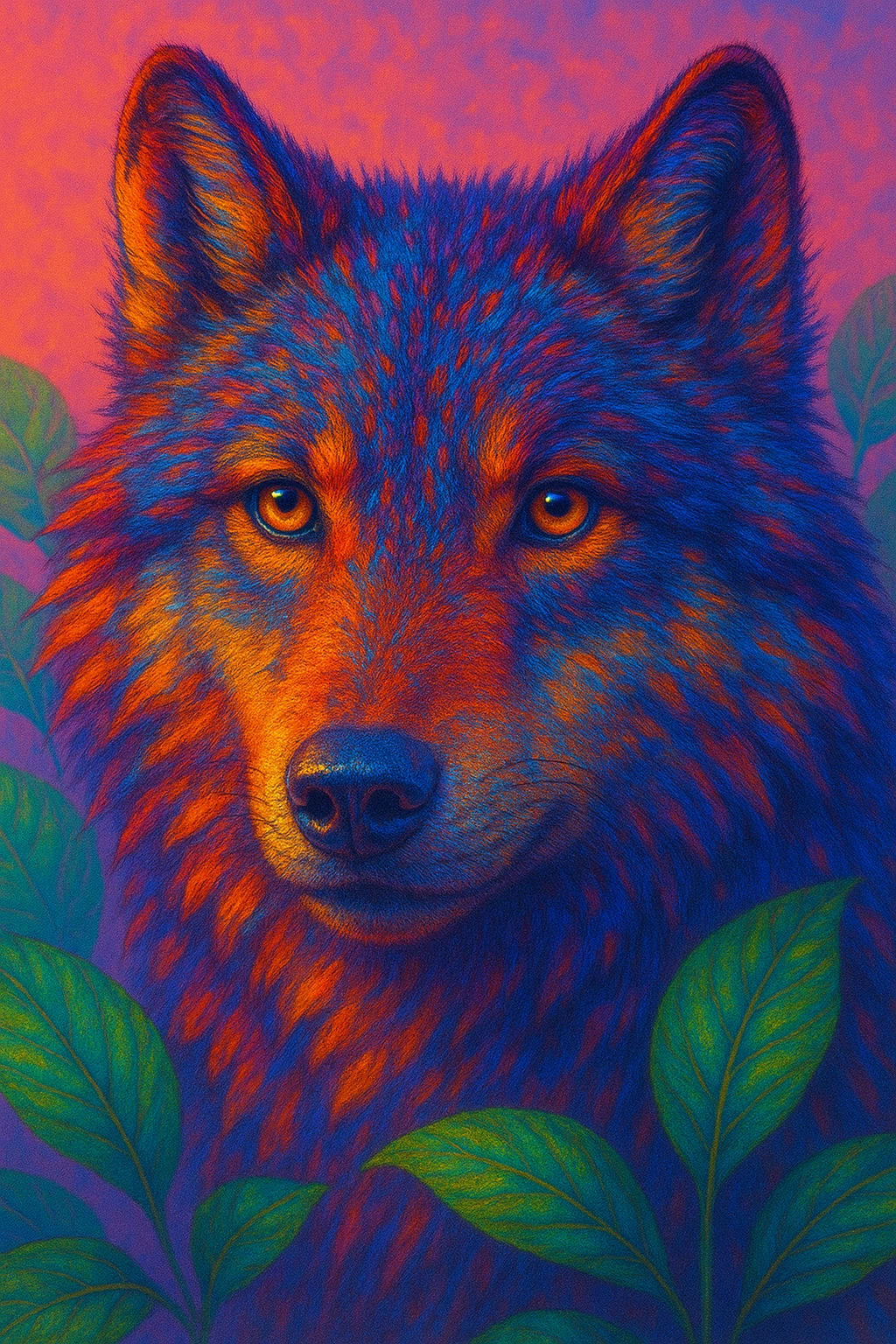
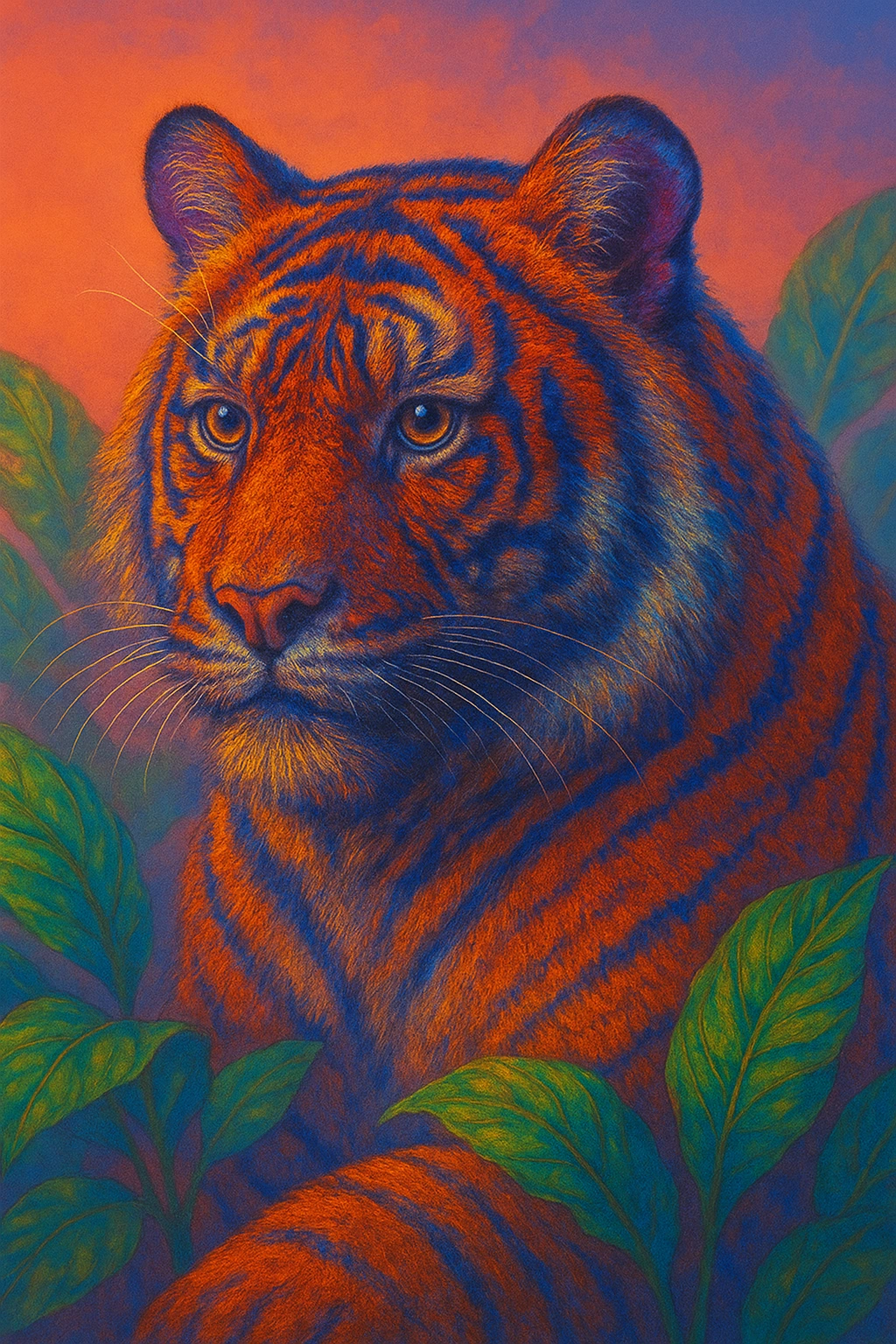
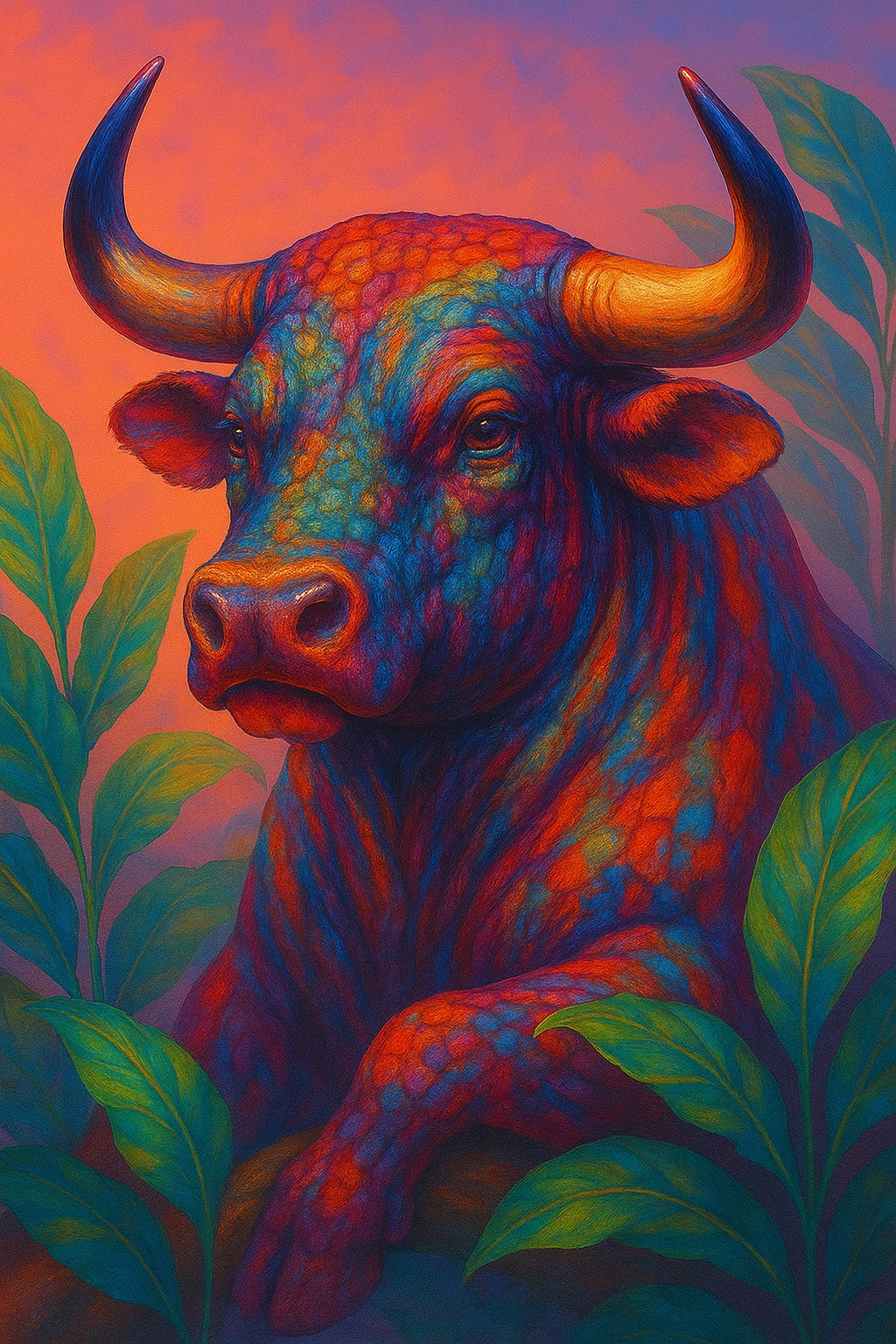
More Images....
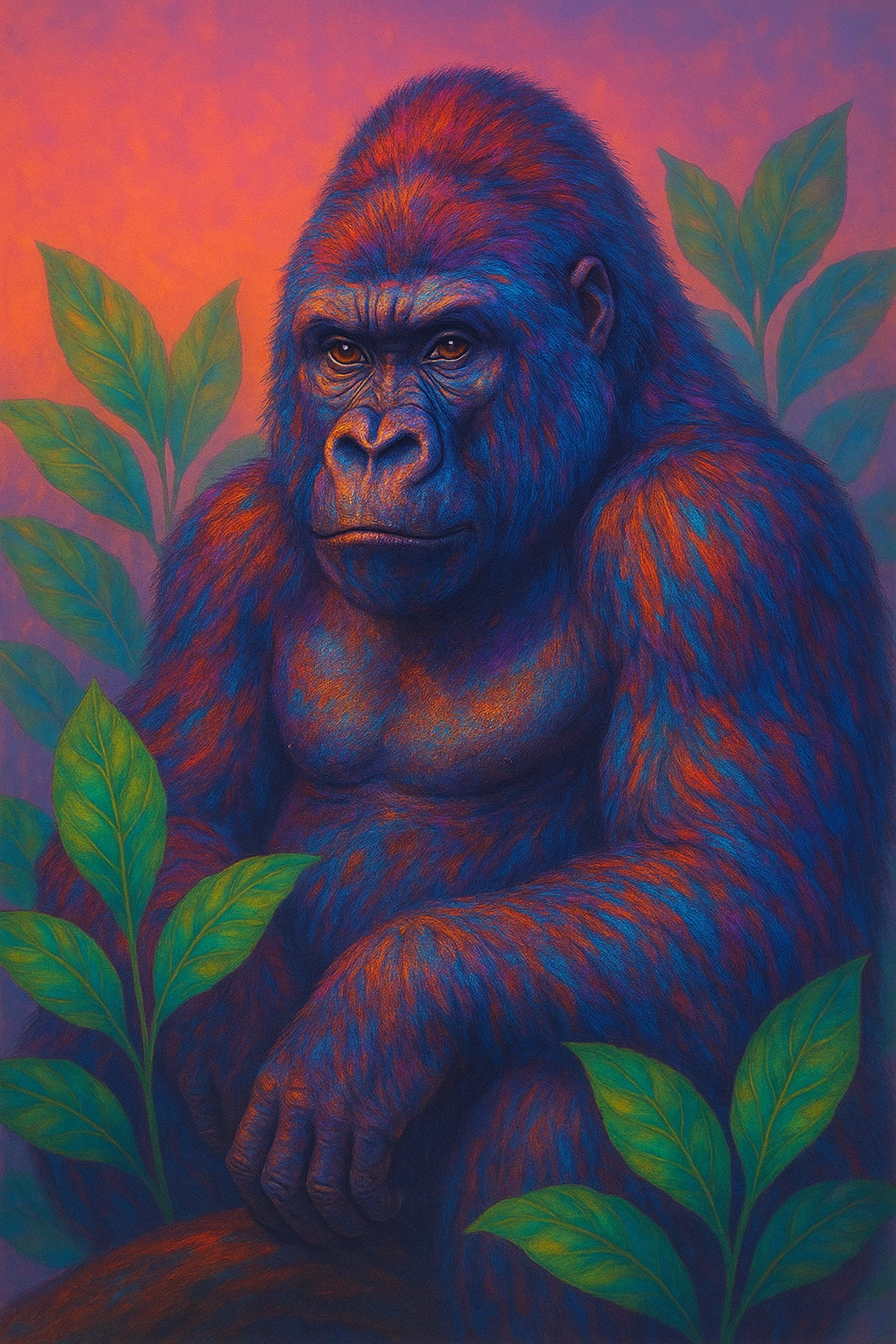
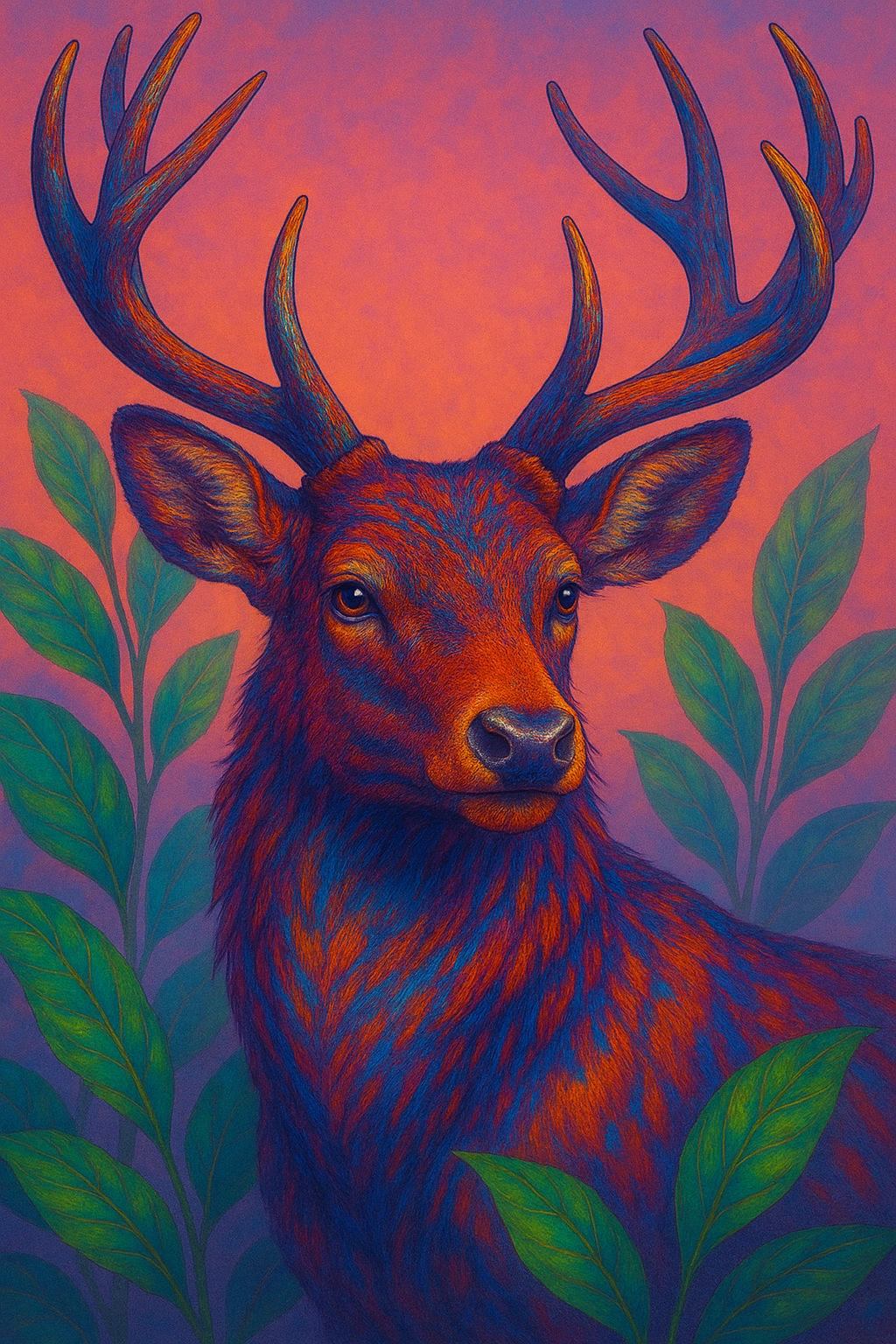
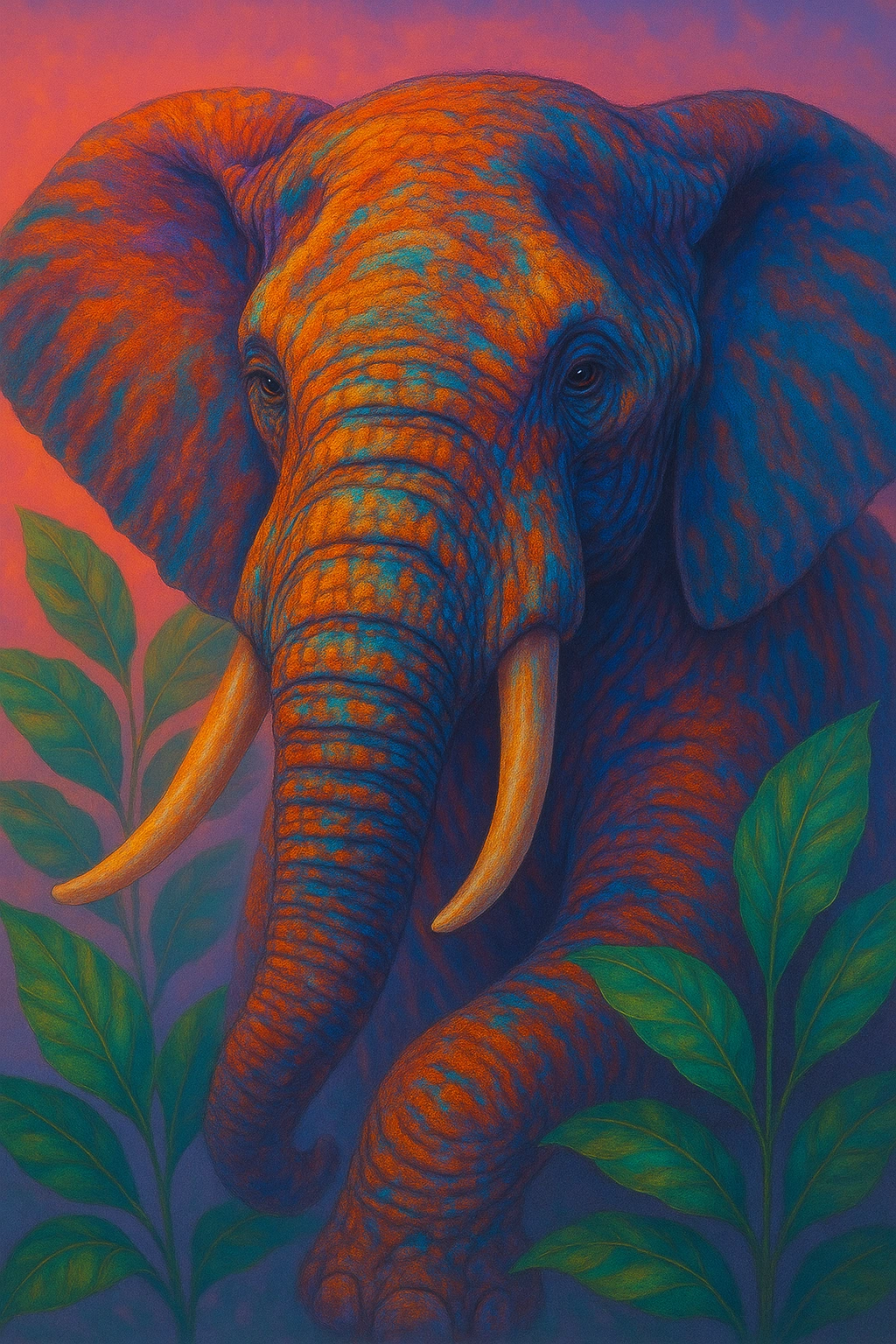
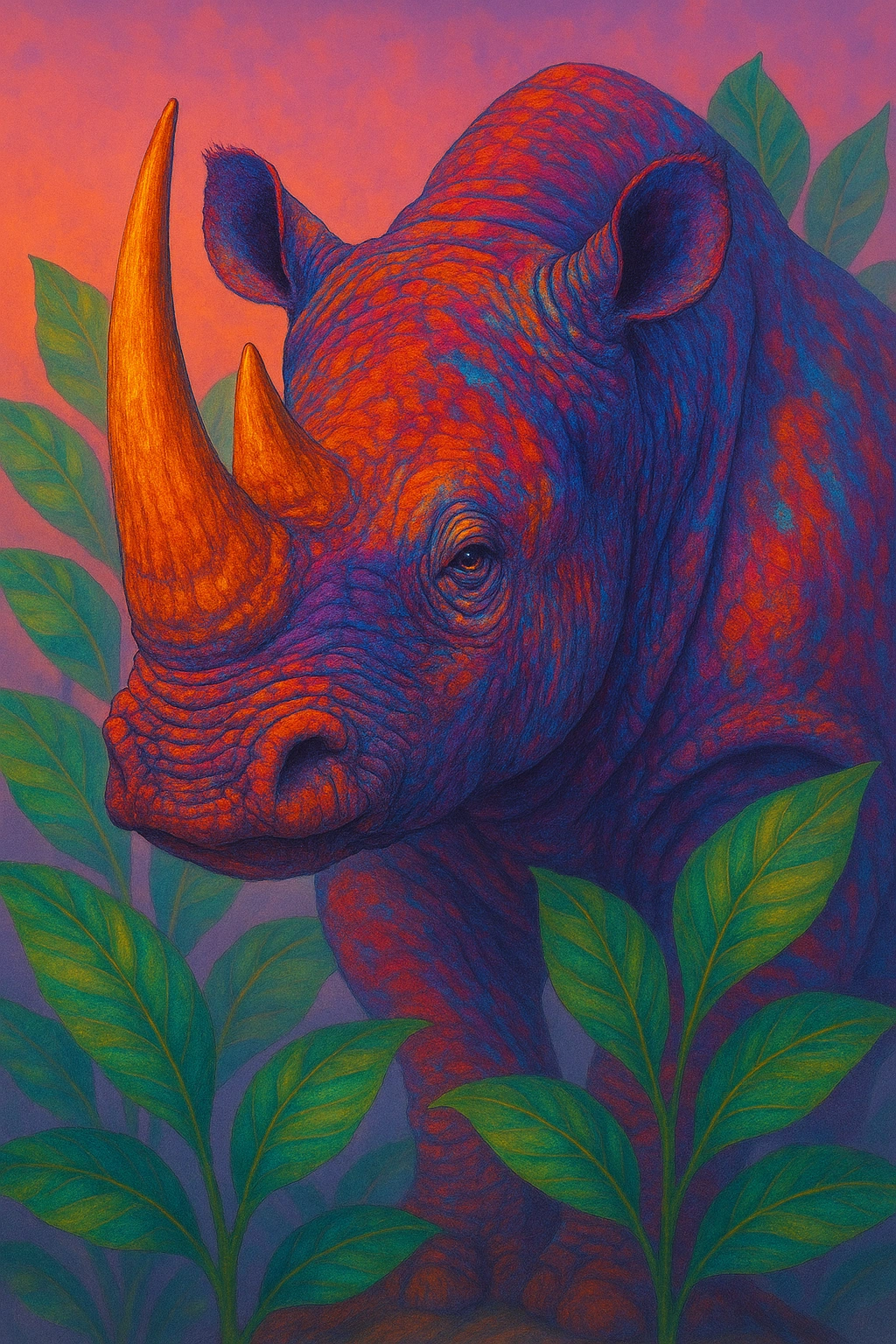
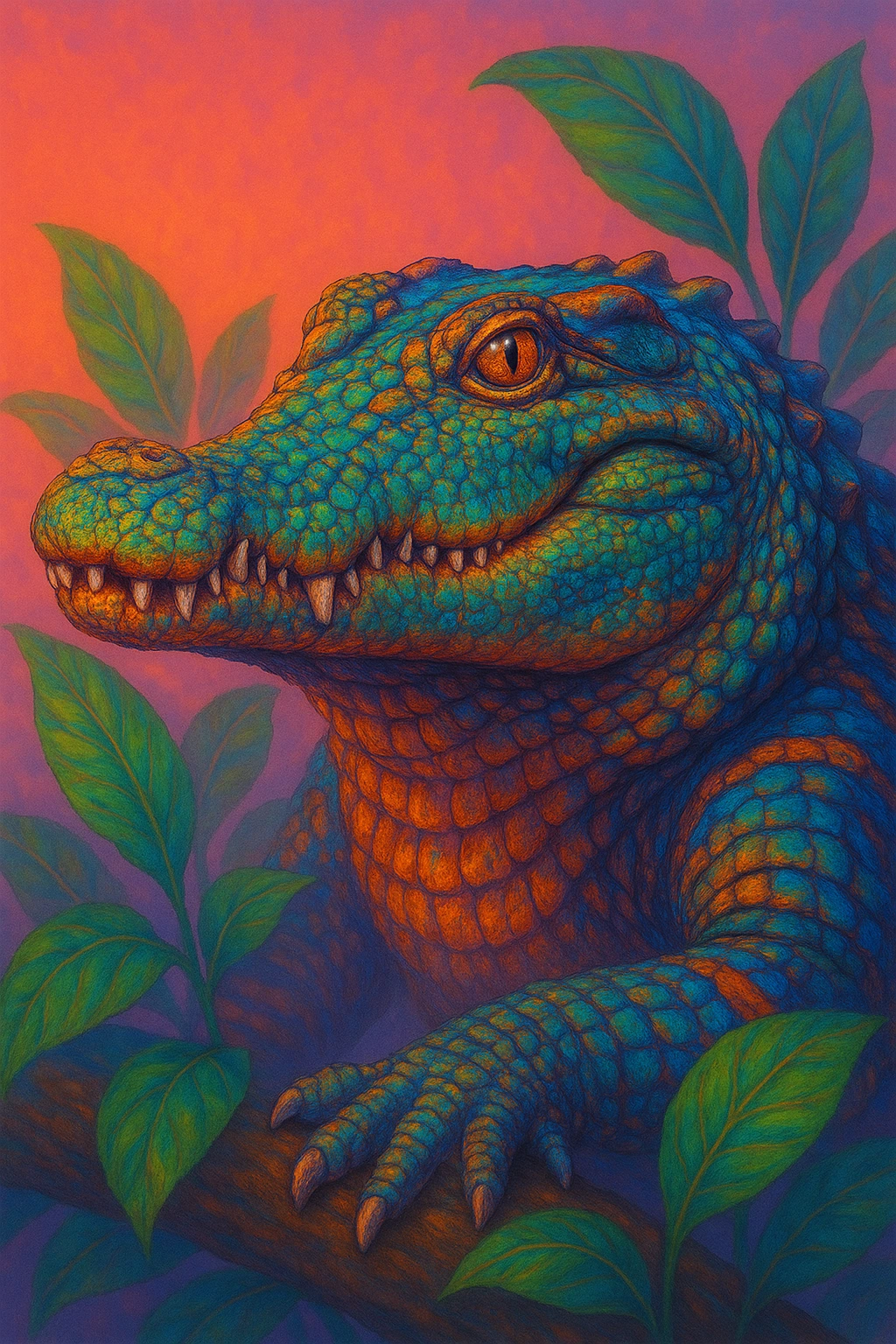
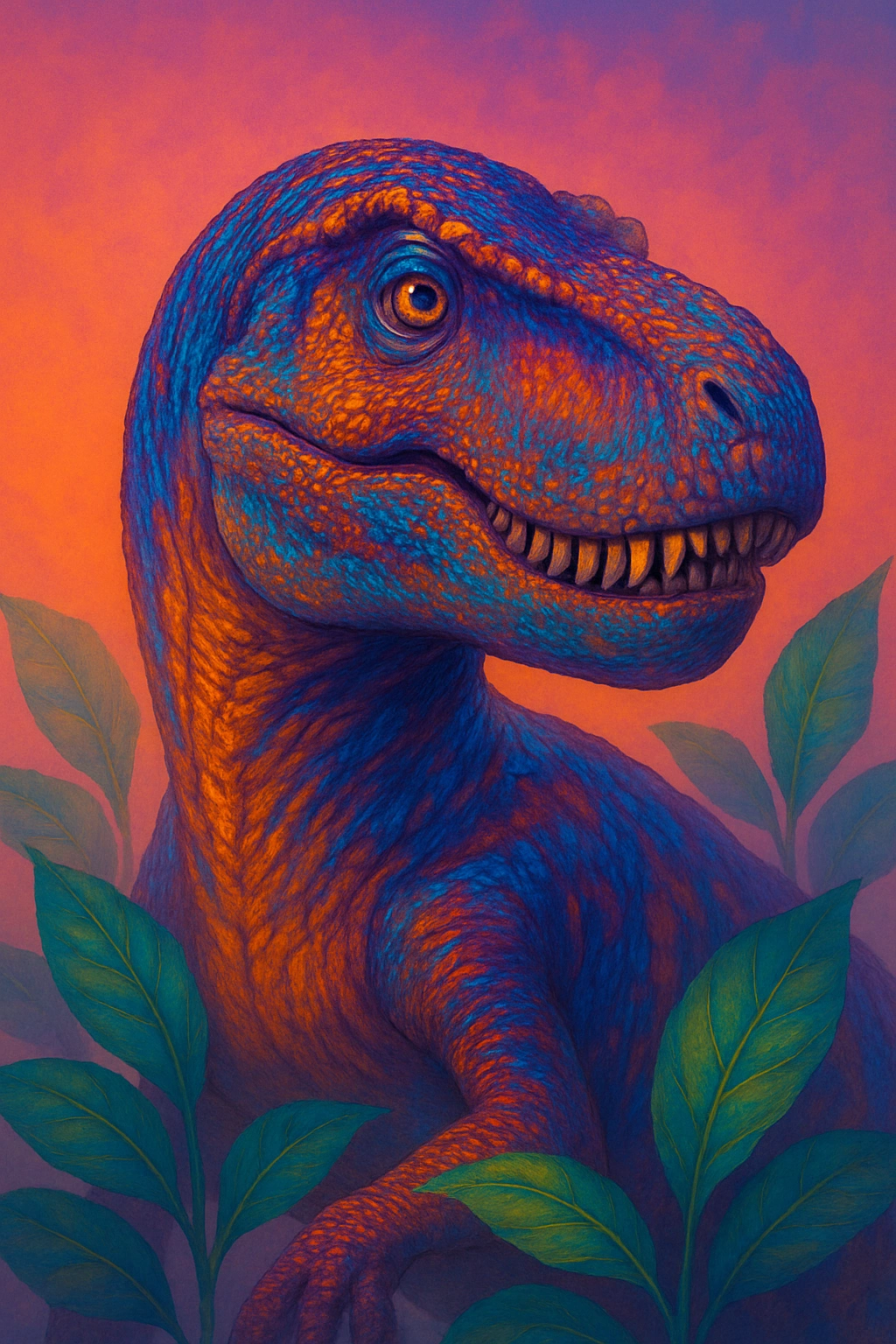
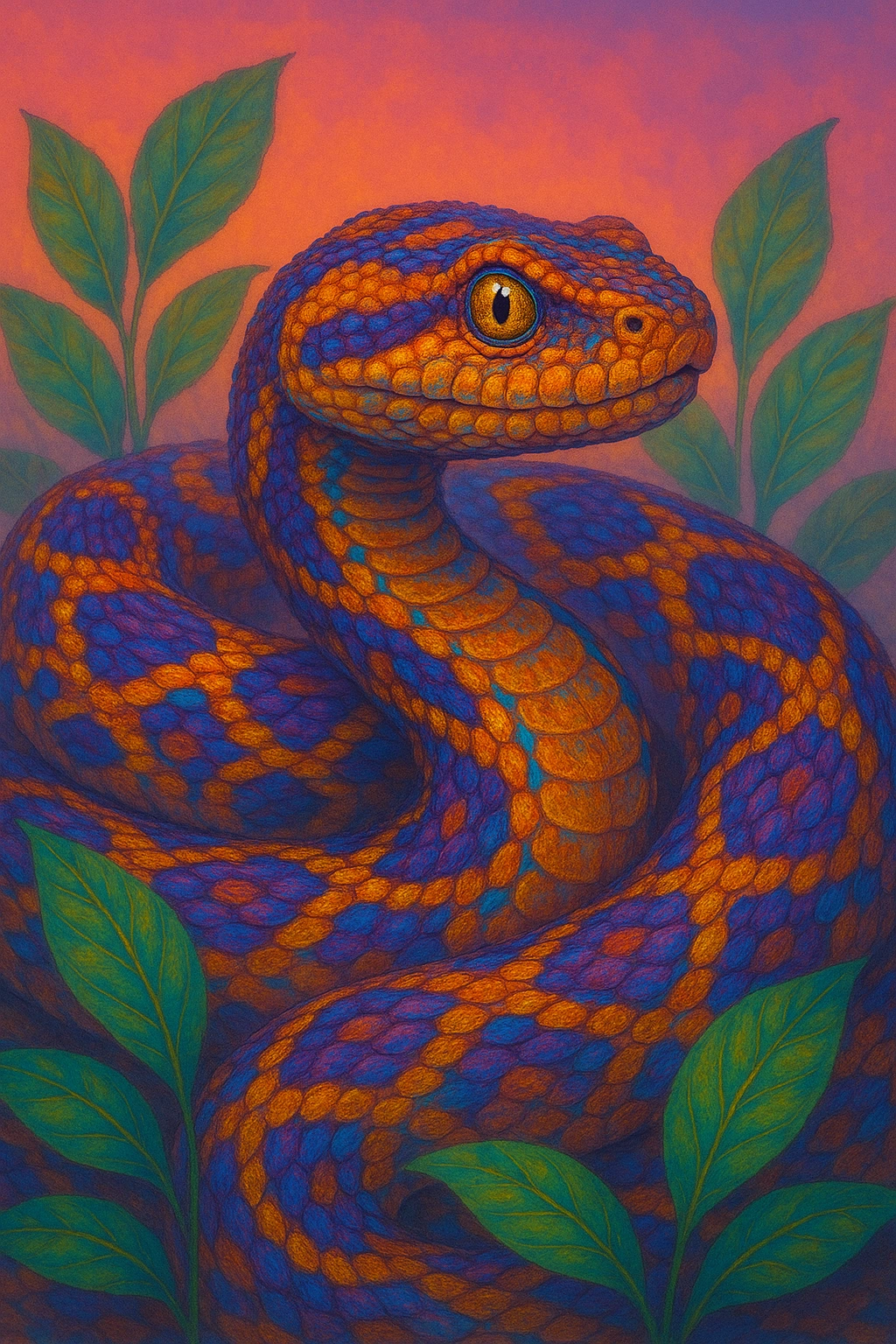
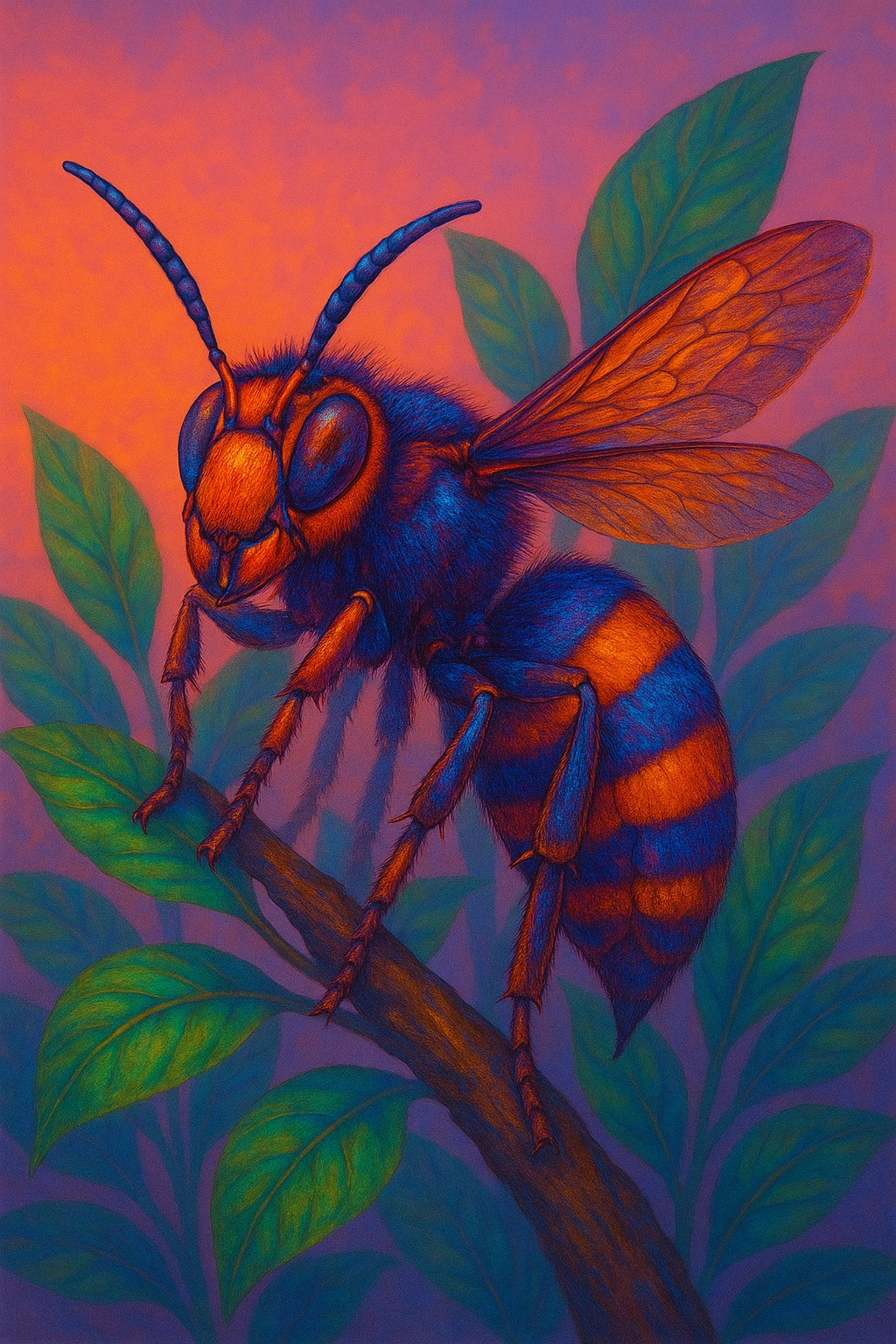
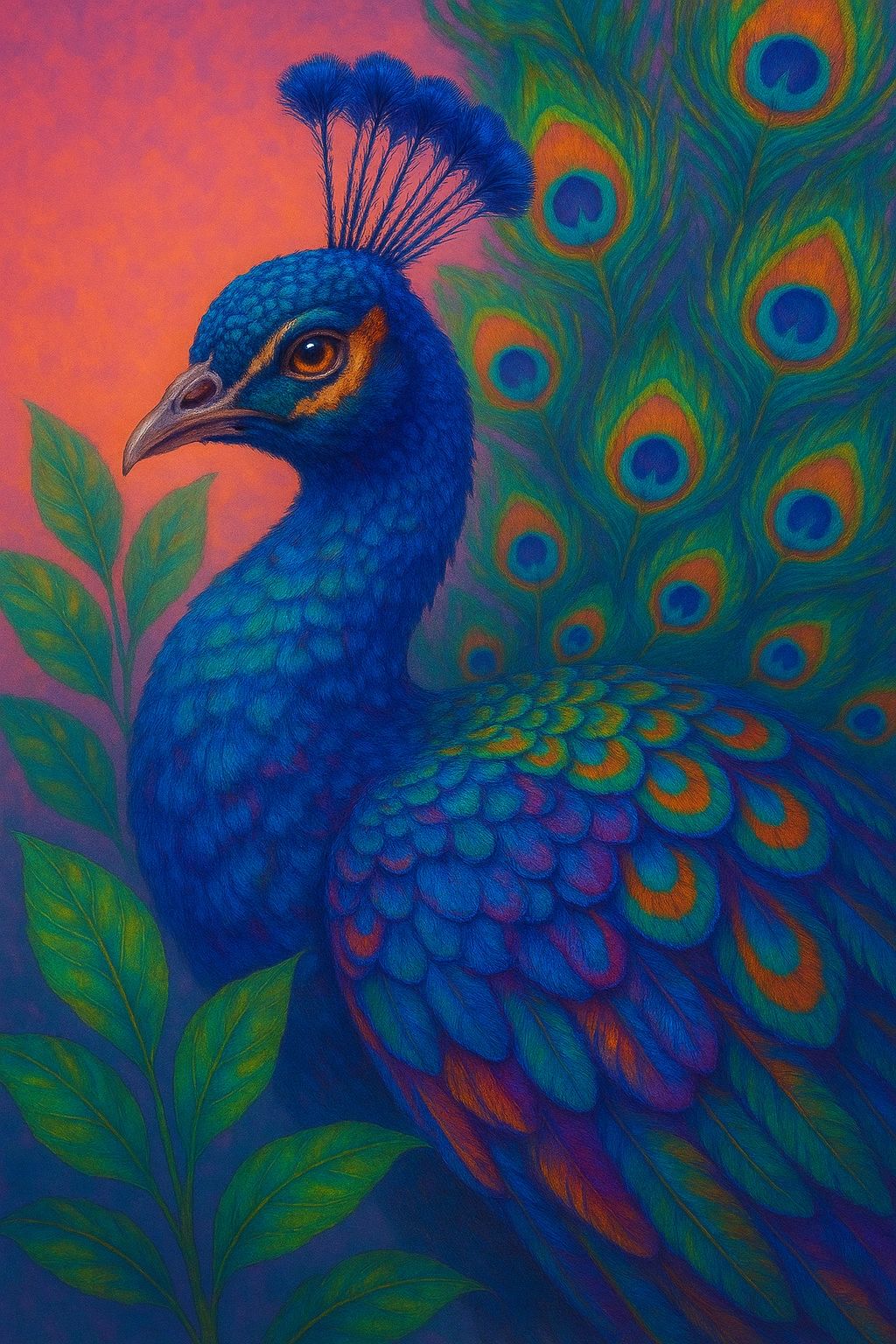
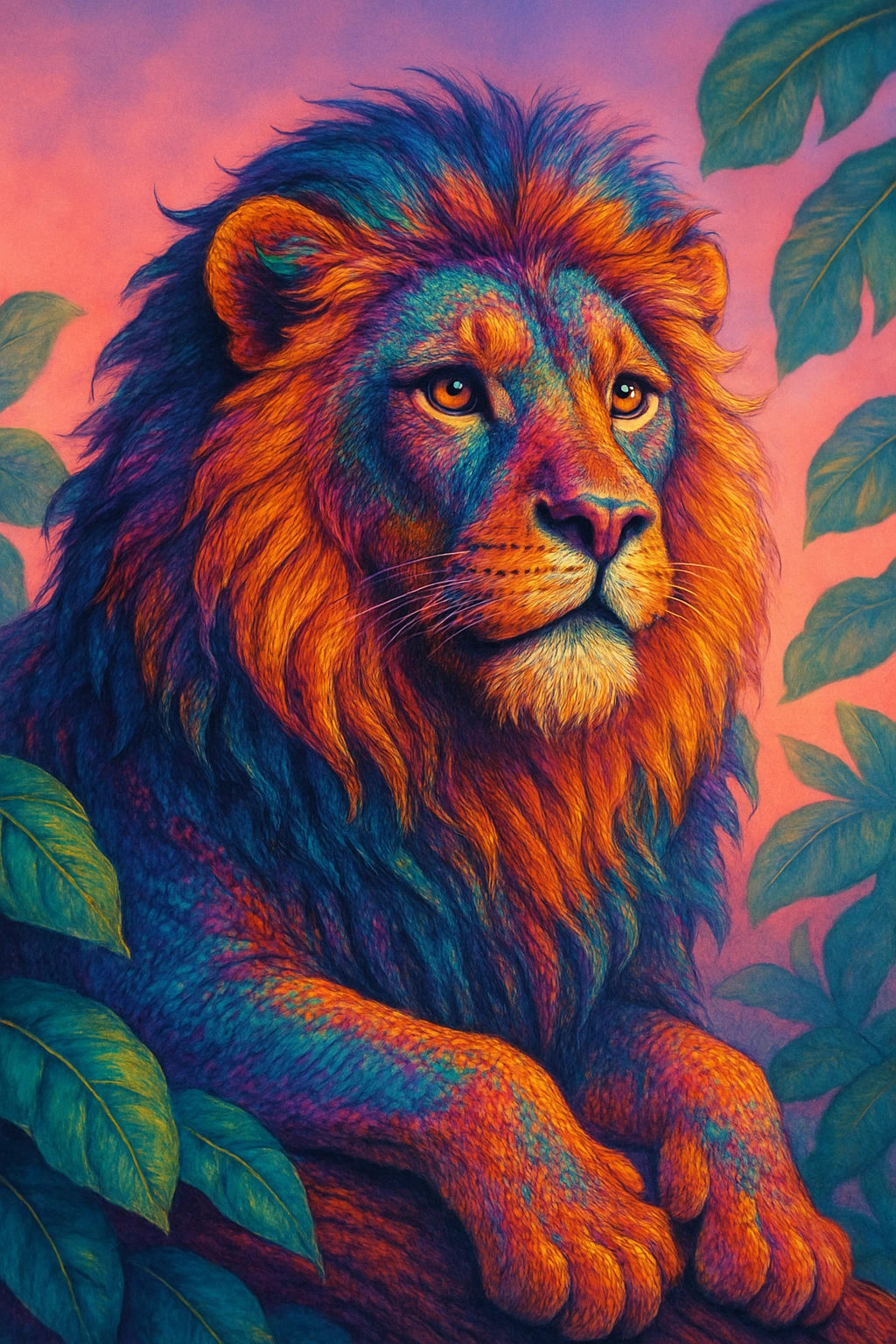
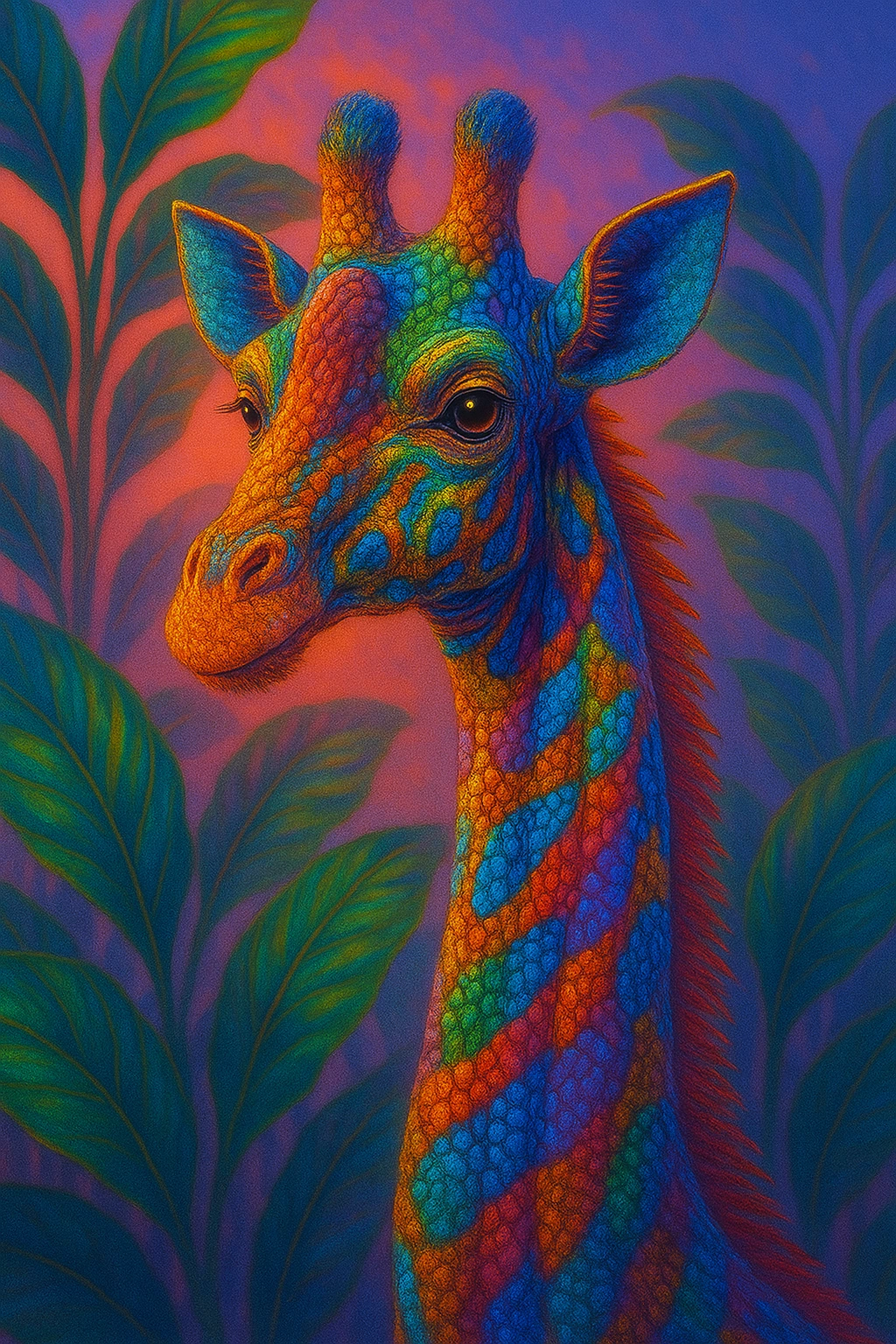
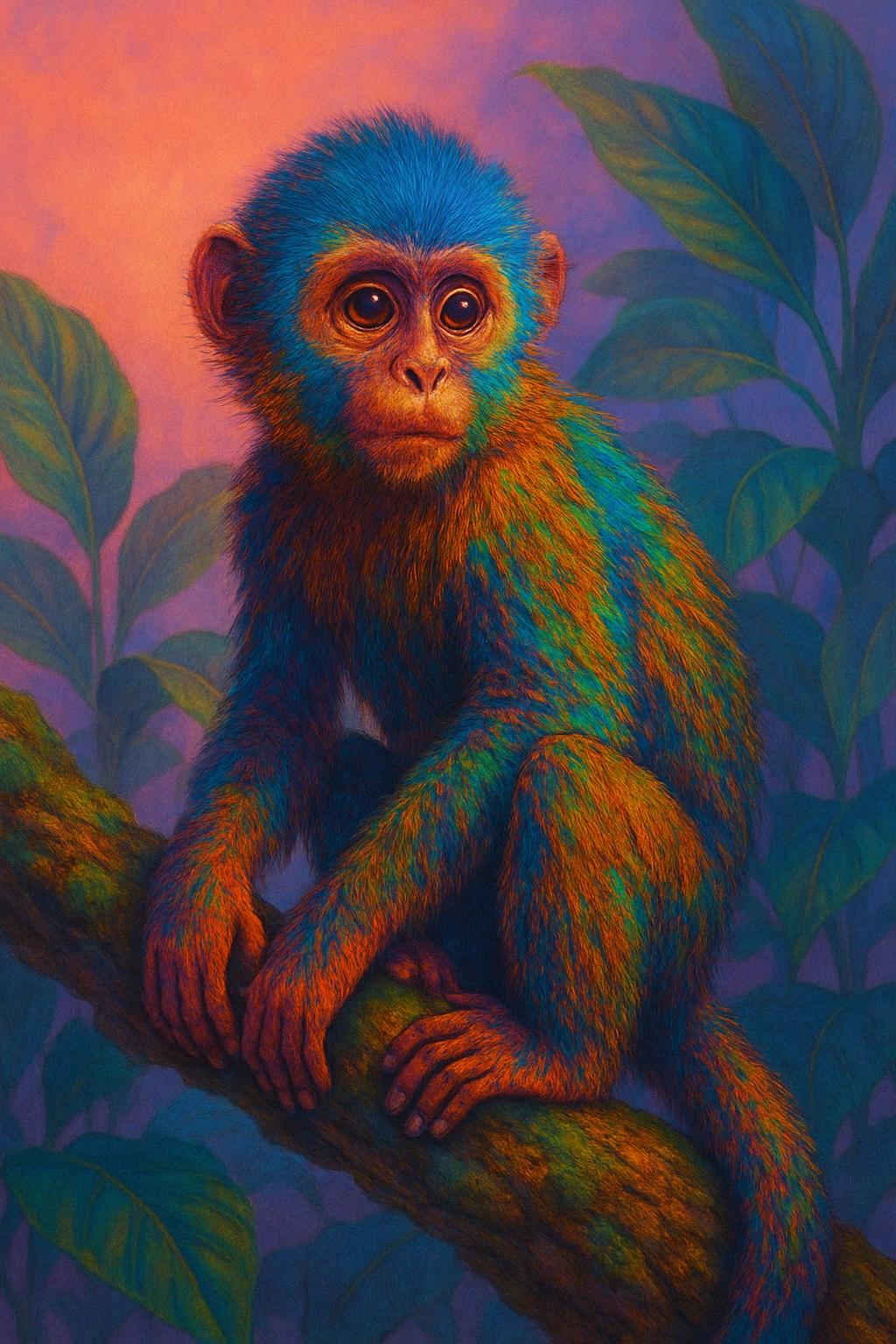
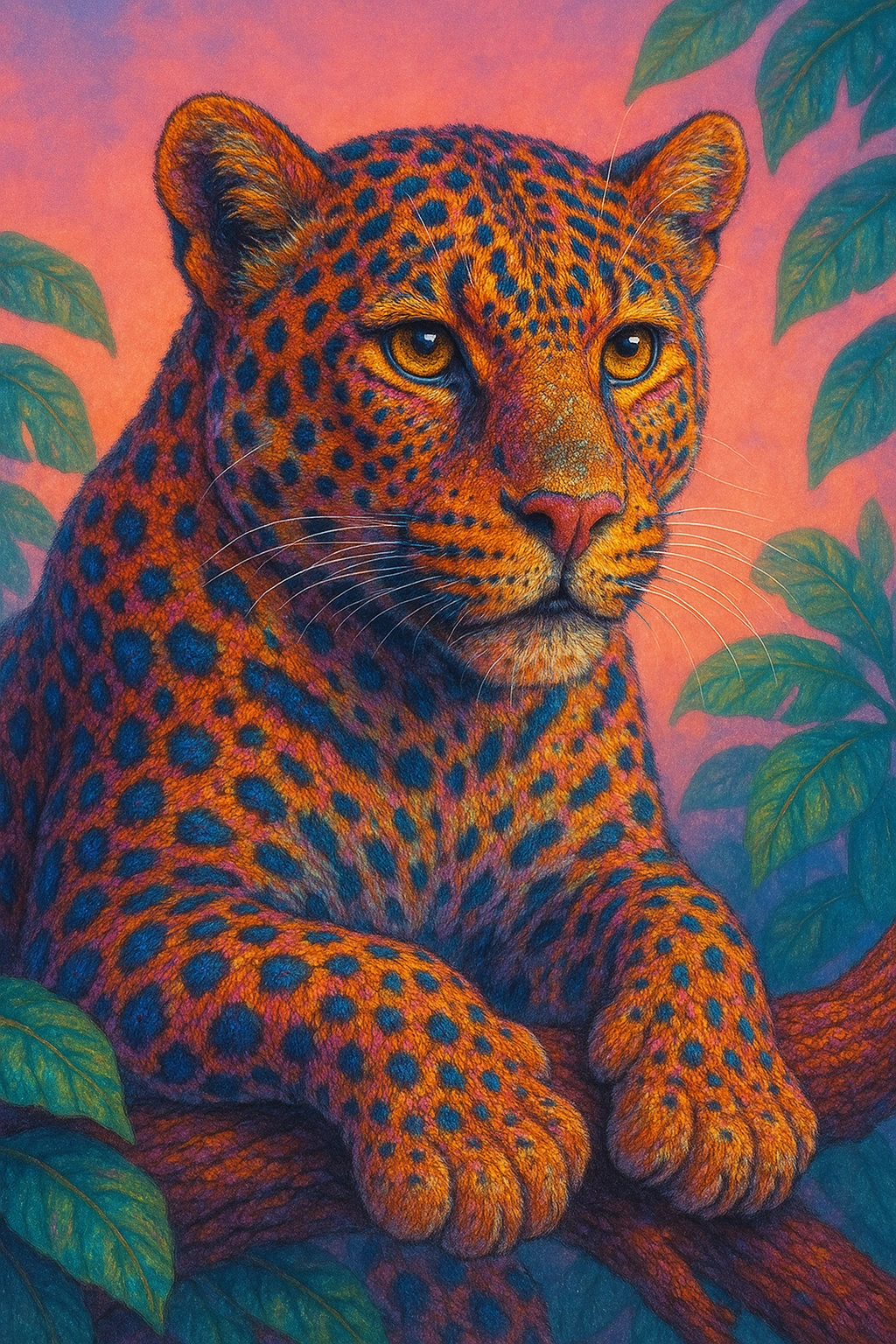
2 likes · 14 views · Jun 29, 2025
Created vibrant wildlife portraits with hyper-saturated style for conservation campaigns. Generated completely using AI, keeping the visual style consistent.


