👋 Crafting UX Personas @Esurance

Paul Sheetz


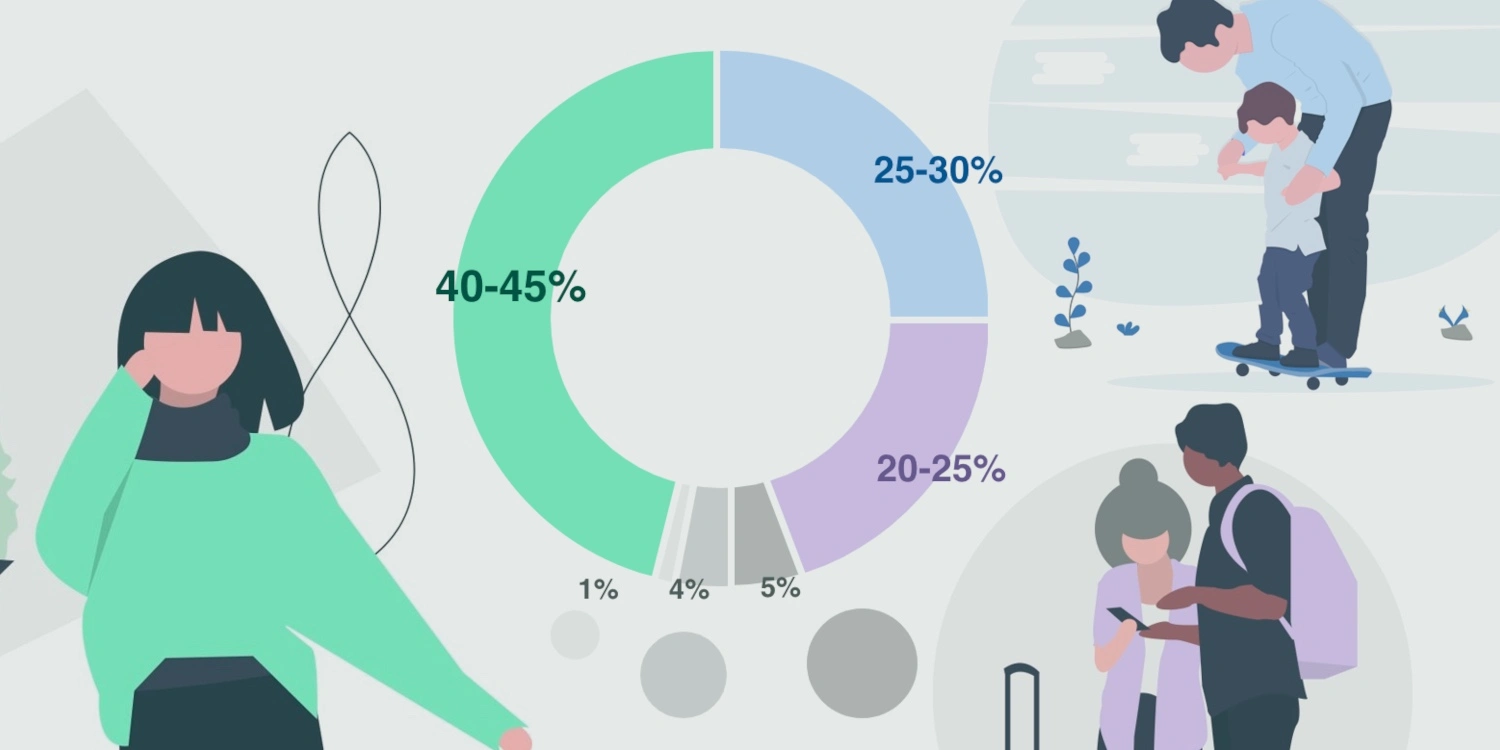
Generating UX personas for online car insurance @ Esurance
How might we... Establish a foundational understanding of our customers to better serve their specific needs, goals, and motivations through our digital product experiences.
TL;DR
Online car insurance makes it much easier to purchase a policy, but not having any physical locations makes it more difficult to know the customer.
Our challenge was to develop UX personas that clarify typical customer needs, behaviors, and expectations across the 3 main experience phases.
We got creative in surfacing and synthesizing a mix of quantitative and qualitative data to paint a 360° picture of our customers that could be bought into by all.
The outcome was the creation of proprietary data models, 3 salient UX personas, a roadmap of UX opportunities, and increased cross-funcational collaboration with customer empathy.
View other Turbo UXR examples, if you're interested in the mixture of quant and qual data in user research. Expediting User Research @ Meta where we ran live experiments to test prototypes with users, and Increasing Payment Flexibility @Esurance where we shipped MVPs to assess market demand.
At Esurance (or any company) having a clear idea of our customers is vital to the business and design decisions. It delineates what we should do for each customer segment, as much as what we should NOT do for each segment. Creating great user experiences becomes easier when there is common understanding of customer needs, behaviors, and expectations.
Our UX Research team partnered with cross-functional teams, such as data analytics, marketing, design, product, and operations to generate our Esurance UX personas. The goal was to define major needs, pain points, and opportunities across the purchasing, managing, and claims experience for our major customer segments.
Outcomes and 🔥 impacts:
Developed proprietary data analytics model
Informed new product feature development for acquisition
Built comprehensive log of UX needs across touchpoints and personas
Increased empathy and statistical understanding of major user groups
Improved relationships between product, research, design, and operations
View related UXR best practices learned from this project and more. See 7 Components of Compelling Insight Themes for how to communicate UX opportunities while saving time and energy, and 3 Points to Successful User Insight Storytelling for how to succeed in sharing insights with partner teams.
UX research process:
First, we partnered with the data science team to understand the book of business on macro scale. We stratified our customers along a variety of data axes (plural of axis) to pull apart our customers in different ways. This helped us examine our population from multiple angles to get a sense for what stood out. It also provided the UX design and research team with invaluable understanding of our customers, so that we could wrap our minds around the broader population.
Second, we conducted SME interviews to understand what we already knew about our different customer types. Qualitative digging with thought-leader teams who are versed in the detailed aspects of our different customers helped round out our 30,000 foot view. Virtual Assistant (VA) chat data, website behaviors, NPS data, and marketing segmentation data were other examples of rich inputs to our process. Often, connecting internal data and teams is as important as much as generating additional outside user-data.
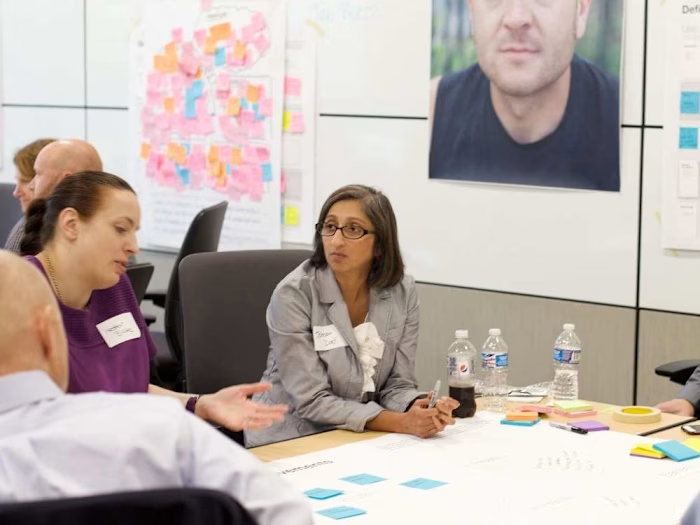
Third, we conducted in-depth qualitative interviews with our digital chat agents, phone agents, and customers. The operations experts have first-hand knowledge of the questions, needs, and issues that our different customers express on a daily basis. They’re able to summarize and create early themes of our customer types. Anecdotes, quotes, and example dialogs provided more details and color to the early groupings. After conducting 30+ qualitative interviews 💭 with existing customers as well as claims, sales, and service agents, we had robust data set with which to work.
Lastly, we synthesized our insights into version 1.0 of UX Personas through working sessions, affinity mapping, and validation with prior teams. We have quickly established a foundational understanding of 3 actionable customers groups. Complete with individual journeys, spectrums of characteristics, statistical data, detailed need statements, and opportunity areas. Through further communication at various levels in the organization, we’re strengthening the empathy and knowledge of our customers with those who create/deliver services to them.
Next steps included additional field research with targeted customers from each segment to dive deeper into visceral stand-alone deliverables:
Short videos characterizing segments clearly
Feedback on early-stage prototypes
Generation of long-term ideas
Design sprints focused on high priority areas
Evolution of our backlog of UX user needs
UXR methods:
• generative research planning • data science partnership • user interviews • subject matter expert interviews • standout deliverables
Process images:
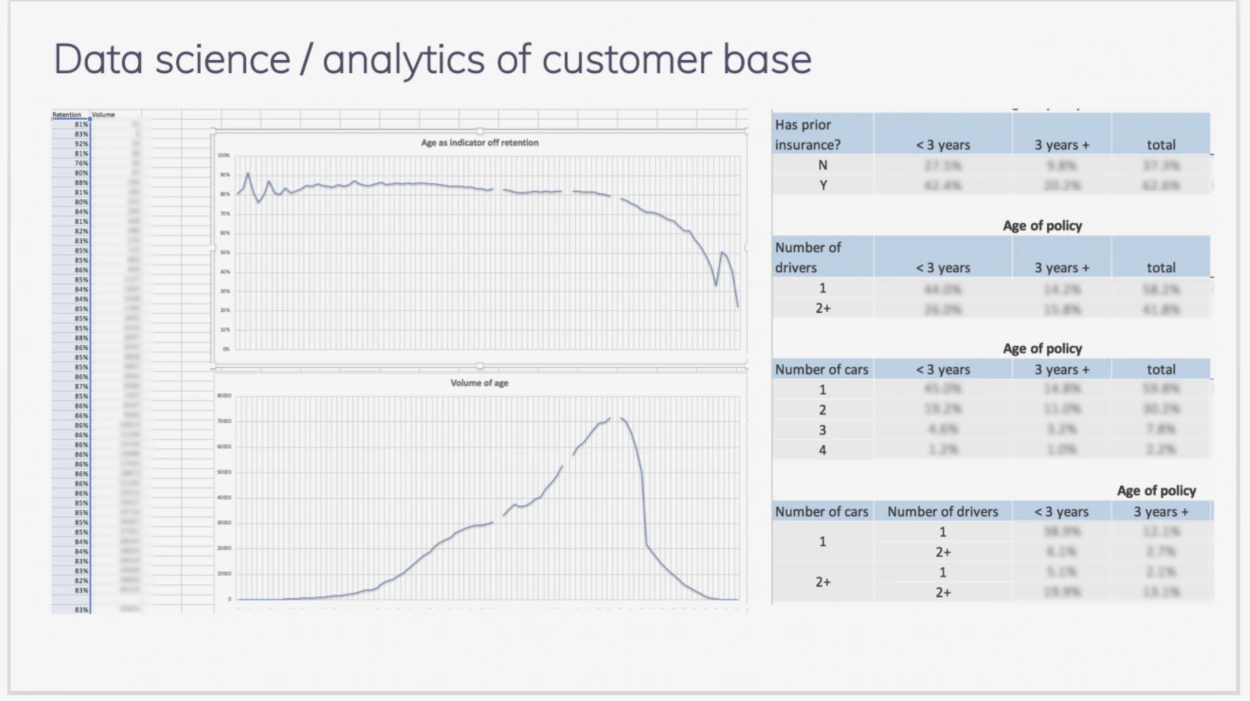
Partnered early with data science team to stratify customer base at high level
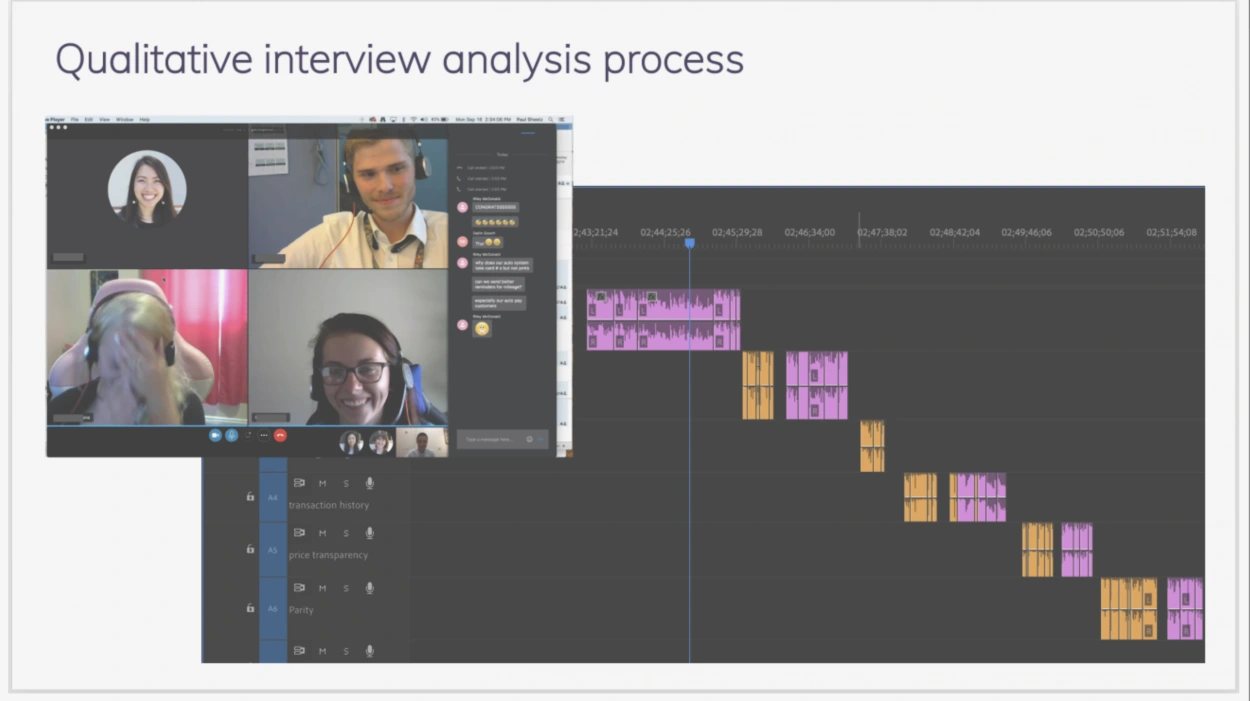
Conducted qualitative SME and user interviews to generate insight into customer types
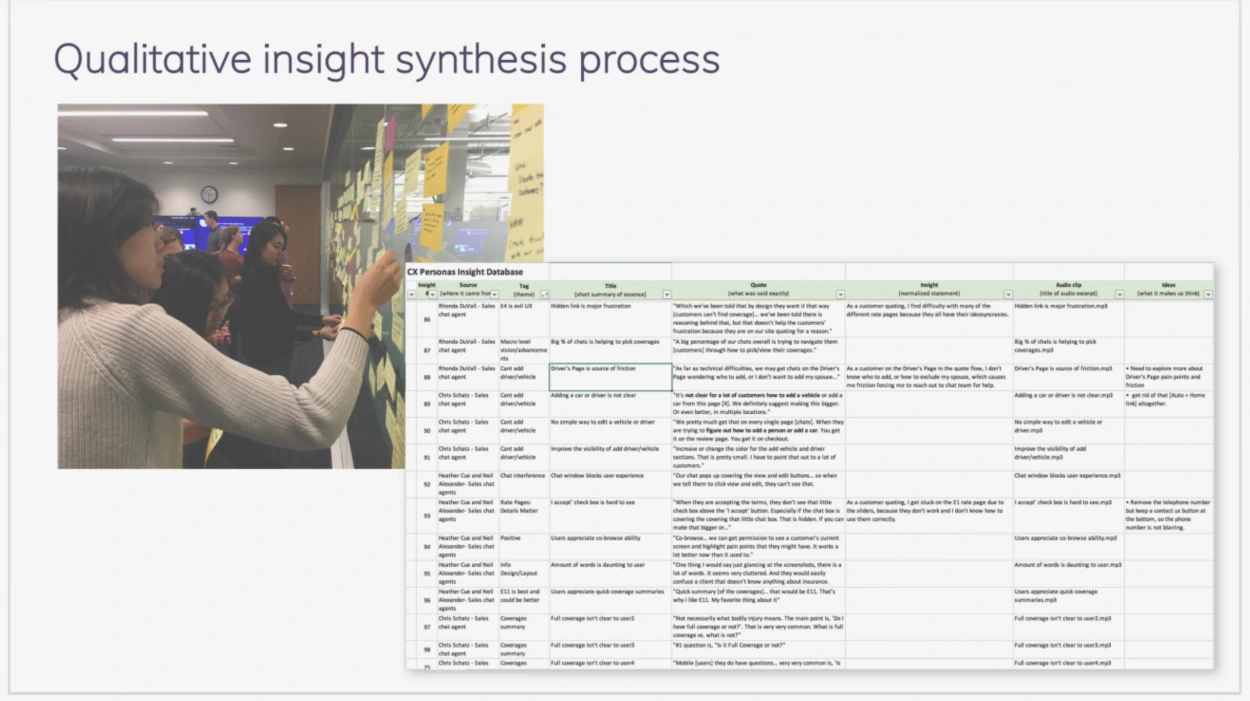
Leveraged structured synthesis framework to identify themes and patterns
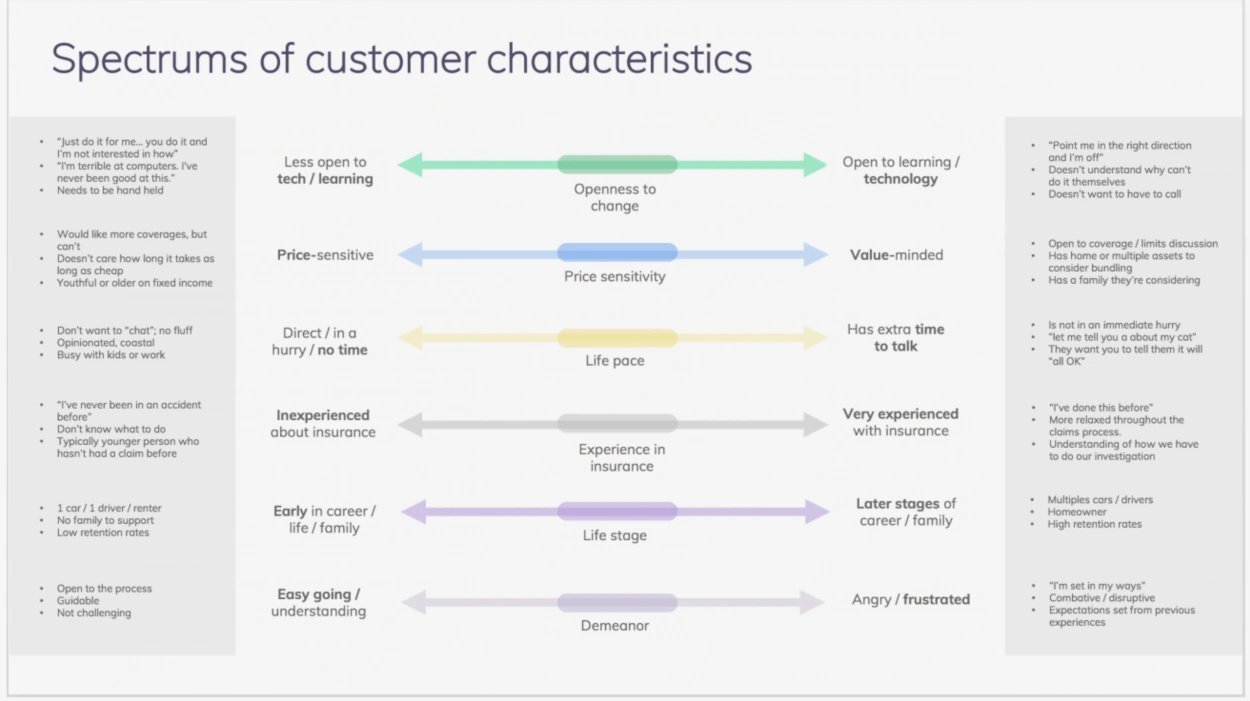
Created spectrums of customer characteristic to examine user behaviors / perceptions
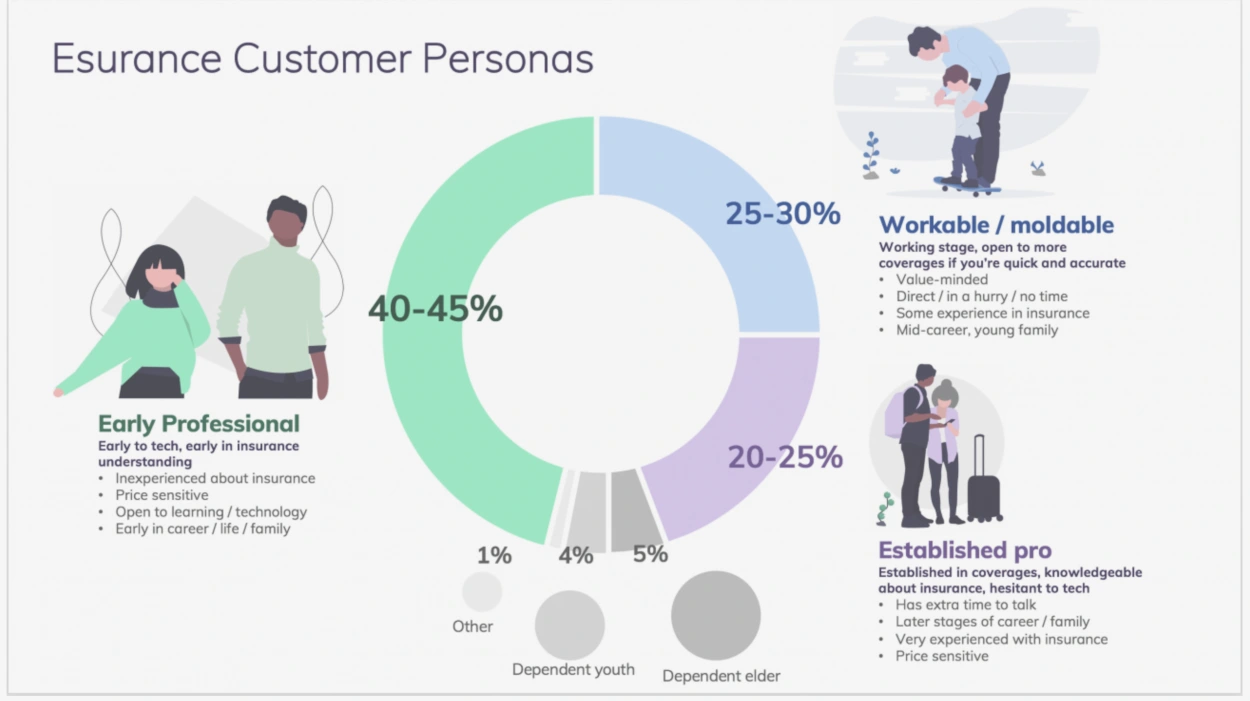
Visualized UX Personas to gain input and alignment among stakeholders
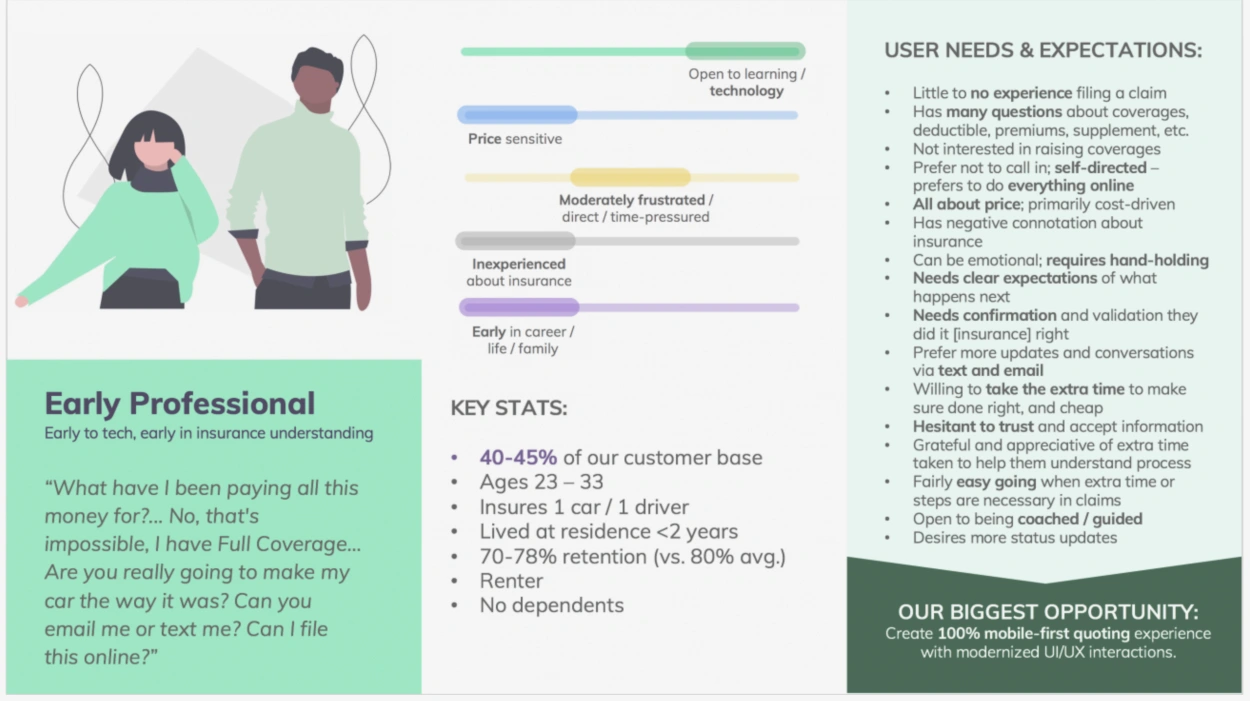
Detailed UX Personas to provide platform for ideation
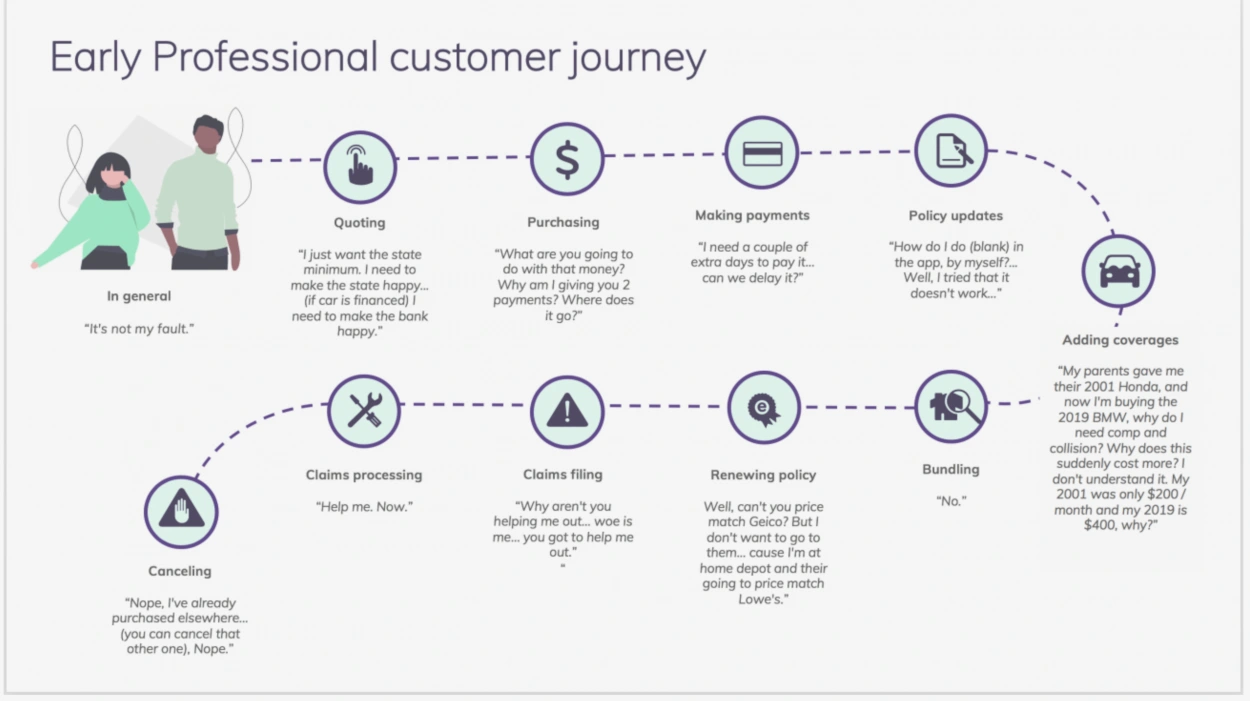
Established custom customer journeys to stimulate understanding and empathy
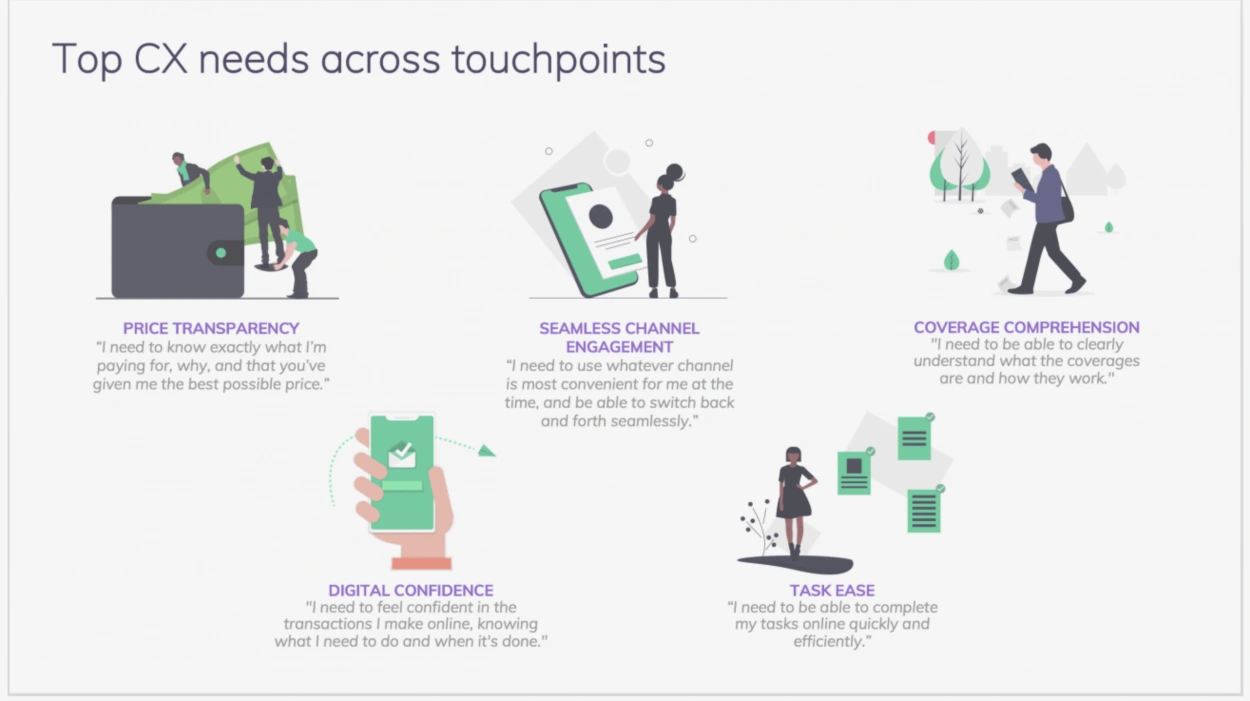
Merged with other UX deliverables to promote strategic planning
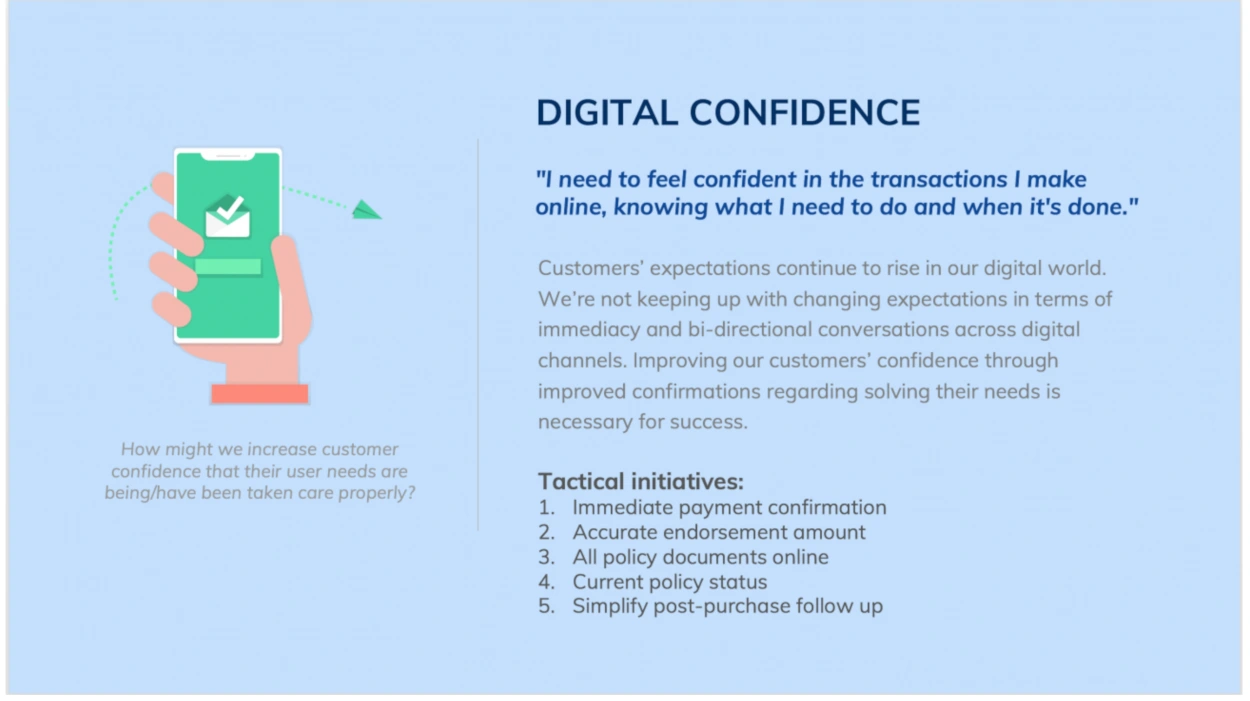
Identified key recommendation to drive new initiatives
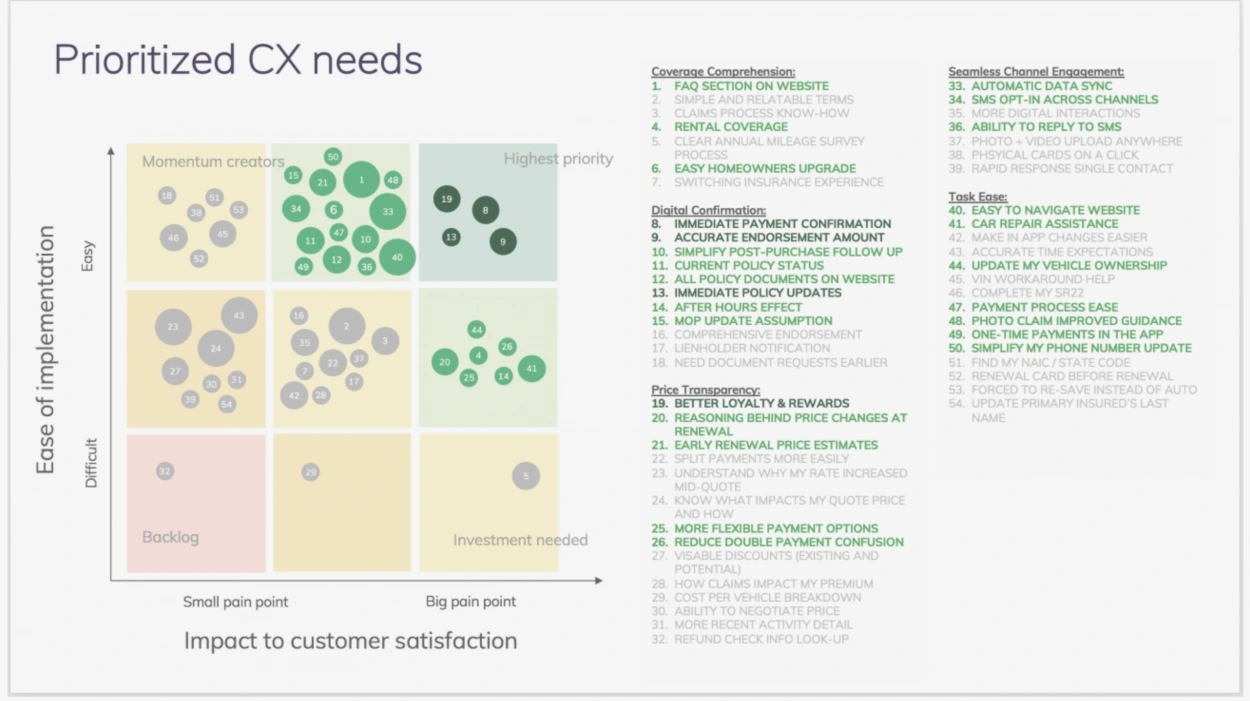
Prioritized backlog of opportunity areas to follow through execution over time
Like this project
Posted Jan 3, 2025
View our project work in user research for Esurance online car insurance. We generated UX personas via qualitative and quantitative (data science) methods.
Likes
0
Views
4
Clients
Esurance