people skip reviewing a service.

Mohammad Alhelany

people skip reviewing a service. Is it because of it or is it because of the experience of the review? 🧐
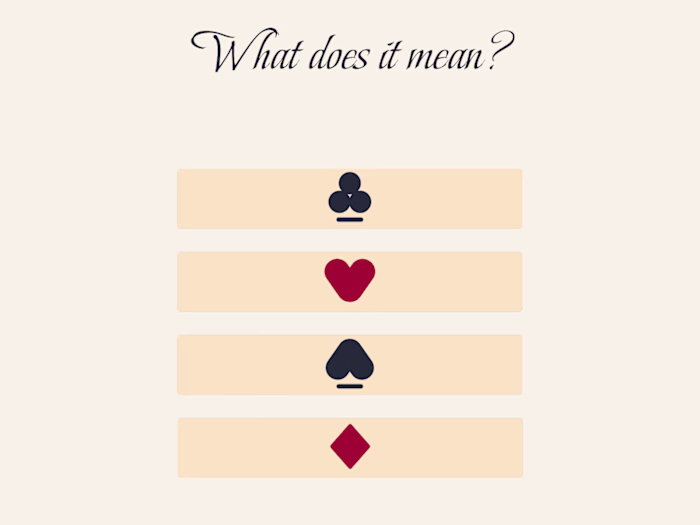
Every product team wants subtle, human micro-interactions, like sliding a feedback bar and watching a face morph smoothly from neutral to a wide smile as you rate your meal is so satisfying. 🍽️
The problem? Traditional handoffs usually go one of two ways:
Designers hand over heavy exports that kill performance and can't handle live data.
Developers spend days hard-coding raw canvas math just to replicate a single gesture.
For this Interactive Review Interface, I bypassed both headaches using Rive data binding:
Logic in the Asset: The facial expression morphs dynamically based on a single numerical input (rate: 0-100).
Zero Math in Code: The developer doesn't calculate bezier curves or frame interpolation. They just pass the slider value directly to the state machine.
Microscopic Footprint: Runs at native 60 FPS on any web browser or tablet hardware using just a few lines of code (as shown in VS Code below).
The Boomer 🔥💥: it’s responsive.
When you look at the design-to-dev handoff in your current stack, who usually bears the burden of making motion interactive. Does design hand off static ideas, or does engineering end up writing custom graphics math from scratch?
I’d love to hear how your team currently handles interactive state handoffs in production! 👇
🔗 And hey, why don’t you go in and rate the work using it 😂:
https://rive.app/marketplace/28089-53051-review/
🔗 Explore my Real-Time Interactive UI service on Contra: https://contra.com/s/bvgqOQq6-real-time-interactive-ui-and-rive-animation?r=mohammadalhelany
Like this project
Posted Oct 14, 2026
people skip reviewing a service. Is it because of it or is it because of the experience of the review? 🧐 Every product team wants subtle, human micro-intera...
Likes
0
Views
0