UX/UI Design - Ardua Solutions (Fintech)

Cavia Agency


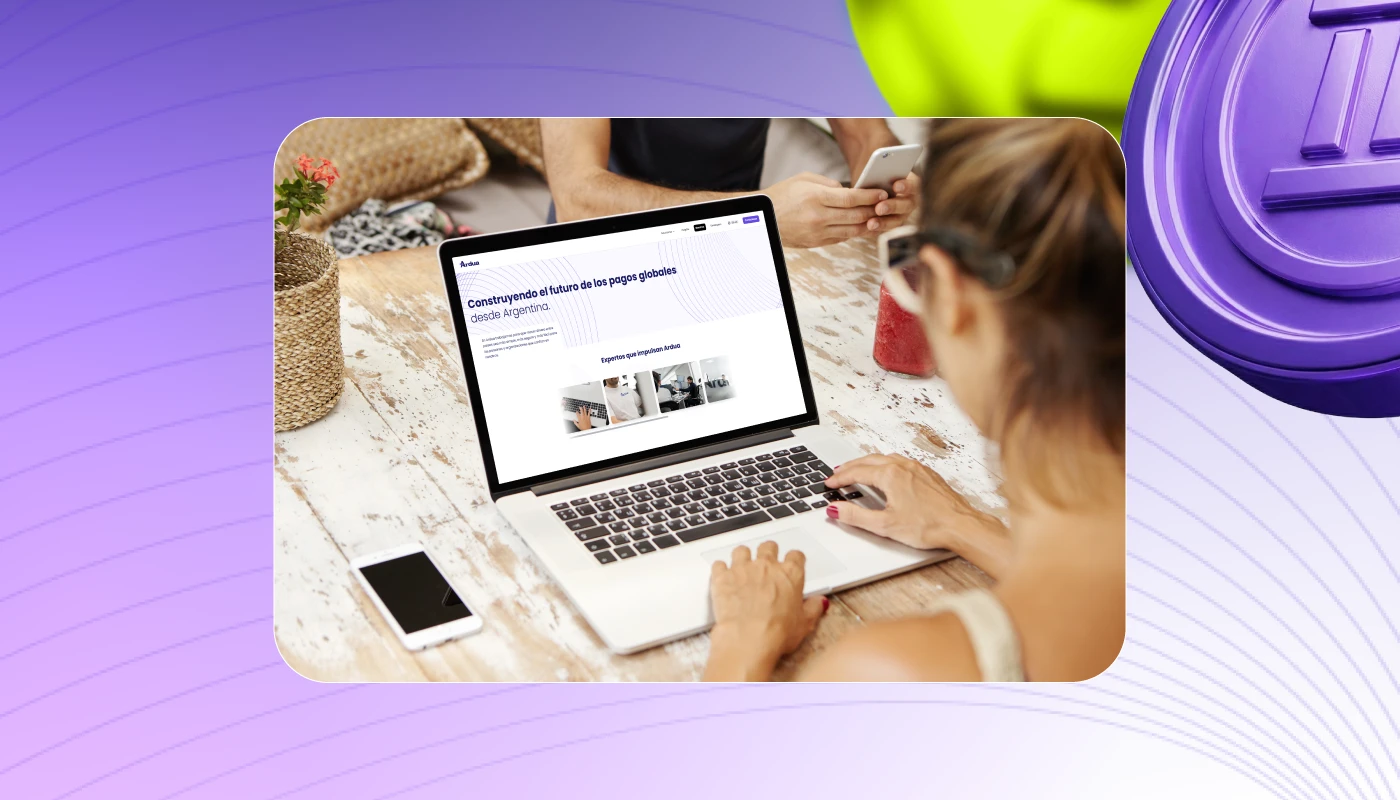
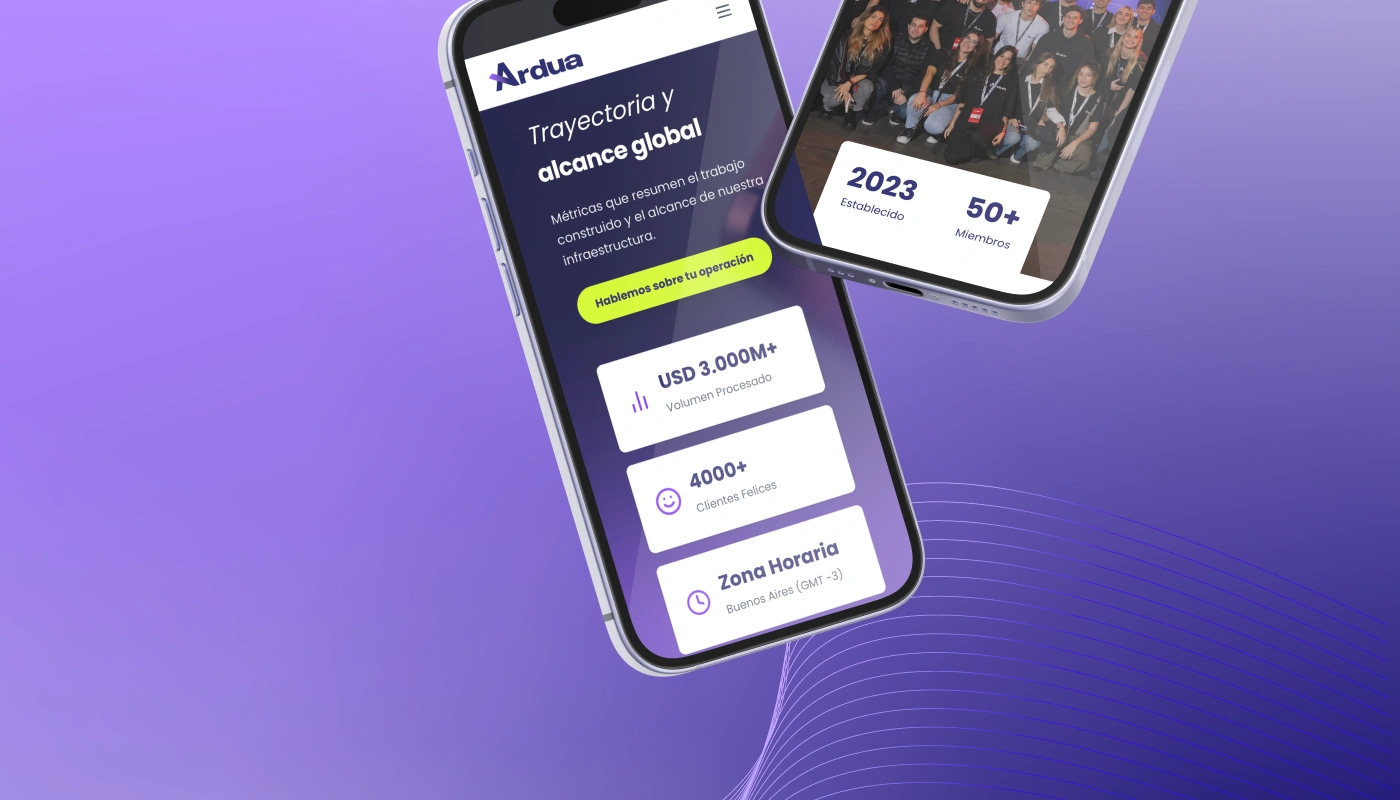
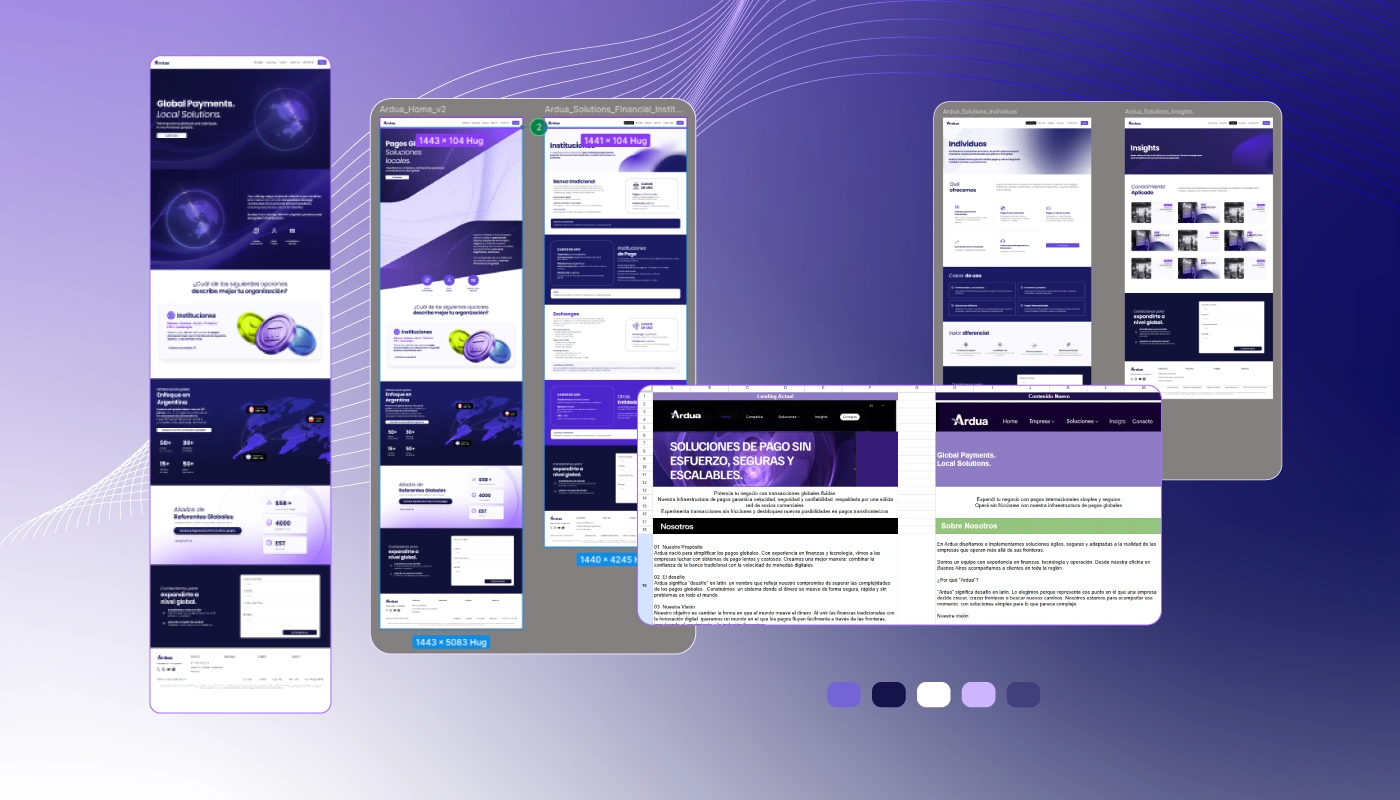
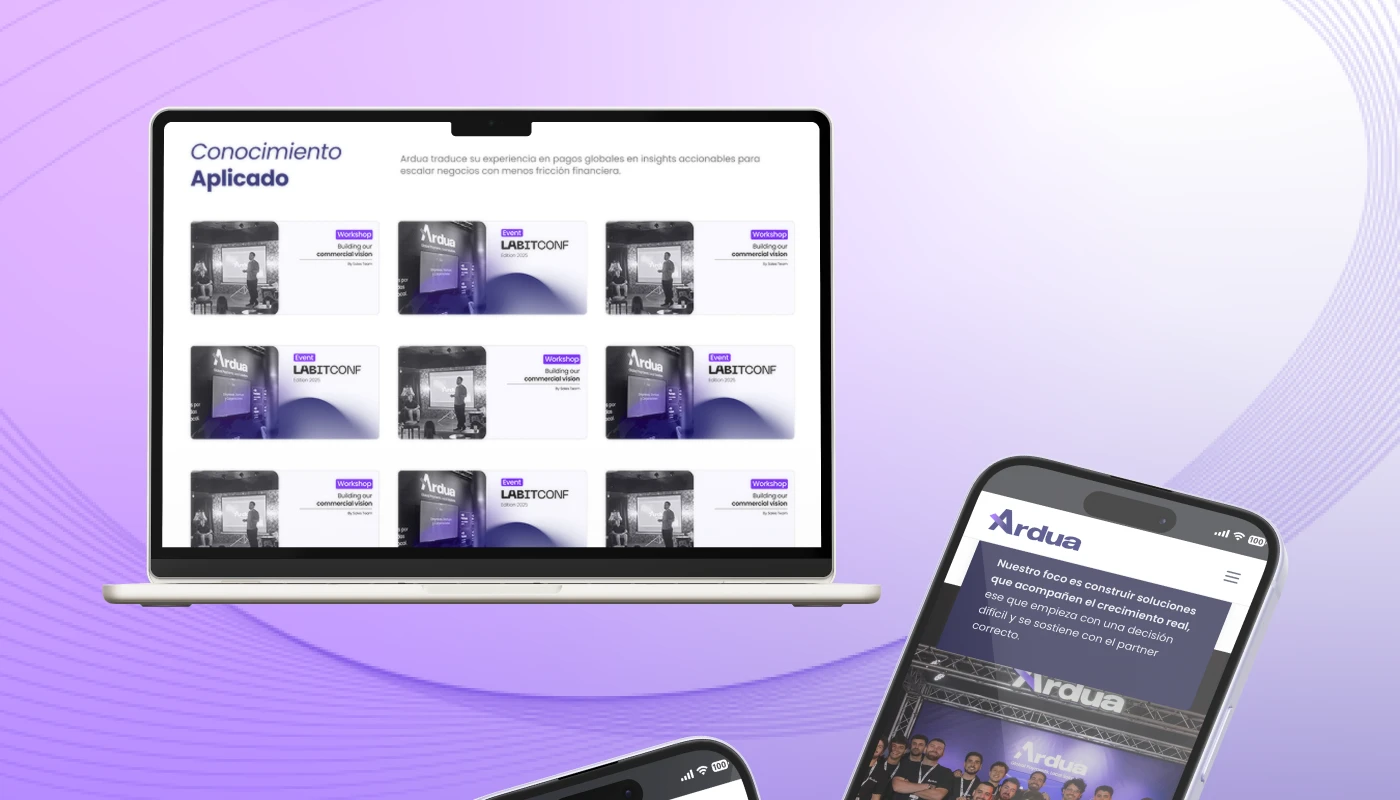
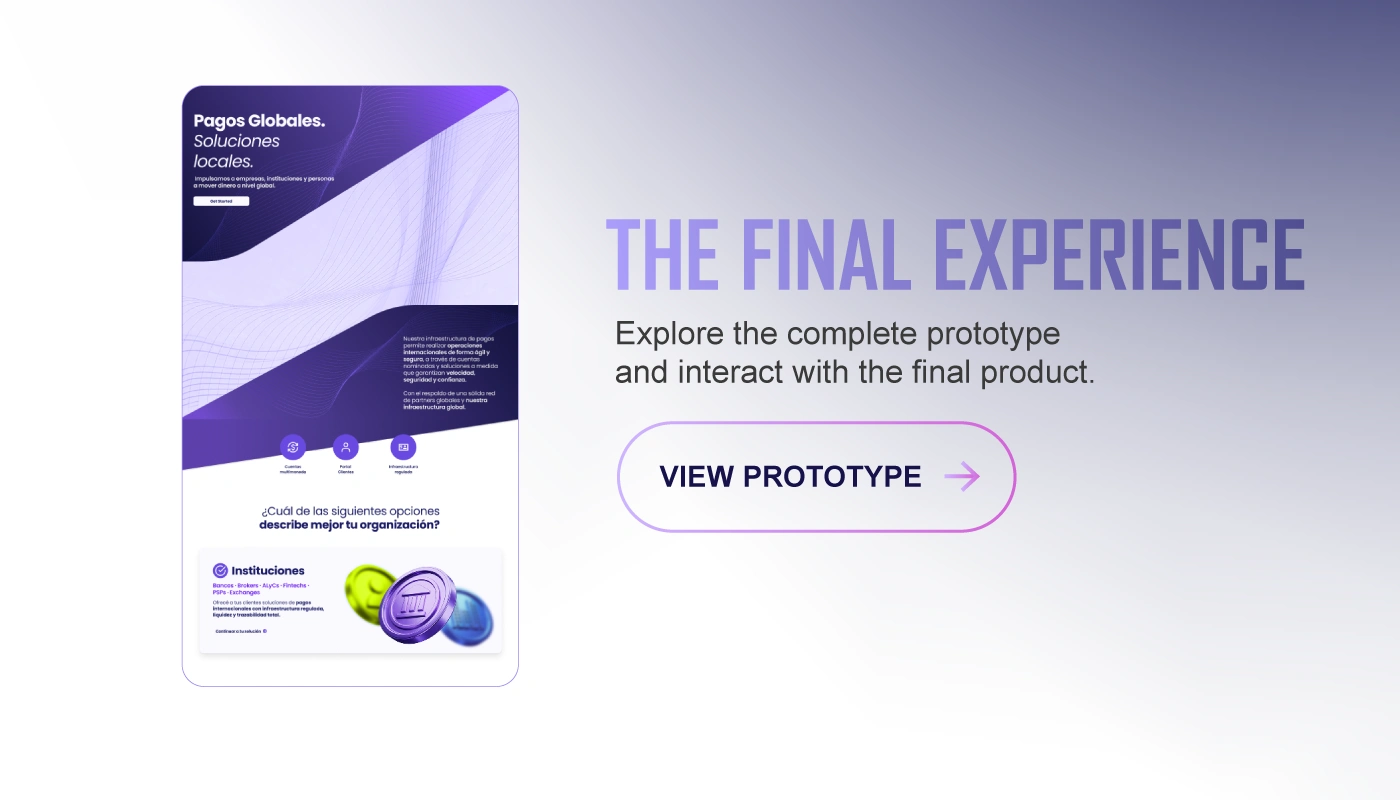
Ardua · Platform UX/UI Redesign
1. Ardua: every screen of the platform redesigned in 30 days
2. Platform UX redesign for Ardua: full screen set, build-ready in one month
3. Ardua: rebuilding the product experience screen by screen
---
# 01 · The client
The product was already live and in use. This wasn't a launch. It was an existing platform with an existing user base, which changes the problem completely. On a new product you design for a user who has no expectations. On a live product you design against habits people already formed, including the bad ones your current interface taught them.
---
# 02 · The brief, and what was underneath it
Ardua asked us to optimize the user experience of the platform.
That request is almost never about the interface on its own. Nobody redesigns a working product because the screens look dated. Something specific is costing them: users stall at a step, support answers the same question every week, a feature nobody finds gets built again as a request.
So the first part of the work wasn't design. It was finding which part of the experience was actually doing the damage.
---
# 03 · Scope
We designed every screen of the platform. We did not build it.
That split was deliberate. Design and development on the same timeline means the build starts before the flows are settled, and every change after that costs engineering hours instead of Figma minutes. Separating them meant Ardua's team received a complete, resolved system rather than a direction to interpret.
The deliverable was the full screen set plus the flows connecting them, documented well enough that a developer could work from it without asking us what happens on the empty state.
---
# 04 · Delivery
One month, start to handoff.
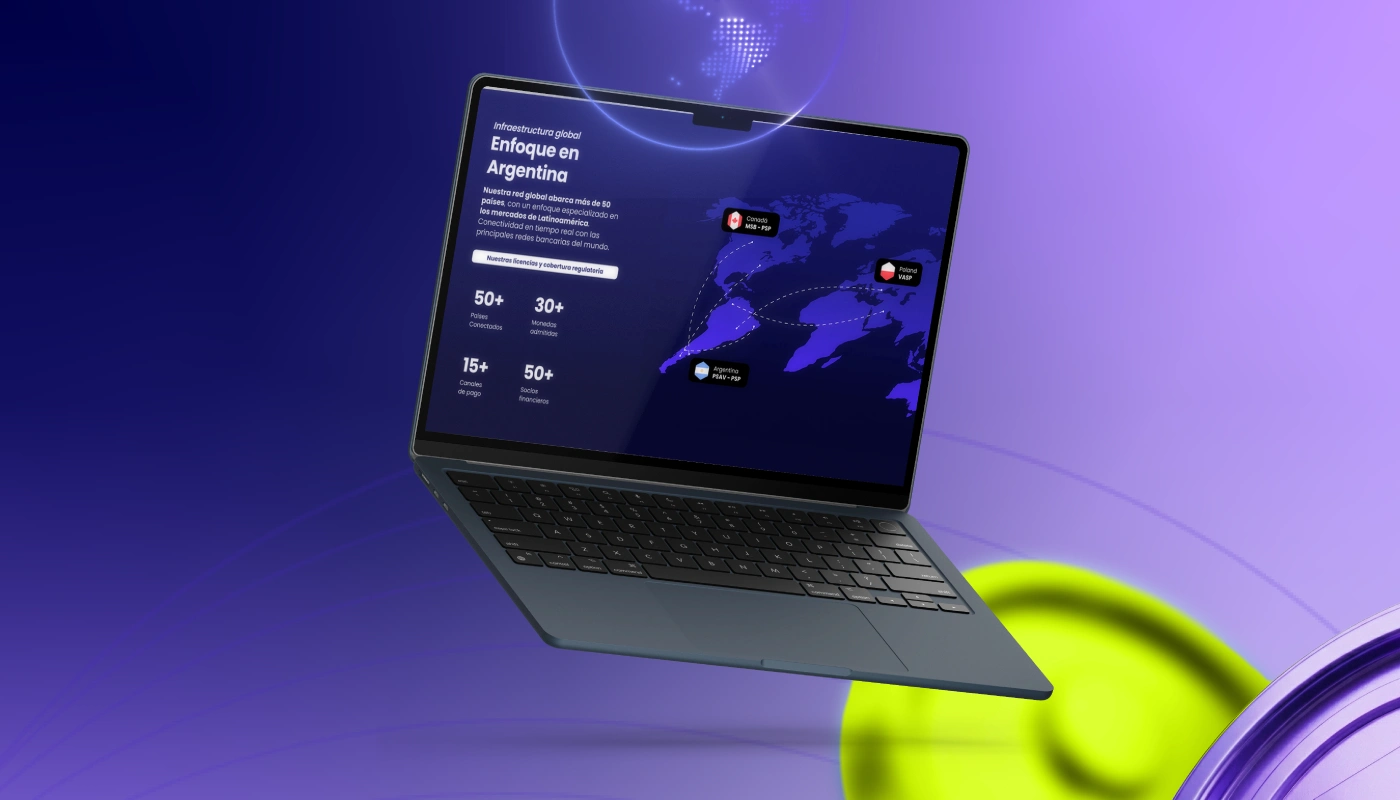
Ardua received the full screen set, the flows between them, and the states each screen has to cover. Everything documented for development handoff.
---
# 05 · Where it stands
The design is complete and ready to build. We handle development as well, so the same team that resolved the flows can implement them, which removes the interpretation gap that shows up when design and build sit in different companies.
Ardua · Platform UX Redesign
Title options for the Contra project card
Ardua: every screen of the platform redesigned in 30 days
Platform UX redesign for Ardua: full screen set, build-ready in one month
Ardua: rebuilding the product experience screen by screen
01 · The client
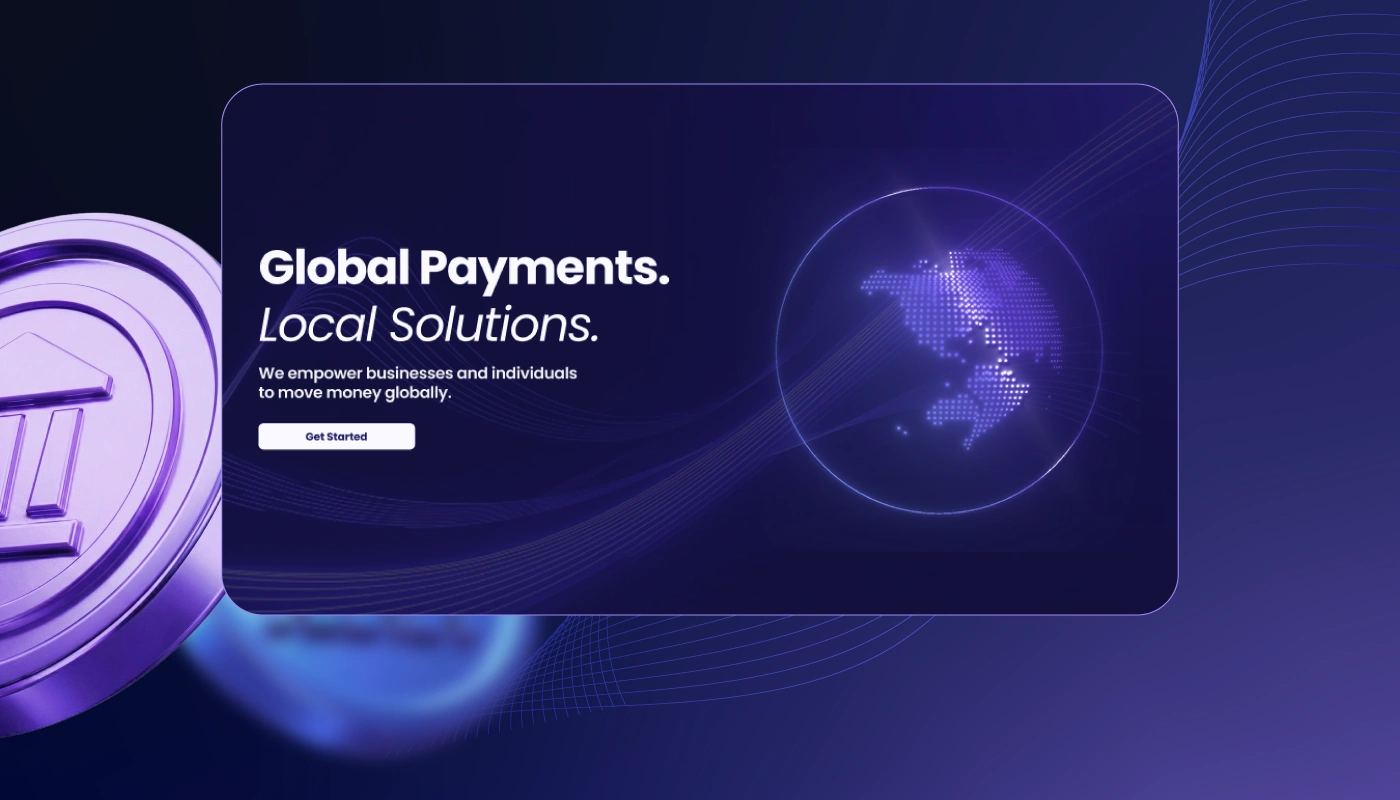
Ardua is an international payment solution.
The product was already live and in use. This wasn't a launch. It was an existing platform with an existing user base, which changes the problem completely. On a new product you design for a user who has no expectations. On a live product you design against habits people already formed, including the bad ones your current interface taught them.
02 · The brief, and what was underneath it
Ardua asked us to optimize the user experience of the platform.
That request is almost never about the interface on its own. Nobody redesigns a working product because the screens look dated. Something specific is costing them: users stall at a step, support answers the same question every week, a feature nobody finds gets built again as a request.
So the first part of the work wasn't design. It was finding which part of the experience was actually doing the damage.
03 · Scope
We designed every screen of the platform. We did not build it.
That split was deliberate. Design and development on the same timeline means the build starts before the flows are settled, and every change after that costs engineering hours instead of Figma minutes. Separating them meant Ardua's team received a complete, resolved system rather than a direction to interpret.
The deliverable was the full screen set plus the flows connecting them, documented well enough that a developer could work from it without asking us what happens on the empty state.
04 · Delivery
One month, start to handoff.
Ardua received the full screen set, the flows between them, and the states each screen has to cover. Everything documented for development handoff.
05 · Where it stands
The design is complete and ready to build. We handle development as well, so the same team that resolved the flows can implement them, which removes the interpretation gap that shows up when design and build sit in different companies.
Like this project
Posted Aug 17, 2026
UX/UI design for a cross-border payments platform: information architecture, core flows, and a navigable Figma prototype.
Likes
0
Views
12