Green Banking Revolution: Climate-Conscious Financial Solutions

Nobusi Maqubela

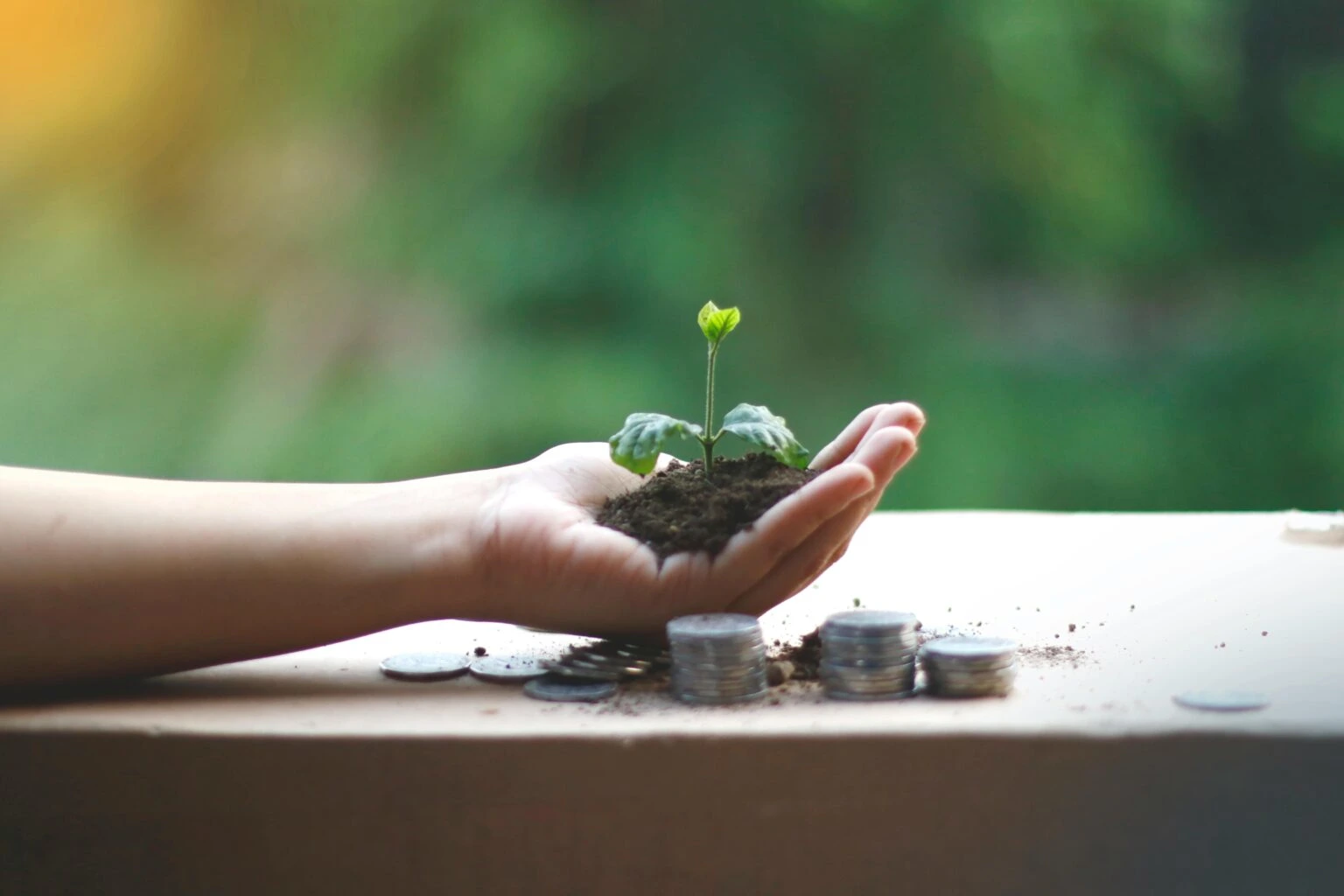
Where does your money sleep at night? Probably in fossil fuels, because your bank still funds oil—in 2025. But you can fight back with green banking apps, regional rebels, and climate-conscious hacks your advisor won’t mention.
Disclaimer: No finance bros were harmed during research.
The Uncomfortable Math
The world’s 60 biggest banks have pumped $6.8+ trillion into fossil fuels since the Paris Agreement—and US banks lead the charge:
Top offenders (US):
Europe’s “Net-Zero” Hypocrisy
Barclays (UK), BNP Paribas (France), Deutsche Bank (Germany) have collectively funded $865B in fossil fuels (2016–2024). These banks tout “net-zero pledges” while financing Arctic drilling (Rainforest Action Network).
Africa’s Pipeline Problem
Standard Bank is Africa’s top backer of the controversial EACOP — the East African Crude Oil Pipeline. They claim their funding is dependent on environmental audit results, which are currently not set to be made public.
The projected CO2 emissions on EACOP completion are as high as 34.3 million tonnes, along with the displacement of vulnerable communities.
Asia’s Coal Addiction
Four of the top 5 banks backing coal expansion are Japan’s SMBC Group, Sumitomo Mitsui Trust, Mitsubishi UFJ Financial, and Mizuho Financial. They provided more than $65 billion to metallurgical coal projects according to Reclaiming Finance’s 2024 report.
This is the global reality that drives conscious consumers from traditional banking institutions to ESG funds. Unfortunately, “the grass isn’t always greener.”
Dirty Money: The “Green” Banking Edit
Ugly truth: Your “green” fund is likely financing fossil fuels too. Just days before the EU’s anti-greenwashing guidelines applied, “sustainable” funds were found holding $33bn+ in oil and gas stocks.
This isn’t just a shady accounting trick. It’s a carbon bomb.
But you’re not powerless. Switching $5,000 to a fossil-free bank = 0.8 tons less CO₂ per year, according to Atmos Financial. That’s like skipping 5,000 miles (8046.72km) of driving—without leaving your couch.
Green Banking Apps: Who’s Actually Ditching Oil?
Let’s zoom out. Around the world, a new class of climate-conscious banks and apps are giving fossil giants a run for their money. Here’s where the revolution’s catching fire:
Europe’s Quiet Climate Coup
Bunq (Netherlands): 100% fossil-free since 2023. Their “Green Card” plants a tree with every €100 spent.
Tomorrow Bank (Germany): Publicly reports impact data on all funds—0% fossil fuels, weapons, or animal testing.
Reminder: BNP Paribas still calls liquefied natural gas “green”—and is a top financier.
Africa leads the world in mobile-first banking—and now, climate fintech is rising too:
Chipper Cash (Pan-Africa): While not strictly green, it is enabling financial inclusion—a key SDG (Sustainable Development Goal)—and partnering with green investment platforms.
Ecobank: Offers a Green Economy Financing Facility in partnership with the AfDB to fund clean energy SMEs.
But: Fossil mega-projects like Uganda’s EACOP pipeline still receive local banking support—activists are pushing back hard.
Asia’s Quiet Fintech Revolution
GreenFi(Singapore version): Blocks funds tied to palm oil and coal; lets users track personal carbon savings.
Toss (South Korea): A payments giant that recently added sustainability-linked ETFs and green investing portfolios.
Don’t forget: Chinese banks are major financiers of biodiversity destruction.
America’s App-Based Mutiny
Ando Money: 100% of deposits fund clean energy; they financed 2.4MW in solar in 2024 alone.
GreenFi (US): Offers fossil-free investing, debit cards that offset gas emissions, and tree-planting roundups.
Reality check: Chase, Bank of America, and Citi still dominate fossil funding (Sierra Club).
Beyond Apps: 6 Legal (and Petty) Ways to Starve Fossil Fuels
Don’t just switch your bank—watch the system burn (legally, of course).
Spot the Greenwash: “Net zero by 2050” without near-term goals = performative nonsense.
More realistically, try the 10% Rule: Move 10% of your cash every month. It adds up, quietly and effectively.
Like this project
Posted Jul 17, 2025
Exploration of green banking apps and climate-conscious financial solutions.
Likes
0
Views
12